

Does a Scalp Massager Help With Dandruff?
Short answer and realistic expectations
Yes, a scalp massager can help with dandruff in some cases—but it is not a standalone cure. If you're wondering does scalp massager help with dandruff , the answer depends on what is causing your flakes. It works best for mild flaking related to dry scalp, product buildup, or uneven oil distribution by gently exfoliating dead skin and supporting a cleaner scalp.
However, if dandruff is caused by an overgrowth of Malassezia yeast or another underlying skin condition, a scalp massager cannot eliminate the root cause. It should be viewed as a supportive part of your scalp care routine rather than a replacement for evidence-based treatments.
What scalp massagers can and cannot do
Do scalp massagers help with dandruff? They can:
- Loosen visible flakes before they accumulate.
- Help anti-dandruff shampoo reach the scalp more evenly.
- Reduce mild itch caused by dryness or buildup.
- Support a healthier cleansing routine.
They cannot:
- Kill dandruff-causing fungi.
- Treat psoriasis, eczema, or seborrheic dermatitis on their own.
- Prevent dandruff from returning if the underlying cause is not addressed.
Does Scalp Massager Help With Dandruff and Itchy Scalps
⏱ 6 min read
Flakes on your shoulders. That constant itch you can't ignore. If you've tried shampoos and routines with little relief, you're not alone. Many people ask whether does a scalp massager help with dandruff or if it's simply a relaxing grooming tool. The answer depends on whether your symptoms come from dryness, product buildup, excess oil, or fungal imbalance. Understanding the cause makes it easier to choose the right combination of scalp care and treatment.
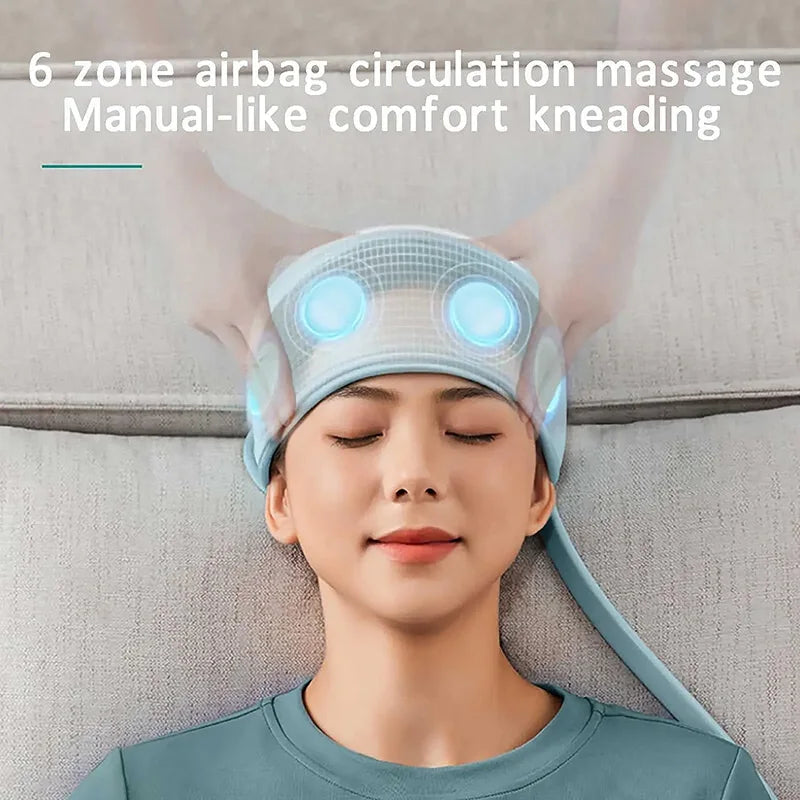
Improving scalp circulation can support healthier scalp balance. See it in action.
What Causes Dandruff? (And Why It Matters)
Dry scalp vs dandruff (key differences)
Dry scalp usually causes small, powdery flakes due to insufficient moisture, while dandruff often produces larger flakes accompanied by excess oil, itching, and inflammation. Knowing the difference helps determine whether scalp massage is likely to provide meaningful relief.
Fungal dandruff (Malassezia) explained
Most chronic dandruff is associated with an overgrowth of the naturally occurring yeast Malassezia . In susceptible individuals, this triggers inflammation, irritation, and accelerated skin cell turnover. Since the fungus remains present, scalp massage alone cannot resolve the condition.
Product buildup and sensitivity triggers
Styling products, sweat, dead skin, and infrequent cleansing can trap oils on the scalp. In these situations, a scalp massager can help remove buildup more effectively during shampooing, making it easier to maintain a healthier scalp environment.
How Scalp Massagers Work for Dandruff Relief
Physical exfoliation of flakes
Soft silicone bristles gently loosen dead skin cells, excess oil, and residue without relying on fingernails. This helps reduce visible flakes while improving scalp cleanliness.
Scalp circulation and nutrient delivery
Massage temporarily increases local blood flow, which may support normal scalp function and improve comfort. While healthy circulation contributes to overall skin health, it should not be confused with a treatment for dandruff itself.
Sebum distribution and moisture balance
Natural scalp oils help protect the skin barrier. Gentle massage distributes these oils more evenly, which may reduce dryness-related flaking and improve scalp comfort.
Why circulation alone doesn't cure dandruff
A common misconception is that better circulation eliminates dandruff. In reality, circulation supports scalp health but does not remove fungal overgrowth or inflammatory skin conditions. That's why scalp massage works best alongside appropriate cleansing products instead of replacing them.
Benefits of Using a Scalp Massager for Dandruff
Reduces loose flakes during washing
Using a scalp massager while shampooing helps lift flakes that shampoo alone may leave behind, resulting in a cleaner scalp and less visible residue after drying.
May relieve itching and dryness
Many users notice less itching because massage removes buildup while evenly spreading natural oils across the scalp. This benefit is most noticeable in people with dry scalp rather than fungal dandruff.
Supports healthier scalp care routine
- Improves cleansing: Helps shampoo reach the scalp instead of remaining on the hair.
- Removes loose flakes: Clears dead skin without aggressive scratching.
- Encourages regular scalp care: Makes washing routines more thorough.
- Supports scalp comfort: Can reduce tightness associated with dryness.
- Works alongside treatment: Complements anti-dandruff shampoos rather than replacing them.
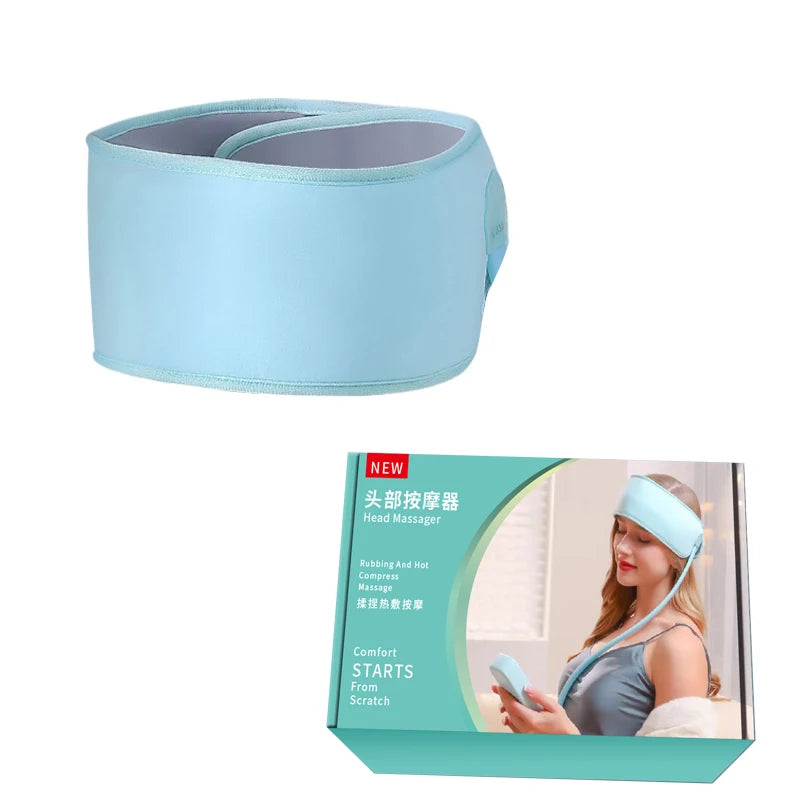
Consistent use helps reduce buildup and visible flakes. See it in action.
When Scalp Massagers Can Make Dandruff Worse
Overuse and irritation
Using excessive pressure or massaging too frequently can damage the scalp barrier, leading to increased redness, irritation, and flaking.
Fungal flare-ups
If dandruff results from fungal overgrowth, massage alone will not solve the problem. Continuing to massage without appropriate medicated treatment may allow symptoms to persist and, in some cases, worsen irritation.
Sensitive or inflamed scalp conditions
People with psoriasis, eczema, infected follicles, open wounds, or severe inflammation should avoid scalp massage until symptoms improve or a healthcare professional recommends it.
How to Use a Scalp Massager for Best Results
Step-by-step technique
- Wet your hair thoroughly and apply shampoo.
- Hold the massager lightly without pressing hard.
- Move in slow circular motions across the entire scalp.
- Avoid scraping or digging the bristles into the skin.
- Massage for about 3–5 minutes before rinsing.
How often to use it
Most people benefit from using a scalp massager 2–3 times per week. If your scalp becomes tender or more irritated, reduce frequency until symptoms settle.
Best time with shampoo or oils
For dandruff, using a scalp massager together with an anti-dandruff shampoo is generally more effective than using it on a dry scalp. If using scalp oils for dryness, massage gently before shampooing to help loosen buildup.
Cleaning the scalp massager
Wash the silicone bristles with warm water and mild soap after each use. Allow the tool to dry completely before storing it to reduce bacterial and fungal contamination.
For best results, pair your routine with an anti-dandruff shampoo that targets the underlying cause of persistent flakes.
Manual vs Electric Scalp Massagers: Which Is Better?
Cleaning effectiveness
Both manual and electric scalp massagers remove loose flakes effectively when used correctly. Manual models offer more precise pressure, while electric versions provide consistent movement across larger areas.
Comfort and control
- Manual massagers: Better control for sensitive scalps and targeted cleansing.
- Electric massagers: Require less effort and provide a more consistent massage experience.
Who each type suits
Manual tools are often sufficient for occasional dandruff management. Electric options like the electric head massager are ideal for users who want convenience and a consistent routine.
Who Should (and Shouldn't) Use a Scalp Massager?
Best candidates
- People with mild dandruff.
- Those with dry scalp or product buildup.
- Individuals experiencing occasional itching without active inflammation.
Who should avoid scalp massage
- People with severe seborrheic dermatitis.
- Those with scalp infections or open wounds.
- Anyone with painful psoriasis flare-ups or eczema affecting the scalp.
When to see a dermatologist
If flakes persist for several weeks despite medicated shampoo, spread beyond the scalp, or are accompanied by pain, bleeding, or significant hair loss, professional evaluation is recommended. Persistent dandruff may indicate a condition requiring prescription treatment.
It also pairs well with routines found in Hair Care and Styling Devices collections for a more complete scalp care approach.
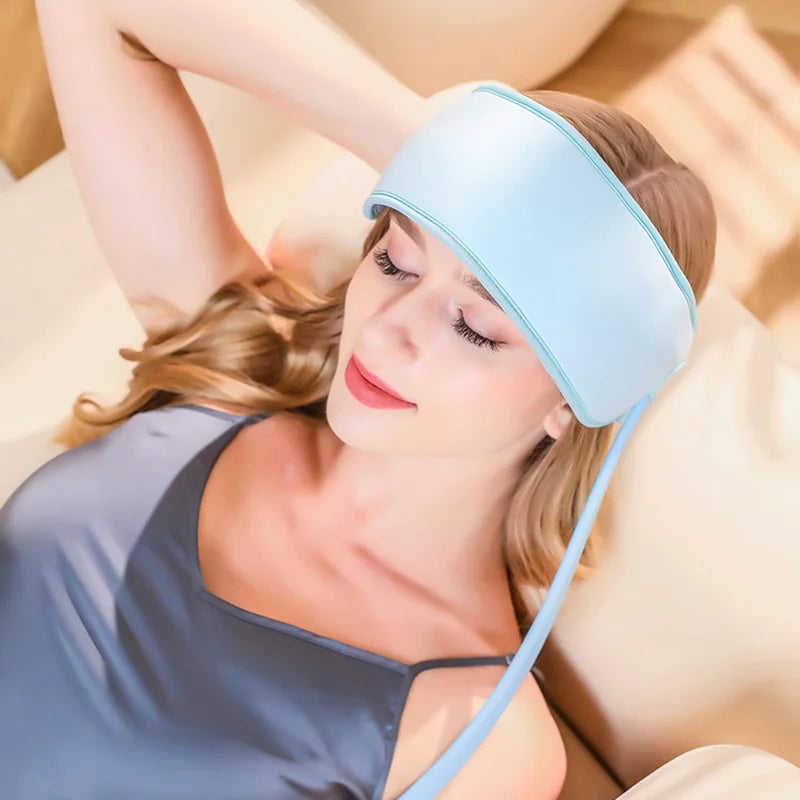
A simple addition to your weekly scalp routine. See it in action.
Can a Scalp Massager Replace Dandruff Treatments?
With medicated shampoos
No. A scalp massager should complement—not replace—anti-dandruff shampoos containing ingredients such as ketoconazole, selenium sulfide, zinc pyrithione, or salicylic acid when these are appropriate for your condition.
With scalp oils
Scalp oils may improve comfort for dry scalp but are not recommended as a primary treatment for fungal dandruff because some oils may worsen symptoms in susceptible individuals. Choose products based on the underlying cause of your flakes.
What evidence says
Current evidence supports scalp massage as a helpful tool for improving scalp hygiene, exfoliating loose flakes, and increasing comfort. It does not treat the biological causes of dandruff, so the most effective approach combines proper cleansing, targeted treatments when necessary, and consistent scalp care.
Quick FAQs About Scalp Massagers and Dandruff
Do scalp massagers help with itchy scalp?
Yes. They can reduce itch associated with dryness or product buildup, although persistent itching caused by fungal dandruff or inflammatory skin conditions usually requires medical treatment.
How often should you use a scalp massager?
Most people benefit from using one 2–3 times weekly during shampooing. Daily use is usually unnecessary and may irritate sensitive skin.
Is a scalp massager good for dry scalp?
Yes. Gentle massage helps distribute natural oils and remove dry flakes without excessive scratching.
Are scalp massager results long-term?
Results last only if the underlying cause is managed. Consistent scalp care, appropriate shampoos, and avoiding triggers provide the best long-term improvement.
Does scalp massage remove dandruff permanently?
No. It removes loose flakes and supports scalp hygiene but cannot permanently eliminate dandruff caused by fungal overgrowth or chronic skin conditions.
Can a scalp massager spread fungal dandruff?
A scalp massager does not spread fungus throughout the scalp, but using one without treating the underlying fungal imbalance will not resolve the condition. Clean the tool thoroughly after each use.
Should you use a scalp massager on wet or dry hair?
For dandruff, it is generally best used on wet hair with shampoo, where it can help cleanse the scalp while minimizing friction.
Can scalp massage damage the scalp barrier?
Yes, if excessive force or prolonged sessions are used. Gentle pressure with soft silicone bristles minimizes this risk.
What type of scalp massager is best for dandruff?
Soft silicone-bristle scalp massagers are generally the best choice because they effectively loosen flakes while being gentle on the scalp.
How long does it take to notice scalp massager results?
Many people notice less buildup and improved scalp comfort within a few washes, while longer-term improvement depends on treating the underlying cause of dandruff.
Related Guide: Scalp Massage Relaxation for Sensitive Scalps and Stress













