

Are DOT Approved Open Face Helmets Actually Safe?
Yes—DOT approved open face helmets can provide meaningful head protection when they comply with Federal Motor Vehicle Safety Standard (FMVSS) 218. They are designed to reduce the risk of traumatic head injuries by absorbing impact energy, resisting penetration, and remaining securely fastened during a crash.
However, it's important to understand what they do not protect. Unlike full-face helmets, open-face designs leave the chin, jaw, and much of the face exposed. That means a helmet can be fully DOT approved while still offering less overall facial protection than a full-face model.
In other words, DOT certification confirms that a helmet meets minimum motorcycle helmet safety certification requirements, but the helmet's design determines which parts of your head remain protected in a real-world accident.
DOT Approved Helmets: Safety Features That Actually Protect Riders (Explained with Tests & Real Scenarios)
DOT approved helmets may look similar on the outside, but what’s inside determines how well they protect you in a crash. Understanding helmet safety standards, materials, helmet construction, and real-world performance helps riders make smarter, safer decisions.
⏱ 6 min read
Explore what truly separates dependable helmets from risky compromises.
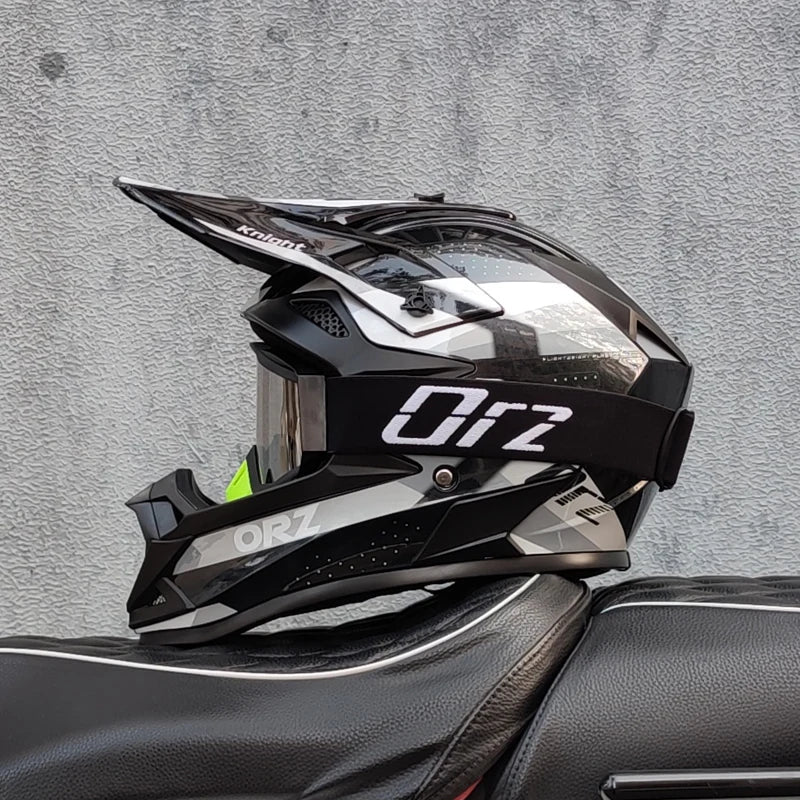
DOT approved helmets built with certified protective features—see how quality construction makes a difference.
What DOT Approval Really Means (FMVSS 218 Explained Simply)
DOT approved helmets must comply with the Federal Motor Vehicle Safety Standard No. 218 (FMVSS 218), the primary motorcycle helmet safety certification required for road use in the United States.
Rather than ranking helmets from best to worst, the standard establishes minimum safety performance thresholds. Every compliant helmet must demonstrate acceptable levels of impact absorption, penetration resistance, retention strength, and peripheral vision before it can legally carry the DOT designation.
DOT uses a self-certification system. Manufacturers certify that their helmets comply with FMVSS 218, while government agencies conduct random compliance testing to identify products that fail to meet the standard.
- Impact attenuation: Reduces the force transmitted to the rider's head.
- Penetration resistance: Prevents sharp objects from reaching the head.
- Retention strength: Helps keep the helmet securely fastened during a crash.
- Peripheral vision: Preserves a wide field of view for safer riding.
A DOT sticker alone doesn't guarantee premium protection. Shell materials, liner quality, manufacturing consistency, and helmet design all influence how a helmet performs outside the laboratory.
Learn more about helmet safety standards here.
How DOT Helmet Safety Standards Are Tested (Step-by-Step)
DOT helmet safety standards are built around several laboratory tests that evaluate how a helmet responds to common crash forces. While no test can perfectly recreate every motorcycle accident, together they establish a reliable baseline for rider protection.
Impact Attenuation Test
The helmet is dropped onto steel anvils at controlled speeds while sensors measure how much energy reaches the headform. The EPS liner should compress and dissipate impact forces before they reach the rider's skull.
This test represents collisions such as striking pavement or another vehicle, although actual crashes often involve multiple impacts and varying angles.
Penetration Resistance Test
A pointed striker is dropped onto the helmet shell. The object must not penetrate through to the headform, demonstrating the shell's ability to resist concentrated impacts from road debris or sharp obstacles.
Retention System Strength Test
The chin strap and retention hardware are subjected to heavy loads. They must remain secure without stretching excessively or breaking, helping prevent the helmet from coming off during a crash.
Peripheral Vision Requirement
DOT requires helmets to provide at least 105 degrees of peripheral vision so riders can better detect surrounding traffic, pedestrians, and road hazards without excessive head movement.
Safety Features of DOT Approved Helmets (How They Protect You)
Energy-Absorbing EPS Liner (Impact Physics)
The expanded polystyrene (EPS) liner is the helmet's primary energy management system. During an impact, it compresses to extend the stopping distance of the head, lowering peak forces that can contribute to serious brain injuries.
Outer Shell Construction (ABS vs Polycarbonate vs Composite)
The outer shell distributes impact energy across a wider area before it reaches the EPS liner.
- ABS: Durable, affordable, and capable of controlled flex during impact.
- Polycarbonate: Lightweight and widely used in mid-range helmets.
- Composite materials: Fiberglass, carbon fiber, or blended composites provide excellent strength-to-weight performance at a higher price.
Retention System & Chin Strap Design
Even the most protective helmet cannot help if it comes off during an accident. High-quality retention systems use reinforced straps and durable hardware to keep the helmet correctly positioned throughout a crash sequence.
Peripheral Vision & Coverage
Helmet coverage is just as important as impact performance. Full-face helmets protect the chin bar, cheeks, and jaw, while open-face designs prioritize visibility and airflow but leave facial structures exposed.
Head Coverage Zones Explained
DOT approved open-face helmets protect the top, sides, and back of the skull while maintaining compliance with FMVSS 218. These areas receive the same impact-testing requirements as other DOT-certified helmets.
Face Exposure and Impact Risk
The primary limitation is the absence of a chin bar. Because the jaw, mouth, and nose remain exposed, facial injuries are generally more likely than with a comparable full-face helmet.
Visors, Shields, and Eye Protection
Many open-face helmets include integrated visors or face shields that improve comfort by reducing wind, insects, dust, and rain. However, these components are not intended to replace the structural facial protection offered by a full-face helmet.
Weight, Comfort, and Rider Awareness
Open-face helmets are often lighter and provide increased ventilation, which can reduce fatigue during city riding. Better comfort may encourage riders to wear their helmets consistently, an important factor in overall safety.
Open Face vs Full Face vs Modular: Safety Comparison
| Helmet Type | Head Protection | Facial Protection | Best For |
|---|---|---|---|
| Open Face | Excellent top, side, and rear coverage | Minimal chin and jaw protection | Urban commuting and lower-speed riding |
| Modular | Very good when locked closed | Good when chin bar is secured | Touring and versatile riding |
| Full Face | Comprehensive head coverage | Maximum chin and facial protection | Highway riding, sport riding, and maximum safety |
For riders who regularly travel at highway speeds or prioritize maximum impact protection, a quality full-face helmet generally provides the greatest coverage. Open-face helmets remain a practical option for riders who value ventilation and visibility while understanding the tradeoff in facial protection.
Why ABS Shell Helmet Safety Matters in Real Crashes
ABS shell helmet safety comes from the material's ability to flex slightly before returning energy to the EPS liner. Rather than being extremely rigid, ABS helps spread impact forces across a larger surface area while resisting penetration.
- Pros: Durable, cost-effective, abrasion resistant, and proven in many DOT approved helmets.
- Cons: Typically heavier than premium composite shells.
Although shell material is important, the complete helmet system—including liner density, fit, and manufacturing quality—ultimately determines real-world protection.
Compare helmet materials here.
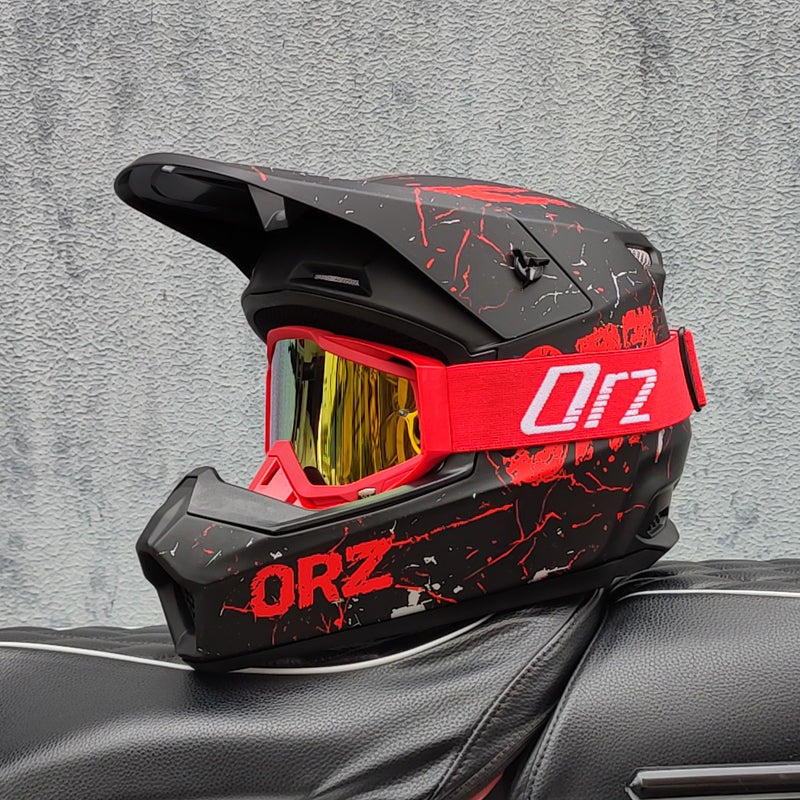
ABS shell material engineered for balanced protection—designed to manage impact while remaining durable.
DOT vs ECE vs Snell: What’s the Difference in Safety Standards?
- DOT: Required for legal road use in the U.S. and focused on minimum real-world safety performance.
- ECE: Common throughout Europe, using broader testing conditions and production consistency checks.
- Snell: A voluntary certification with more demanding impact testing aimed at racing and high-performance applications.
Many premium helmets carry both DOT and ECE certification, while some racing models also meet Snell requirements. Multiple certifications can provide additional confidence, but correct fit remains equally important.
How to Identify a Real DOT Approved Helmet (Avoid Fake Stickers)
Counterfeit DOT labels have become increasingly common. Before purchasing a helmet, use this checklist:
- Check the DOT marking: It should be permanently applied rather than loosely attached.
- Inspect the interior label: Look for manufacturer information, model identification, and production details.
- Evaluate overall construction: Uneven padding, poor stitching, or flimsy straps can indicate low-quality manufacturing.
- Purchase from reputable retailers or established brands: Trusted sellers greatly reduce counterfeit risk.
How Proper Fit and Comfort Improve Safety
Even the safest motorcycle helmet cannot perform properly if it doesn't fit correctly.
- A snug fit minimizes dangerous helmet movement during impact.
- Correct strap adjustment helps keep the helmet securely positioned.
- Balanced weight reduces neck fatigue on longer rides.
- Effective ventilation helps riders remain alert and focused.
- Avoid helmets that create pressure points or allow excessive movement.
Learn how to measure helmet size properly.
Real-World Crash Scenarios: How Open-Face Helmets Perform
Laboratory testing provides valuable benchmarks, but real accidents vary considerably depending on speed, impact angle, and surrounding hazards.
- Urban collisions: DOT approved open-face helmets can effectively reduce serious head injuries while still leaving the face vulnerable.
- Highway crashes: Higher speeds increase the likelihood of severe facial impacts, making full-face protection more advantageous.
- Low-speed falls: The EPS liner and shell help absorb energy during common tip-over and intersection accidents.
- Sliding crashes: The shell protects against abrasion, but exposed facial areas remain at greater risk.
For many commuters and cruiser riders, an open-face helmet represents a balance between comfort and protection. Riders who frequently travel at highway speeds may benefit from the added chin and facial coverage offered by a full-face design.
Explore this full-face motorcycle helmet option now
How to Choose the Safest DOT Approved Open Face Helmet
- Verify genuine DOT certification and manufacturer information.
- Choose quality shell materials such as reinforced ABS, polycarbonate, or composites.
- Look for a multi-density EPS liner with consistent interior padding.
- Confirm the chin strap and retention system feel secure and easy to adjust.
- Select the correct size with a snug, stable fit.
- Match the helmet to your riding style—consider a full-face helmet for frequent highway riding.
If you're looking for additional rider protection beyond helmets, browse other riding and personal protection solutions in our Body Care & Health Devices collection.
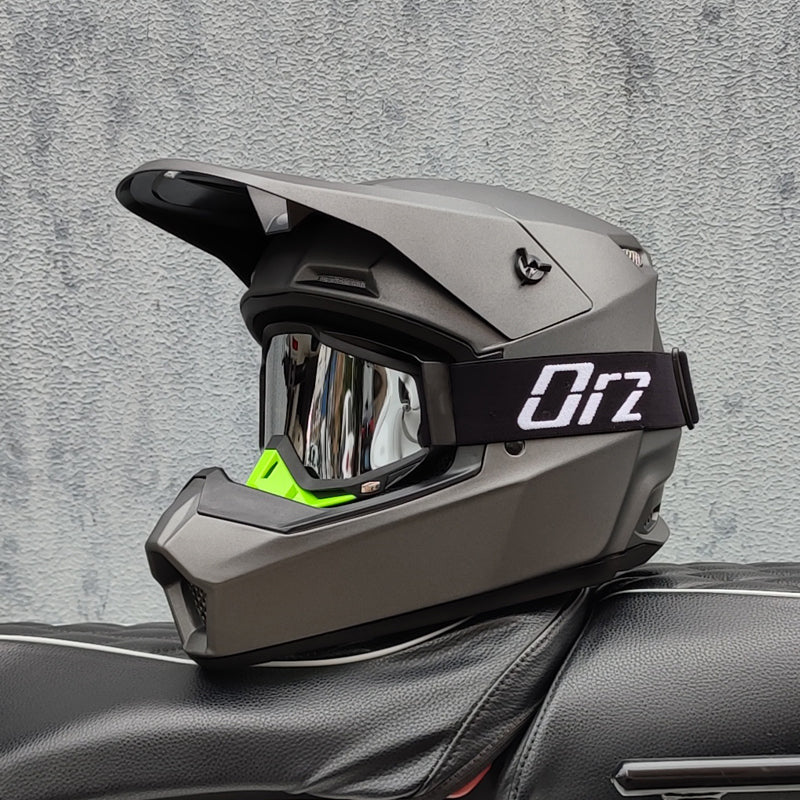
Designed for confidence, comfort, and certified protection—built for everyday riding.
Frequently Asked Questions
What makes a helmet DOT approved?
A helmet is DOT approved when it complies with FMVSS 218 requirements for impact attenuation, penetration resistance, retention strength, and peripheral vision. Manufacturers certify compliance, while government agencies conduct random compliance testing.
Can two DOT approved helmets offer different protection levels?
Yes. Although both meet minimum DOT standards, differences in shell materials, EPS liner design, manufacturing quality, and overall construction can significantly affect real-world crash performance.
Is a DOT approved open face helmet safe?
Yes. A DOT approved open-face helmet protects the top, sides, and back of the head, but it does not provide the same level of chin and facial protection as a full-face helmet.
How do I check motorcycle helmet safety certification?
Inspect the permanent DOT marking, verify the interior manufacturer label, examine overall build quality, and purchase from reputable retailers to reduce the risk of counterfeit helmets.
Are DOT approved open face helmets safe for highway riding?
They meet DOT safety requirements and provide certified head protection, but they leave the chin and face exposed. Riders who spend significant time at highway speeds often prefer full-face helmets for additional facial protection.
When should I replace a DOT approved helmet after impact?
Replace any helmet after a significant impact, even if no visible damage is present, because the EPS liner may have compressed and no longer provide its intended level of protection.
Secure a helmet built for real protection today
Related Guide: Motorcycle Crash Protection: Features That Actually Save Riders













