

What safety certifications should I look for in an ATV helmet?
If you're wondering what safety certifications should I look for in an ATV helmet, prioritize helmets that carry recognized ATV helmet safety certifications such as DOT, ECE 22.06, or Snell. These standards evaluate impact absorption, retention system strength, coverage, and other critical safety features. Before buying, verify the certification labels, inspect the permanent interior markings, and make sure the helmet fits correctly—because even a certified helmet cannot protect you properly if it is the wrong size.
ATV Helmet Safety Certifications: Complete Guide to DOT, ECE & Snell Standards
Choosing an ATV helmet isn't just about style, ventilation, or price. The most important factor is whether the helmet has passed recognized safety testing. Understanding ATV helmet safety certifications helps you compare helmets objectively, recognize counterfeit labels, and choose protection appropriate for trail riding, utility work, racing, or recreational off-road adventures.
⏱ 7 min read
Explore what real protection feels like before your next ride.
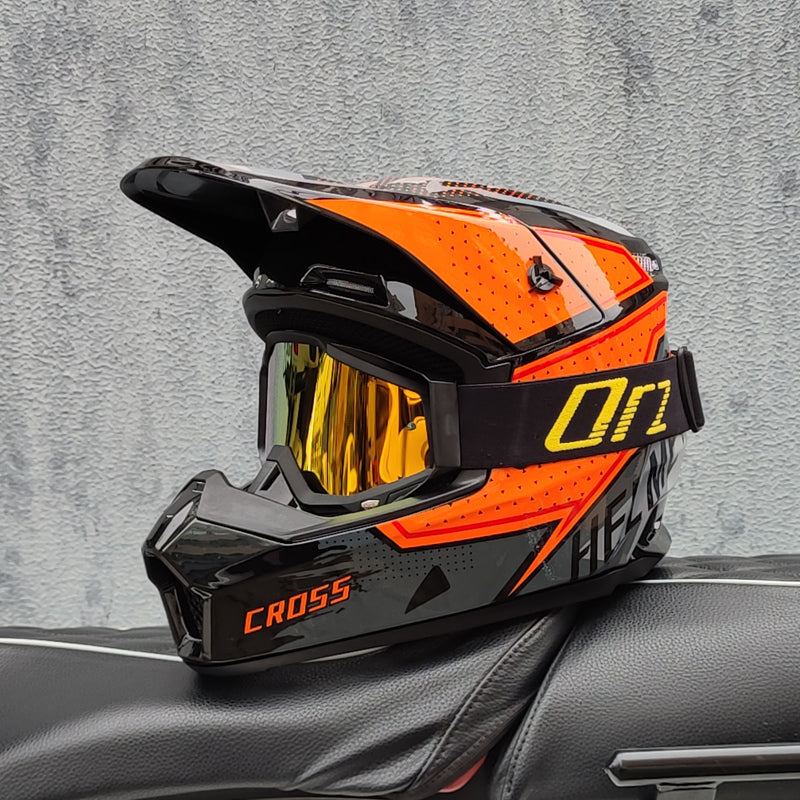
Understanding helmet safety standards visually makes compliance checks easier.
What are ATV helmet safety certifications and why do they matter?
ATV helmet safety certifications are standardized testing programs that measure whether a helmet can reduce the forces transferred to your head during a crash. Rather than relying on marketing claims, certifications verify minimum performance requirements for impact protection, retention systems, shell integrity, and overall coverage.
For most riders, the buying priority should be simple:
- Choose a helmet with at least one recognized certification.
- Select the certification that matches your riding style and local regulations.
- Prioritize proper fit before premium features.
- Purchase from reputable manufacturers and authorized retailers.
The certifications that matter most
- DOT (FMVSS 218): Required for road-legal helmets in the United States and establishes minimum safety requirements.
- ECE 22.06: Modern European certification featuring comprehensive laboratory testing, including multiple impact locations and rotational considerations.
- Snell: Independent voluntary certification designed for riders seeking additional performance testing, particularly in competitive environments.
How to identify legitimate certification labels
A genuine certified helmet should include a permanent certification label, manufacturer information, model identification, and production details. Certification stickers alone are not enough—always confirm the permanent interior markings and documentation supplied by the manufacturer.
Why ATV Helmet Safety Standards Matter
Off-road riding creates hazards that differ significantly from everyday street riding. Uneven terrain, unexpected obstacles, steep inclines, and vehicle rollovers produce complex impacts that place enormous stress on both the helmet shell and its energy-absorbing liner.
How ATV crashes differ from street motorcycle crashes
- Multiple impacts during rollovers
- Impacts with rocks, trees, and uneven terrain
- Lower-speed crashes with severe localized impacts
- Higher likelihood of secondary impacts after rider ejection
How certified helmets reduce injury risk
Certified helmets are engineered to manage crash energy instead of allowing it to transfer directly to the skull and brain. While no helmet can eliminate every injury, laboratory testing helps ensure the helmet performs consistently under controlled impact conditions, giving riders greater confidence that their equipment meets established safety benchmarks.
How ATV helmet safety standards are tested
Certification organizations evaluate helmets using repeatable laboratory procedures that simulate many of the forces experienced during real crashes. Although no laboratory test perfectly replicates every accident, these standards provide an objective way to compare helmet performance.
Impact attenuation tests
Helmets are dropped onto specially designed anvils while instruments measure the forces transmitted through the helmet. Better-performing helmets reduce the peak acceleration reaching the headform.
Penetration resistance
Some standards evaluate whether sharp objects can penetrate the shell and reach the protected head area. Strong shell construction helps distribute concentrated impact forces.
Retention system testing
The chin strap and fastening system are subjected to repeated loading to verify that they remain securely fastened during an impact.
Peripheral vision and coverage requirements
Safety standards also establish minimum fields of vision and coverage zones to balance rider awareness with head protection. A certified helmet should provide sufficient visibility without sacrificing critical coverage around the forehead, temples, jaw, and back of the head.
DOT vs ECE 22.06 vs Snell: Which ATV helmet certification is best?
Each certification follows a different testing philosophy. Rather than asking which standard is universally "best," consider which one aligns with your riding environment, local regulations, and desired level of protection.
DOT certification explained
DOT certification (FMVSS 218) establishes the minimum legal safety requirements for many helmets sold in the United States. Manufacturers certify compliance themselves, although regulators can conduct compliance testing.
ECE 22.06 explained
ECE 22.06 incorporates updated testing methods that include multiple impact locations, varied impact speeds, and additional assessments intended to reflect a wider range of crash scenarios. Independent approval makes it one of the most respected standards worldwide.
Snell certification explained
Snell certification is voluntary and generally emphasizes demanding impact performance. It is commonly selected by riders participating in racing or organized motorsports where additional certification may be required.
Comparison table and buying recommendations
| Certification | Testing Focus | Independent Verification | Best For |
|---|---|---|---|
| DOT | Basic impact protection and retention | No (manufacturer self-certification) | Legal compliance and everyday riding |
| ECE 22.06 | Multiple impact scenarios and updated testing | Yes | Most recreational and adventure riders |
| Snell | High-energy impact performance | Yes | Competition and performance-focused riding |
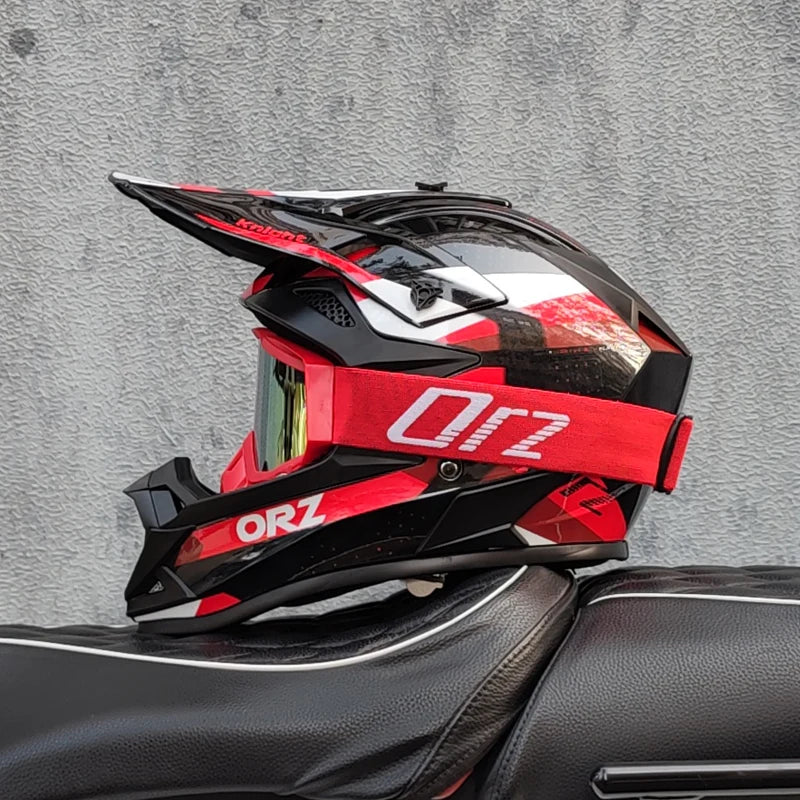
Certification testing ensures protection beyond appearances.
Helmet certifications around the world
North America
DOT certification is widely recognized throughout the United States, while Canadian riders may encounter additional national requirements depending on the province.
Europe
ECE 22.06 has become the primary helmet certification across Europe and is accepted in many other international markets.
Australia and other markets
Some countries maintain their own certification programs or recognize internationally accepted standards. If you regularly travel or compete internationally, confirm that your helmet meets the requirements of your destination.
How to verify a helmet certification and avoid counterfeit labels
Counterfeit helmets and fake DOT stickers continue to appear online. Learning how to verify certification protects both your investment and your safety.
Where certification labels should appear
- Permanent DOT, ECE, or Snell markings where applicable
- Manufacturer identification inside the helmet
- Production information and model details
- Documentation included with the helmet packaging
Warning signs of fake certifications
- Poor-quality stickers or labels
- Missing permanent interior markings
- No identifiable manufacturer information
- Prices that seem unrealistically low
- Unknown sellers with limited product history
Manufacturer verification tips
Purchase from established retailers whenever possible, compare certification details with the manufacturer's published specifications, and avoid listings that provide only vague descriptions such as "DOT style" or "DOT look."
How to choose the right certified ATV helmet
Knowing how to choose ATV helmet certification starts with matching the helmet to your riding style instead of simply buying the highest-priced model.
Trail, utility and racing riders
- Trail riding: ECE 22.06 or DOT-certified helmets from reputable manufacturers.
- Utility riding: Comfortable DOT-certified helmets with good ventilation and visibility.
- Aggressive off-road riding or competition: Consider helmets carrying Snell or ECE certification where appropriate.
Why full-face helmets offer the most protection
Full-face helmets provide additional coverage for the chin and jaw, which are among the most commonly injured areas during off-road crashes.
When in doubt, choosing a well-reviewed full face motorcycle helmet simplifies safety and comfort.
Balancing certification, fit and comfort
Certification should be your starting point—not your only consideration. The safest helmet is one that fits securely, allows clear vision, remains comfortable during long rides, and stays properly fastened throughout your ride.
Helmet construction beyond certification
ABS shell vs composite shells
ABS shells offer excellent durability and value, while fiberglass, carbon fiber, and composite shells generally reduce weight and improve comfort during extended riding. Material alone, however, does not guarantee superior protection.
EPS liner performance
The expanded polystyrene (EPS) liner absorbs crash energy by compressing during impact. This hidden component is responsible for much of a helmet's protective performance.
Why certification matters more than shell material alone
Two helmets made from different materials can both provide excellent protection if they pass recognized certification testing. Focus first on verified certification and proper fit before comparing shell materials.
Common ATV helmet certification myths
Is DOT alone enough?
DOT satisfies minimum legal requirements in many situations, but riders seeking additional testing often choose ECE 22.06 or Snell-certified helmets.
Does a higher price mean a safer helmet?
No. Premium pricing often reflects reduced weight, comfort features, ventilation, or materials rather than substantially higher safety performance.
Can an old certified helmet still protect you?
Helmets naturally age as liners compress and materials degrade. Replace any helmet after a significant impact and follow the manufacturer's replacement recommendations, even if the exterior appears undamaged.
Skip the guesswork and ride with confidence.
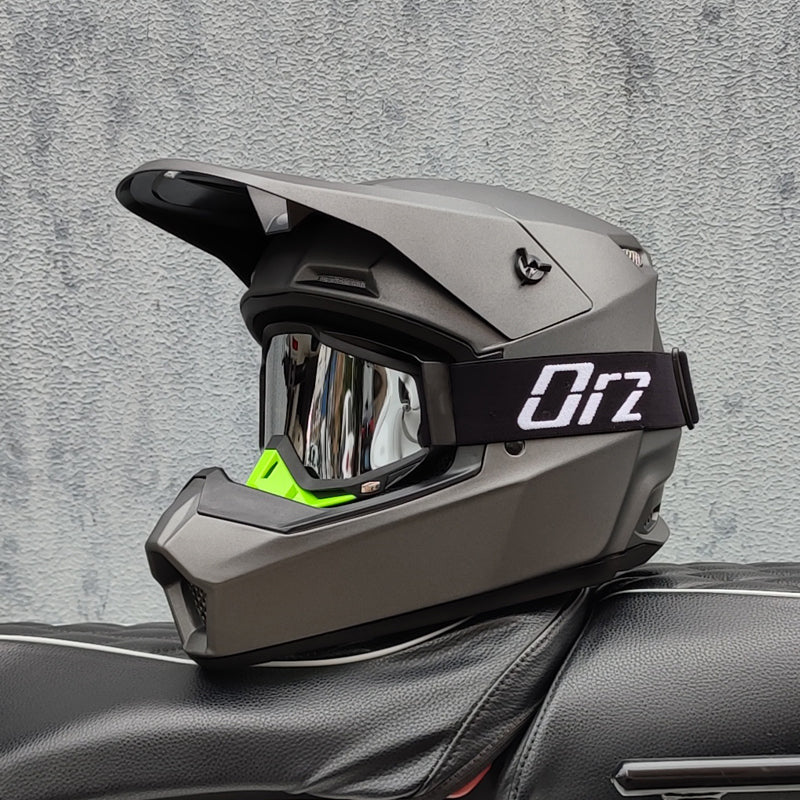
Certified helmets deliver confidence and comfort together.
Protect your ride, your confidence, and your future today.
Frequently asked questions
What safety certifications should I look for in an ATV helmet?
Choose helmets carrying recognized certifications such as DOT, ECE 22.06, or Snell. The best choice depends on your riding style, location, and desired level of protection.
Is a DOT-approved ATV helmet enough for trail riding?
DOT-certified helmets meet minimum legal standards, but many trail riders prefer ECE 22.06 because of its more comprehensive testing methods.
Is ECE 22.06 safer than DOT for ATV helmets?
ECE 22.06 includes broader laboratory testing than DOT, which is why many riders consider it an excellent all-around certification.
What does Snell certification add beyond DOT?
Snell certification applies additional independent testing that appeals to performance riders and competitive motorsports participants.
How can I tell if an ATV helmet certification label is fake?
Inspect permanent interior labels, manufacturer information, certification markings, and purchase only from trusted retailers to reduce counterfeit risks.
Does shell material matter more than certification?
No. A properly certified helmet that fits correctly is generally a better choice than focusing solely on shell material.
Should I replace a certified ATV helmet after one crash?
Yes. Any significant impact can damage the internal energy-absorbing liner even when the helmet appears undamaged externally.
Can I use a motorcycle helmet for ATV riding?
Many riders use certified motorcycle helmets for ATV riding, particularly full-face models, provided they meet applicable safety standards and are appropriate for off-road conditions.
Related Guide: Motorcycle Safety Gear: How to Choose Protection That Works













