

Do DOT certified dirt bike helmets really matter?
Yes. DOT certified dirt bike helmets matter because they meet the minimum safety requirements established by the U.S. Department of Transportation for on-road motorcycle use. A DOT approved dirt bike helmet is designed to absorb impact energy, resist penetration, and keep the retention system securely fastened during a crash, helping reduce the risk of serious head injuries.
If you ride exclusively on private motocross tracks, a DOT-certified helmet may not always be required by event organizers, as many racers use helmets certified to other competition standards. However, if you ride trails connected by public roads, commute on a dual-sport motorcycle, or regularly transition between dirt and pavement, a street legal dirt bike helmet DOT certified is typically the safest and most practical choice.
For riders asking, "Do you need DOT helmet for dirt bike riding?" the answer depends on where you ride:
- Trail riders: Recommended, especially when trails include public access roads.
- Dual-sport riders: DOT certification is generally essential for legal road use.
- Motocross racers: Follow your race organization's certification requirements, which may include standards beyond DOT.
- Recreational riders: A DOT certified helmet provides a dependable safety baseline and greater versatility.
Certification should be your starting point—not the only buying factor. After confirming DOT compliance, compare fit, ventilation, shell materials, weight, and overall comfort to choose the helmet that matches your riding style.
DOT Certified Dirt Bike Helmets for Trail and Track Use
⏱ 6 min read
Whether you're exploring wooded single-track, riding rugged backcountry trails, or connecting dirt routes with paved roads, DOT certified dirt bike helmets deliver the protection, comfort, and legal compliance many riders need. The best models combine reliable impact protection with efficient ventilation, lightweight construction, and secure chin guard coverage to reduce fatigue without sacrificing safety.
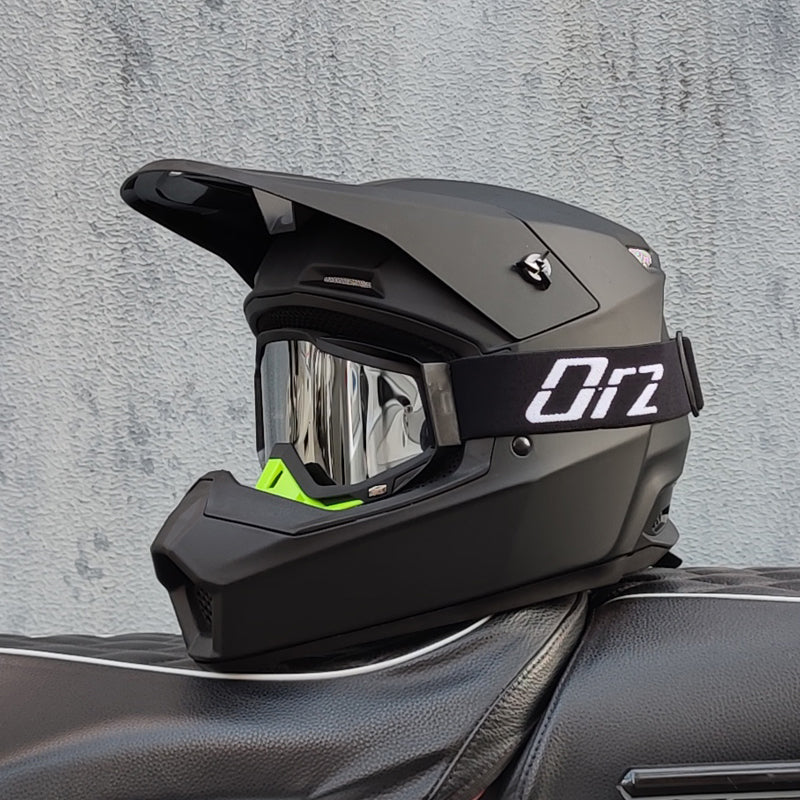
DOT certified dirt bike helmets built for trail confidence and track speed. See them in action.
What makes a helmet DOT certified?
A DOT approved dirt bike helmet complies with Federal Motor Vehicle Safety Standard (FMVSS) 218, which establishes minimum performance requirements for motorcycle helmets sold for on-road use in the United States. These DOT dirt bike helmet requirements are designed to verify that the helmet provides meaningful protection during real-world impacts.
DOT certification requirements
- Impact absorption: A multi-density EPS liner helps reduce the amount of energy transferred to the rider's head.
- Penetration resistance: The outer shell must resist sharp-object intrusion during an accident.
- Retention system strength: Chin straps and hardware must remain securely fastened under load.
- Peripheral vision: The helmet must provide an adequate field of view for rider awareness.
Unlike some independent certification programs, manufacturers self-certify their helmets as meeting DOT standards. Regulatory agencies can later purchase helmets from retailers and conduct compliance testing, making reputable brands and transparent manufacturing practices especially important.
How to verify a genuine DOT label
Not every helmet displaying a "DOT" sticker is legitimately compliant. Before buying, look for:
- A permanently attached DOT certification label.
- Manufacturer information and model identification inside the helmet.
- A production date and size label.
- Consistent build quality from a recognized manufacturer rather than generic, unbranded products.
If a helmet only has a decorative external sticker with no supporting interior labels or manufacturer information, treat its certification claims with caution.
DOT vs ECE vs Snell comparison
- DOT: Required for street-legal motorcycle helmets in the United States and focused on minimum legal safety standards.
- ECE: Widely accepted internationally and commonly found on European motorcycle helmets.
- Snell: Voluntary certification with more demanding testing protocols often favored by competitive riders and racers.
When comparing motocross helmet DOT vs Snell, remember that DOT certification supports road legality, while Snell certification is often selected for higher-performance riding or racing. Many premium helmets meet multiple standards, giving riders broader protection and flexibility.
Best DOT Certified Dirt Bike Helmets (2026 Picks)
The best DOT certified dirt bike helmet depends on your riding style, budget, and comfort preferences. Below are the helmet categories that consistently provide the strongest combination of safety, ventilation, durability, and long-term value.
Best Overall
- Excellent balance of safety, ventilation, and comfort.
- Lightweight shell with premium interior padding.
- Ideal for riders who split time between trails and dual-sport riding.
- Pros: Versatile, comfortable, dependable all-day performance.
- Cons: Higher purchase price than entry-level models.
Best Budget (Under $150)
- Durable polycarbonate shell with dependable DOT compliance.
- Comfortable for weekend trail rides and recreational use.
- Ideal for beginners and occasional riders.
- Pros: Affordable, reliable protection, good value.
- Cons: Heavier with fewer premium comfort features.
Best Mid-Range
- Improved ventilation and reduced overall weight.
- Higher-quality liners and more refined fit systems.
- Suitable for frequent trail and dual-sport riders.
- Pros: Excellent balance of price and performance.
- Cons: Limited premium materials compared with flagship models.
Best Premium
- Composite or carbon fiber shell construction.
- Advanced airflow systems for long-distance comfort.
- Often combines DOT certification with additional safety standards.
- Pros: Lowest fatigue, premium comfort, excellent durability.
- Cons: Highest cost.
Best for Trail Riding
- Prioritizes ventilation, wider eye ports, and lightweight construction.
- Designed to reduce fatigue during extended off-road rides.
- Best for riders spending long hours on technical terrain.
Best Dual-Sport & Street Legal
- DOT-compliant for public-road use.
- Suitable for riders transitioning between dirt trails and pavement.
- Offers the versatility needed from a dependable off road DOT helmet.
Quick Comparison Table: Top DOT Dirt Bike Helmets
| Helmet Type | Best For | Shell Material | Weight | Ventilation | Safety Certifications | Typical Price |
|---|---|---|---|---|---|---|
| Budget | Beginner trail riders | Polycarbonate | Moderate | Basic | DOT | Under $150 |
| Mid-Range | Trail & dual-sport riding | Composite blend | Balanced | Good | DOT | $150–$300 |
| Premium | Frequent riding & long-distance comfort | Fiberglass composite or carbon fiber | Lightweight | Advanced multi-channel | DOT + optional Snell/ECE | $300+ |
When comparing DOT certified dirt bike helmets, don't focus on weight alone. A well-balanced helmet with quality ventilation, durable shell construction, and a secure fit typically delivers better comfort over long rides than simply choosing the lightest model available.
Trail riding vs track racing needs: what actually changes?
Your riding environment determines which helmet features deserve the highest priority. While every rider benefits from certified impact protection, ventilation, visor design, and overall comfort vary depending on whether you're riding trails, racing motocross, or splitting time between dirt and pavement.
Trail riders
For trail riding dirt bike helmet safety, comfort becomes increasingly important as ride duration increases. Riders often spend several hours navigating technical terrain, making lightweight construction and efficient airflow valuable features.
- Prioritize lightweight helmets that reduce neck fatigue.
- Choose generous intake and exhaust vents for hot weather riding.
- Select moisture-wicking, removable liners for easier cleaning.
- Look for a visor that provides shade without excessive wind lift.
Motocross racers
Track riding places greater emphasis on stability during jumps, repeated impacts, and aggressive riding positions. Many racers choose helmets that meet additional competition standards depending on race regulations.
- Maximum impact management.
- Excellent helmet stability at higher speeds.
- Wide eye ports for goggles and peripheral vision.
- Shell durability suitable for repeated competitive use.
Dual-sport riders
Dual-sport riders need an off road DOT helmet that performs well on both dirt and pavement. A helmet should remain comfortable during highway speeds while still providing the ventilation and visibility needed off-road.
- DOT certification for legal street riding.
- Balanced ventilation for changing riding conditions.
- Comfortable interior for extended rides.
- Good wind stability without sacrificing off-road visibility.
If you regularly alternate between trails and public roads, a quality dual-sport helmet often provides the most practical balance between protection, comfort, and versatility.
How to choose the best DOT certified dirt bike helmet
The best DOT certified dirt bike helmet is one that fits correctly, matches your riding style, and remains comfortable throughout every ride. Certification is only the starting point—fit, construction, ventilation, and overall design determine how well a helmet performs in real-world conditions.
Fit & head shape
A properly fitted helmet should feel snug without creating painful pressure points. It should not rotate independently when you move your head, and the cheek pads should make firm contact without causing discomfort.
- Measure your head circumference before ordering.
- Compare your measurement with the manufacturer's sizing chart.
- Confirm the helmet stays secure during head movement.
- Fasten and adjust the chin strap so it remains comfortably tight.
Shell materials & EPS liner
Shell construction affects durability, weight, and rider comfort.
- Polycarbonate: Affordable and durable, making it ideal for entry-level riders.
- Fiberglass composite: Offers an excellent balance between strength and reduced weight.
- Carbon fiber: Premium option with outstanding strength-to-weight performance.
Inside the shell, a multi-density EPS liner absorbs impact energy and works together with the outer shell to improve rider protection.
Ventilation & weight
Effective ventilation helps maintain concentration by reducing heat buildup, while a lighter, well-balanced helmet minimizes strain on the neck and shoulders during long rides. Multiple intake and exhaust vents generally outperform simple vent layouts, particularly in warm climates or slow technical terrain.
Safety certifications
DOT certification provides the legal foundation for on-road riding in the United States. Riders participating in organized competition may also look for additional certifications depending on event requirements. When comparing motocross helmet DOT vs Snell, choose the certification that matches where and how you ride rather than assuming one is universally better.
Sizing guide
If you're between sizes, follow the manufacturer's sizing recommendations instead of automatically choosing the larger option. A helmet that feels slightly snug when new typically becomes more comfortable as the interior padding naturally conforms to your head over time.
Beyond protection, the right helmet improves visibility, reduces fatigue, keeps the chin guard stable over rough terrain, and helps riders stay focused during both short trail sessions and all-day adventures.
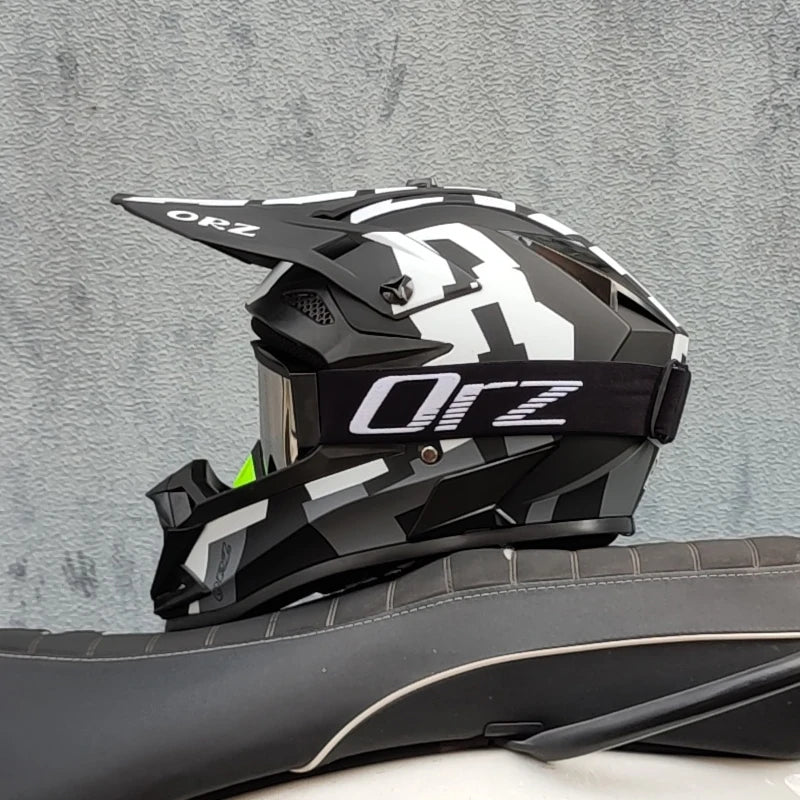
DOT approved dirt bike helmet designed for balanced airflow, secure fit, and lasting riding comfort. See it in action.
Helmet weight, ventilation, and shell material comparison
Shell material influences far more than overall weight. It also affects impact management, rider comfort, durability, and long-term fatigue. Choosing the right combination depends on how often you ride, the terrain you cover, and your budget.
Polycarbonate
Polycarbonate helmets remain the most affordable option for recreational riders and beginners. Modern designs provide dependable durability and DOT compliance while keeping costs accessible.
- Typical weight: Moderate
- Strengths: Excellent value, durable construction, affordable replacement cost.
- Considerations: Slightly heavier than premium shell materials.
- Best for: Weekend trail riding, casual dual-sport use, and new riders.
Fiberglass composite
Fiberglass composite shells offer an excellent balance between reduced weight and structural strength. Many experienced trail riders consider this the best overall value because it combines comfort with long-term durability.
- Typical weight: Light to moderate
- Strengths: Better weight distribution, improved comfort, excellent durability.
- Considerations: Higher cost than polycarbonate.
- Best for: Frequent trail riders and dual-sport enthusiasts.
Carbon fiber
Carbon fiber helmets deliver the lightest construction while maintaining exceptional strength. They are particularly beneficial for riders spending full days on technical terrain where reducing neck fatigue becomes increasingly important.
- Typical weight: Very lightweight
- Strengths: Outstanding strength-to-weight ratio, premium comfort, reduced rider fatigue.
- Considerations: Premium pricing.
- Best for: Long-distance trail riding, competitive riding, and riders seeking maximum comfort.
Regardless of shell material, efficient ventilation remains essential. Multiple intake vents combined with well-designed exhaust ports improve airflow, reduce heat buildup, and help riders stay focused during extended rides. A slightly heavier helmet with excellent balance and airflow often feels more comfortable than an ultra-light model with poor ventilation.
Riders focused on endurance often explore comfort-focused accessories and recovery tools found in the Lifestyle collection, which complements long riding days and post-ride recovery routines.
Maintenance, replacement, and helmet lifespan
Proper care helps a DOT approved dirt bike helmet maintain its comfort and protective performance throughout its service life. Regular cleaning also extends the life of removable liners, ventilation systems, and visor hardware.
- Clean the liner regularly: Wash removable interior padding according to the manufacturer's instructions and allow it to air dry completely.
- Wipe the shell gently: Use mild soap and water instead of harsh chemicals that may damage finishes or plastics.
- Keep vents clear: Remove dust and debris to maintain consistent airflow.
- Store properly: Keep the helmet in a cool, dry place away from prolonged sunlight, excessive heat, or fuel vapors.
- Inspect before every ride: Check the shell, EPS liner, visor hardware, and chin strap for signs of damage or unusual wear.
If a helmet experiences a significant impact, it should generally be replaced even if no external damage is visible. Internal EPS foam can compress during a crash and may no longer provide its original level of protection.
For helmets that have not been involved in a crash, many manufacturers recommend replacement approximately every five years of regular use, although heavy use, improper storage, or visible deterioration may justify replacing it sooner.
Are dirt bike helmets DOT certified for street use?
Not every dirt bike helmet is approved for public-road use. While many off-road helmets are designed exclusively for motocross or trail riding, a street legal dirt bike helmet DOT certified is manufactured to meet U.S. Department of Transportation safety requirements for on-road motorcycles.
If you ride a dual-sport motorcycle, connect trails using public roads, or commute between riding areas, choosing a DOT-certified helmet helps ensure both legal compliance and a verified minimum level of impact protection.
Keep these points in mind before purchasing:
- Pure motocross helmets: Some models are intended only for closed-course competition and may not carry DOT certification.
- Dual-sport helmets: Many are specifically designed to balance off-road visibility with on-road legality.
- Local regulations: Helmet laws differ by state or country, so always verify the requirements where you ride.
- Certification verification: Confirm the helmet includes proper DOT labeling and manufacturer information rather than relying on decorative "DOT" stickers.
If you regularly switch between dirt trails and paved roads, an off road DOT helmet designed for dual-sport riding provides one of the most versatile solutions.
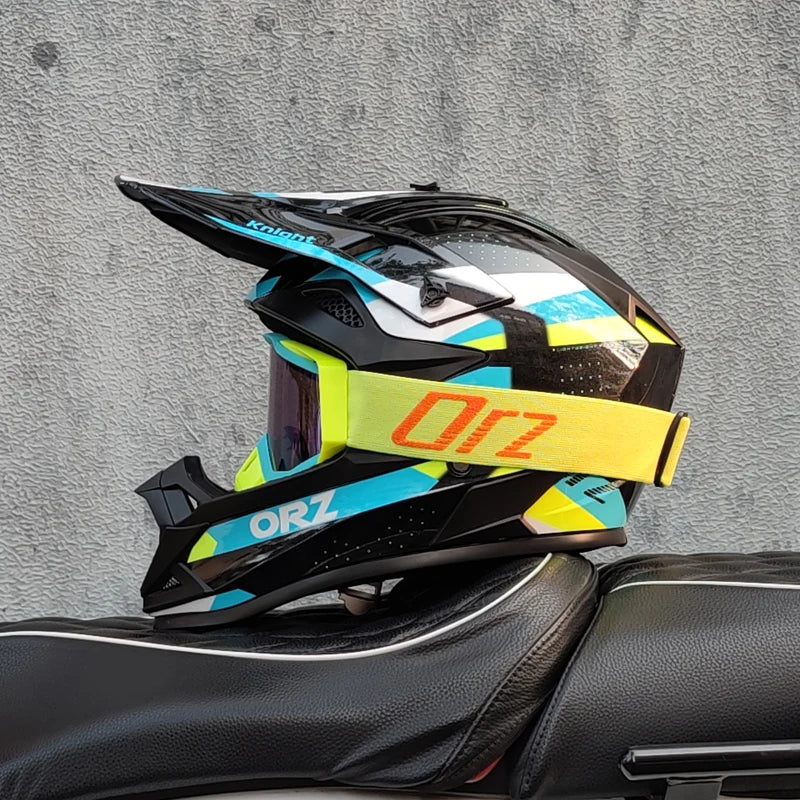
DOT-certified off-road helmet designed for confident riding on trails and street-legal dual-sport adventures. See it in action.
Frequently asked questions
Are dirt bike helmets DOT certified by default?
No. Many motocross helmets are built exclusively for off-road competition and do not carry DOT certification. Always verify the certification label if you intend to ride on public roads.
Do you need a DOT helmet for a dirt bike?
If your riding includes public streets or highways, a DOT-certified helmet is generally required by law in areas with motorcycle helmet regulations. Even for off-road riding, choosing a certified helmet provides a reliable baseline of protection.
What is the difference between DOT and Snell helmets?
DOT certification establishes the minimum legal safety standard for on-road use in the United States, while Snell certification is a voluntary standard with more demanding performance tests that many racers prefer.
Can one helmet work for both trail and track?
Yes. A quality dual-sport helmet can comfortably handle trail riding and public-road use. Riders competing in organized motocross events should also verify that their helmet meets the event's required certification standards.
How often should a helmet be replaced?
Replace your helmet immediately after a significant impact, even if no damage is visible. Otherwise, many manufacturers recommend replacement after approximately five years of regular use, depending on wear and storage conditions.
Are DOT helmets safer than non-certified motocross helmets?
DOT-certified helmets have demonstrated compliance with established safety requirements, whereas protection offered by non-certified helmets varies by manufacturer and model.
How can I tell if a helmet is truly DOT certified?
Look for permanent DOT certification markings, manufacturer identification, production information, and interior labeling. Avoid products that display only a decorative external sticker without supporting documentation.
Are DOT certified dirt bike helmets legal for highway riding?
In most U.S. jurisdictions, yes. A DOT-certified helmet is generally considered appropriate for highway use, although riders should still confirm any state-specific motorcycle helmet laws.
Can you race motocross with a DOT-only helmet?
It depends on the race organizer. Some motocross events require additional certifications such as Snell or other recognized standards, so always review the competition rulebook before racing.
What does the DOT sticker actually guarantee?
The DOT marking indicates that the manufacturer certifies the helmet meets FMVSS 218 requirements for impact attenuation, penetration resistance, retention system strength, and field of vision.
Is a Snell helmet better than a DOT helmet?
Neither certification is universally "better." DOT is essential for legal road use in the United States, while Snell provides additional voluntary testing that may appeal to competitive riders.
How do I measure my head for a dirt bike helmet?
Use a flexible measuring tape around the widest part of your head, typically about one inch above the eyebrows and ears. Compare the measurement with the manufacturer's sizing chart before purchasing.
Which shell material offers the best value?
Fiberglass composite helmets typically provide the best balance of weight, durability, comfort, and price for riders who spend significant time on trails and dual-sport routes.
What is the lightest DOT certified dirt bike helmet?
Carbon fiber models are generally the lightest DOT-certified helmets available, although exact weight varies by manufacturer, size, and included features.
Can I use one helmet for trail, street, and dual-sport riding?
Yes. A properly fitting DOT-certified dual-sport helmet is designed to perform well across mixed riding conditions, making it an excellent choice for riders who regularly transition between off-road trails and paved roads.
Related Guide: Helmet for Quad Riders: Choosing the Right Protection













