

Does a dual mode heat controller really improve comfort?
Yes. A dual mode heat controller improves comfort by combining two operating stages: rapid heating to warm the seat quickly and intelligent temperature maintenance to keep warmth consistent. Instead of supplying maximum heat continuously, the controller automatically adjusts power based on temperature feedback, reducing hot spots, minimizing unnecessary energy use, and helping create a more comfortable driving experience during both short commutes and long journeys. This guide explains how dual mode systems work, where they are used, and what features to look for when choosing a heated seat controller.
Dual Mode Heat Controller: Smart Comfort Control That Saves Energy (2026 Guide)
⏱ 6 min read
Cold seats, uneven heating, and constant temperature adjustments can make winter driving less comfortable than it should be. A dual mode heat controller solves these problems by intelligently managing heat output instead of simply switching power on and off. By combining rapid warm-up with automatic temperature regulation, the system delivers stable warmth, improves passenger comfort, helps reduce unnecessary power consumption, and supports safer long-term operation for heated seat systems.
Explore the heated car seat solution
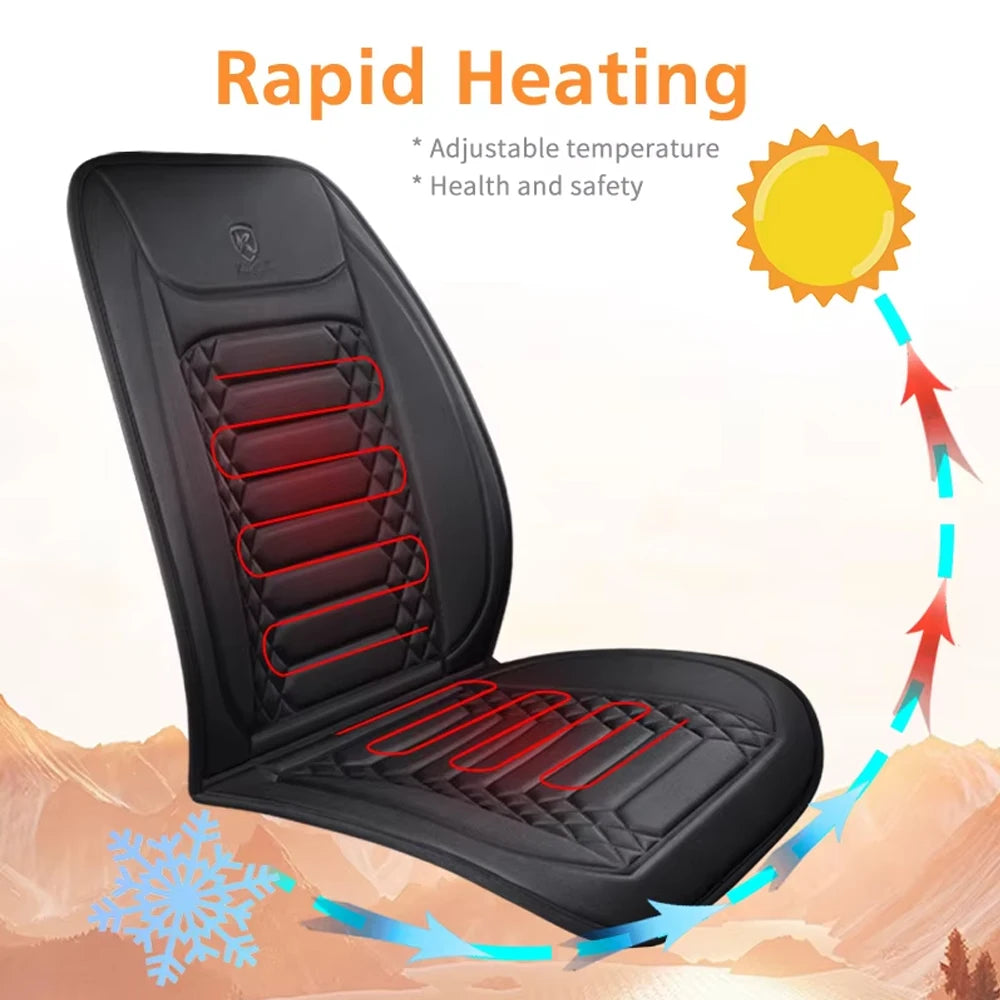
Dual mode heat controller delivering balanced warmth — See it in action
What Is a Dual Mode Heat Controller?
A dual mode heat controller is an electronic control module that manages heating elements using two distinct operating modes. The first mode delivers maximum power for rapid warm-up, while the second automatically maintains a comfortable target temperature by reducing or cycling power. This intelligent approach creates more consistent warmth than traditional manual heating systems and is widely used in modern heated seat products.
Manual vs Automatic Heat Mode
Conventional heated seat systems often rely on manual high and low settings, requiring drivers to adjust heat as conditions change. A dual mode heated seat controller automates this process. After quickly reaching the desired temperature, it continuously monitors heat levels and adjusts power output to maintain comfort with minimal user intervention.
- Factory-installed and aftermarket car heated seat systems
- Portable heated seat cushions for cars and offices
- Electric heating pads and therapeutic cushions
- Heated blankets and wearable heated clothing
- Other low-voltage personal heating devices
Because the controller automatically regulates temperature, these products can deliver more even heating while helping extend component life and improve overall energy efficiency.
Main Components of a Dual Mode Controller
Although designs vary by manufacturer, most dual mode heat controllers include the same essential components:
- Control module that manages heating output.
- Temperature sensor that continuously measures seat temperature.
- Power relay or electronic switching circuit that adjusts current supplied to the heating element.
- User control interface with heat level selection or automatic mode.
- Safety protection circuitry to help prevent overheating or electrical faults.
Together, these components enable a car seat heat controller to respond automatically to changing temperatures instead of relying solely on manual adjustments.
How a Dual Mode Heat Controller Works
A dual mode heat controller regulates heating through a continuous feedback process rather than providing constant full power. During startup, it quickly warms the seat using maximum output. Once the target temperature is reached, the controller automatically reduces power and maintains consistent warmth by responding to real-time sensor readings.
Temperature Sensors and Heat Cycling
A built-in heated seat temperature controller uses temperature sensors embedded near the heating element to monitor surface warmth. As the seat approaches the desired temperature, the controller cycles power on and off or varies output electronically. This controlled heat cycling minimizes temperature swings, prevents excessive heating, and improves comfort over extended driving periods.
Automatic Temperature Control Logic
An automatic temperature control car seat system constantly compares measured temperature with the target setting selected by the user. If the seat cools below the desired range, power increases automatically. When sufficient warmth is reached, power is reduced to maintenance mode. This closed-loop feedback system provides stable performance while helping reduce unnecessary energy consumption.
Dual Mode Heating Flow Explained
- Stage 1: High-output heating rapidly warms the seat.
- Stage 2: Sensors continuously monitor seat temperature.
- Stage 3: The controller reduces power once the target temperature is achieved.
- Stage 4: Automatic adjustments maintain consistent warmth as cabin conditions change.
This operating sequence creates a smoother heating experience than traditional single-mode controllers, reducing noticeable hot spots while maintaining comfort throughout the drive.
Control Circuit and Relay Operation
Inside the controller, electronic switching components or relays regulate current flowing to the heating elements. The control circuit receives input from temperature sensors and determines when to increase, decrease, or briefly interrupt power. This intelligent switching logic allows the dual heat controller to respond quickly to changing conditions while protecting both the heating elements and the vehicle's electrical system from unnecessary stress.
Dual Mode Heated Seat Controller in Cars
A dual mode heated seat controller is widely used in modern vehicles and premium aftermarket heated seat systems to deliver faster warm-up and more consistent comfort. By continuously monitoring seat temperature and adjusting power automatically, the controller helps maintain an even level of warmth without requiring frequent manual changes.
Dual Temperature Heated Seats
Dual temperature heated seats allow the driver and front passenger to choose individual heat settings rather than sharing a single temperature. Independent control improves comfort for occupants with different preferences and helps each seat maintain its selected temperature more accurately throughout the journey.
- Automatic temperature regulation using integrated sensors
- Multiple heat levels for personalized comfort
- Rapid warm-up mode for cold-weather driving
- Energy-saving maintenance mode after reaching target temperature
- Built-in overheat protection and fault monitoring
- Smooth temperature transitions with minimal manual adjustment
Car Seat Heat Controller Integration
A modern car seat heat controller can be integrated into factory dashboard controls, seat-mounted switches, or dedicated control panels supplied with aftermarket heated seat kits. The controller communicates with heating elements and temperature sensors to regulate output automatically while maintaining a simple user interface.
OEM vs Aftermarket Controllers
Original equipment manufacturer (OEM) controllers are designed specifically for a vehicle's electrical system and interior controls, offering seamless integration. Aftermarket dual mode heated seat controllers provide greater flexibility and are commonly included with heated seat covers or retrofit kits. When properly installed, both options can provide reliable automatic temperature regulation and enhanced winter driving comfort.
See how dual mode comfort feels
Why Dual Mode Beats Traditional Heating
Comfort Stability vs Heat Spikes
Traditional single-stage heating often cycles between feeling too hot and not warm enough because it relies on simple on/off operation. A dual mode heat controller continuously adjusts output based on real-time temperature feedback, producing steadier warmth and reducing the hot spots that can develop during extended use.
Energy Saving Heated Seat Controller Benefits
An energy saving heated seat controller reduces electrical demand by lowering power once the desired temperature has been reached. Instead of operating at full output continuously, the controller supplies only the energy required to maintain comfort. This approach can improve overall efficiency while reducing unnecessary stress on heating elements and vehicle electrical components.
Faster Warm-Up Performance
One of the biggest advantages of dual heat control car seats is rapid initial heating. Maximum output is applied during the first stage to warm the seat quickly, after which the controller automatically transitions into maintenance mode. Drivers benefit from faster comfort without sacrificing long-term temperature stability.
Automatic Temperature Control in Cars Explained
Smart Temperature Adjustment
An automatic temperature control car seat uses continuous sensor feedback to adjust heating output throughout the drive. As cabin conditions change or body heat affects the seat surface, the controller automatically compensates to maintain a consistent comfort level.
Preventing Overheating
Overheating protection is achieved by reducing power whenever sensor readings approach the programmed operating range. This automatic regulation helps prevent excessive surface temperatures, improves user comfort, and supports long-term reliability of the heated seat system.
Low Power Heat Maintenance
After the desired temperature is reached, the heated seat temperature controller enters a maintenance phase where only enough energy is supplied to offset heat loss. This minimizes unnecessary power consumption while keeping the seat comfortably warm during longer trips.
Sensor Calibration
Accurate sensor calibration is essential for consistent performance. Properly calibrated temperature sensors provide reliable feedback to the controller, allowing it to make precise heating adjustments while reducing temperature fluctuations. High-quality controllers are designed to maintain stable operation over thousands of heating cycles without requiring routine recalibration.
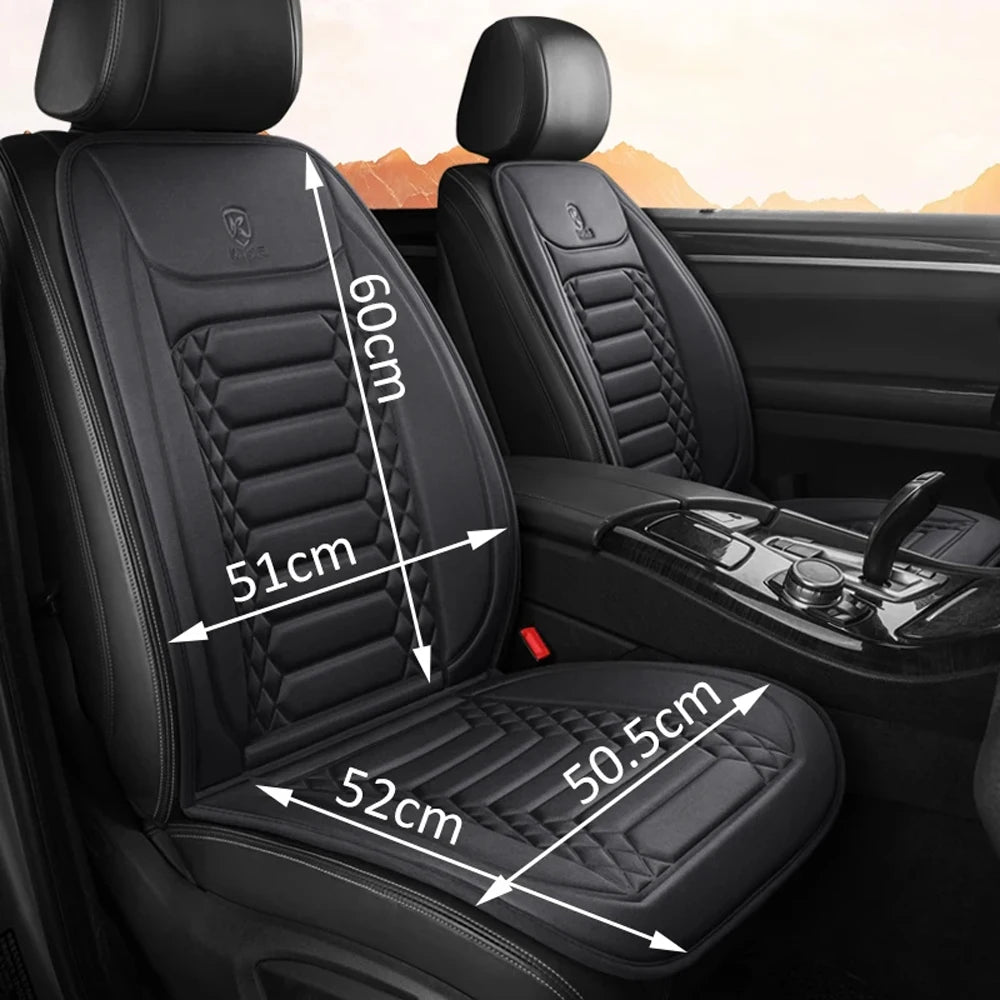
Smart heat transitions in real time — See it in action
Dual Mode vs Single Mode Heating
Feature Comparison
Although both systems generate heat using similar heating elements, the controller determines how efficiently and comfortably that heat is delivered. A dual mode heat controller actively regulates temperature, while a single-mode controller typically relies on basic manual operation.
| Feature | Single Mode Heating | Dual Mode Heating |
|---|---|---|
| Heat Control | Manual on/off operation | Automatic adaptive temperature regulation |
| Warm-Up Speed | Fixed heating output | Rapid warm-up followed by controlled maintenance |
| Comfort Consistency | Temperature can fluctuate | Stable, even warmth |
| Energy Use | Higher during extended operation | Optimized through automatic power adjustment |
| Overheat Protection | Limited depending on controller design | Typically includes temperature monitoring and protection |
| Long-Drive Comfort | May require frequent manual adjustment | Maintains consistent comfort with minimal intervention |
| Best Applications | Basic heated seat systems | Modern vehicles and premium aftermarket heated seats |
Performance Differences
The biggest difference between a single-mode controller and a dual heat controller is how each responds after the seat reaches the desired temperature. Single-mode systems often continue supplying power until manually adjusted or interrupted by a thermostat, which can create noticeable temperature swings. Dual mode controllers continuously respond to sensor feedback, delivering smoother heat transitions and a more consistent seating temperature throughout the drive.
Automatic regulation can also improve overall component longevity by reducing unnecessary high-power operation. Because heating elements spend less time operating at maximum output, wear on electrical components may be reduced over long-term use.
Which One Should You Choose?
A single-mode controller can be suitable for occasional winter driving or basic heated seat installations where simplicity is the priority. However, drivers who commute daily, travel long distances, or regularly experience cold weather typically benefit more from a dual mode heat controller. The combination of faster warm-up, stable temperature control, improved energy efficiency, and enhanced safety makes it the preferred choice for most modern heated seat systems.
Real-World Use Cases for Dual Mode Heat Controllers
Car Heated Seat Dual Mode
Automotive seating remains the most common application for dual mode heat controllers. Whether installed by the vehicle manufacturer or added through an aftermarket heated seat kit, intelligent temperature regulation helps improve comfort while reducing the need for constant manual adjustments.
Heated Pads and Cushions
Portable heated cushions and therapeutic seat pads frequently use dual mode control to provide fast initial warmth before automatically switching to a lower maintenance setting. This creates a more comfortable user experience during prolonged sitting.
Heated Clothing
Battery-powered heated jackets, vests, gloves, and other wearable heating products use similar temperature management principles to balance warmth with battery life. Intelligent power regulation allows users to remain comfortable while extending operating time between charges.
Industrial Heating Equipment
Beyond personal comfort products, dual mode heating control is also used in selected industrial and commercial equipment where maintaining a stable operating temperature is important. Applications such as process heating, equipment protection, and environmental control benefit from automatic regulation that improves efficiency while helping prevent overheating.
For readers interested in broader comfort and wellness tools, exploring the Body Care and Health Devices collection can reveal complementary solutions designed around everyday ease.
How to Use a Dual Heat Controller for Best Results
Initial Warm-Up Strategy
- Switch on the heated seat as you begin your drive.
- Allow the controller to complete its rapid warm-up cycle before making adjustments.
- Select a comfortable heat level rather than immediately choosing the maximum setting unless temperatures are extremely cold.
Automatic Mode Optimization
- Let the dual heat controller regulate temperature automatically once the seat reaches your preferred warmth.
- Avoid repeatedly changing heat settings, as automatic regulation provides the most consistent comfort.
- Use manual adjustments only if weather conditions or personal comfort requirements change significantly.
Energy-Saving Tips
- Allow the controller to remain in maintenance mode during longer drives.
- Reduce the heat setting if the vehicle cabin becomes warm from the HVAC system.
- Turn the heater off when it is no longer needed to minimize unnecessary power consumption.
Seasonal Usage Tips
- Inspect seat wiring and connectors before the start of each winter season.
- Test controller operation periodically during colder months.
- Avoid placing thick insulating cushions over heated seats, as they can reduce heating efficiency.
- Store portable heated seat covers in a dry location when not in use for extended periods.
Get yours now — limited stock!
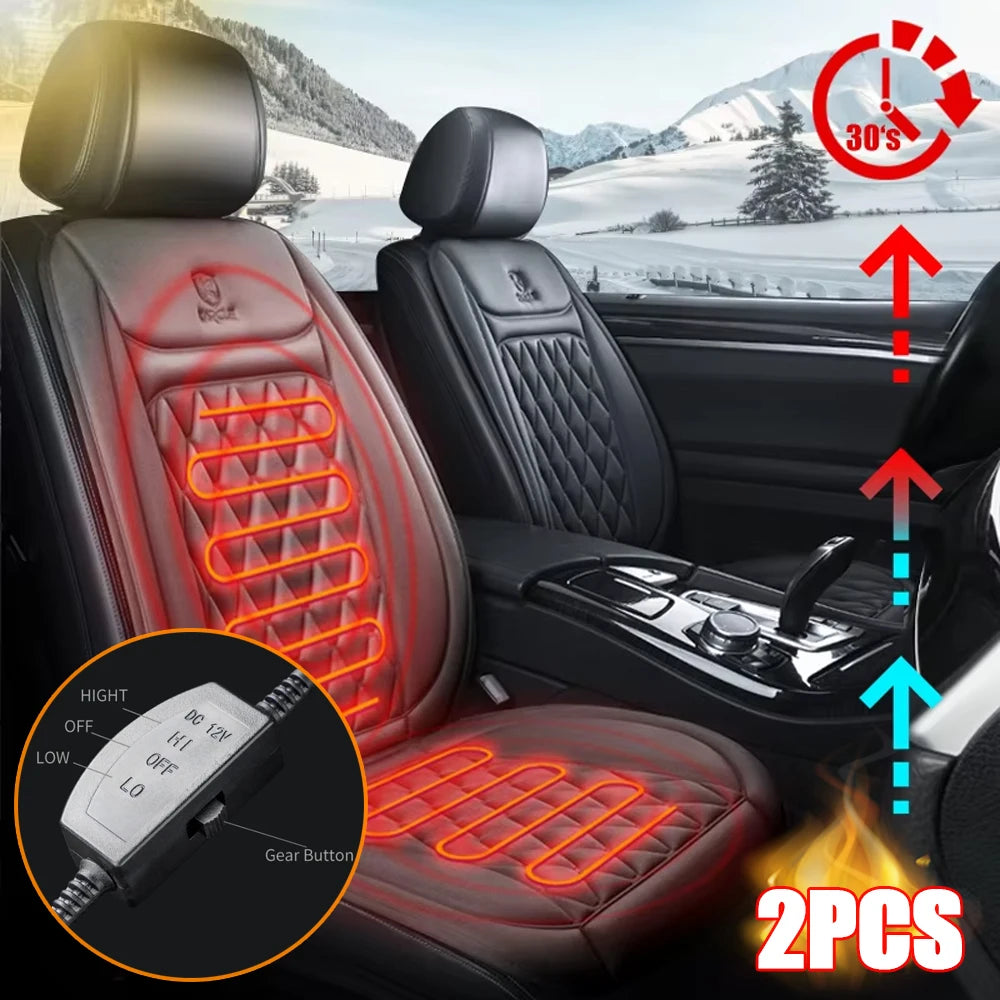
Everyday driving comfort redefined — See it in action
How to Choose the Best Car Heated Seat Controller
Essential Safety Features
The best car heated seat controller should include multiple safety mechanisms to protect both users and the vehicle's electrical system. Look for models that provide:
- Overheat protection
- Automatic shut-off under abnormal conditions
- Integrated temperature sensors
- Low-voltage protection
- Short-circuit and overload protection where available
Temperature Range
A quality controller should provide several heat levels or intelligent automatic regulation, allowing you to balance fast warm-up with comfortable long-term operation. Multiple temperature settings also improve usability in changing weather conditions.
Control Interface
A smart heated seat controller should be easy to operate while driving. Clearly labeled buttons, illuminated indicators, responsive controls, and automatic mode selection all contribute to a better user experience without distracting the driver.
Certifications and Build Quality
Choose controllers manufactured with durable wiring, quality connectors, and heat-resistant materials. Products that comply with recognized electrical safety standards and are designed for automotive environments generally provide greater reliability and longer service life.
Frequently Asked Questions
How does a dual mode heat controller work?
A dual mode heat controller begins with rapid heating, then automatically reduces or cycles power based on temperature sensor feedback to maintain consistent warmth while minimizing unnecessary energy use.
What is the difference between dual mode and single mode heat controllers?
Single-mode controllers typically provide fixed manual heating, while dual mode controllers automatically regulate temperature to improve comfort, efficiency, and long-term heating stability.
Can a dual mode heated seat controller be installed in any vehicle?
Many aftermarket controllers are compatible with a wide range of 12V vehicles when paired with suitable heated seat kits. Always verify voltage requirements, wiring compatibility, and installation instructions before purchase.
Does a dual mode controller save energy?
Yes. Because the controller reduces power after reaching the target temperature, it generally consumes less electricity than systems that operate continuously at maximum output.
Is automatic temperature control better than manual heat control?
For most drivers, automatic temperature control provides a more comfortable experience by maintaining stable warmth without frequent manual adjustments.
What safety features should a heated seat temperature controller have?
Look for temperature sensors, overheat protection, automatic shut-off, low-voltage protection, and reliable electrical components designed for automotive use.
Can one controller operate two heated seats independently?
Some dual-channel controllers support independent temperature adjustment for both front seats, while others control only a single seat. Check the product specifications before installation.
What causes a dual mode heat controller to stop heating?
Common causes include blown fuses, loose wiring connections, faulty temperature sensors, damaged heating elements, or an activated safety protection circuit. Diagnosing the electrical system systematically can help identify the source of the problem.
Related Guide: Nickel Alloy Heating Wire: Why It Heats Faster and Lasts













