

Does Ear Cleaning Without Cotton Buds Really Work?
Yes—ear cleaning without cotton buds works because it supports your ear’s natural self-cleaning system instead of disrupting it. In most cases, you don’t need to clean inside your ears at all. When needed, gentle methods like warm water, oils, or medically approved drops can safely remove excess wax without pushing it deeper or causing irritation.
How to Clean Ears Without Cotton Buds (Safe, Doctor-Approved Methods)
Cleaning your ears without cotton buds is safer, easier, and more effective than most people think. If you’re dealing with itchy ears, wax buildup, or muffled hearing, the solution isn’t digging deeper—it’s using gentle, medically recommended methods that protect your ear canal. This guide explains how to clean earwax safely at home, when to leave your ears alone, and what to avoid for long-term ear health.
⏱ 5 min read
Medically aligned guidance based on common ENT recommendations.
Explore smarter tools designed to clean without irritation and protect your hearing comfort.
Which ear cleaning method is right for you? If cotton buds leave your ears itchy or blocked, safer alternatives below can help restore comfort.
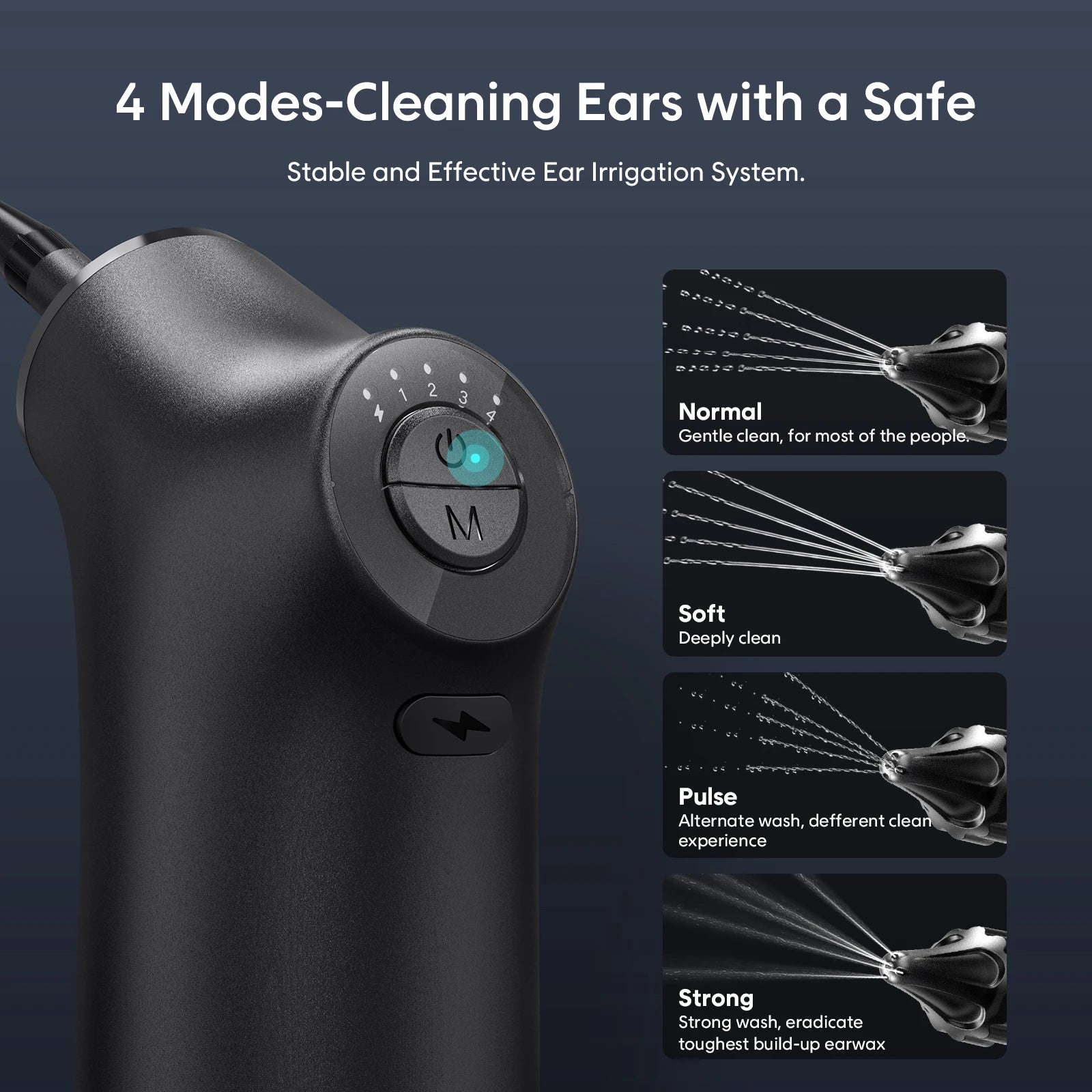
Safe ear cleaning without cotton buds — See it in action
How Your Ears Clean Themselves (Understanding Earwax)
What earwax does
Earwax (cerumen) is not dirt—it’s a protective substance that traps dust, bacteria, and debris. It also keeps the ear canal moisturized, preventing dryness and irritation.
How earwax naturally moves out of the ear
Your ears are self-cleaning. Jaw movements like talking and chewing slowly push old wax from the inner canal to the outer ear, where it naturally dries and falls away. This means most people don’t need to clean inside their ears at all.
Do You Even Need to Clean Your Ears?
Normal earwax vs impacted earwax
In most cases, earwax is completely normal and beneficial. However, you may need to clean your ears if wax becomes impacted.
Normal earwax:
- Light yellow to brown
- No discomfort
- No hearing issues
Impacted earwax symptoms:
- Fullness or blockage
- Muffled hearing
- Ear discomfort or pressure
Higher risk groups:
- Frequent earbud or hearing aid users
- People with narrow ear canals
- Those who over-clean their ears
Why You Should NOT Use Cotton Buds or Q Tips
How cotton buds push wax deeper
Cotton buds don’t remove wax effectively—they push it deeper into the ear canal, leading to compaction and blockage.
Risks of injury and infection
- Ear canal irritation or scratches
- Impacted wax buildup
- Increased infection risk
- Potential eardrum damage
Medical professionals widely advise against inserting anything into your ear canal.
Why Do Ears Itch After Cleaning?
When itching needs medical attention
Itchy ears after cleaning are usually caused by dryness or irritation—not poor hygiene.
- Over-cleaning removes protective oils
- Micro-scratches from tools cause irritation
- Dry skin increases sensitivity
See a doctor if itching includes:
- Pain or swelling
- Discharge
- Persistent symptoms
Safe Ways to Clean Ears Without Cotton Buds
Method 1: Warm water in the shower
Let warm water gently flow into the ear during a shower, then tilt your head to drain.
Method 2: Mineral oil or baby oil
Apply 2–3 drops, wait 5–10 minutes, then let it drain. Helps soften hardened wax.
Method 3: Saline or carbamide peroxide drops
These break down wax safely when used as directed. Avoid overuse.
Method 4: Bulb syringe irrigation (when appropriate)
Use gentle, low-pressure water to flush softened wax. Only for healthy ears.
Method 5: Clean only the outer ear
Use a soft cloth to wipe visible wax—never insert anything into the canal.
Discover tools that make gentle ear care simple and stress-free.
How to Clean Earwax at Home Safely
Who should avoid home earwax removal
Avoid home cleaning if you have ear tubes, a perforated eardrum, or recent ear surgery.
- Soften wax with oil or drops
- Wait 5–10 minutes
- Rinse gently (if appropriate)
- Tilt head to drain
- Dry outer ear
Stop if you feel pain or dizziness.
What NOT to Do When Cleaning Your Ears
- Do not use cotton buds inside the ear
- Avoid sharp objects (tweezers, pins)
- Do not over-clean
- Avoid ear candles
- Do not use high-pressure water
When You Should Not Irrigate Your Ears
- Perforated eardrum
- Ear tubes
- Recent ear surgery
- Active ear infection
When to See a Doctor for Earwax Removal
- Persistent pain
- Hearing loss
- Dizziness or ringing
- Signs of infection
A professional can safely remove wax using specialized tools.
Natural Earwax Removal: What Works vs What Is a Myth
Evidence-based comparison
What works:
- Warm water rinsing
- Natural oils
- Ear drops
What doesn’t:
- Ear candling
- Inserting objects
- Unregulated suction tools
Gentle Daily Habits That Keep Your Ears Healthy
Tips for hearing aid and earbud users
- Let ears self-clean naturally
- Dry ears after water exposure
- Clean earbuds regularly
- Limit use if irritation occurs
Ear-Cleaning Tools: Which Ones Are Safe?
Drops
Effective for softening wax.
Bulb syringe
Safe when used gently.
Irrigation systems
Devices like the KentDO Electric Ear Cleaner provide controlled water flow for safe at-home use.
What to avoid
Sharp tools, metal picks, and unregulated suction devices.
Explore more options in Body Care and Health Devices .
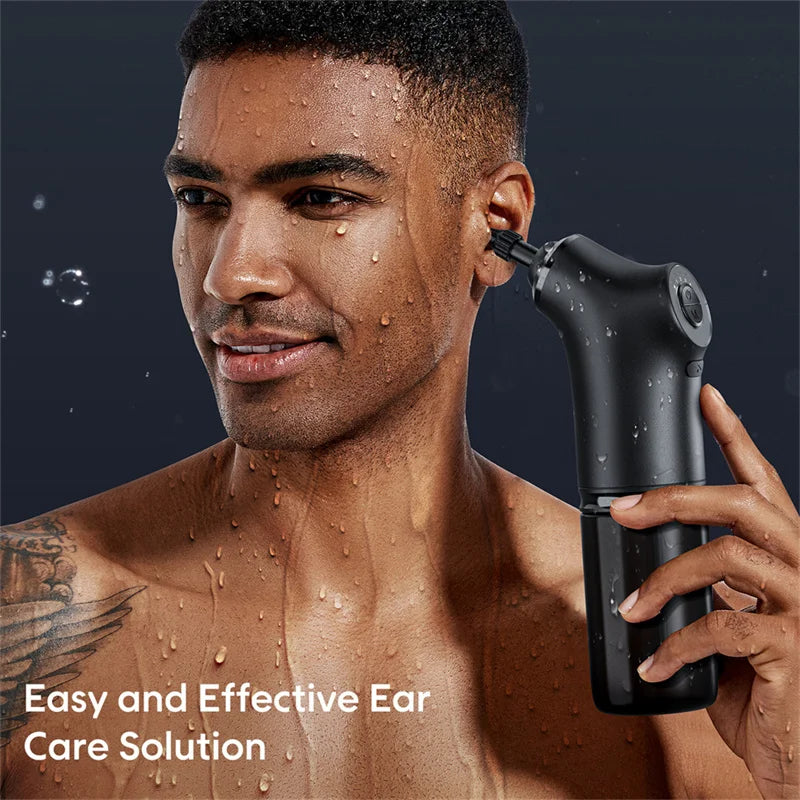
Gentle ear cleaning tools — See it in action
Frequently Asked Questions
How do you clean your ears without Q tips?
Use warm water, oils, or ear drops. Clean only the outer ear.
What is the safest way to remove earwax at home?
Softening wax with oil followed by gentle rinsing is considered safe for most people.
Can you use hydrogen peroxide or carbamide peroxide drops?
Yes, when used occasionally and as directed. Avoid frequent use.
Is ear irrigation safe for everyone?
No—avoid if you have ear conditions like a perforated eardrum.
How can you tell if earwax is impacted?
Symptoms include blockage, muffled hearing, and pressure.
Why do ears itch after cleaning?
Usually due to dryness or irritation from over-cleaning.
How often should you clean your ears?
Once a week or less is usually enough.
When should you see a doctor instead of cleaning at home?
If symptoms persist or worsen, seek professional care.
Related Guide: Gentle Water Ear Cleaning for Sensitive and Dry Ear Canals
Experience itch-free ears in minutes with the KentDO Electric Ear Cleaner.













