Best Ear Warmer Headband for Glasses Wearers: Comfort, Fit & Cold-Weather Picks
Find the best ear warmer headband for glasses wearers who want reliable warmth without painful pressure behind the ears. The right design helps retain heat, stay secure during movement, and fit comfortably with different eyewear styles in cold weather.
Does an Ear Headband Warmer Really Work for Glasses Wearers?
Yes, an ear headband warmer can work well with glasses when it is designed around comfort, flexibility, and pressure reduction. The best ear warmer for glasses wearers does not compete with your frames—it works alongside them by providing warmth around the ears without creating uncomfortable pressure where glasses temple arms already sit.
A quality ear headband warmer helps protect exposed ears from cold air while maintaining a lightweight fit. Instead of covering the entire head like some winter hats, it focuses insulation where it is needed most, making it a practical choice for people who wear prescription glasses, sunglasses, or sports eyewear.
How ear warmers interact with glasses arms
Glasses naturally rest along the sides of your head, with the temple arms positioned directly behind the ears. When a winter headband is too tight, bulky, or poorly shaped, it can push the glasses arms into the skin and create pressure points.
A glasses-friendly ear warmer headband uses softer materials, flexible stretch, and thoughtful positioning to distribute pressure more evenly. This allows the headband and glasses to sit together instead of forcing one accessory against the other.
Why ear warmers become uncomfortable with glasses
Not every ear warmer is designed for eyewear compatibility. Discomfort usually happens when the headband adds extra pressure in the same areas already occupied by glasses frames.
- Excessively tight elastic that squeezes behind the ears
- Thick seams or stiff materials that rub against glasses arms
- Too much bulk that pushes frames forward or changes their position
- Poor grip that causes frequent adjustments throughout the day
Choosing a low-profile, soft, and flexible ear warmer can significantly improve comfort during extended outdoor use.
Common pain points behind the ears & how to avoid them
- Pressure from tight bands: Look for stretch materials that hold securely without compressing the sides of your head.
- Friction near glasses arms: Flat seams and smooth inner fabrics help reduce irritation.
- Unstable positioning: A balanced fit prevents constant repositioning while walking, commuting, or exercising.
The goal is not maximum tightness—it is comfortable stability. The best ear warmer headband for glasses wearers should feel secure while allowing both your eyewear and winter protection to work naturally together.
Ear Headband Warmer for Thick Hair and Glasses Wearers
Cold weather should not force you to choose between warm ears, comfortable glasses, and maintaining your hairstyle. Many winter accessories create new problems by flattening thick hair or pressing tightly against eyewear. An ear headband warmer provides targeted ear protection while keeping a lighter, more flexible feel around the head.
For people with thick, curly, or textured hair, the right winter ear warmer headband offers warmth without the heavy compression of a full winter hat. For glasses wearers, it provides another advantage: less bulk around the areas where frames already create contact.
⏱ 7 min read
Discover how this ear headband warmer fits real life

Targeted warmth without bulk — see how this ear warmer winter headband works in real conditions
Why Do Ears Hurt in Cold Wind So Quickly?
Ears often become uncomfortable quickly in cold weather because they have thin skin, limited natural insulation, and high exposure to wind. Unlike other parts of the body that benefit from thicker layers of fat or muscle, ears lose heat rapidly when temperatures drop.
A winter headband ear protection solution helps create a barrier between sensitive ear tissue and cold airflow. By covering the ears while allowing heat retention and breathability, an ear headband warmer can make outdoor activities more comfortable.
Cold exposure and sensitivity factors
- Thin skin: Ears have less insulation, making them more vulnerable to temperature changes.
- Wind chill: Moving air removes heat faster and increases the sensation of cold.
- Reduced circulation: Cold temperatures can make ears feel stiff, numb, or painful.
How headbands reduce wind chill
A winter ear warmer headband reduces direct exposure to cold air by creating a warm layer around the ears. This targeted coverage is especially useful for activities where full hats may feel too warm, bulky, or incompatible with glasses.
For extremely cold conditions, an ear warmer can be combined with additional winter gear such as a hood, hat, or other insulated accessories for increased protection.
Best Ear Warmer Headbands for Glasses (Top Picks)
Best Overall
The best overall ear warmer headband for glasses balances warmth, comfort, and everyday versatility. Look for soft fleece lining, flexible stretch, and low-pressure construction that works for commuting, walking, and daily outdoor use.
Best for Running
Runners benefit from lightweight ear warmers made with breathable and moisture-managing fabrics. A secure but flexible fit helps prevent slipping while allowing heat and sweat to escape during workouts.
Best for Thick Hair
The best ear warmer headband for thick hair should provide enough stretch to hold comfortably without flattening natural volume. Wider designs often distribute pressure more evenly and work well with ponytails, buns, or loose hairstyles.
Best for Skiing
Skiers need stronger wind protection and reliable coverage under helmets. A slim, insulating ear warmer can provide extra warmth while avoiding excessive bulk that interferes with helmet fit.
Best Budget Option
A budget-friendly ear warmer can still provide dependable cold-weather comfort when it includes essential features such as soft fabric, reasonable stretch, and a shape that works with glasses.
Comparison Table: Ear Warmer Headbands for Glasses Wearers
| Type | Best For | Key Feature | Glasses Friendly |
|---|---|---|---|
| Fleece Headband | Daily wear | Soft insulation and comfortable warmth | Yes |
| Lightweight Sports Band | Running/cycling | Breathable fabric and sweat management | Yes |
| Wide Winter Headband | Cold weather and extra coverage | More insulation around ears | Moderate |
Glasses Compatibility Explained: What Makes a Headband Comfortable?
Choosing the right ear warmer headband for glasses is mainly about reducing pressure, improving fit, and allowing both accessories to work together naturally. Since glasses temple arms already rest behind the ears, a comfortable winter headband should avoid adding unnecessary compression in the same area.
Pressure-free design
The best ear warmer for glasses wearers uses a flexible structure that provides warmth without squeezing the sides of the head. A pressure-free design helps prevent discomfort around the temples and behind the ears, making it easier to wear glasses and ear protection together for longer periods.
Instead of relying on a tight fit to stay secure, a well-designed ear headband warmer balances stretch, coverage, and comfort. This allows the band to stay in place while reducing stress on sensitive areas where eyewear contacts the skin.
Seam placement and padding
Seams and interior textures can make a significant difference in long-term comfort. Thick stitching or rough materials positioned near glasses arms may create friction, especially during extended outdoor use.
Look for soft interior linings, smooth fabric transitions, and low-profile seams. These details help reduce irritation while maintaining warmth and making the headband easier to wear with prescription glasses, sunglasses, or sports frames.
Anti-slip vs tight-fit balance
A common mistake is choosing a headband that is too tight because it feels more secure at first. However, excessive tension can increase pressure behind the ears and make glasses uncomfortable.
A better fit stays stable through movement without creating a clamping sensation. The ideal ear warmer headband provides enough grip for walking, commuting, or outdoor activities while allowing your glasses to maintain their natural position.
Helmet compatibility
For cycling, skiing, and other winter activities, helmet compatibility is an important consideration. A bulky ear warmer may interfere with helmet fit, while a slim, flexible design can provide extra ear protection without creating uncomfortable pressure.
When wearing an ear warmer under a helmet, choose a lightweight style with minimal thickness around the sides of the head. This helps maintain proper helmet positioning while adding warmth and wind protection.
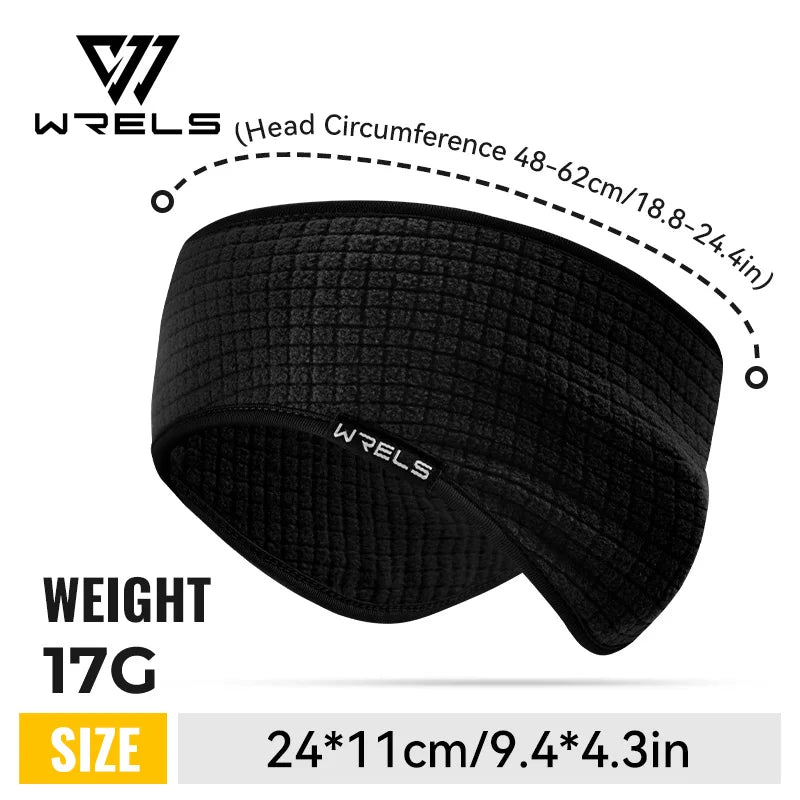
Glasses-friendly design that cushions without squeezing — see it in action
Buying Guide: How to Choose the Best Ear Warmer Headband for Glasses
Selecting the right ear warmer headband for glasses requires more than choosing the warmest option available. The best design should balance insulation, comfort, fit, and durability while avoiding unnecessary pressure around your eyewear.
Material and breathability
Material plays a major role in warmth and everyday comfort. Soft fleece is a popular choice because it provides reliable insulation while feeling gentle against the skin. Moisture-wicking synthetic fabrics are useful for active wear because they help manage sweat during running, cycling, or other outdoor activities.
A good winter ear warmer headband should trap enough heat to protect your ears while still allowing airflow. Overly thick or non-breathable materials may cause overheating during movement.
Stretch and elasticity
Flexible stretch materials help an ear warmer adjust to different head sizes, hairstyles, and wearing preferences without creating excessive pressure. This is especially important for glasses wearers because tight elasticity can push frames into sensitive areas behind the ears.
For those looking for an ear warmer for thick hair, extra flexibility allows the band to fit comfortably over fuller hairstyles without slipping or flattening natural volume.
Thickness vs comfort trade-off
More insulation does not always mean better comfort. Thicker ear warmers can provide additional warmth in colder conditions, but extra bulk may interfere with glasses positioning or create pressure points.
The ideal winter ear warmer headband offers enough coverage for your climate while maintaining a low-profile fit around the sides of the head. For everyday use, a balanced design is often more comfortable than the thickest available option.
Compatibility with eyewear styles
Consider the type of glasses you wear before choosing a headband. Full-frame glasses, thin metal frames, sunglasses, and sports glasses may all interact differently with an ear warmer.
A glasses-compatible design should leave enough flexibility around the temple area so frames remain stable without being pushed forward or squeezed against the skin.
Sizing and fit guide
The right size should feel secure without requiring constant adjustment. A properly fitted ear warmer headband should cover the ears completely, stay in place during movement, and avoid creating tight pressure points.
- Choose a wider band if you need more ear coverage or have thicker hair.
- Select a flexible fit if you frequently switch between glasses styles.
- Avoid sizes that feel tight immediately, as pressure often increases during longer wear.
- Test the fit with your glasses on to ensure both accessories work comfortably together.
How to Wear an Ear Warmer Headband with Glasses
Step-by-step wearing tips
- Position the headband over your ears so the warmest section covers the ear area without sitting too high on the crown.
- Adjust your hair first, especially if you have thick or textured hair, before placing the band for a stable fit.
- Put on your glasses and check that the temple arms rest naturally without being pressed tightly against your head.
Adjusting for glasses alignment
Small positioning changes can make a major difference in comfort. Move the ear warmer slightly forward or backward until the headband and glasses stop competing for the same pressure points.
The goal is a natural fit where the glasses stay aligned and the ear warmer provides warmth without shifting your frames.
Comfort tips for thick hair
- Place the band over your hair rather than forcing it tightly underneath.
- Spread thicker sections of hair evenly to prevent uneven pressure.
- Adjust after wearing it for several minutes to find the most comfortable position.
Ear Warmer Headband Comfort Tips for Glasses Wearers
- Choose wider bands to distribute pressure more evenly around the ears.
- Avoid overly tight elastic materials that can push glasses arms into the skin.
- Adjust glasses slightly higher or lower if friction develops behind the ears.
- Look for flat seams and soft inner fabrics near areas where glasses make contact.
These small adjustments can significantly improve comfort during long outdoor activities, commuting, and everyday winter wear.
Use Cases: Running, Cycling, Skiing, and Daily Wear
- Running: Lightweight, breathable ear warmer headbands help manage sweat while keeping ears protected from cold air during workouts.
- Cycling: Wind-resistant materials provide important ear protection at higher speeds, where wind chill becomes more noticeable.
- Skiing: Slim insulated designs can add warmth while remaining comfortable under a ski helmet.
- Daily wear: Soft, casual winter ear warmer headbands work well for commuting, walking, travel, and outdoor errands.
Ear Headband Warmer vs Hats and Earmuffs
Choosing between an ear headband warmer, winter hat, and earmuffs depends on your priorities for warmth, comfort, and how well the accessory works with glasses. For many glasses wearers, an ear headband warmer offers a practical balance because it protects exposed ears without adding unnecessary bulk around the sides of the head.
| Feature | Ear Headband Warmer | Winter Hat | Earmuffs |
|---|---|---|---|
| Glasses comfort | High — low-profile designs reduce pressure around temple arms | Low–Medium — thicker materials may push against glasses | Medium — depends on frame shape and padding |
| Works with thick hair | Yes — flexible bands accommodate more volume | Often challenging — can flatten or shift hairstyles | Yes — generally avoids pressure on the crown |
| Cold wind protection | Yes — targeted ear coverage reduces wind exposure | Yes — provides broader head coverage | Yes — protects ears directly |
| Bulk and portability | Low — easy to store and carry | Higher — takes more space and covers more of the head | Medium — can be less compact depending on design |
| Activity compatibility | Good for walking, running, cycling, and commuting | Best for general cold-weather use | Good for casual outdoor wear |
For people who wear glasses, maintain thick hair, or prefer lightweight winter gear, an ear headband warmer is often the most versatile choice. It provides focused warmth while allowing better freedom of movement compared with bulkier alternatives.
Get yours now — limited winter availability
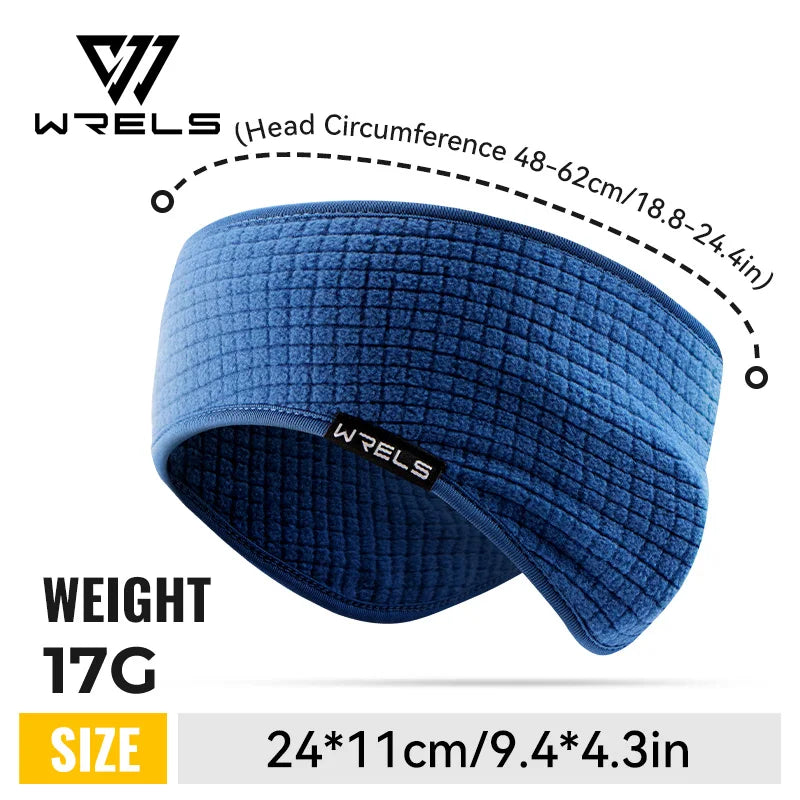
A winter ear warmer that fits real life — see how it completes your cold-weather routine
Frequently Asked Questions
Do ear warmers work with glasses?
Yes. A properly designed ear warmer headband can work comfortably with glasses by reducing pressure around the temple area. The best options use flexible materials, smooth seams, and a balanced fit that allows glasses frames to sit naturally.
How do you wear an ear warmer headband with glasses without pain?
Place the ear warmer over your ears first, then adjust your glasses so the temple arms are not pressed tightly against the band. Avoid overly tight fits and reposition the headband slightly if you feel pressure behind your ears.
What is the best ear warmer for glasses wearers?
The best ear warmer for glasses wearers is one that combines soft insulation, comfortable stretch, low-profile construction, and enough flexibility to work with your specific eyewear style.
Which ear warmer works best for thick hair?
An ear warmer headband for thick hair should have enough elasticity and width to hold comfortably without flattening volume. Flexible fabrics and secure but gentle grip help accommodate fuller hairstyles.
Can ear warmer headbands be worn under a ski or bike helmet?
Yes, many slim ear warmer designs can be worn under helmets. Choose a lightweight style with minimal bulk around the ears to maintain proper helmet positioning and comfort.
Are ear warmer headbands warm enough for freezing weather?
Ear warmer headbands provide effective protection for mild to moderately cold conditions by covering exposed ears and reducing wind exposure. In freezing temperatures, they can be layered with additional winter protection such as a hat, hood, or other cold-weather gear.
How should I wash a fleece ear warmer headband?
Follow the care instructions for the specific fabric. In general, gentle washing with mild detergent and air drying helps protect fleece softness, elasticity, and shape over time.
Common Mistakes When Using Ear Warmers with Glasses
- Choosing an overly tight headband: Excessive compression can increase pressure behind the ears and make glasses uncomfortable.
- Ignoring seam placement: Rough seams near glasses arms may create friction during extended wear.
- Selecting the wrong material: Heavy or stiff fabrics may reduce comfort and flexibility.
- Using an incompatible style with your glasses: Larger frames may require a softer, more adaptable design.
- Skipping proper positioning: Small adjustments can improve both warmth and eyewear stability.
Using the right fit, material, and positioning helps ensure an ear warmer headband provides reliable warmth while remaining comfortable with glasses throughout the cold season.
Related Guide: Winter Ear Coverings for Sensitive Ears and Active Lifestyles