

Ear Warmers Under Helmet: Best Low-Profile Options for Cycling, Running & Skiing
Cold ears can quickly turn an enjoyable winter ride, run, or day on the slopes into an uncomfortable experience. Bulky beanies often create pressure points beneath helmets, trap excess heat, and shift during movement, reducing both comfort and focus. In contrast, modern ear warmers headband under helmet designs provide targeted insulation with a slim profile that works naturally with cycling, ski, climbing, and running helmets. By combining wind resistance, moisture management, and stretch fabrics, today's lightweight ear warmers help keep your ears warm without compromising helmet fit or performance.
Whether you're searching for thin ear warmers for cycling helmet use, lightweight running headbands, or low-profile winter ear protection for skiing, choosing the right design can make long cold-weather sessions noticeably more comfortable while reducing wind chill and distracting adjustments.
Explore practical options designed for comfort, stability, and weather adaptability.
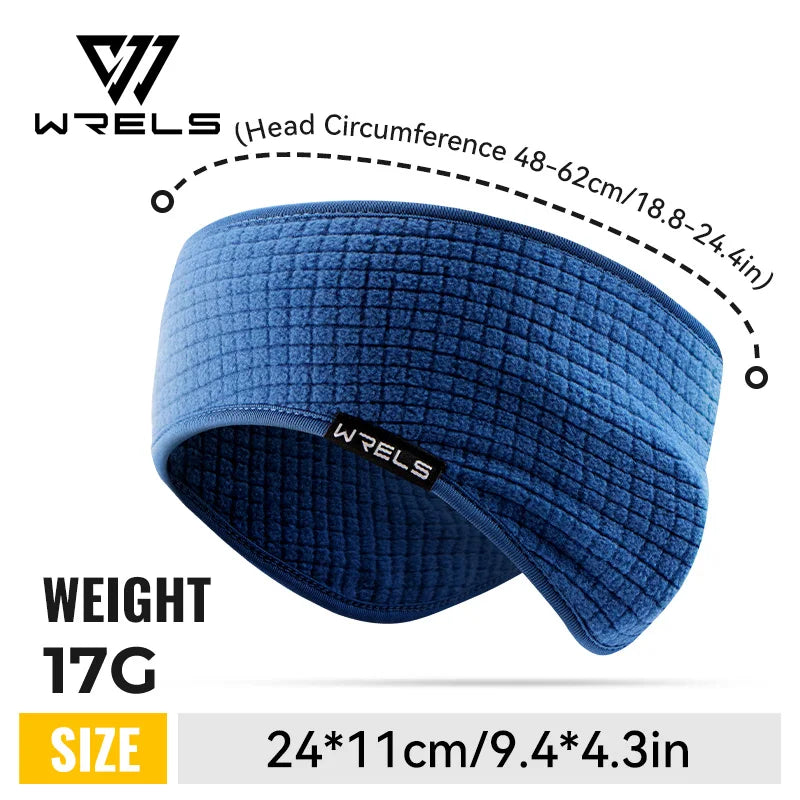
Lightweight ear warmers headband under helmet delivering cycling ear covers and running ear warmers performance. See it in action.
Why Low-Bulk Ear Protection Improves Winter Comfort and Performance
Low-profile ear warmers are designed to solve one of the biggest frustrations of winter sports: staying warm without affecting helmet comfort. Unlike thick knit hats that can alter helmet positioning or create uncomfortable pressure, streamlined ear warmers fit smoothly beneath most helmets while insulating the ears against cold wind.
Need light protection for cool mornings or maximum insulation for freezing rides? Understanding how different designs perform makes choosing the right option much easier.
Cold air becomes increasingly uncomfortable as speed increases. Cyclists experience stronger wind chill, skiers face sustained exposure on lifts and descents, while runners often deal with sweat cooling rapidly against exposed skin. A helmet-compatible ear warmer creates an insulating barrier that blocks wind yet allows excess heat and moisture to escape during intense activity.
Why Athletes Prefer Low-Profile Ear Warmers
- Reduce pressure points caused by bulky winter hats under helmets.
- Maintain a consistent helmet fit without compromising stability.
- Wick away perspiration to minimize sweat-related chills.
- Stay securely positioned during riding, running, skiing, and hiking.
- Require fewer mid-session adjustments, helping maintain focus.
For many endurance athletes, switching to a lightweight helmet-compatible headband provides a noticeable improvement in overall comfort, particularly during long winter workouts where consistent temperature regulation becomes increasingly important.
| Feature | Bulky Winter Hat | Low-Profile Ear Warmers Under Helmet |
|---|---|---|
| Helmet Compatibility | Often changes helmet fit and creates pressure | Designed to fit comfortably beneath cycling, running, ski, and climbing helmets |
| Moisture Management | Can retain sweat | Performance fabrics efficiently wick moisture |
| Stability During Movement | May shift or bunch up | Stretch construction stays securely in place |
| Temperature Regulation | May become excessively warm | Balances insulation with breathability for active use |
How to Choose the Best Ear Warmers Under Helmet
The best ear warmers under helmet balance warmth, breathability, and a low-profile fit that doesn't interfere with helmet safety or comfort. Instead of focusing only on insulation, consider how the headband performs during your preferred activity, the temperatures you typically ride or run in, and how well it stays in place throughout long sessions. A quality design should provide dependable winter ear protection under helmet use while remaining comfortable enough to forget you're wearing it.
Key Features That Improve Fit, Protection, and Helmet Compatibility
- Low-profile construction that fits beneath snug cycling, ski, or climbing helmets without creating pressure points.
- Thermal fleece or brushed lining for efficient insulation in cold weather.
- Wind-resistant exterior panels that reduce wind chill during high-speed rides or descents.
- Four-way stretch fabrics that conform naturally to different head shapes while maintaining a secure fit.
- Breathable moisture-wicking zones that help prevent sweat buildup during high-output activities.
- Flatlock seams or seamless construction to minimize rubbing beneath helmets.
Materials, Breathability, and Windproof Ratings Explained
Material selection has a significant impact on comfort. Micro-fleece offers excellent warmth for colder conditions, while lightweight polyester blends dry quickly after intense workouts. Windproof panels positioned over the ears provide additional protection against cold airflow without requiring a thicker overall design. Stretch fibers improve fit and reduce bunching, allowing the headband to remain stable beneath helmets.
If you regularly alternate between commuting, road cycling, trail running, or skiing, choosing a lightweight design with balanced insulation generally provides the greatest versatility across changing winter temperatures.
Products like the ear warmers headband under helmet combine low-bulk construction, moisture management, and flexible fabrics to provide dependable comfort while maintaining a streamlined profile beneath most sports helmets.
Discover practical tips for balancing warmth and breathability during outdoor workouts.
Best Ear Warmers for Different Helmets and Activities
The ideal ear warmer depends on how you train. Activities with higher wind exposure benefit from stronger wind protection, while high-intensity sports often prioritize breathability and lightweight comfort. Matching the headband to your primary activity helps maximize warmth without sacrificing performance.
Best for Cycling Helmets
Cyclists experience substantial wind chill even on moderately cold days. Thin, wind-resistant headbands fit comfortably beneath road, gravel, and mountain bike helmets while maintaining ventilation.
- Ultra-thin construction minimizes helmet pressure.
- Windproof ear panels reduce cold-air exposure.
- Moisture-wicking fabrics prevent sweat from cooling against the skin.
- Ideal for road cycling, commuting, and gravel riding.
Best for Running
Runners generate considerable body heat, making breathability just as important as insulation. Lightweight ear warmers help maintain a comfortable temperature without causing overheating during sustained efforts.
- Lightweight performance fabrics.
- Excellent airflow for changing workout intensity.
- Stretch fit that stays secure without frequent adjustment.
- Reflective details are useful for early morning or evening runs.
Best for Skiing & Snow Sports
Skiers and snowboarders typically spend longer periods in freezing temperatures and stronger winds. Slightly thicker insulation paired with windproof materials provides better protection without interfering with ski helmet fit.
- Enhanced insulation for prolonged cold exposure.
- Wind-resistant outer layer.
- Compatible with ski helmets and goggles.
- Comfortable during lift rides and downhill descents.
Quick Comparison Table
| Ear Warmer Style | Best For | Thickness | Warmth | Breathability | Ideal User |
|---|---|---|---|---|---|
| Ultra-Thin Thermal Headband | Running and mild winter rides | Very Thin | Moderate | Excellent | High-intensity athletes |
| Windproof Performance Headband | Cycling and commuting | Thin | High | Very Good | Road and gravel cyclists |
| Fleece-Lined Hybrid Headband | Skiing and cold endurance sessions | Medium | Very High | Good | Skiers and cold-weather outdoor enthusiasts |
Materials, Warmth and Breathability Compared
The material used in an ear warmer has a greater impact on comfort than thickness alone. Modern performance fabrics are engineered to retain enough heat around the ears while allowing excess moisture and body heat to escape. Choosing the right material for your climate and activity helps prevent both cold-related discomfort and overheating during long winter sessions.
Fleece
Micro-fleece remains one of the most popular choices for cold-weather sports because it provides excellent insulation without excessive weight. It feels soft against the skin, dries relatively quickly, and performs well for cycling, hiking, skiing, and everyday commuting in cold conditions.
- Excellent warmth-to-weight ratio
- Soft and comfortable for extended wear
- Suitable for temperatures below freezing
- Best for moderate to low-intensity activities
Merino Wool
Merino wool naturally regulates temperature while resisting odors, making it an excellent option for multi-day adventures or long outdoor workouts. It remains warm even when slightly damp and provides impressive breathability across changing weather conditions.
- Natural moisture management
- Excellent odor resistance
- Comfortable across a wide temperature range
- Ideal for endurance sports and variable conditions
Polyester Blends
Technical polyester blends are widely used in lightweight ear warmers for helmet use because they dry quickly and efficiently move sweat away from the skin. These fabrics are especially popular for high-output activities where overheating can become a concern.
- Fast drying performance
- Lightweight construction
- Excellent moisture-wicking capability
- Well suited to running and fast-paced cycling
Windproof Membranes
Some helmet-compatible ear warmers incorporate wind-resistant membranes over the ears while keeping the rest of the headband breathable. This design reduces wind chill without requiring additional bulk, making it particularly effective for road cycling, skiing, and motorcycle commuting.
- Blocks cold wind effectively
- Maintains a slim profile under helmets
- Improves comfort at higher speeds
- Best for exposed and windy environments
How to Wear Ear Warmers Under Different Helmets
Correct Positioning
- Place the headband so it fully covers both ears while sitting flat against your head.
- Keep the front edge just above the eyebrows to avoid obstructing vision.
- Smooth out wrinkles before putting on your helmet to prevent pressure points.
- Check that the ear warmer remains centered after fastening the helmet.
Avoiding Pressure Points
Discomfort usually occurs when fabric bunches beneath helmet padding. Choose a low-profile design with flat seams, and avoid folding or doubling the material around the ears. If your helmet feels noticeably tighter than usual, consider switching to a thinner headband rather than loosening the helmet retention system.
Adjusting Helmet Fit
- Fasten the helmet after positioning the ear warmer.
- Adjust the retention dial so the helmet remains secure without excessive pressure.
- Confirm that helmet straps lie flat without twisting the fabric.
- Perform a quick movement test by turning and nodding your head to ensure both the helmet and headband stay securely in place.
Care and Maintenance
Washing
- Wash with cold or lukewarm water using a mild detergent.
- Turn the headband inside out before washing to help preserve the outer fabric.
- Avoid bleach and harsh cleaning products that can damage technical fibers.
Drying
- Air dry whenever possible to maintain elasticity.
- Keep away from direct high heat, which may weaken stretch materials and adhesives.
- Ensure the fabric is completely dry before storing.
Storage
Store ear warmers flat or loosely folded in a cool, dry location. Avoid compressing them beneath heavy equipment for extended periods, as doing so may reduce elasticity over time.
Proper care helps preserve moisture-wicking performance, stretch, and insulation. The ear warmers headband under helmet is designed with durable performance fabrics that retain their shape after repeated washing, providing reliable comfort throughout multiple winter seasons.
Common Fit Problems and Simple Fixes
Too Thick Under Helmet
- Choose helmet ear warmers with a low-profile, stretch construction.
- Avoid doubling fabric around the ears, which can create pressure points.
- If your helmet feels unusually tight, switch to thinner ear warmers rather than loosening the helmet fit.
Overheating
- Select moisture-wicking fabrics designed for active winter sports.
- Look for breathable panels that release excess heat during climbs or intense workouts.
- Match insulation level to the weather instead of choosing the warmest option for every outing.
Slipping During Activity
- Choose stretch fabrics that maintain gentle compression without excessive tightness.
- Position the headband before fastening your helmet.
- Keep hair and helmet straps from trapping or pulling the fabric out of place.
Glasses and Earbuds
- Thin ear warmers generally fit comfortably with prescription glasses and most sports sunglasses.
- If using earbuds, select slim models that do not create pressure beneath the helmet.
- Always verify that neither glasses nor earbuds compromise helmet fit or stability.
Frequently Asked Questions
What are the best ear warmers under a cycling helmet?
The best ear warmers under helmet use for cycling combine a thin profile, wind-resistant ear panels, moisture-wicking fabrics, and enough stretch to remain secure beneath road or mountain bike helmets. These features reduce wind chill while maintaining helmet comfort during long rides.
Do low-profile ear warmers reduce helmet safety?
No. Properly designed low-profile ear warmers are intended to work beneath helmets without affecting protection. They should not alter helmet positioning or require loosening the retention system. If the helmet fit changes noticeably, choose a thinner headband.
How thin should ear warmers be for helmet use?
For most cycling and running helmets, lightweight headbands approximately 1–3 mm thick provide an excellent balance between insulation and comfort. Colder sports such as skiing may benefit from slightly thicker insulated designs, provided the helmet still fits correctly.
Are merino wool ear warmers better than fleece?
Neither material is universally better. Merino wool excels in odor resistance and temperature regulation, making it ideal for extended wear. Fleece generally offers greater warmth for its weight and is often preferred for very cold conditions. The best choice depends on your activity level and climate.
Can I wear ear warmers with glasses under a helmet?
Yes. Most lightweight ear warmers are compatible with glasses because they use thin, flexible fabrics that allow temple arms to sit comfortably without creating excessive pressure.
Do ear warmers work with motorcycle helmets?
Many low-profile ear warmers can also be worn beneath motorcycle helmets, provided they are thin enough to avoid altering helmet fit. Wind-resistant materials are especially beneficial at highway speeds where wind chill is significantly higher.
Can I wear earbuds with helmet ear warmers?
Yes, provided the earbuds are low profile and do not create uncomfortable pressure beneath the helmet. Always ensure that audio devices do not reduce your awareness of surrounding traffic, trail users, or other hazards.
How do I stop ear warmers from slipping under a helmet?
Select a headband with four-way stretch, position it flat before putting on your helmet, and adjust the helmet retention system only after the ear warmer is correctly positioned. Proper sizing is usually more effective than tightening the headband excessively.
Related Guide: Warmest Ear Warmers Compared: Top Picks for Windy Winters
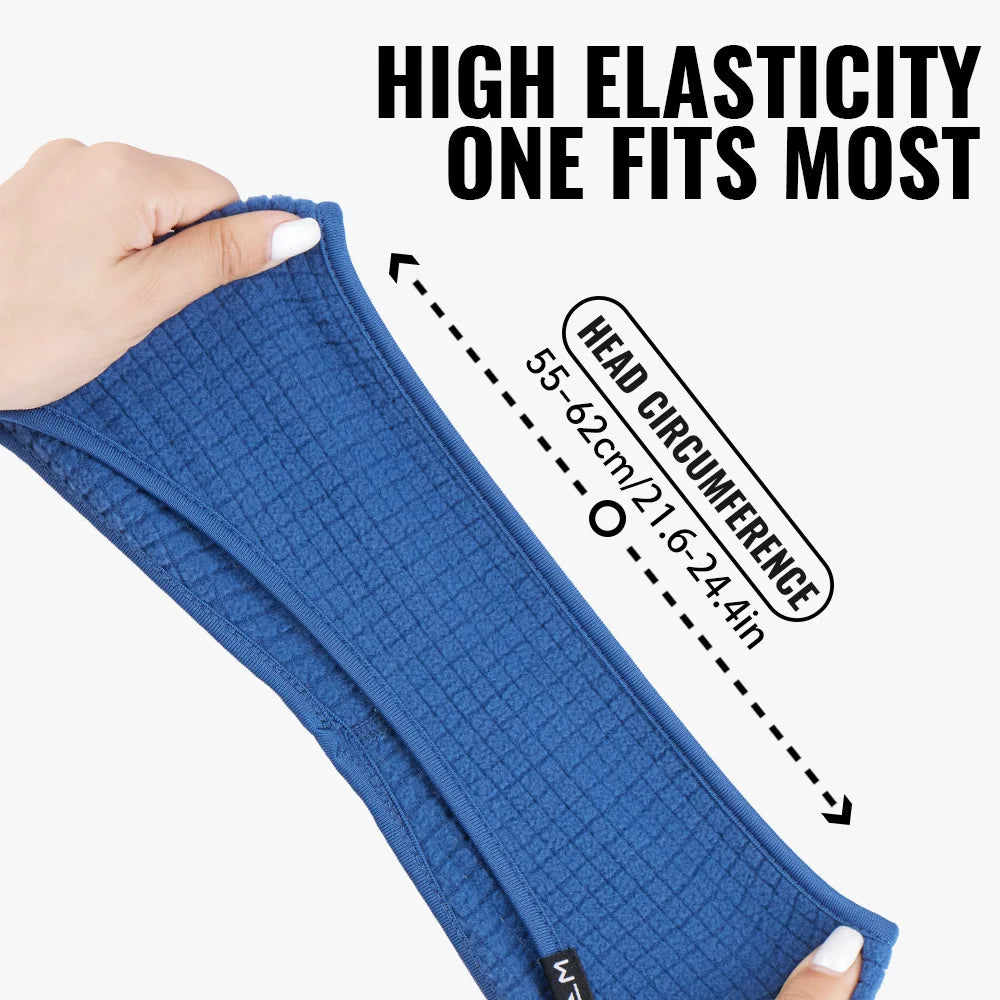
Helmet-compatible ear warmers provide a secure fit for cycling, running, skiing, and other cold-weather activities while maintaining all-day comfort. See it in action.













