

Earwax Blockage Hearing Loss: Symptoms, Causes, Diagnosis, and Safe Removal
Can Earwax Blockage Cause Hearing Loss?
Quick Answer
Yes. Earwax blockage can cause temporary hearing loss. When impacted earwax partially or completely blocks the ear canal, it can interfere with the normal transmission of sound to the eardrum. This may cause muffled hearing, reduced sound clarity, a blocked-ear sensation, or hearing that seems noticeably worse in one ear.
How Earwax Causes Conductive Hearing Loss
Earwax blockage usually causes a type of hearing difficulty called conductive hearing loss . The problem occurs in the outer or middle ear, where sound must travel before it reaches the inner ear. A large buildup of wax can physically obstruct the ear canal and reduce the amount of sound reaching the eardrum.
Temporary vs Permanent Hearing Loss
Hearing loss caused solely by impacted earwax is generally temporary and often improves after the blockage is safely removed. However, not every change in hearing is caused by wax. If hearing does not improve after the ear canal is cleared, another condition may need to be evaluated.
When Hearing Loss May Not Be Caused by Earwax
Sudden or rapidly worsening hearing loss, significant dizziness, severe pain, ear drainage, or symptoms that continue after wax removal should not automatically be attributed to earwax. These symptoms may have other causes and warrant medical evaluation.
Earwax Buildup Causing Hearing Loss: Symptoms, Causes, and Safe Removal
⏱ 5 min read
Have sounds started to feel dull, distant, or uneven between your ears? Earwax buildup can sometimes be the reason. Impacted earwax may cause temporary hearing loss, muffled sound, ear fullness, itching, or ringing. The key is recognizing when symptoms are consistent with a blockage—and when hearing changes require professional evaluation.
A blocked or full feeling in the ear can be an early sign of impacted earwax.
What Is Earwax Blockage and Why Does It Happen?
How Earwax Protects the Ear
Earwax, also called cerumen, is a normal substance produced in the ear canal. It helps trap dust and debris, lubricate the skin, and support the ear's natural protective barrier. In many people, the ear gradually moves older wax outward through normal skin movement and jaw motion.
How Earwax Becomes Impacted
Earwax becomes a problem when it accumulates faster than the ear can naturally clear it. Wax may become compacted in the canal, especially when objects are inserted into the ear and push wax deeper. As the buildup increases, it can cause a partial or complete blockage that affects hearing.
Common Risk Factors
- Using cotton swabs or other objects inside the ear canal
- Frequent use of earbuds, earplugs, or in-ear devices
- Narrow, curved, or unusually shaped ear canals
- Producing more earwax than the ear naturally clears
- Over-cleaning the ears
- Age-related changes that make wax drier or harder
- Using hearing aids, which may contribute to recurring buildup in some people
Who Is Most Likely to Develop Blockages?
People who regularly experience excess wax, have narrow ear canals, use hearing aids or in-ear devices, or have difficulty with the ear's natural self-cleaning process may be more likely to develop impacted earwax. Recurring blockages may require individualized guidance from a healthcare professional.
Earwax Blockage Symptoms and How to Recognize Them
Common Symptoms
Earwax blockage symptoms can appear gradually or become noticeable after water enters the ear and causes existing wax to swell. Common signs include:
- Muffled or reduced hearing
- A blocked, plugged, or full feeling in the ear
- Itching or mild discomfort
- Earache or pressure
- Ringing or buzzing sounds, known as tinnitus
- Hearing that seems worse in one ear
Blocked Ear Feeling From Wax
A blocked ear feeling from wax often resembles pressure or congestion. Some people describe it as though the ear is plugged or as if they are hearing through a barrier. The sensation may become more noticeable after bathing or swimming if moisture causes wax to expand.
How to Tell if Hearing Loss Is From Earwax
You cannot reliably diagnose the cause of hearing loss based on symptoms alone, but several clues may point toward earwax. Hearing changes that develop alongside ear fullness, visible wax near the canal opening, or a history of recurring wax buildup may be consistent with blockage. Hearing that improves after confirmed removal of the obstruction also supports earwax as the cause.
However, hearing loss can have many causes. If symptoms are sudden, severe, persistent, or unrelated to a visible blockage, an examination is important rather than assuming the problem is earwax.
Symptoms That Suggest Another Condition
Seek medical evaluation for hearing changes accompanied by severe or persistent pain, ear drainage, significant dizziness, sudden hearing loss, or symptoms that continue after the ear canal has been cleared. These signs may require evaluation for causes such as infection, inner-ear conditions, or other problems.
How Earwax Blocks Sound: Conductive vs Sensorineural Hearing Loss
How Sound Normally Travels
Sound normally travels through the outer ear and ear canal to the eardrum. Vibrations then pass through the middle ear and ultimately reach the inner ear, where they are converted into signals that the brain interprets as sound.
How Impacted Earwax Reduces Hearing
When wax blocks the ear canal, less sound may reach the eardrum efficiently. This creates a mechanical barrier to sound transmission and can produce muffled or reduced hearing. Because the problem is located before the inner ear, the resulting hearing difficulty is generally classified as conductive hearing loss .
Key Differences Between Hearing Loss Types
- Conductive hearing loss: Occurs when sound cannot travel efficiently through the outer or middle ear. Earwax blockage is one possible cause.
- Sensorineural hearing loss: Involves the inner ear or auditory nerve and may be related to aging, noise exposure, or other medical causes.
- Mixed hearing loss: Includes both conductive and sensorineural components.
Earwax causing temporary hearing loss generally falls into the conductive category. Removing the obstruction may restore hearing when wax is the only cause. If hearing remains reduced, further evaluation may be needed to determine whether another type of hearing loss is present.
Why Hearing May Feel Worse After Ear Cleaning
Muffled Hearing After Ear Cleaning
Muffled hearing after ear cleaning can happen when cleaning does not remove the blockage or when wax is moved farther into the ear canal. Water or other moisture may also temporarily affect sound clarity if it becomes trapped around impacted wax.
Wax Pushed Deeper Into the Canal
Inserting cotton swabs, fingers, or other objects into the ear canal can push wax deeper and compact it. This may make a previously mild blockage more noticeable and can increase the sensation of fullness or muffled hearing.
When Symptoms Should Improve
If muffled hearing is caused by a confirmed earwax blockage, hearing often improves once the obstruction is safely removed. The timing depends on the amount and location of wax and whether the ear canal has been irritated. Persistent symptoms should not be ignored simply because cleaning has already been attempted.
When to Seek Medical Care
Seek professional care if hearing becomes significantly worse, symptoms are severe, pain or drainage develops, dizziness occurs, or hearing does not return after the blockage is removed. Avoid repeated attempts to clean deeper into the ear canal.
How Earwax Is Diagnosed
Medical History
A healthcare professional may ask when the hearing change began, whether it affects one or both ears, whether you have pain or drainage, and whether you have recently used cotton swabs, earbuds, hearing aids, or other ear-cleaning methods.
Otoscope Examination
An otoscope allows the ear canal and eardrum to be examined directly. This helps determine whether wax is blocking the canal and whether another problem, such as irritation or infection, may be contributing to symptoms.
When Hearing Tests Are Needed
A hearing test may be appropriate when the cause of hearing loss is uncertain, symptoms persist after wax removal, or the amount of hearing loss seems greater than expected from the blockage. Testing can help distinguish a problem with sound transmission from hearing loss involving the inner ear or auditory nerve.
How to Remove Earwax Safely
Earwax Removal at Home
For mild symptoms and people without known ear problems that make home treatment unsafe, certain over-the-counter earwax-softening drops may help loosen wax so it can leave the canal naturally. Always follow the product directions.
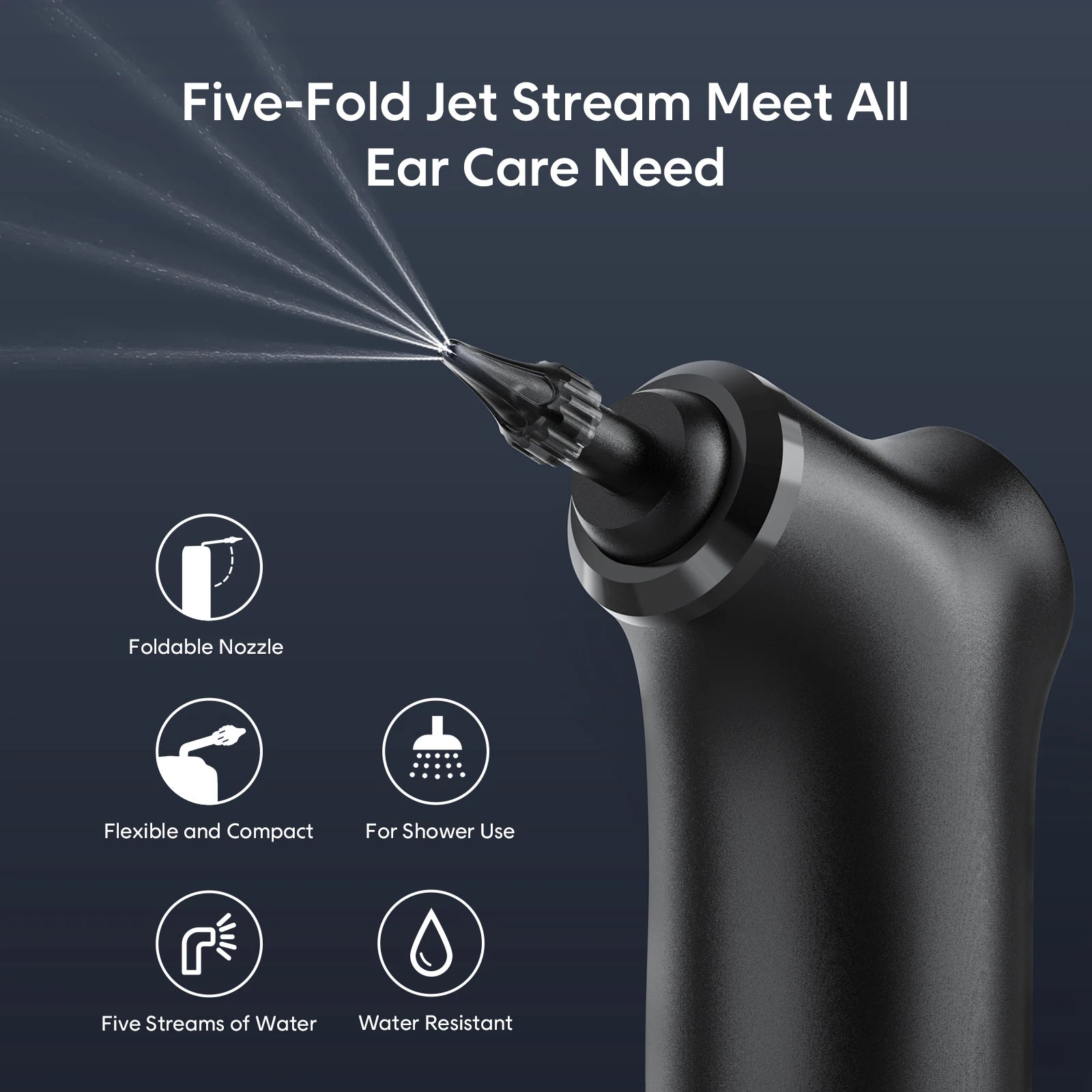
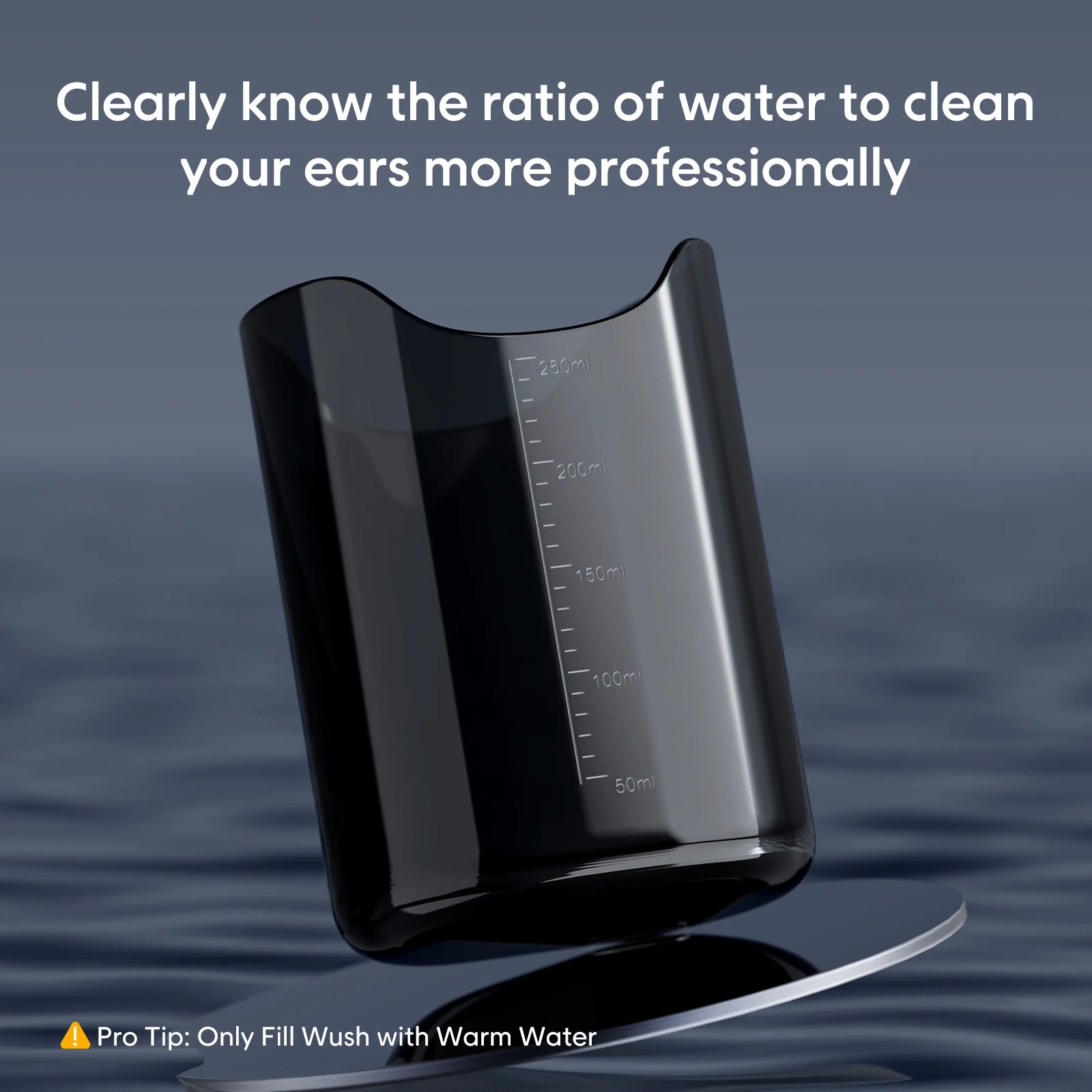
Some people may also use appropriate irrigation methods, but irrigation is not suitable for everyone. It should not be performed when there may be a perforated eardrum, ear tubes, certain types of ear surgery, active ear infection, or other conditions that make water entering the ear unsafe.
Natural Earwax Removal Options
The safest natural approach for many people is to avoid disturbing the ear canal and allow the ear's normal self-cleaning process to move wax outward. Cleaning the outer ear with a soft cloth is generally sufficient for routine hygiene. When symptoms indicate a significant blockage, professional assessment may be safer than repeated home attempts.
Methods to Avoid
- Inserting cotton swabs deep into the ear canal
- Using sharp, improvised, or rigid objects to scrape wax
- Applying excessive force during cleaning
- Repeatedly probing the ear after hearing becomes worse
- Using ear candles, which can cause burns and other injuries
Who Should Not Remove Earwax at Home?
People with a known or suspected perforated eardrum, ear tubes, recent ear surgery, active ear infection, significant ear pain, or unexplained hearing loss should seek professional guidance before attempting home earwax removal. If you are unsure whether a home method is appropriate, an examination is the safer option.
Professional Earwax Removal and Recovery
When to See a Doctor
Professional evaluation is appropriate when the blockage is severe, symptoms persist, home treatment does not help, or hearing loss is accompanied by pain, drainage, dizziness, or other concerning symptoms. Sudden hearing loss should be assessed promptly rather than assumed to be caused by earwax.
Common Removal Methods
Depending on the ear canal and the type of blockage, a healthcare professional may use:
- Microsuction: Uses controlled suction to remove wax under direct visualization.
- Manual removal: Uses specialized instruments to carefully extract wax.
- Clinician-performed irrigation: Uses controlled fluid to help clear suitable blockages when irrigation is medically appropriate.
How Long Hearing Takes to Return
When impacted earwax is the only cause of the hearing problem, hearing may improve as soon as the blockage is removed. Some people notice immediate improvement, while others may need time for irritation or temporary moisture to settle. If hearing remains reduced, additional evaluation may be needed.
Possible Complications
Attempting to remove impacted wax aggressively can irritate or injure the ear canal and may push wax deeper. Professional removal can reduce these risks, particularly when wax is hard, deeply impacted, or associated with symptoms that make the diagnosis uncertain.
Gentle ear-care practices can help reduce irritation and repeated blockage.
Earwax Removal Methods Compared
Home vs Professional Care
The best approach depends on the severity of the symptoms, the person's ear health, and whether the cause of hearing loss is clear.
| Method | Best For | Effectiveness | Main Safety Consideration |
|---|---|---|---|
| Natural self-cleaning | Routine ear care and mild buildup without symptoms | Gradual | Avoid inserting objects into the ear canal |
| Earwax-softening drops | Some mild or moderate buildup | Variable | Follow directions and avoid use when contraindicated |
| Appropriate home irrigation | Selected cases when medically suitable | Moderate to high | Not appropriate for everyone |
| Professional removal | Impacted, persistent, severe, or uncertain cases | High when wax is the cause | Performed after examination and method selection |
Best Choice by Situation
- Mild buildup without hearing changes: Avoid over-cleaning and allow normal earwax migration.
- Suspected uncomplicated buildup: A suitable earwax-softening product may be considered according to its instructions.
- Significant hearing loss or impacted wax: Professional assessment is often the safest choice.
- Sudden hearing loss, severe pain, drainage, or dizziness: Seek medical evaluation rather than assuming earwax is the cause.
Preventing Future Earwax Blockages
Safe Ear Care Habits
- Do not insert cotton swabs or other objects deep into the ear canal.
- Clean only the outer ear unless a healthcare professional recommends another approach.
- Avoid repeated cleaning when there are no symptoms of problematic buildup.
- Follow professional guidance if you regularly experience impacted earwax.
Managing Recurring Wax Buildup
People who repeatedly develop blockages may benefit from an individualized ear-care plan. If earbuds, earplugs, or hearing aids appear to contribute to recurring buildup, regular professional checks or a clinician-recommended maintenance routine may help.
When Routine Cleaning Is Unnecessary
Most healthy ears do not need frequent deep cleaning. Earwax is protective, and removing too much can irritate the ear canal. The goal is not to eliminate all earwax but to prevent or address buildup that causes symptoms or blocks the ear canal.
Frequently Asked Questions
Can earwax blockage really cause temporary hearing loss?
Yes. Impacted earwax can block the ear canal and reduce the amount of sound reaching the eardrum, causing temporary conductive hearing loss. Hearing often improves after the blockage is safely removed.
How can I tell if my hearing loss is caused by earwax?
Earwax is more likely to be involved when reduced hearing occurs with ear fullness, muffling, itching, or a history of recurring buildup. An otoscope examination is the most reliable way to confirm whether wax is blocking the ear canal.
How long does hearing take to return after earwax removal?
When earwax is the only cause, hearing may improve immediately or soon after the blockage is removed. If hearing remains reduced, another cause should be considered and evaluated.
Is muffled hearing after ear cleaning normal?
It can happen if wax has been pushed deeper, the blockage remains, or moisture is temporarily affecting the ear canal. Avoid inserting more objects into the ear. Seek professional advice if symptoms persist or worsen.
What is the safest way to remove earwax at home?
For appropriate individuals, an earwax-softening product used according to its directions may help with mild buildup. Do not insert objects into the ear canal, and avoid home irrigation if you have conditions that make it unsafe.
Can impacted earwax damage hearing permanently?
Earwax blockage usually causes temporary conductive hearing loss rather than permanent damage. However, persistent hearing changes should be evaluated because another condition may be responsible.
When should I see a doctor instead of removing earwax myself?
Seek professional care for sudden or significant hearing loss, severe pain, ear drainage, dizziness, suspected eardrum problems, recent ear surgery, persistent blockage, or symptoms that do not improve with appropriate care.
Can earbuds or hearing aids increase earwax buildup?
They may contribute to recurring buildup in some people by affecting how wax moves out of the ear canal. If you regularly use earbuds or hearing aids and develop repeated blockages, discuss prevention and cleaning options with a healthcare professional.
For additional guidance, readers can explore related wellness routines in the Beauty & Self-Care Blog and Lifestyle collections.
Related Guide: Ear Canal Cleaning Safety Review What This System Gets Right













