

Does an electric foot spa really work?
Yes. An electric foot spa can provide meaningful relaxation and comfort by combining warm water, heat, massage rollers, and vibration to help ease tired feet. While it is not a treatment for medical conditions, regular sessions of 15–30 minutes may help reduce muscle tension, temporarily improve circulation, soften rough skin, and relieve everyday foot fatigue. For the best results, use the device as part of a consistent foot care routine and follow the manufacturer's safety instructions.
⏱ 8 min read
Electric Foot Spa How-To: Recommended Session Time & Safe Usage Guide
Whether you're recovering after a workout, standing for long hours, or simply looking to unwind, an electric foot spa can make at-home foot care more effective and relaxing. From a compact foot spa portable model to a feature-rich foot spa bath massager with heat, choosing the right session length is just as important as choosing the right settings. This guide explains the recommended session time for an electric foot spa, how long you should use a foot spa for different goals, and practical safety tips so you can confidently use an at-home device like this model .
What is the recommended session time for an electric foot spa?
Quick answer: The recommended session time for an electric foot spa is generally 15–30 minutes . This duration gives warm water and massage features enough time to relax muscles, encourage healthy circulation, and soften the skin without increasing the risk of dryness or irritation.
Quick-reference session time table by goal
| Goal | Recommended time | Notes |
|---|---|---|
| Relaxation and stress relief | 15–20 minutes | Ideal for most daily sessions. |
| Sore feet and muscle recovery | 20–30 minutes | Useful after prolonged standing or exercise. |
| Mild swelling support | 15–20 minutes | Elevate your feet afterward for added comfort. |
| Skin softening before exfoliation | 10–15 minutes | Avoid prolonged soaking. |
| First-time or sensitive users | 10–15 minutes | Increase gradually if well tolerated. |
Standard session duration (15–30 minutes)
For most healthy adults, a 15–30 minute foot spa session offers the best balance between comfort and effectiveness. Shorter sessions may not provide enough time for muscles to fully relax, while sessions lasting beyond 30 minutes can leave the skin overly hydrated, increasing the likelihood of dryness or sensitivity once your feet are dry.
Why duration varies by user and purpose
Your ideal foot spa usage time depends on your activity level, skin sensitivity, and overall goal. Someone seeking a relaxing foot bath after a busy day may only need 15–20 minutes, while post-workout recovery may benefit from a session closer to 30 minutes. Older adults and people with sensitive skin often achieve better results with shorter sessions and moderate water temperatures.
When to shorten or extend your session
- 10–15 minutes: Best for beginners, sensitive skin, older adults, or light daily relaxation.
- 15–20 minutes: Ideal for routine stress relief and everyday foot care.
- 20–30 minutes: Appropriate for tired muscles after long periods of standing or physical activity.
- More than 30 minutes: Generally not recommended because prolonged heat exposure may contribute to skin dryness, irritation, or discomfort.
Ideal foot spa usage time by goal
For relaxation and stress relief
A relaxing foot bath lasting 15–20 minutes is sufficient for most people. Warm water and gentle massage can help reduce tension, making this an excellent addition to an evening wind-down routine.
For sore feet and muscle recovery
Use a foot spa for 20–30 minutes after extended walking, standing, or exercise. Combining warm water with massage rollers may help loosen tight muscles and temporarily ease foot fatigue.
For swelling and circulation support
A 15–20 minute session is usually enough to promote circulation and reduce mild foot tiredness. After soaking, gently dry your feet and elevate them for several minutes to maximize comfort.
For skincare and softening calluses
Limit soaking to 10–15 minutes before exfoliating rough skin. Longer sessions do not necessarily improve results and may leave the outer layer of skin more susceptible to dryness afterward.
For older adults and sensitive users
Older adults and anyone with delicate or easily irritated skin should begin with 10–15 minute sessions using comfortably warm—not hot—water. If you have reduced sensation, diabetes, neuropathy, or circulation concerns, consult your healthcare provider before using a heated foot spa.
What happens if you use a foot spa too long?
Signs to stop immediately
Using a foot spa longer than recommended does not usually provide additional benefits. Instead, prolonged soaking may leave your skin overhydrated and more vulnerable to irritation. End your session if you notice any of the following:
- Wrinkled, overly soft skin that remains waterlogged
- Dryness, tightness, or peeling after your feet have dried
- Persistent redness, irritation, or discomfort
- Feeling lightheaded or overheated from extended heat exposure
Skin hydration and heat exposure
Warm water temporarily increases skin hydration and encourages blood flow, but excessive soaking can weaken the outer skin barrier. This may cause moisture to evaporate more quickly after your session, leaving feet feeling dry. Limiting sessions to the recommended duration and applying moisturizer afterward helps maintain healthy skin while maximizing the benefits of a foot spa.
Risks for sensitive users
People with sensitive skin, reduced sensation, circulation problems, or certain medical conditions may develop irritation sooner than healthy adults. If you have diabetes, peripheral neuropathy, or poor circulation, speak with your healthcare provider before using a heated foot spa and always check the water temperature carefully before placing your feet in the basin.
How to safely end a session
Finish your session once your feet feel comfortably warm and relaxed. Pat your feet dry—especially between the toes—apply a moisturizer if your skin feels dry, and allow your feet to cool naturally before beginning another soak.
How an electric foot spa eases tension in minutes
Key therapeutic effects
The primary electric foot spa benefits come from the combination of gentle heat, buoyancy, massage, and water immersion. Together, these features help relax tired muscles, reduce everyday foot fatigue, temporarily improve circulation, and soften rough skin. While a foot spa can support comfort and recovery, it is not a substitute for medical treatment when pain or swelling has an underlying health cause.
How timing influences benefits
Most users experience the greatest benefit within the recommended 15–30 minute session. Shorter sessions are often sufficient for daily relaxation, while sessions closer to 30 minutes may provide additional comfort after prolonged standing or exercise. Staying within the recommended timeframe helps balance muscle relaxation with skin health.
Massage rollers, bubbles, vibration, and heat
A foot spa bath massager with heat typically combines several features that work together:
- Heat: Helps maintain a comfortable water temperature for consistent relaxation.
- Massage rollers: Apply gentle pressure across the soles of the feet.
- Bubble function: Creates a soothing sensation that enhances comfort during soaking.
- Vibration: Adds light stimulation that can help ease feelings of foot fatigue.
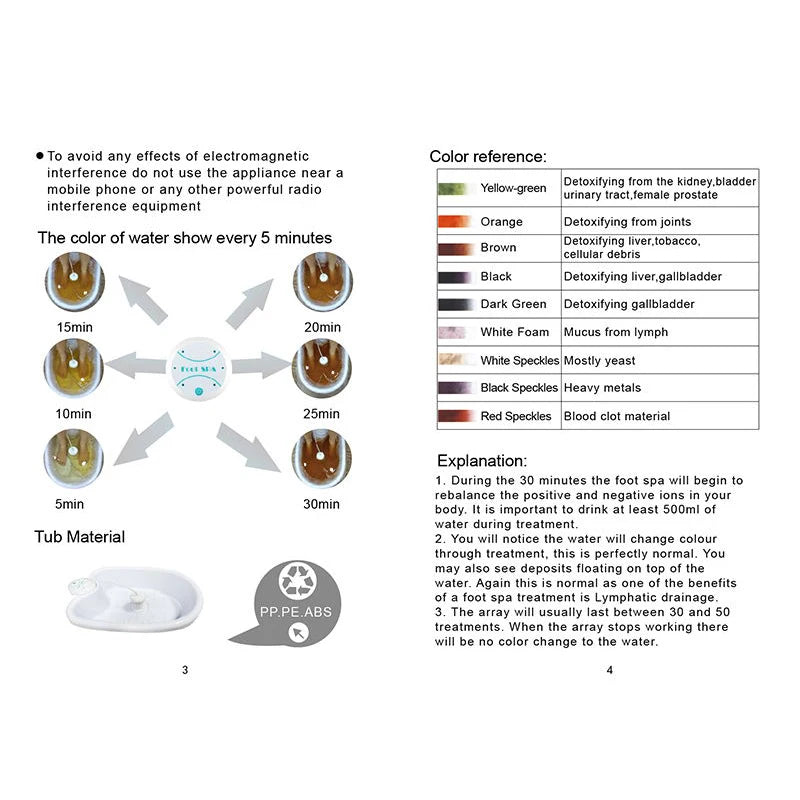
electric foot spa, foot spa bath massager with heat — See it in action. Get product details
Why choose a foot spa bath massager with heat?
Heat vs non-heated models
A heated foot spa maintains a more consistent water temperature than a standard soaking basin, eliminating the need to refill with warm water during longer sessions. Models with integrated heat, massage rollers, and vibration also provide a more comfortable recovery experience than soaking alone.
Who benefits most?
- People who spend long hours standing, including retail, hospitality, and healthcare workers
- Active individuals looking for post-workout comfort and recovery
- Anyone seeking a convenient at-home relaxation routine for tired feet
When heat should be avoided
Heated foot spas are not appropriate for everyone. Avoid using heated settings on open wounds, active skin infections, or burns. People with diabetes, neuropathy, or significantly reduced sensation should consult a healthcare professional before using heated water to reduce the risk of accidental burns.
How to use a foot spa (step-by-step instructions)
Quick setup: 6 simple steps
- Fill the basin with clean, warm water, keeping the level below the maximum fill line.
- Plug in the foot spa and switch it on before selecting your preferred settings.
- Choose the desired heat, massage, vibration, or bubble functions according to your comfort level.
- Lower your feet into the water slowly and allow them to adjust to the temperature.
- Relax for the recommended session time, typically 15–30 minutes unless a shorter session is more appropriate for your needs.
- Turn off the unit, remove your feet carefully, and dry them thoroughly, paying special attention to the areas between your toes.
Ideal water temperature and timing
For most users, the ideal water temperature is between 37°C and 40°C (98°F–104°F) . This range provides comfortable warmth without excessive heat exposure. Pair this temperature with a 15–25 minute session for everyday relaxation, extending toward 30 minutes only when appropriate and well tolerated.
During-session best practices
- Check the water temperature before placing your feet in the basin.
- Sit in a stable, comfortable chair throughout the session.
- Keep the foot spa on a flat, dry, level surface.
- Avoid standing in or leaning heavily on the unit.
- Stop the session if you experience discomfort, dizziness, or excessive heat.
Post-session foot care
After soaking, dry your feet completely, especially between the toes. Apply a moisturizer if your skin feels dry, and allow your feet to rest for a few minutes before returning to strenuous activity. Cleaning the basin after every use also helps keep your device hygienic and ready for the next session.
How to personalize settings, add-ins, and timing
Safe add-ins and what to avoid
Always confirm that your specific foot spa model is compatible with bath additives before using them.
- Safe options: Epsom salt (when permitted by the manufacturer), diluted essential oils, or gentle herbal soaks.
- Avoid: Harsh chemicals, thick oils that may clog filters or jets, bath products that produce excessive residue, and large quantities of additives.
Adjusting massage intensity
Start with the lowest massage or vibration setting if you're new to using a foot spa. Increase intensity gradually until you find a comfortable level. A gentler massage is often sufficient for daily relaxation, while moderate settings may feel better after long periods of standing or exercise.
Timing by age, activity, and skin sensitivity
- Beginners: Start with 10–15 minute sessions while monitoring your skin's response.
- Regular users: 15–25 minutes is suitable for routine foot care.
- Post-workout recovery: Up to 30 minutes may help relieve tired muscles.
- Older adults or sensitive skin: Limit sessions to 10–15 minutes using comfortably warm water.
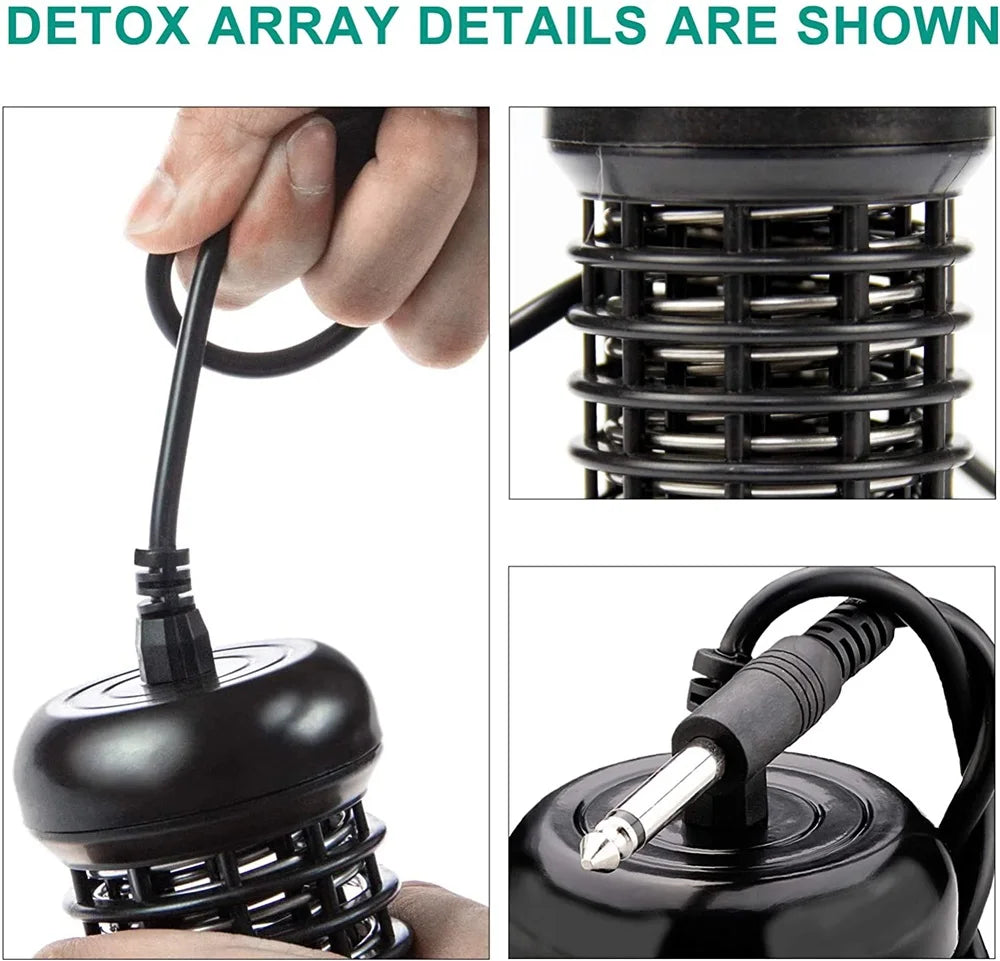
foot spa portable, relaxing foot bath — Try a calming peppermint soak for tired feet.
Foot spa safety tips (must-read before every session)
Safety checklist
- Test the water temperature before every session.
- Do not use the device with open cuts, blisters, or wounds.
- Place the foot spa on a stable, dry surface away from standing water.
- Do not overfill the basin beyond the manufacturer's recommended level.
- Turn off and unplug the unit immediately after use.
Who should limit or avoid use
- People with diabetes or peripheral neuropathy unless advised by a healthcare professional.
- Individuals with severe circulation disorders.
- Anyone with active skin infections, open wounds, burns, or significant foot injuries.
Diabetes, neuropathy, wounds, and infections
Reduced sensation can make it difficult to detect excessively hot water, increasing the risk of burns. If you have diabetes, neuropathy, or poor circulation, consult your healthcare provider before using a heated foot spa and inspect your feet carefully before and after each session.
Cleaning and maintenance
- Drain the water immediately after every use.
- Rinse the basin with clean water to remove any residue.
- Wipe all interior surfaces dry with a soft cloth.
- Allow the unit to air dry completely before storing it in a cool, dry location.
Compare options: foot spa portable vs full-size
Session differences
| Feature | Foot spa portable | Full-size foot spa |
|---|---|---|
| Recommended session length | 10–20 minutes | 15–30 minutes |
| Heat & massage features | Typically basic heat and bubble functions | Consistent heat with massage rollers, vibration, and multiple settings |
| Recovery experience | Suitable for occasional relaxation | Better suited for regular recovery and longer sessions |
| Best use | Quick soaks and occasional use | Frequent home foot care routines |
Travel and storage
A foot spa portable model is easier to carry, fits comfortably in small apartments, and stores conveniently between uses. Full-size units require more storage space but often provide additional comfort through larger basins and more advanced massage features.
Who each option suits
Portable foot spas are ideal for travelers, occasional users, and anyone with limited storage. Full-size models are a better choice for people who spend long hours on their feet, exercise regularly, or want a dedicated at-home recovery solution with enhanced heat and massage functions.
Foot spa routine: how often should you use it?
Recommended weekly frequency
For most adults, using a foot spa 2–4 times per week provides consistent relaxation without excessive soaking. Daily use can also be appropriate when sessions are limited to 10–15 minutes and your skin remains healthy and comfortable.
Frequency by goal
- General relaxation: 2–3 sessions each week for 15–20 minutes.
- Recovery after exercise or prolonged standing: 3–4 sessions weekly, up to 30 minutes as needed.
- Daily stress relief: Short 10–15 minute sessions with moderate water temperature.
- Skin care: One or two short soaking sessions weekly before exfoliating or moisturizing.
Sample 7-day routine
- Day 1: 20-minute relaxation session.
- Day 3: 15-minute maintenance soak.
- Day 5: 25-minute recovery session after extended activity.
- Day 7: 15-minute light relaxation session followed by moisturizing.
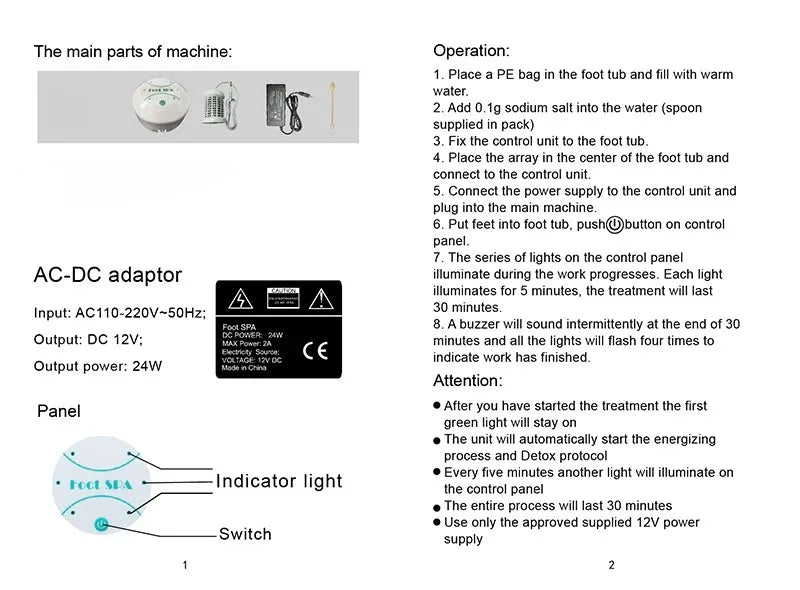
relaxing foot bath — Try a consistent routine for best results. View product
Pros & cons at a glance
- ✅ Pros: Helps relieve everyday foot fatigue, encourages temporary circulation, supports muscle relaxation, softens rough skin, and offers convenient at-home foot care with portable and full-size options.
- ❌ Cons: Requires regular cleaning and maintenance, is not a substitute for medical treatment, takes storage space, and should be used cautiously by people with certain medical conditions.
Mini-FAQ (optimized for featured snippets)
How long should you use a foot spa?
For most adults, the ideal foot spa session lasts 15–30 minutes . Shorter sessions of 10–15 minutes are better for beginners, older adults, or people with sensitive skin, while sessions approaching 30 minutes are generally reserved for post-exercise recovery or tired feet.
Can you overuse a foot spa?
Yes. Staying in a foot spa for longer than recommended can overhydrate the skin, leading to dryness, peeling, irritation, or discomfort after your feet dry. Following the recommended session time helps maximize benefits while reducing the risk of skin irritation.
Is daily use safe?
Daily use can be safe for healthy adults when sessions are limited to about 10–15 minutes , the water temperature remains moderate, and your skin shows no signs of irritation. If dryness develops, reduce how often you use the foot spa.
What temperature is best?
The recommended water temperature is 37°C–40°C (98°F–104°F) . This range is warm enough to promote comfort and relaxation without exposing your skin to unnecessary heat.
Can you add salts or oils?
Yes, provided your manufacturer's instructions allow them. Mild additives such as Epsom salt or diluted essential oils are commonly used, while thick oils, harsh chemicals, and products that leave heavy residue should be avoided because they may affect the performance or cleanliness of the unit.
Is it safe for people with diabetes?
People with diabetes, peripheral neuropathy, or reduced sensation should consult their healthcare provider before using a heated foot spa. Because it may be difficult to detect excessive heat, always test the water carefully and inspect your feet before and after each session.
Does longer soaking improve results?
No. Extending a session beyond 30 minutes generally does not provide additional relaxation or circulation benefits. Instead, prolonged soaking is more likely to contribute to skin dryness and irritation.
Should you moisturize after using a foot spa?
Yes. After drying your feet thoroughly, apply a moisturizer to help restore the skin barrier and lock in hydration. This is especially helpful if you use a foot spa regularly or have naturally dry skin.
Product reference used throughout: KentDO Ionic Detox Foot Bath . For accessories and related devices, check Body Care and Health Devices , Lifestyle , and Beauty & Self-Care Blog .
Pillar Article: Benefits of Ionic Detox Foot Bath: How to Use It at Home
Other Related Articles:
- Improve Circulation in Feet: Simple Foot Soak Techniques
- Foot Massager for Tired Feet: Step-by-Step Relief Guide
Explore More:













