

Does a foot soak really improve circulation in feet?
Yes—with realistic expectations. A warm foot soak for circulation can temporarily increase blood flow near the skin by widening small blood vessels (vasodilation), helping many people feel warmer, less stiff, and more comfortable. However, it does not treat underlying circulation disorders such as peripheral artery disease (PAD), diabetic vascular disease, or chronic venous insufficiency. For the best results, combine soaking with regular walking, ankle mobility exercises, hydration, and, when appropriate, gentle foot massage.
⏱ 8 min read
Improve Circulation in Feet: Proven Foot Soaking Techniques That Actually Work
If you're looking to improve circulation in feet, the right foot soaking techniques can support comfort, reduce stiffness, and temporarily increase local blood flow through warmth. When combined with healthy daily habits, a relaxing foot bath becomes a practical part of an overall foot wellness routine—not a replacement for medical treatment when circulation disease is present.
Improve circulation in feet with a relaxing foot bath combined with gentle movement and foot massage.
Improve Circulation in Feet: What Foot Soaks Can and Cannot Do for Seniors
A foot soak for seniors circulation can provide temporary warmth, ease mild stiffness, and promote relaxation. These benefits may make walking and daily activities feel more comfortable, especially for older adults with cold feet or mild muscle tightness.
However, a foot soak cannot reverse narrowed arteries, repair damaged nerves, or replace treatment for medical conditions affecting circulation. Seniors with diabetes, peripheral artery disease (PAD), neuropathy, or persistent leg swelling should consider foot soaking as a supportive wellness habit rather than a medical therapy.
Do Foot Baths Help Circulation? Understanding the Evidence
How warm water affects blood vessels
Warm water between 37–40°C (98–104°F) encourages superficial blood vessels to widen. This normal temperature response increases local blood flow near the skin, helping feet feel warmer and reducing temporary stiffness.
Why foot soaks may relieve cold feet and stiffness
Many people notice less tightness after soaking because warmth relaxes muscles and connective tissues. Adding gentle ankle circles or toe movements during the soak further encourages natural circulation through muscle activity.
Limitations of foot soaking for chronic circulation issues
If cold feet, pain while walking, skin discoloration, or non-healing wounds are caused by vascular disease, a foot bath alone will not correct the underlying problem. Persistent symptoms should be evaluated by a healthcare professional.
Best Foot Soaking Techniques for Improved Circulation
Warm water soak for gentle circulation support
Fill a basin with water between 37–40°C (98–104°F) and soak for 15–20 minutes . This simple method is suitable for most healthy adults and promotes comfort while encouraging temporary increases in local blood flow.
Contrast bath therapy: benefits and safety considerations
Contrast bathing alternates warm and cool water to create repeated changes in blood vessel diameter.
- 3–4 minutes in warm water
- 30–60 seconds in cool (not ice-cold) water
- Repeat for 3–5 cycles
While many people enjoy this technique, evidence for long-term circulation improvement remains limited. Older adults and individuals with reduced sensation should avoid extreme temperatures.
Herbal and ginger soaks: comfort benefits and limitations
Ingredients such as ginger, rosemary, or peppermint may create a pleasant warming or cooling sensation, but current research does not show they significantly improve blood circulation. Their primary value is enhancing relaxation during a relaxing foot bath .
How Foot Soaking Improves Blood Circulation: The Science Explained
Vasodilation and temperature response
Warm water naturally triggers vasodilation—the widening of blood vessels. This reduces resistance to blood flow near the skin and contributes to warmer feet and improved comfort.
How relaxation and reduced muscle tension support comfort
Warmth also relaxes muscles surrounding the foot and ankle. Reduced muscle tension may improve mobility and make walking easier afterward, especially when combined with gentle stretching and movement.
Step-by-Step: How to Do a Safe Foot Soak for Seniors
Recommended water temperature and soaking time
- Test water using a thermometer if sensation is reduced.
- Use water between 37–40°C (98–104°F) .
- Soak for 10–15 minutes if you are an older adult or have sensitive skin; up to 20 minutes for most healthy adults.
- Move your toes and ankles every few minutes.
Preparation, hygiene, and after-soak care
- Wash the basin before each use.
- Dry carefully, especially between the toes.
- Apply moisturizer if skin is dry.
- Wear clean socks if your feet tend to become cold afterward.
Common mistakes that increase risk
- Using very hot water.
- Soaking for more than 30 minutes.
- Ignoring cuts, blisters, or skin infections.
- Skipping water temperature testing when sensation is reduced.
Foot Massage for Blood Circulation: A Helpful Addition
Gentle massage techniques after soaking
- Thumb pressure along the arch.
- Slow circular motions around the heel.
- Gentle toe stretching and ankle rotations.
- Light upward strokes toward the ankle to encourage comfort and relaxation.
Massage complements a warm foot soak by relaxing muscles and improving mobility, although it should not be viewed as treatment for vascular disease.
When massage may not be recommended
Avoid vigorous massage if you have severe swelling, suspected blood clots, open wounds, active infection, or unexplained foot pain. Seek medical advice if symptoms worsen.
Best Foot Soak Ingredients for Circulation and Relaxation
Epsom salt: benefits and misconceptions
Epsom salt is commonly added because many people find it relaxing. While it may contribute to muscle comfort, there is no strong evidence that it directly improves circulation.
Sea salt, herbs, and essential oils
- Sea salt: adds a pleasant soaking experience.
- Peppermint: cooling sensation.
- Ginger: warming sensation.
- Rosemary: pleasant aroma often used in spa treatments.
These ingredients primarily enhance relaxation rather than producing proven circulation improvements.
Ingredients seniors should use cautiously
Essential oils should always be diluted appropriately. Individuals with sensitive skin, eczema, allergies, or fragile skin should perform a patch test or avoid fragranced additives altogether.
Foot Soak Safety for Seniors: Diabetes, Neuropathy, and Circulation Problems
Why seniors need extra caution with hot water
Reduced sensation caused by neuropathy increases the risk of burns because the feet may not accurately detect excessive heat.
- Open wounds or foot ulcers.
- Active fungal or bacterial infections.
- Severe peripheral artery disease.
- Recent injuries with significant swelling.
Signs that require medical attention
Seek medical care if you experience persistent cold feet, severe pain while walking, discoloration, numbness, non-healing wounds, or sudden swelling.
Foot Soaks vs Other Ways to Improve Blood Circulation in Feet
| Method | Best For | Evidence |
|---|---|---|
| Warm foot soak | Temporary warmth and relaxation | Good short-term comfort |
| Walking and ankle exercises | Long-term circulation support | Strong |
| Compression therapy | Managing swelling when medically appropriate | Strong for selected conditions |
| Foot massage | Comfort and mobility | Moderate |
| Hydration | Overall health support | Supportive |
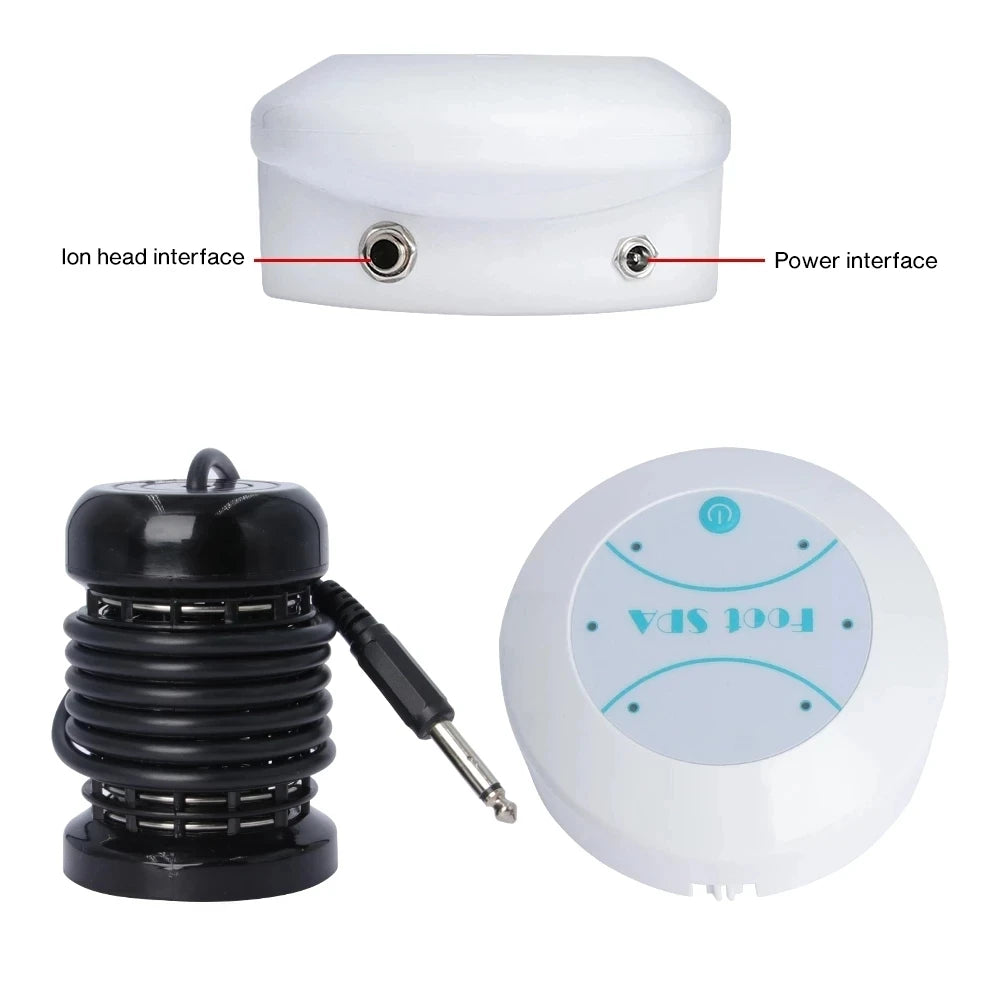
For people who enjoy convenient home soaking, the KentDO ionic foot bath offers an easy way to maintain a regular routine: /products/kentdo-ionic-detox-foot-bath
Daily Routine to Support Healthy Foot Circulation
Simple mobility exercises for seniors
- Ankle circles for 2–3 minutes.
- Toe curls and toe spreads.
- Short walks several times throughout the day.
- Elevate your feet after prolonged sitting.
Combining soaking with healthy habits
Use a relaxing foot bath three to five times per week, stay hydrated, wear supportive footwear, and maintain regular physical activity. Together, these habits are more effective than relying on foot soaking alone.
FAQ: Foot Soaks for Seniors and Circulation
Do foot baths help circulation in seniors?
They can temporarily improve local blood flow through warmth and help reduce stiffness, but they do not treat underlying circulation disease.
Can a foot soak improve blood circulation in feet?
Yes, warm water increases superficial blood flow for a short period, especially when combined with gentle movement and massage.
What is the best water temperature for a circulation foot soak?
Most adults benefit from 37–40°C (98–104°F) . Seniors with reduced sensation should carefully test the temperature before soaking.
Is Epsom salt good for a foot soak for circulation?
Epsom salt may enhance relaxation, but evidence does not show it directly improves circulation.
Can people with diabetes safely soak their feet?
People with diabetes should speak with their healthcare provider first, particularly if they have neuropathy, poor wound healing, or reduced sensation.
How often should seniors soak their feet?
Three to five sessions per week are generally adequate for comfort and relaxation unless otherwise advised by a healthcare professional.
Can foot massage improve blood flow in feet?
Gentle massage may support comfort and mobility after soaking, but it should not be considered a treatment for vascular disease.
Final Takeaway: Using Foot Soaks Safely for Better Foot Comfort
A warm foot soak for circulation is a simple, relaxing way to improve temporary comfort, reduce stiffness, and warm cold feet. For lasting improvements in foot health, combine soaking with regular movement, hydration, foot care, and medical management of any underlying circulation conditions. Seniors and people with diabetes or neuropathy should always prioritize safety by using moderate water temperatures and inspecting their feet before and after each soak.
Related collections: Body Care and Health Devices
Pillar Article: Benefits of Ionic Detox Foot Bath: How to Use It at Home
Other Related Articles:
- Electric Foot Spa How-To: Relaxation Tips for Every Home
- Foot Massager for Tired Feet: Step-by-Step Relief Guide
Explore More:













