Can You Safely Use an Electric Kettle in a Car?
Yes. An electric kettle for car use can safely boil water when it's designed specifically for 12V or 24V vehicle electrical systems. Unlike household kettles, these portable models operate within your vehicle's power limits, include automatic temperature control, and are intended for travel use. They're ideal for preparing coffee, tea, instant meals, or hot water for baby formula without using an open flame.
⏱ 6 min read
How to Use an Electric Kettle in a Car Safely (Complete 12V & 24V Guide)
Long drives don't have to mean cold food or expensive convenience-store stops. Learning how to use an electric kettle in a car correctly lets you enjoy hot drinks and simple meals almost anywhere. The key is understanding your vehicle's electrical system, choosing a compatible kettle, and following a few important safety practices.
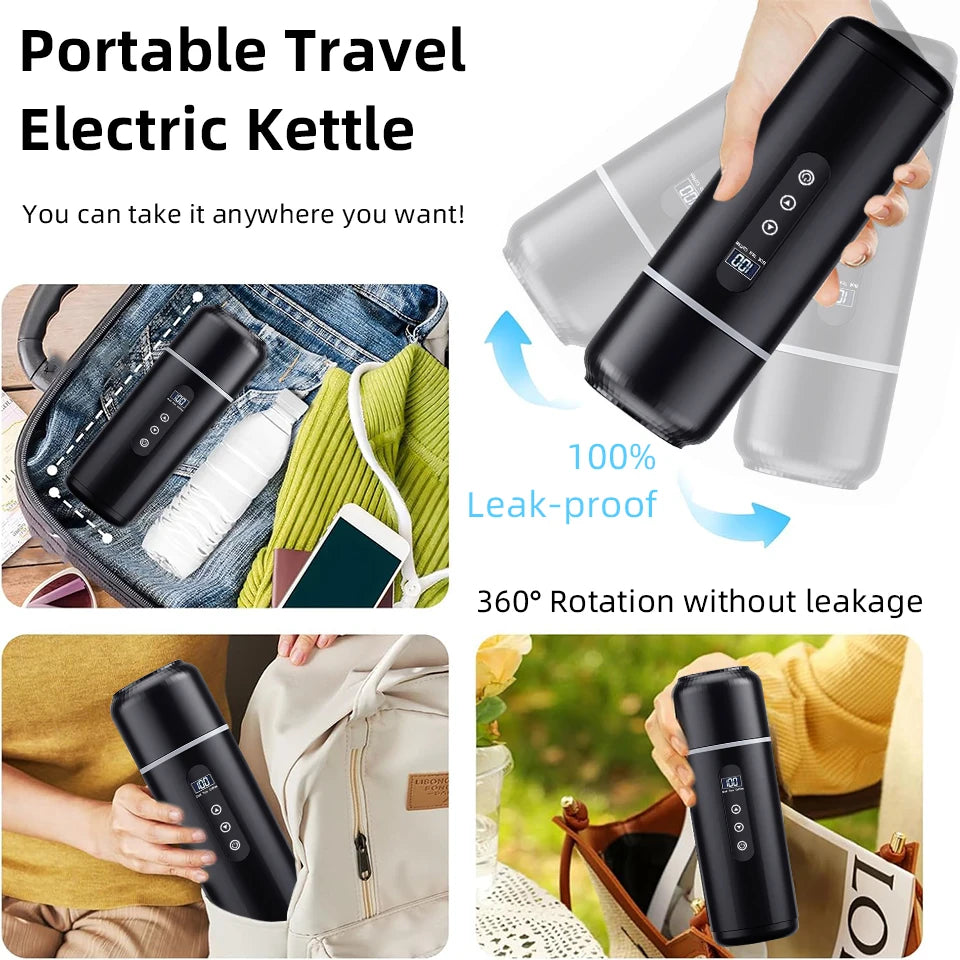
Electric kettle for boiling water during car travel — See it in action
When a Car Kettle Is Safe to Use
An electric kettle in the car is safest when it matches your vehicle voltage, is plugged into a properly rated outlet, and is used while the engine is running. Dedicated travel kettles include features such as auto shut-off, dry-boil protection, and insulated handles that improve everyday safety.
Household Kettle vs Electric Kettle for Car
A standard household kettle typically requires 1,000-2,000 watts, while most vehicle sockets provide only 120-180 watts in passenger cars. Unless you're using a properly sized power inverter, a household kettle should never be plugged directly into a car outlet.
Who Should Use a Portable Electric Kettle for Car
A portable electric kettle for car use is especially useful for road trips, camping, truck drivers, families traveling with young children, and anyone who regularly needs safe access to hot water while away from home.
Why Drivers Rely on an Electric Kettle for Boiling Water
An electric kettle for boiling water reduces reliance on restaurants and fuel stations while giving you convenient access to hot water wherever you travel.
- Prepare coffee or tea during road trips
- Make instant noodles, oatmeal, or soup
- Heat water for baby formula
- Enjoy hot drinks while camping
- Stay comfortable during cold-weather travel
- Keep emergency hot water available during unexpected delays
Many drivers pair road comfort tools with items from the Lifestyle collection to improve their in-car experience.
How to Use an Electric Kettle in a Car (Step-by-Step Guide)
Step 1: Verify Vehicle Voltage
Check whether your vehicle uses a 12V or 24V electrical system before connecting any kettle. Passenger cars almost always use 12V, while many commercial trucks operate on 24V.
Step 2: Fill the Kettle Correctly
Add clean water without exceeding the maximum fill line. Overfilling increases the risk of spills and may interfere with automatic shut-off.
Step 3: Connect to the Proper Power Source
Plug the kettle securely into the cigarette lighter socket or dedicated 12V outlet. If using a household kettle, connect it only through a correctly rated power inverter.
Start the vehicle whenever practical to avoid unnecessary battery drain. Allow the kettle to finish heating naturally rather than opening the lid repeatedly during operation.
Step 5: Disconnect and Store
After boiling, unplug the kettle, allow it to cool, empty any remaining water if recommended by the manufacturer, and store it securely to prevent movement while driving.
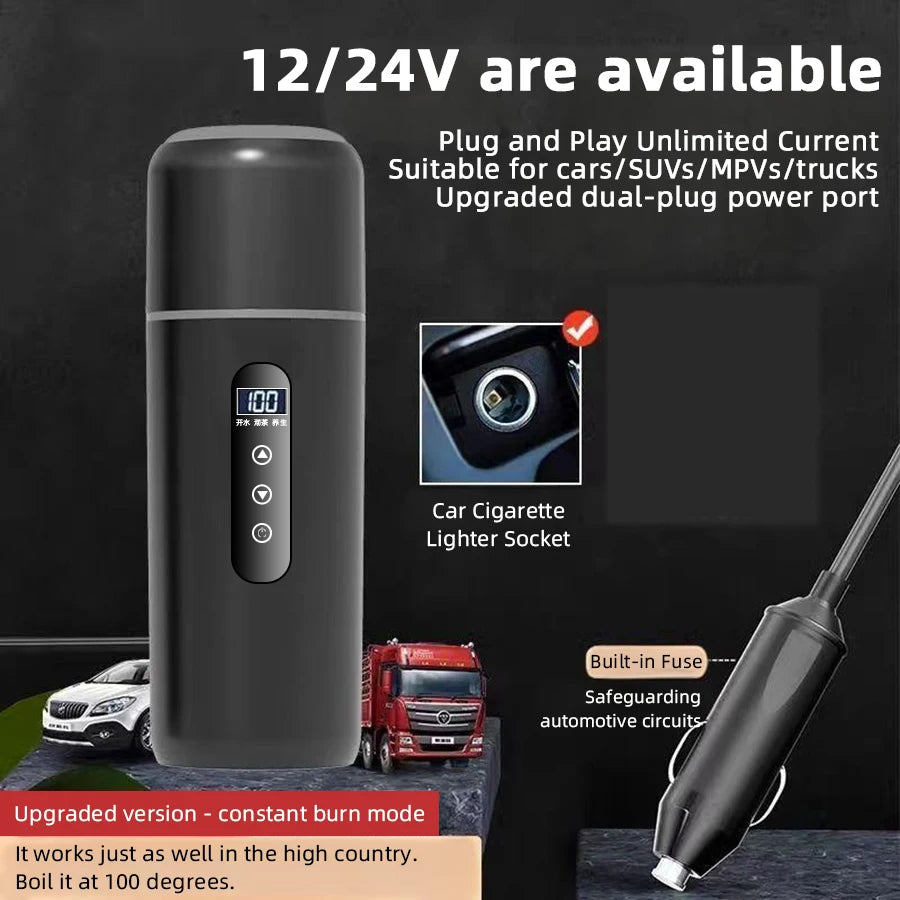
Portable car kettle heating water safely — See it in action
Vehicle Power Requirements (12V, 24V and Power Inverters)
Cigarette Lighter Socket Limits
Most passenger vehicles supply between 120W and 180W through the 12V accessory socket. Always verify your owner's manual before connecting any high-power appliance.
12V vs 24V Compatibility
- 12V kettles: Designed for passenger cars and SUVs, typically 80-150W.
- 24V kettles: Built for trucks and commercial vehicles with higher available power.
- Never mix voltages: A 24V kettle should not be used in a 12V vehicle, and vice versa.
Choosing the Right Inverter
If you plan to use a household electric kettle, choose a pure sine wave inverter with enough continuous output to handle the kettle's rated wattage. Remember that larger inverters place significantly greater demand on your vehicle's electrical system.
Fuse and Wiring Considerations
If the appliance repeatedly blows fuses or causes the wiring to become warm, disconnect it immediately. This usually indicates the load exceeds your vehicle's designed electrical capacity.
Power Consumption and Battery Drain Calculator
How Many Amps Does a Kettle Draw?
You can estimate current draw using a simple formula:
Amps = Watts ÷ Voltage
- 120W kettle on 12V: approximately 10 amps
- 150W kettle on 12V: approximately 12.5 amps
- 300W kettle on 24V: approximately 12.5 amps
Engine On vs Engine Off
Running the engine allows the alternator to supply much of the required electricity, reducing stress on the battery. Using a kettle with the engine off draws directly from battery capacity and may prevent the vehicle from starting if used for extended periods.
Battery Drain Examples
- Heating one cup of water with the engine running has minimal impact on most healthy batteries.
- Repeated heating cycles while parked can noticeably reduce battery charge.
- Longer heating times in winter increase total energy consumption.
Wattage, Heating Time and Real-World Performance
Typical Wattage
A portable electric kettle for car use typically operates between 80W and 300W, depending on voltage and model.
Expected Boiling Times
- 12V kettle: approximately 15-30 minutes
- 24V kettle: approximately 10-20 minutes
- Household kettle with suitable inverter: around 5-10 minutes
Factors Affecting Heating Speed
Water volume, starting water temperature, outside weather, battery voltage, and kettle wattage all influence how quickly you can boil water in a car. Smaller amounts of water naturally heat faster than filling the kettle to maximum capacity.
Essential Safety Tips for Using an Electric Tea Kettle in a Car
Prevent Battery Drain
Whenever possible, keep the engine running while heating water, especially during longer heating cycles.
Avoid Blown Fuses
Use only appliances that stay within your vehicle outlet's rated capacity.
Driving vs Parked
For maximum safety, heat water while parked. If the kettle remains connected during travel, secure it carefully so it cannot tip over.
Prevent Burns and Spills
Open the lid slowly after boiling, keep hot water away from children, and allow steam to escape before pouring.
- Using a household kettle without an appropriate inverter
- Ignoring voltage compatibility
- Running the kettle with the engine off for long periods
- Overfilling beyond the maximum water line
- Expecting home-kettle boiling speeds from a low-power travel kettle
Troubleshooting a Car Hot Water Kettle
Kettle Not Heating
Confirm the kettle voltage matches your vehicle and inspect the power cable for damage.
Socket Has No Power
Some vehicles only energize accessory sockets after the ignition is switched on. Test another outlet if available.
Fuse Keeps Blowing
Repeated fuse failures usually indicate excessive power draw or an electrical fault. Reduce the load or inspect the wiring before continued use.
Heating Too Slowly
Long heating times may simply reflect low ambient temperatures, larger water volumes, or a lower-wattage 12V kettle rather than a defective appliance.
Electric Kettle vs Other Ways to Heat Water in a Car
| Method | Advantages | Limitations |
|---|---|---|
| Dedicated car kettle | Safe, compact, designed for vehicle power | Slower heating |
| Power inverter + home kettle | Fast boiling | High power demand and larger inverter required |
| Portable gas stove | Very fast outdoors | Requires fuel and proper ventilation |
| Thermal flask | No electricity needed | Cannot reheat water |
For most travelers, a dedicated water boiler for car use offers the best combination of convenience, portability, and safety.
Best Use Cases for a Portable Electric Kettle for Car
Camping
Prepare drinks and dehydrated meals without carrying extra cooking equipment.
Road Trips
Reduce food stops while enjoying fresh hot beverages throughout the journey.
Truck Drivers
Long-haul drivers benefit from reliable access to hot water during overnight breaks.
Families
Parents can prepare warm water for baby formula or children's meals more conveniently during travel.
How to Choose the Right Electric Kettle for Car Use
- Choose a capacity that matches your typical travel needs.
- Look for automatic shut-off and boil-dry protection.
- Verify compatibility with your vehicle's 12V or 24V electrical system.
- Prefer food-grade stainless steel interiors and durable insulated construction.
The electric kettle for boiling water is built specifically for vehicle use, offering controlled heating and peace of mind.
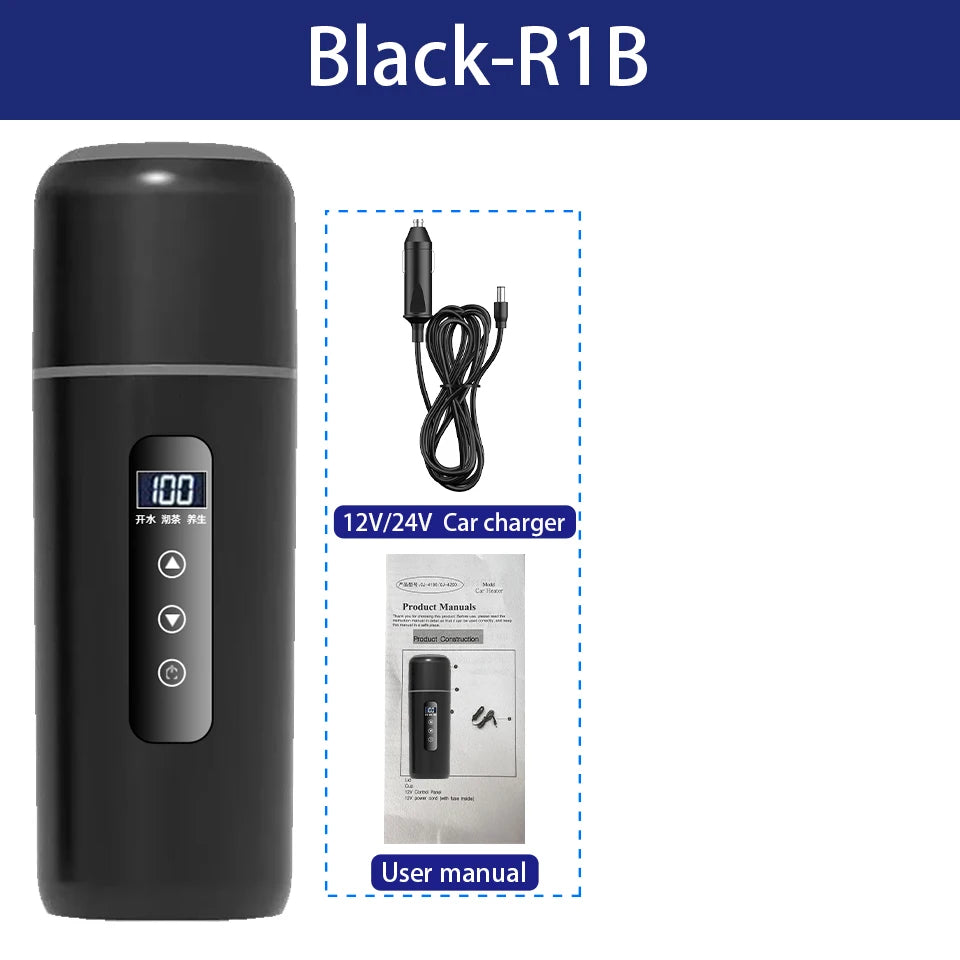
Water boiler for car convenience — See it in action
Frequently Asked Questions
Can a 12V car kettle boil water completely?
Yes. It simply takes longer than a household kettle because it operates at much lower wattage.
Can I plug a household electric kettle into my car?
Only when using a correctly sized power inverter capable of supporting the kettle's full power requirements.
How many watts can a cigarette lighter socket safely provide?
Most passenger vehicles support approximately 120W-180W, although you should always verify your specific vehicle specifications.
Will using a car kettle damage my battery?
Not when used properly. Running the engine while heating water greatly reduces battery discharge.
Should the engine be running while heating water?
Yes. This is generally the recommended practice for protecting battery capacity.
Can I use a 24V kettle in a 12V vehicle?
No. The kettle will not operate correctly and should always match the vehicle voltage.
How do I choose the correct power inverter for a kettle?
Select an inverter with continuous output that exceeds your kettle's rated wattage and follow the inverter manufacturer's installation recommendations.
Is it safe to boil water while the car is moving?
It's safer to heat water while parked. If heating while driving, ensure the kettle is firmly secured and avoid pouring hot water until the vehicle has stopped.
Related Guide: How Heat Water Car Safely Step by Step
Final Thoughts: The Right Way to Boil Water in a Car
Knowing how to use an electric kettle in a car starts with matching the kettle to your vehicle's electrical system, respecting outlet power limits, and following safe operating practices. Although heating is slower than at home, a purpose-built car kettle provides a practical, reliable way to enjoy hot water throughout your journey.