

Do Electrical Muscle Stimulation Devices Really Work?
Yes. An electric muscle therapy machine uses controlled electrical impulses to trigger muscle contractions that support circulation, reduce muscle soreness, improve mobility, and assist recovery. Research suggests EMS can be beneficial for muscle re-education, rehabilitation, and recovery when used appropriately alongside exercise, stretching, or physical therapy—not as a replacement for them.
Results depend on the user's goals, the quality of the device, correct electrode placement, and consistent use. Clinical-grade systems provide greater customization for rehabilitation, while home devices are designed for convenient day-to-day recovery and muscle maintenance.
EMS vs TENS: Understanding the Difference
EMS (Electrical Muscle Stimulation) and TENS (Transcutaneous Electrical Nerve Stimulation) are often confused, but they serve different purposes.
- EMS: stimulates muscles to contract, helping with recovery, circulation, muscle activation, and rehabilitation.
- TENS: primarily targets sensory nerves to help manage pain without producing significant muscle contractions.
Many modern recovery routines use EMS for muscle performance and TENS for temporary pain management, depending on individual needs.
What Research Says About Muscle Stimulation Effectiveness
Evidence indicates that EMS can improve muscle activation, reduce disuse-related weakness, and complement rehabilitation programs when supervised appropriately. For healthy individuals, home EMS devices are most effective as part of a broader recovery strategy that includes movement, strength training, hydration, and adequate rest.
Electric Muscle Therapy Machine Comparison (EMS): Home vs Clinic Devices
⏱ 7 min read
Are Professional Electrical Muscle Stimulators Better Than Home Devices?
Professional electrical muscle stimulators and home EMS devices rely on the same underlying technology, but they are designed for different purposes.
Professional systems are built for rehabilitation, neuromuscular re-education, and post-injury recovery under the supervision of trained clinicians. Home devices prioritize convenience, safety, affordability, and long-term maintenance for everyday muscle soreness and recovery.
So, are professional electrical muscle stimulators better than home devices? The answer depends on what you need.
- Professional EMS devices are generally better for complex rehabilitation, muscle weakness after injury, and personalized treatment plans.
- Home EMS devices are often sufficient for everyday muscle recovery, reducing stiffness, improving circulation, and supporting active lifestyles.
Rather than viewing one as universally superior, it's more useful to compare how each performs for different treatment goals.
If you've ever wondered whether repeated clinic appointments are worth the investment—or whether a quality home EMS device can provide meaningful benefits—you are asking the same question many athletes, office workers, and rehabilitation patients ask today. Modern electric muscle therapy machine technology has made effective recovery more accessible than ever, but choosing the right option depends on your health goals.
Explore how modern muscle therapy tools compare before you commit.

electric muscle therapy machine used for daily recovery — See it in action
Professional Electrical Muscle Stimulators vs Home Devices: Side-by-Side Comparison
Power Output vs Treatment Effectiveness
Professional EMS machines generally offer higher output ranges and more precise adjustments. However, higher intensity does not automatically produce better results. Treatment effectiveness depends on selecting the correct settings for the individual's condition, rather than simply maximizing intensity.
Home EMS devices intentionally limit maximum output to improve safety while still providing effective stimulation for recovery and muscle maintenance.
Waveforms, Programs and Customization
Clinical systems often provide extensive waveform options, adjustable pulse widths, frequencies ranging roughly from 1–150 Hz, and customizable treatment protocols.
Home devices simplify operation with preset programs that are easier for most users while still supporting common recovery goals.
Electrode Placement and Therapist Expertise
One of the biggest differences is not the machine itself but the professional using it. Physical therapists evaluate movement patterns, identify affected muscles, and place electrodes strategically to maximize treatment outcomes.
Home users achieve the best results by carefully following placement instructions and gradually adjusting intensity over time.
Clinical Goals vs Home Wellness Goals
- Clinic EMS: rehabilitation, neuromuscular training, post-surgical recovery, muscle atrophy management, and complex conditions.
- Home EMS: exercise recovery, temporary muscle soreness, stiffness relief, circulation support, and ongoing wellness maintenance.
What Makes Clinical Physiotherapy Equipment Different?
Clinical physiotherapy equipment is designed for supervised therapeutic care rather than general wellness. The equipment is paired with professional assessment, individualized programming, and continuous monitoring throughout treatment.
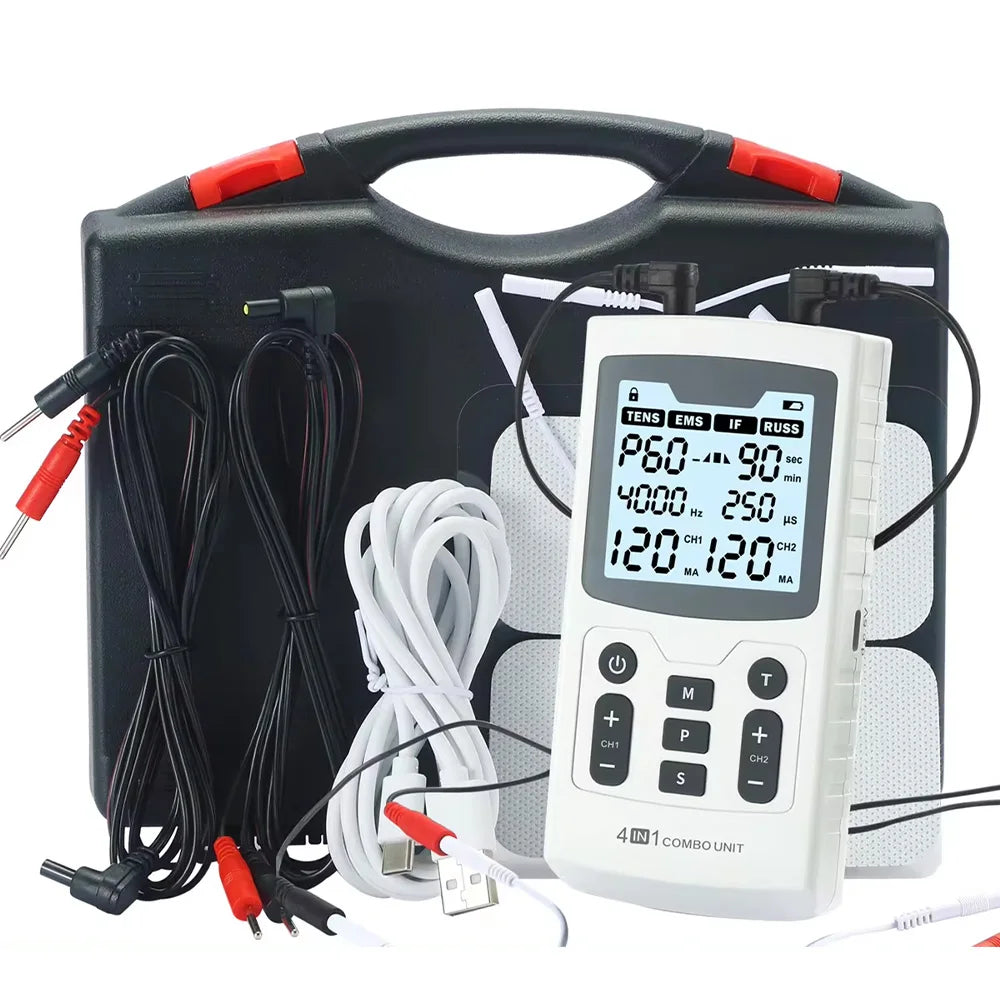
clinical-grade muscle therapy machine for targeted sessions — See it in action
Professional Assessment and Protocol Design
Before treatment begins, clinicians evaluate muscle strength, movement limitations, pain levels, and rehabilitation goals. EMS settings are then adjusted to match the patient's condition rather than relying on preset programs.
Advantages of Supervised Rehabilitation
- Individualized treatment protocols
- Professional electrode placement
- Higher therapeutic intensity when appropriate
- Integration with manual therapy and exercise programs
- Progress monitoring throughout rehabilitation
When Clinical Treatment Is Worth the Cost
Professional treatment is usually the better choice following surgery, sports injuries, neurological rehabilitation, severe muscle weakness, or persistent pain that requires medical evaluation.
Although sessions commonly cost between $30 and $100 depending on location and provider, the expertise provided is often more valuable than the machine itself for complex rehabilitation.
Home EMS Devices: Benefits, Limitations and Best Use Cases
Consumer EMS devices have become increasingly sophisticated while remaining easy to use. For many healthy adults, they provide a practical way to support regular recovery between workouts or after long days of sitting.
Discover practical ways to integrate muscle therapy into your routine.
Where Home Devices Perform Well
- Routine muscle recovery after exercise
- Managing everyday stiffness
- Supporting circulation during recovery days
- Encouraging consistent self-care habits
- Convenient treatment without appointments
Common Limitations of Consumer EMS
Consumer units typically provide fewer customization options and lower maximum intensity than professional equipment. Users must also correctly position electrodes to achieve optimal stimulation.
Home EMS should be viewed as a long-term wellness tool rather than a replacement for professional diagnosis or rehabilitation.
Many users pair home therapy with other wellness tools from Body Care and Health Devices to create a balanced routine.
Professional EMS vs Home Devices Comparison Table
| Feature | Professional EMS | Home EMS |
|---|---|---|
| Primary purpose | Medical rehabilitation | Recovery and maintenance |
| Intensity | Higher with professional supervision | Moderate with built-in safety limits |
| Customization | Extensive protocol adjustments | Preset programs |
| Electrode placement | Performed by therapist | Self-applied |
| Treatment goals | Rehabilitation and neuromuscular training | Muscle soreness, recovery, relaxation |
| Best suited for | Injury recovery and complex conditions | Healthy active adults and everyday users |
Cost Comparison: Clinic Sessions vs Owning a Home EMS Device
Short-Term Costs
- Home device: one-time purchase with minimal ongoing expenses.
- Clinic treatment: recurring fees that include professional evaluation and supervised therapy.
Long-Term Cost of Ownership
People who plan to use EMS several times each week often find a home device becomes more economical over time. Individuals recovering from significant injuries may benefit more from professional treatment despite the higher cost because treatment quality depends heavily on clinical expertise.
Safety Checklist and Contraindications
Who Should Avoid EMS
- Individuals with implanted pacemakers or defibrillators
- People with certain cardiac conditions unless approved by a physician
- Pregnant individuals unless advised by a healthcare provider
- People with unexplained pain or undiagnosed injuries
- Areas with open wounds or active skin infections
Safe Home Use Practices
- Apply electrodes only to clean, dry skin.
- Increase intensity gradually.
- Replace worn electrode pads.
- Do not use while driving or sleeping.
- Stop treatment if significant discomfort or skin irritation develops.
Myths vs Facts About Professional and Home EMS Devices
-
Myth:
Higher intensity always produces better results.
Fact: Appropriate intensity is more important than maximum power. -
Myth:
Home EMS can completely replace physical therapy.
Fact: It complements rehabilitation but does not replace professional assessment. -
Myth:
EMS builds large muscles without exercise.
Fact: EMS supports muscle activation but works best alongside exercise. -
Myth:
Professional devices use completely different technology.
Fact: Both use electrical muscle stimulation; professional systems simply offer greater control and supervision.
Which EMS Option Is Right for You?
Athletes
Home EMS devices are excellent for routine recovery between training sessions, while occasional professional treatment may help during intensive training cycles.
Rehabilitation Patients
Professional treatment is generally the preferred starting point because therapists can safely tailor treatment as healing progresses.
Chronic Pain Users
Consult a healthcare provider first. Depending on the underlying condition, a combination of supervised care and home maintenance may be appropriate.
General Fitness Users
Most people seeking muscle relaxation, recovery, and improved consistency can achieve their goals with a quality home EMS device.
How to Get the Best Results From Any EMS Device
- Clean and dry the skin before applying electrodes.
- Place pads according to the manufacturer's recommendations.
- Select the program that matches your recovery goal.
- Increase intensity gradually to a strong but comfortable level.
- Use consistently for 15–30 minute sessions.
- Combine EMS with stretching, strengthening exercises, hydration, and adequate sleep for better long-term outcomes.
For a complete wellness approach, explore Lifestyle or Body & Face Blog .
Get yours now — limited stock!
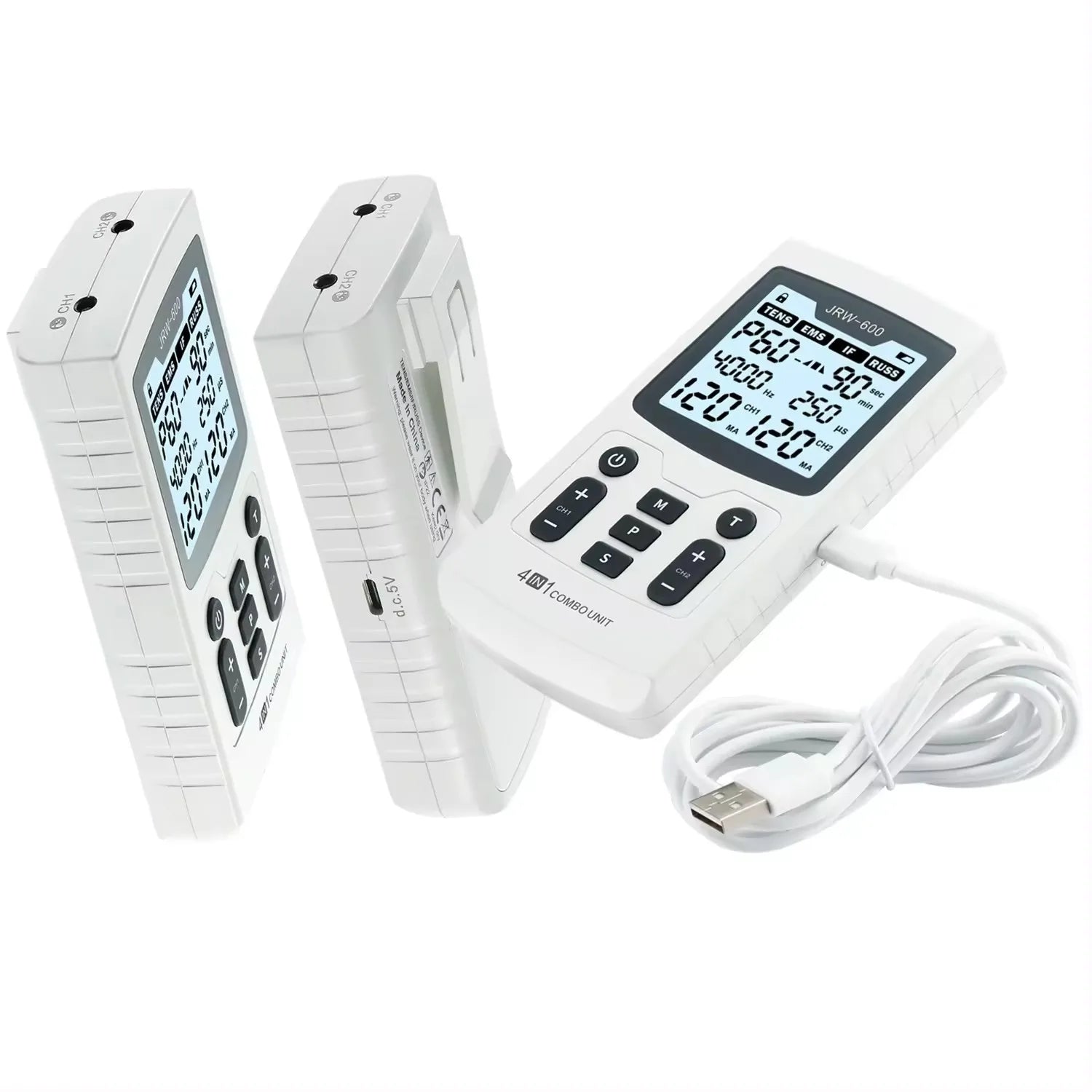
home muscle therapy machine for everyday comfort — See it in action
Frequently Asked Questions
Are professional electrical muscle stimulators more effective than home devices?
For rehabilitation and medically supervised treatment, yes. For everyday recovery and muscle maintenance, many home EMS devices provide effective results when used consistently.
Can a home EMS device provide the same results as physical therapy?
No. Home devices can support recovery but cannot replace the clinical assessment, exercise prescription, and individualized treatment provided during physical therapy.
Why are clinical EMS machines more powerful?
Clinical systems are operated by trained professionals who can safely use higher output levels and customize treatment protocols for specific rehabilitation goals.
Does higher EMS intensity produce better results?
Not necessarily. The most effective intensity is one that produces appropriate muscle contractions without excessive discomfort or poor technique.
What is the difference between EMS and TENS?
EMS stimulates muscles to contract, while TENS primarily targets nerves for temporary pain relief.
Who should use a professional EMS device instead of a home unit?
People recovering from surgery, neurological conditions, significant injuries, or severe muscle weakness generally benefit more from supervised clinical treatment.
Are home EMS devices safe for daily use?
Yes. When used according to the manufacturer's instructions and appropriate safety guidelines, most home EMS devices are designed for regular use.
How much does professional EMS treatment cost compared with buying a home device?
Clinic sessions commonly range from $30–$100 per visit, while a home device requires a one-time purchase that may become more economical for frequent users.
Related Guide: Best Electric Muscle Stimulator Device Compared for Home Use













