

Electromagnetic Muscle Stimulation: How It Works, Evidence & Safety
Electromagnetic muscle stimulation uses changing electromagnetic fields to stimulate nerves and produce involuntary skeletal-muscle contractions without placing electrical electrodes directly on the skin. The technology is used in some rehabilitation, muscle-conditioning, and noninvasive body-contouring systems. But the mechanism itself is better established than many of the long-term muscle-growth and body-composition claims used in marketing. Understanding how the field interacts with tissue, what HIFEM and EMMS mean, how electromagnetic stimulation differs from conventional EMS, and what clinical evidence actually shows can help you evaluate these systems more accurately.
This guide takes a mechanism-first approach. It explains electromagnetic muscle stimulation, treatment parameters, potential applications, evidence, safety considerations, and the limitations that matter when comparing devices.
What Is Electromagnetic Muscle Stimulation?
Simple Definition
Electromagnetic muscle stimulation is a form of neuromuscular stimulation in which a changing magnetic field generated by an applicator induces electrical effects within nearby tissue. When the induced field reaches motor nerves at sufficient intensity, it can trigger repeated muscle contractions. Unlike conventional electrical muscle stimulation, the energy does not have to pass through skin electrodes to reach the target tissue.
What Happens Inside the Muscle?
A magnetic coil generates a changing electromagnetic field. That changing field can induce a secondary electric field in conductive tissue. When the induced electrical effect is strong enough to reach excitable motor nerves, neural activation can occur. The activated motor units then cause skeletal muscle fibers to contract.
Repeated contractions can create a substantial muscular workload even though the person is not voluntarily moving the target muscle in the usual way. The physiological response depends on factors such as field strength, stimulation frequency, pulse characteristics, anatomy, applicator position, and treatment duration.
Key Terms: HIFEM, EMMS, EMS and PEMF
- HIFEM: High-Intensity Focused Electromagnetic technology. The term is commonly associated with high-intensity electromagnetic stimulation systems designed to produce strong muscle contractions.
- EMMS: Electromagnetic Muscle Stimulation. This is a broader term describing electromagnetic approaches used to stimulate muscles.
- EMS: Electrical Muscle Stimulation. Conventional EMS normally delivers electrical current through electrodes placed in contact with the body.
- PEMF: Pulsed Electromagnetic Field. PEMF describes pulsed electromagnetic-field exposure and is used across several applications. Not every PEMF system is designed to generate the strong skeletal-muscle contractions associated with muscle-stimulation devices.
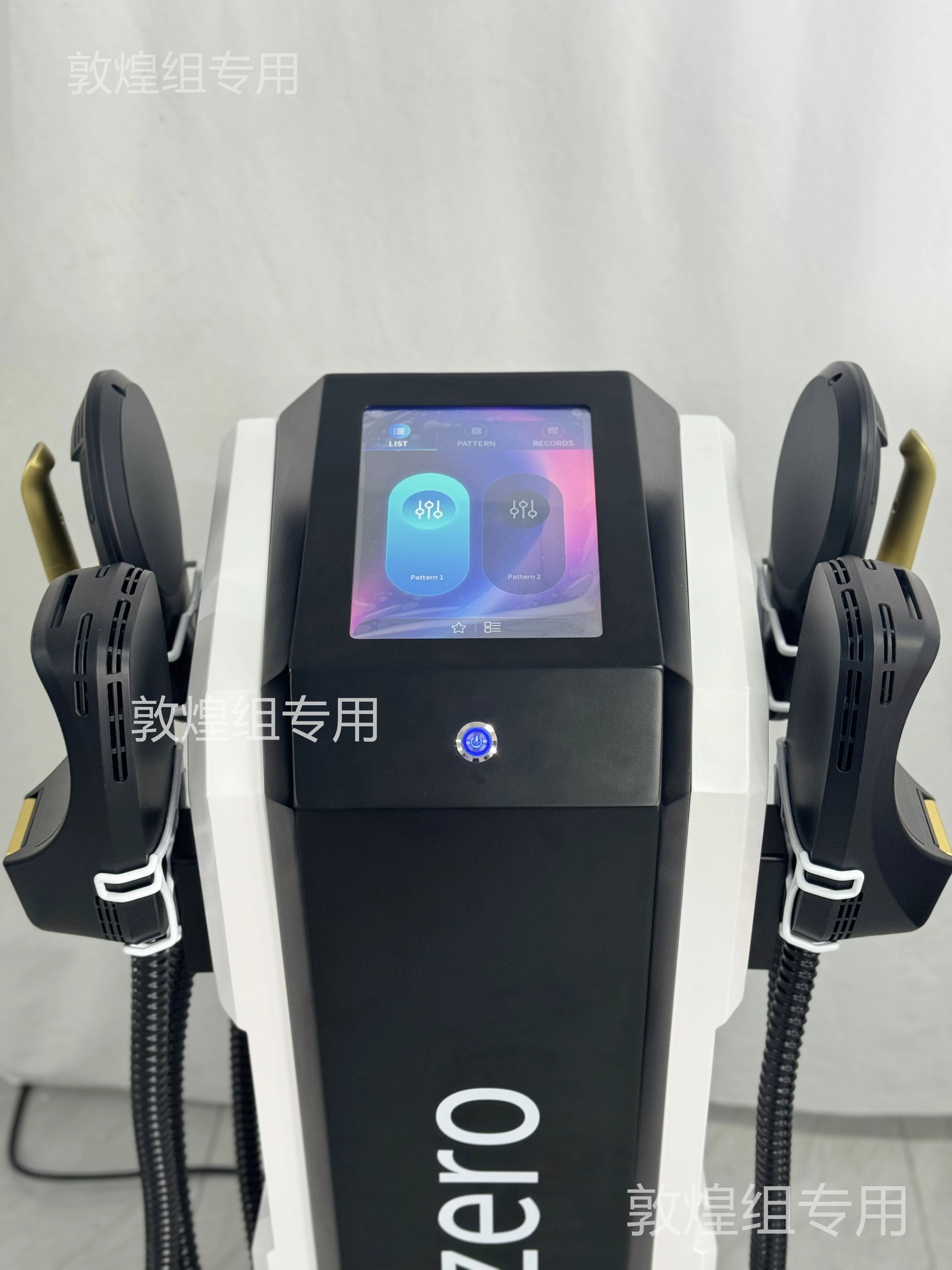
How Does Electromagnetic Muscle Stimulation Work?
Step 1: An Electromagnetic Field Is Generated
The system uses an electromagnetic applicator containing a coil or similar field-generating component. When current changes through the coil, it produces a changing magnetic field around the applicator.
The strength and characteristics of this field determine how much electromagnetic energy reaches the intended treatment region. This is one reason specifications and treatment protocols cannot be evaluated from a single number such as maximum electrical power alone.
Step 2: The Field Induces Electrical Effects in Tissue
The key distinction from conventional electrical EMS is the energy-delivery mechanism. Electromagnetic stimulation does not rely on adhesive electrodes transmitting current directly across the skin. Instead, a changing magnetic field produces an induced electric field within conductive tissue.
The FDA's device classification information describes electromagnetic stimulators for healthy muscle stimulation as devices that use a time-varying magnetic field to induce a secondary electric field in targeted tissue, which can stimulate healthy muscles.
Step 3: Motor Neurons Are Stimulated
When the induced electrical field reaches excitable neural structures at an appropriate threshold, motor neurons can be activated. These neurons control skeletal muscle fibers, so their activation produces an involuntary contraction.
This is fundamentally a neuromuscular process: the electromagnetic field is not simply “building muscle” by itself. It is creating a stimulus capable of activating the nervous system and producing muscle contractions.
Step 4: Skeletal Muscle Contracts Repeatedly
Repeated stimulation can cause the target muscle to contract again and again during a treatment session. Depending on the protocol, users may experience strong tightening, pulsing, or repeated contractions in the treated area.
The resulting physiological workload is one reason electromagnetic stimulation has attracted interest for muscle conditioning and body-contouring applications. However, producing a contraction and proving a durable increase in muscle size are not the same thing.
Why Intensity, Frequency and Treatment Duration Matter
Electromagnetic stimulation is not a single standardized stimulus. Field strength, stimulation intensity, frequency, pulse characteristics, treatment duration, treatment frequency, applicator position, and target anatomy can all influence the response.
For that reason, there is no universal electromagnetic muscle stimulation protocol that can safely or accurately be applied to every device. Treatment settings should follow the manufacturer's instructions and the intended use of the specific system.
HIFEM vs EMMS vs EMS: What's the Difference?
These terms are related but should not automatically be treated as interchangeable. Manufacturers may use overlapping terminology, while regulatory documents and scientific publications may use more specific device classifications.
HIFEM Technology
HIFEM refers to High-Intensity Focused Electromagnetic technology. In aesthetic applications, it is generally associated with electromagnetic systems designed to induce powerful muscle contractions through externally generated electromagnetic fields.
Electromagnetic Muscle Stimulation (EMMS)
EMMS is a broader descriptive term for electromagnetic approaches that stimulate muscle. It does not necessarily identify one standardized commercial technology, protocol, field strength, or clinical indication. Always examine the exact device documentation rather than assuming that two devices using the term EMMS are equivalent.
Electrical Muscle Stimulation (EMS)
Conventional EMS uses electrodes to deliver electrical stimulation through contact with the body. FDA information notes that electrical muscle stimulators have established medical applications including muscle re-education and other rehabilitation uses, while also warning against unsupported cosmetic claims.
PEMF vs Muscle-Stimulation Technologies
PEMF is an umbrella term describing pulsed electromagnetic-field exposure. Some electromagnetic systems are designed specifically to stimulate skeletal muscles, while other electromagnetic technologies have different physiological targets and intended uses. The presence of a pulsed magnetic field alone does not establish that a device is intended to produce strong muscle contractions.
Comparison Matrix: HIFEM vs EMMS vs EMS vs PEMF
| Technology | Energy Delivery | Primary Mechanism | Typical Context |
| HIFEM | High-intensity electromagnetic field | Induced electrical stimulation of motor nerves and muscle contractions | Muscle stimulation and selected body-contouring applications |
| EMMS | Electromagnetic field | Electromagnetic induction leading to neuromuscular stimulation | Muscle conditioning and electromagnetic stimulation systems |
| EMS | Electrical current through electrodes | Direct electrical stimulation of nerves and muscles | Rehabilitation, muscle re-education, and selected consumer applications |
| PEMF | Pulsed electromagnetic field | Time-varying electromagnetic exposure | Multiple therapeutic and research applications; not every system is intended for strong muscle contraction |
What Can Electromagnetic Muscle Stimulation Be Used For?
Muscle Activation and Conditioning
The most direct physiological application is muscle activation. By inducing repeated contractions, electromagnetic stimulation can provide a neuromuscular stimulus without requiring voluntary movement of the treated muscle.
Research has reported improvements in strength measurements following courses of noninvasive electromagnetic muscle stimulation, although study design, device characteristics, treatment protocols, and patient populations vary. One prospective study of upper-extremity treatment reported improvements in measured biceps and triceps strength after repeated sessions, with effects observed during follow-up.
Body Contouring Applications
Electromagnetic stimulation also appears in noninvasive body-contouring systems. The FDA describes magnetic-field body-contouring technologies as capable of triggering muscle contractions and notes that repeated contractions may improve muscle tone and firmness in certain treated areas. The agency also emphasizes that effects may be temporary and that maintenance treatments may be required.
Importantly, muscle stimulation should not automatically be interpreted as equivalent to fat loss. Body-contouring technologies use different mechanisms, and the intended effect of a specific device depends on its regulatory labeling, technology, treatment area, and evidence.
Abdominal, Gluteal and Other Large-Muscle Applications
Large muscle groups such as the abdomen, glutes, thighs, arms, and calves are commonly discussed in electromagnetic muscle-stimulation applications. However, the fact that a device can physically target a particular area does not prove that every device produces the same physiological or cosmetic result there.
For consumers researching body-focused technologies, a dedicated body care and health device collection can provide useful context when comparing device categories rather than assuming that all body-sculpting technologies operate in the same way.
Where It Does Not Replace Exercise or Medical Treatment
Electromagnetic stimulation does not automatically reproduce the complete benefits of voluntary exercise. Exercise involves mechanical loading, coordination, cardiovascular demand, movement skill, balance, and behavioral components that a stationary stimulation session does not fully replicate.
Similarly, an electromagnetic stimulation device should not be treated as a substitute for diagnosis or medical treatment when a person has pain, weakness, injury, neurological symptoms, or another health concern.
Does Electromagnetic Muscle Stimulation Actually Build Muscle?
What the Evidence Suggests About Muscle Adaptation
There is evidence that appropriately designed electromagnetic stimulation can produce measurable physiological effects, including muscle contractions and, in some studies, changes in muscle thickness or strength. For example, a randomized controlled trial involving combined radiofrequency and HIFEM treatment reported increased rectus abdominis muscle thickness after treatment, along with changes in adipose tissue thickness.
Other prospective research has reported increased strength following repeated electromagnetic stimulation sessions. These findings make muscle adaptation a reasonable area of scientific investigation, but they should not be generalized automatically to every electromagnetic device.
Muscle Contraction Is Not the Same as Proven Hypertrophy
A visible or powerful contraction demonstrates that stimulation is affecting the neuromuscular system. It does not, by itself, prove long-term hypertrophy.
To establish meaningful muscle growth, researchers need objective measurements and appropriate follow-up. Muscle thickness, strength, functional performance, body composition, and durability of results can provide more useful evidence than photographs or the sensation of a strong contraction during a session.
What Makes a Study Clinically Persuasive?
- Appropriate sample size and clearly defined participants.
- A meaningful control or comparison group.
- Objective outcome measurements rather than photographs alone.
- A treatment protocol that is clearly described.
- Sufficient follow-up to distinguish temporary changes from durable adaptation.
- Statistical analysis that matches the study design.
- Independent replication where possible.
How Strong Is the Current Evidence?
The evidence is best described as technology- and protocol-dependent. Some controlled and prospective studies report improvements in muscle thickness or strength, but that does not establish that every commercial electromagnetic muscle stimulation machine produces equivalent outcomes.
Manufacturer-sponsored research can be useful, but readers should also examine independent studies, study size, controls, endpoints, and follow-up duration. The strongest conclusions come from converging evidence rather than a single before-and-after study.
Electromagnetic Muscle Stimulation Treatment Parameters
Field Strength and Stimulation Intensity
Field strength is central to electromagnetic stimulation because the induced electrical effect depends on the characteristics of the magnetic field reaching the target tissue. Higher intensity is not automatically better for every person or every application; the appropriate range depends on the specific device and intended use.
Frequency and Pulse Characteristics
Frequency and pulse characteristics influence how contractions are generated and experienced. Different stimulation patterns can produce different contraction behaviors and treatment sensations.
A commercial system may advertise a broad frequency range, but the existence of that range does not mean every frequency is appropriate for every body area or objective. Device-specific instructions remain essential.
Session Duration and Treatment Frequency
Session length and treatment frequency vary considerably by technology and application. A protocol used in a clinical study should not automatically be copied for another commercial system with different hardware and field characteristics.
Treatment Area and Applicator Positioning
Position matters because the electromagnetic field interacts with the anatomy underneath the applicator. Muscle size, tissue depth, body position, applicator design, and target muscle can all influence the resulting stimulus.
Is Electromagnetic Muscle Stimulation Safe?
Common Sensations and Short-Term Effects
Strong involuntary contractions are an expected feature of muscle-stimulation treatment. Muscle fatigue, soreness, cramping, or discomfort may also occur. The FDA specifically identifies muscle soreness and cramps among possible complications associated with magnetic-field body-contouring technologies.
Who Should Avoid Electromagnetic Muscle Stimulation?
Safety depends on the exact device and its intended use. FDA guidance for magnetic-field body-contouring technologies warns against use in people with active implanted electronic devices such as pacemakers or implantable cardioverter-defibrillators and against certain metal under the skin.
Because electromagnetic fields can interact with implanted devices or conductive materials, people with implants, metal hardware, or relevant medical conditions should not assume that a general statement about “noninvasive” means a device is automatically appropriate for them. Device-specific contraindications and professional medical advice should take priority.
Why Device-Specific Safety Instructions Matter
Two machines that both use electromagnetic stimulation may differ in field characteristics, applicator design, treatment areas, intended users, and regulatory status. Therefore, safety cannot be inferred from the technology name alone.
Before using a professional or home-use system, review its instructions, warnings, intended-use documentation, treatment parameters, and applicable regulatory information. The FDA recommends that people considering noninvasive body contouring understand the benefits, limitations, and risks of the specific procedure and device.
FDA Clearance, Authorization and What It Does Not Mean
Regulatory status should be interpreted carefully. FDA clearance or authorization applies to a device's specific legally supported intended use; it does not mean that every marketing claim associated with a technology has been independently proven.
The FDA's current classification information includes electromagnetic stimulators for healthy muscle stimulation under a powered muscle-stimulator classification. The agency's broader body-contouring guidance also distinguishes the effects, risks, and limitations of individual technologies.
Electromagnetic Muscle Stimulation vs Conventional Exercise
Voluntary Muscle Contractions vs Induced Contractions
During conventional resistance exercise, the nervous system voluntarily recruits motor units to generate force against an external load. During electromagnetic stimulation, the device produces an external stimulus that can activate motor nerves and trigger involuntary contractions.
Both processes involve neuromuscular activation, but the circumstances and physiological demands are different.
What Stimulation Can and Cannot Replicate
Electromagnetic stimulation can create repeated muscle contractions, but a stationary treatment does not automatically provide the cardiovascular stimulus, mechanical loading, coordination demands, range-of-motion practice, and whole-body activity associated with exercise.
This distinction matters when evaluating claims such as “replaces workouts.” A stimulation session should generally be viewed according to its specific intended purpose rather than as a universal substitute for physical activity.
Can It Complement a Training Program?
Potentially, depending on the person's goals, the device, and its intended use. Electromagnetic stimulation may provide an additional neuromuscular stimulus, but the available evidence should be evaluated for the exact technology and outcome being considered.
For broader wellness and device research, the Body & Face Blog provides a related educational category for body-focused care and technology topics.
Limitations and Common Claims to Question
Results Vary by Device and Protocol
Results from one electromagnetic stimulation platform cannot automatically be generalized to another. Differences in field generation, applicator geometry, treatment intensity, frequency, session design, and target anatomy can materially change the stimulus.
Short-Term Changes vs Long-Term Outcomes
A temporary increase in muscle firmness, a strong contraction during treatment, or an early change in measurements does not necessarily establish a durable increase in muscle mass or a permanent change in body composition.
The FDA notes that effects from magnetic-field body-contouring procedures may be temporary and may require ongoing procedures to maintain them.
Small Samples and Industry-Sponsored Research
Small studies can identify promising effects but may not provide enough evidence to establish how reliably a result applies to a broader population. Industry-funded studies are not automatically invalid, but funding source, sample size, controls, objective endpoints, and independent replication should all be considered.
Why Before-and-After Photos Are Not Enough
Photographs can be affected by lighting, posture, camera angle, hydration, muscle contraction, and other variables. Objective measurements and appropriately controlled study designs provide stronger evidence for claims about muscle thickness, strength, or body composition.
When comparing a commercial device, it is therefore useful to look beyond promotional images and examine the exact technology, technical specifications, intended use, safety documentation, and evidence supporting the particular outcome you care about.
How to Evaluate an Electromagnetic Muscle Stimulation Device
Check the Exact Technology Used
First identify whether the device uses HIFEM, another electromagnetic stimulation approach, conventional electrical EMS, or a different modality. Marketing terminology can overlap, so the underlying energy-delivery mechanism matters more than the product label.
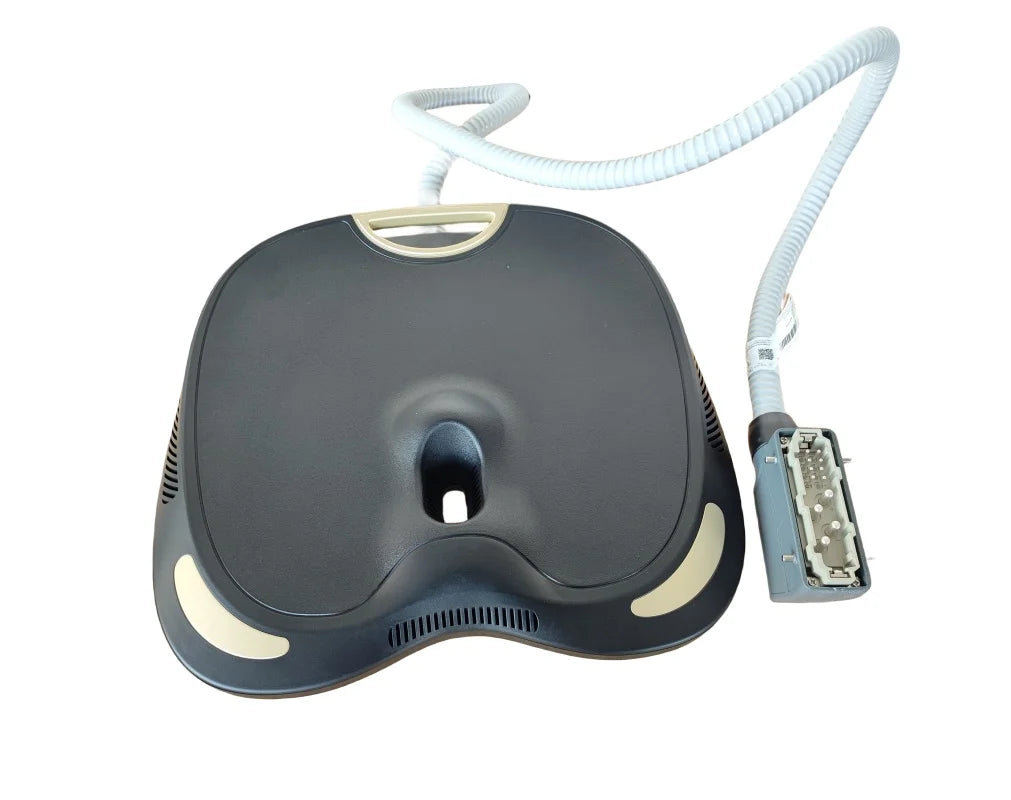
For example, the EMS Body Slimming Machine for muscle toning and body sculpting is described as an electromagnetic muscle stimulation system with HI-EMT-inspired technology, adjustable operating modes, four handles, and targeted use across areas including the abdomen, arms, legs, and glutes. Those specifications describe this particular product and should not be treated as evidence that all HIFEM or electromagnetic systems have identical performance.
Review Intended Use and Regulatory Documentation
Intended use is one of the most important details to check. A device's regulatory status, labeling, and permitted claims are more meaningful than a generic statement that it uses “high-intensity” electromagnetic energy.
Look for Human Clinical Evidence
When a manufacturer makes a claim about muscle growth, strengthening, toning, fat reduction, or body contouring, look for human studies that actually evaluate that outcome. Ideally, the device and protocol should match the product being evaluated rather than relying on evidence from a technically different system.
Compare Treatment Parameters and Safety Information
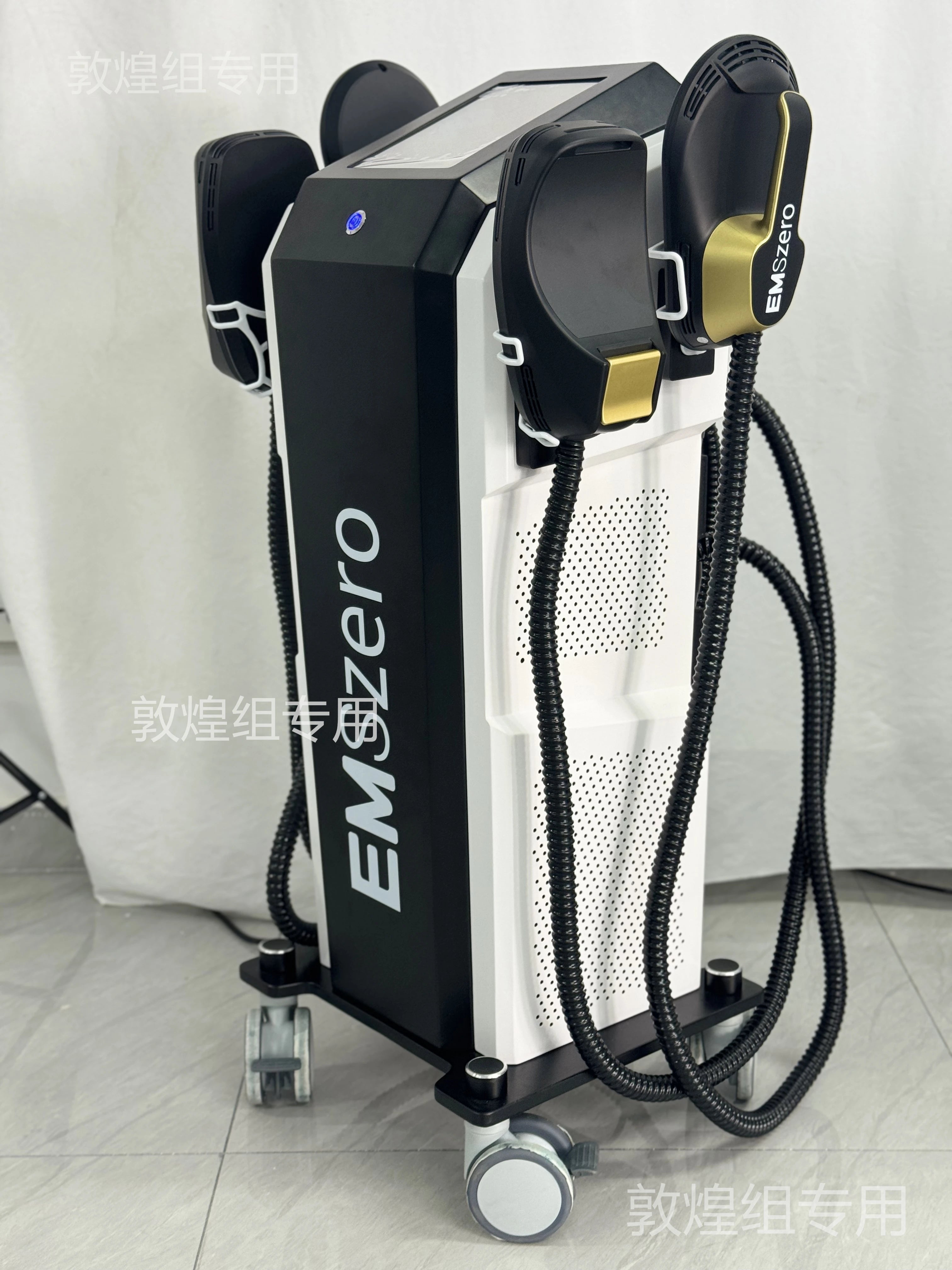
Technical specifications can help establish what a machine is designed to do, but specifications should not be mistaken for clinical proof. For example, the KentDO system is listed with a 5–100 Hz frequency range, a 15.6-inch display, four handles, air cooling, AC 110–220V operation, electromagnetic muscle stimulation technology, and a one-year warranty. These are product specifications, not independent evidence of a particular clinical outcome.
For readers comparing equipment for a professional or home-use setting, the Body Care and Health Devices collection is a useful place to review related device categories while keeping the technology and intended-use differences in mind.
Key Takeaways: What the Evidence Supports
What Is Well Established
- Changing electromagnetic fields can induce electrical effects in conductive tissue.
- Appropriately configured electromagnetic stimulation can activate motor nerves and produce skeletal-muscle contractions.
- Electromagnetic muscle stimulation differs from conventional electrical EMS because it uses an externally generated magnetic field rather than relying on electrodes to deliver current through the skin.
- Some human studies have reported measurable changes in muscle strength or muscle thickness following specific electromagnetic stimulation protocols.
- Magnetic-field body-contouring technologies have recognized potential effects on muscle tone and firmness in certain applications.
What Remains Technology- and Evidence-Dependent
- The magnitude and durability of muscle hypertrophy from electromagnetic stimulation.
- Whether results from one commercial platform apply to another.
- The degree to which electromagnetic stimulation changes body composition.
- How long cosmetic or muscle-conditioning effects persist without maintenance treatment.
- Whether a particular device is appropriate for home use, professional use, or a specific body area.
Electromagnetic muscle stimulation is therefore best understood as a specific neuromuscular stimulation technology, not as a universal replacement for exercise or a guarantee of fat loss or muscle growth. HIFEM, EMMS, EMS, and PEMF should not be treated as interchangeable terms, and the exact device, treatment parameters, intended use, safety labeling, and quality of clinical evidence all matter.
If you are evaluating equipment for body sculpting or muscle-conditioning applications, a system such as the EMS Body Slimming Machine can be assessed using the same framework: identify the underlying technology, verify its intended use, review its specifications and safety information, and separate the manufacturer's product description from independently established clinical evidence.
For additional education before comparing body-focused technologies, you can also explore the Beauty & Self-Care Blog and related device resources. The most useful comparison is ultimately the one that matches the technology to the intended outcome while keeping evidence, safety, and realistic expectations in view.
Pillar Article: Abdominal Muscle Stimulation: How Devices Work and What to Know













