

Does an electronic ignition camping heater really work in cold weather?
Short answer
Yes. An electronic ignition camping heater works reliably in cold weather because it uses a battery-powered ignition module to create a consistent spark that lights the fuel quickly. Compared with manual ignition methods, it reduces failed startups, minimizes fuel wasted during ignition, and provides dependable heat for winter camping when temperatures drop below freezing.
When electronic ignition performs best
The electronic ignition camping heater benefits are most noticeable during camping heater cold weather situations where wind, moisture, gloves, and freezing temperatures make manual lighting difficult. A quality electronic ignition system offers:
- Fast push-button startup without matches or lighters
- Reliable ignition in cold, damp, or windy conditions
- More consistent flame stability after ignition
- Reduced time spent exposed to harsh weather while setting up camp
Common limitations
Electronic ignition improves reliability but is not completely maintenance-free. Most systems rely on batteries, which can lose performance in extreme cold. Carrying fresh spare batteries, protecting the heater from excessive moisture, and following the manufacturer's operating instructions help ensure dependable ignition throughout your trip.
Electronic Ignition Camping Heater Benefits in Cold Weather
Camping in freezing temperatures can quickly become uncomfortable—or even unsafe—if your heater struggles to ignite. Whether you're setting up camp before sunrise or preparing for a freezing night, a dependable ignition system makes a noticeable difference. The electronic ignition camping heater benefits include faster startups, dependable cold-weather performance, improved convenience, and reliable outdoor warmth when you need it most.
⏱ 6 min read
Explore the electronic ignition camping heater options
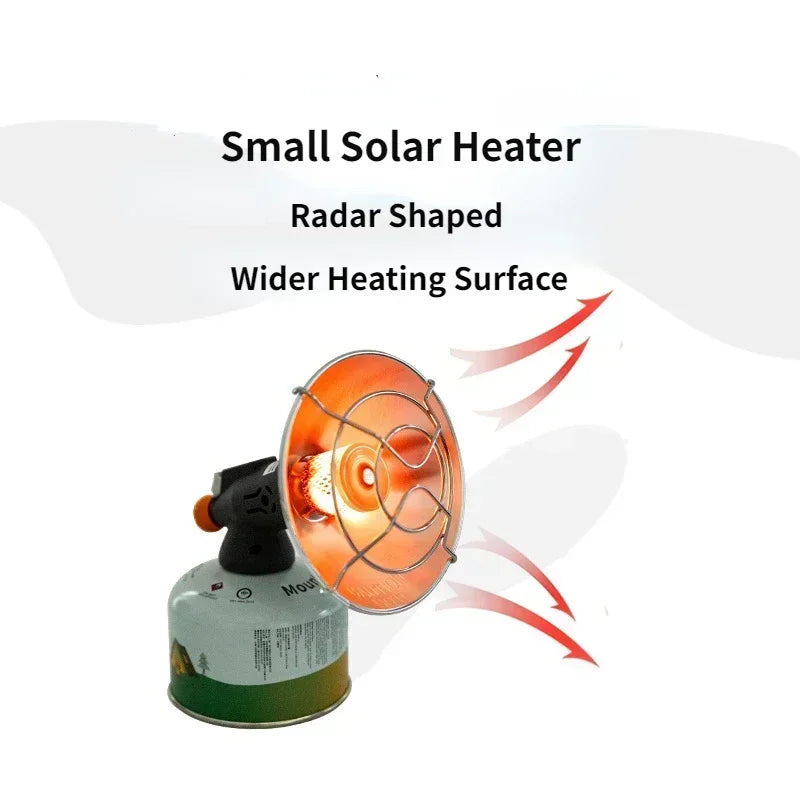
Reliable warmth for camping in cold weather — See it in action
How Electronic Ignition Works in a Camping Heater
Understanding how an electronic ignition heater works helps explain why it performs so well in winter conditions. Instead of relying on an open flame or manual lighter, a propane camping heater ignition system uses an electronic circuit to generate a controlled spark precisely when fuel reaches the burner. This results in quicker ignition, more consistent starts, and less frustration during cold-weather camping.
Key Components of an Electronic Ignition System
- Battery or power source that supplies energy for the ignition circuit.
- Ignition control module that converts electrical energy into a high-voltage spark.
- Spark electrode positioned beside the burner to ignite the fuel-air mixture.
- Gas control valve that releases a measured flow of propane for safe combustion.
Step-by-Step Ignition Process
- The user presses the ignition button or turns the control knob.
- The gas valve opens and releases a controlled amount of propane.
- The ignition module sends voltage to the electrode.
- A concentrated spark ignites the propane-air mixture at the burner.
- Once lit, the burner maintains a steady flame while the gas valve regulates fuel flow for consistent heating.
Electronic Ignition vs Spark Generation
Although both electronic and piezo systems create sparks, they generate them differently. An electronic ignition uses battery power to deliver a consistent spark each time the button is pressed, while a mechanical piezo igniter produces a spark through physical force. Because electronic systems maintain more consistent spark strength, they generally provide more reliable starts in cold weather, making them a preferred choice for winter camping and other demanding outdoor conditions.
Why Ignition Systems Matter When Camping in Cold Weather
Reliable ignition is one of the most important factors affecting camping heater cold weather performance. Even a high-quality propane heater can become frustrating to use if it takes multiple attempts to ignite or fails to produce a stable flame when temperatures drop. Understanding how cold weather affects both fuel and ignition systems helps you choose equipment that delivers dependable heat when conditions are challenging.
Cold Weather Challenges for Traditional Ignition
- Cold temperatures slow propane vaporization, making ignition less efficient.
- Wind, snow, and moisture can extinguish or disrupt open flames during startup.
- Manual lighting is more difficult while wearing insulated gloves or with cold, numb hands.
- Repeated ignition attempts increase fuel waste and delay heating.
- Freezing conditions may expose weaknesses in older or worn ignition components.
Why Electronic Systems Perform Better in Low Temperatures
Electronic ignition systems improve outdoor heater reliability for camping by producing a consistent spark whenever the ignition button is pressed. Instead of relying on an external flame, the ignition module delivers controlled, repeatable performance that helps reduce startup failures.
- Consistent spark generation regardless of moderate weather conditions.
- Quick push-button operation with minimal manual effort.
- Higher first-attempt ignition success in cold environments.
- Reduced setup time, limiting exposure to freezing temperatures.
- More dependable operation for campers seeking the best camping heater for winter .
Battery Performance in Freezing Conditions
Electronic ignition depends on battery power, and all batteries experience some capacity loss as temperatures fall. To maintain reliable performance, install fresh, high-quality batteries before winter trips, store spare batteries in a warm pocket, and replace weak batteries promptly if ignition becomes slower than normal. These simple habits help ensure dependable starts throughout extended cold-weather camping adventures.
Key Benefits of Electronic Ignition Camping Heaters
The practical electronic ignition camping heater benefits extend beyond easier startup. For frequent campers, the combination of convenience, efficient operation, and dependable performance makes an electronic ignition system a worthwhile upgrade over traditional manual lighting methods.
Instant Start and Ease of Use
Instant ignition lets you light the heater with a single press of a button. This streamlined operation is particularly valuable during windy mornings, freezing evenings, or whenever quick access to warmth is important.
Improved Safety and Controlled Ignition
Controlled ignition delivers a predictable spark directly at the burner, reducing repeated lighting attempts and helping create a cleaner startup. Many portable camping gas heater models also incorporate built-in safety mechanisms such as flame monitoring or automatic gas shutoff.
Better Fuel Efficiency and Less Waste
Because the burner ignites quickly, less propane is released before combustion begins. This improves startup efficiency, reduces unnecessary fuel consumption, and can help each fuel canister last longer during multi-day camping trips.
Consistent Heat Output in Harsh Conditions
Once operating, a reliable ignition system supports stable burner performance across a range of outdoor environments, including cold mornings, breezy campsites, and higher elevations where dependable heat is especially valuable.
Long-Term Convenience
Over time, the convenience of push-button ignition becomes one of the biggest camping heater advantages . Faster setup, fewer failed starts, and less dependence on matches or lighters simplify every trip, whether you camp occasionally or throughout the winter season.
See how a portable camping gas heater upgrades your winter gear
Electronic Ignition vs Manual and Piezo Ignition Systems
Choosing the right propane camping heater ignition system affects how quickly your heater starts, how reliably it performs in winter, and how convenient it is to operate outdoors. Comparing the three common ignition types makes it easier to select a heater that matches your camping style and expected weather conditions.
Feature Comparison Table
| Feature | Electronic Ignition | Piezo Ignition | Manual Ignition |
|---|---|---|---|
| Startup Method | Battery-powered push button | Mechanical push-button spark | Matches or lighter required |
| Cold Weather Performance | Excellent with fresh batteries | Good but spark strength may decrease over time | Most affected by wind and freezing temperatures |
| Ease of Use | Very easy, one-handed operation | Easy to operate | Requires more manual effort |
| Fuel Efficiency During Startup | High with minimal wasted propane | Moderate | Lower if repeated ignition attempts are needed |
| Maintenance | Occasional battery replacement | Minimal mechanical maintenance | No ignition components, but external flame required |
Electronic vs Manual Ignition
Manual ignition systems remain functional and simple, but they rely on an external flame to ignite propane. In cold or windy conditions, this can make startup slower and less predictable. Electronic ignition offers several camping heater advantages by reducing setup time and making ignition more convenient.
- Electronic: Fast push-button ignition with a consistent spark.
- Manual: Requires a lighter or matches before each startup.
- Electronic: Easier to operate while wearing gloves.
- Manual: More susceptible to wind interfering with the ignition process.
Electronic vs Piezo Ignition
Piezo ignition systems generate a spark mechanically without using batteries. They are dependable for many campers but can require additional presses as components wear. Electronic ignition uses battery power to deliver a more consistent spark, particularly beneficial during demanding winter trips.
- Electronic: Battery-powered ignition with consistent spark output.
- Piezo: Mechanical spark generated through pressure.
- Electronic: Better suited to repeated cold-weather startups.
- Piezo: May occasionally require multiple attempts, especially after extended use.
Which System Is Best for Winter Camping?
If you're searching for the best camping heater for winter , electronic ignition is generally the strongest choice. It combines quick startup, dependable performance, and user-friendly operation in freezing conditions. Piezo ignition remains a solid option for campers who prefer a battery-free design, while manual ignition may still be suitable for occasional fair-weather trips where simplicity is the highest priority.
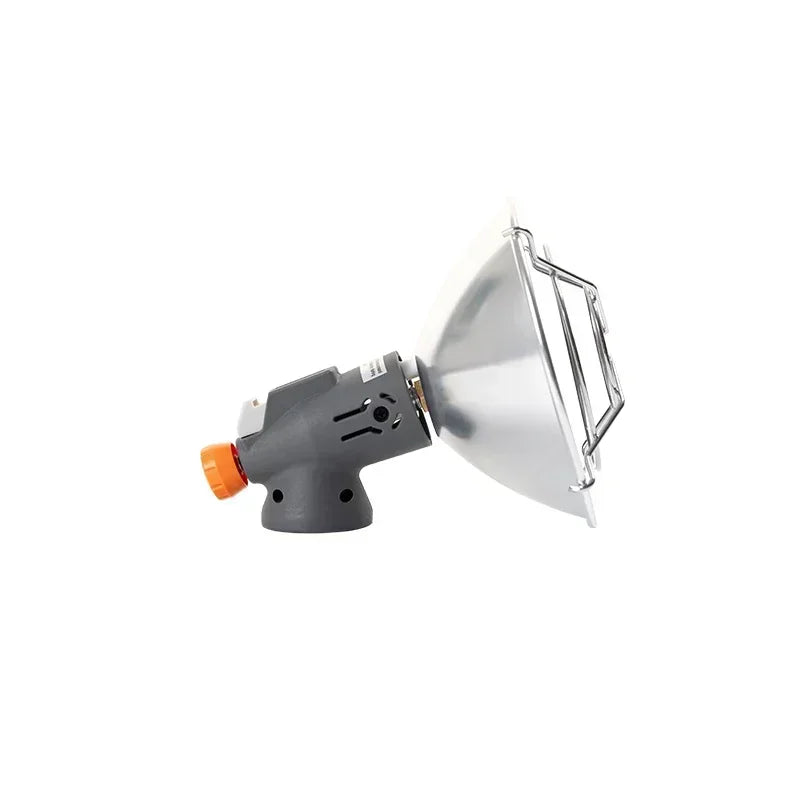
Portable camping gas heater performance in real conditions — See it in action
Real-World Use Cases: Camping Heater Performance in Cold Weather
Performance in the field depends on more than specifications alone. Reliable ignition, proper fuel management, and thoughtful campsite setup all contribute to dependable heating during winter adventures.
Overnight Heating Reliability
Campers spending nights in cold environments appreciate heaters that start easily after periods of inactivity. A dependable ignition system minimizes interruptions when restarting the heater in the evening or early morning, helping maintain comfort throughout the trip.
Performance in Wind, Snow, and Freezing Temperatures
Snow, freezing air, and gusty conditions place extra demands on outdoor heating equipment. While no portable heater is completely immune to severe weather, electronic ignition systems typically provide more consistent startups than manual methods when paired with fresh batteries and properly stored propane canisters.
Car Camping vs Tent Camping
Electronic ignition heaters are particularly convenient for car campers who frequently stop, cook, or warm up throughout the day. Regardless of camping style, always follow manufacturer guidance regarding ventilation and never operate propane heaters in unsafe enclosed spaces.
Emergency Backup Planning
Even reliable equipment benefits from a backup plan. Carry spare batteries for electronic ignition systems, keep an additional fuel canister available, and pack extra cold-weather essentials so you're prepared if conditions become more severe than expected.
For those who browse the Lifestyle collection, winter-ready gear is about comfort and reliability, not complexity.
Camping Heater Safety Tips for Electronic Ignition Systems
Following proven camping heater safety tips is just as important as choosing a reliable heater. Electronic ignition simplifies startup, but safe operation depends on proper ventilation, routine maintenance, and careful campsite practices.
Safe Setup and Ventilation
- Operate propane heaters only in areas with adequate ventilation as recommended by the manufacturer.
- Place the heater on a stable, level, non-flammable surface before lighting.
- Maintain the recommended clearance from sleeping bags, clothing, tents, and other combustible materials.
- Protect the heater from tipping, especially on uneven or icy ground.
- Keep children and pets at a safe distance from hot surfaces during operation.
Battery and Ignition System Maintenance
Routine maintenance helps preserve reliable ignition throughout the camping season.
- Install fresh batteries before extended trips and carry spare batteries in cold weather.
- Keep the ignition electrode clean and free from dirt, soot, or moisture.
- Inspect fuel connections and hoses for wear before every outing.
- Store the heater in a dry location to protect electronic components between trips.
- Replace damaged or worn ignition parts according to the manufacturer's recommendations.
Carbon Monoxide Safety
Every propane heater produces combustion gases. Never use a portable propane heater inside a completely enclosed tent, vehicle, camper, or other unventilated space. Adequate airflow is essential to reduce carbon monoxide risks. If you camp in enclosed shelters approved for heater use, consider carrying a portable carbon monoxide detector for an additional layer of safety.
Common Mistakes to Avoid
- Operating heaters in enclosed spaces without proper ventilation.
- Ignoring routine inspection of batteries, fuel connections, and ignition components.
- Using damaged propane cylinders or leaking fuel fittings.
- Attempting to modify or repair the ignition system without following manufacturer guidance.
- Leaving a running heater unattended for extended periods.
Learn how this heater simplifies cold-weather camping
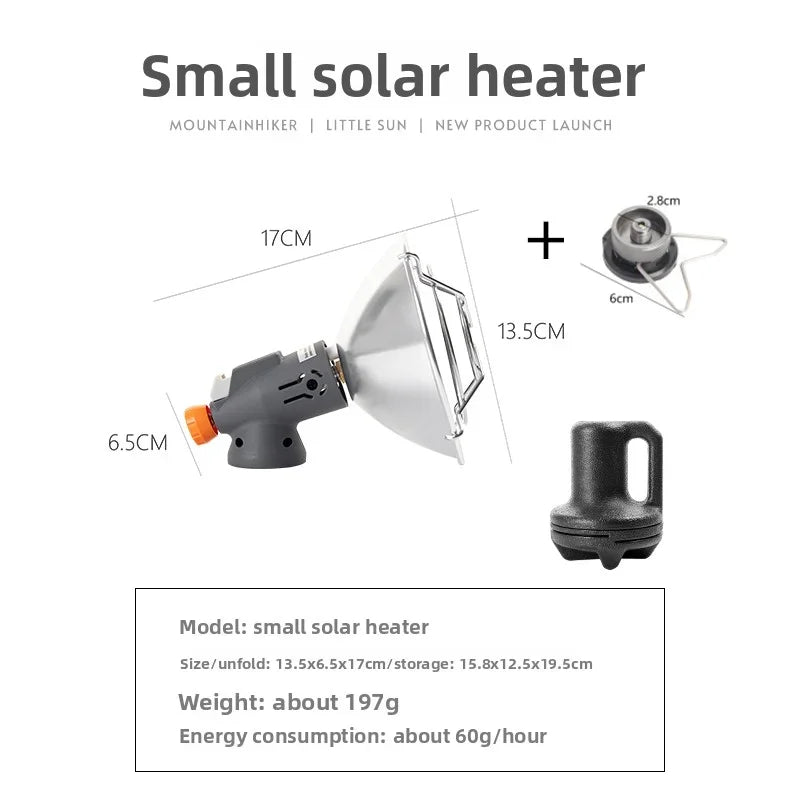
Reliable outdoor heating for winter nights — See it in action
Who Should Choose an Electronic Ignition Camping Heater?
Not every camper has the same needs. The right heater depends on how often you camp, the weather you expect, and the level of convenience you want during setup and operation.
Best for Winter Campers
If you regularly camp in freezing temperatures, an electronic ignition model is often the best camping heater for winter . Fast, dependable ignition and consistent operation reduce the hassle of starting a heater in cold, windy conditions.
- Frequent winter campers
- Ice fishing enthusiasts
- Hunters using temporary shelters
- Backcountry base camps where reliable heat is essential
Best for Families and Beginners
A portable camping gas heater with electronic ignition is also well suited to campers who value simplicity. Push-button operation reduces the learning curve, making it easier for beginners to light the heater correctly while allowing families to spend less time setting up and more time enjoying camp.
- First-time campers
- Family camping trips
- Weekend campers seeking convenience
- Travelers who frequently move between campsites
When a Manual Heater May Be Sufficient
Manual ignition heaters can still be a practical option for occasional campers who primarily travel in mild weather and prefer a simpler, battery-free design. However, for anyone who camps regularly in cold climates, the added convenience and reliability of electronic ignition generally outweigh the small maintenance requirement of replacing batteries.
Frequently Asked Questions
Is an electronic ignition camping heater safe to use?
Yes. When used according to the manufacturer's instructions with adequate ventilation, an electronic ignition camping heater provides a controlled ignition process that eliminates the need for matches or lighters. Safe operation still depends on proper placement, regular maintenance, and following recommended ventilation practices.
How does an electronic ignition camping heater work?
The system uses a battery-powered ignition module to generate a high-voltage spark at the burner. Once the gas valve releases propane, the spark ignites the fuel almost instantly, producing a stable flame with minimal startup delay.
Does cold weather affect electronic ignition?
The ignition system itself is designed for low-temperature operation, but extremely cold weather can reduce battery performance. Installing fresh batteries before your trip and carrying spares helps maintain reliable ignition throughout winter camping.
Does electronic ignition use more battery power in winter?
The ignition system only draws battery power during startup, so overall consumption remains relatively low. However, batteries naturally lose capacity in freezing temperatures, making high-quality replacements and proper storage especially important.
Is it worth upgrading from a manual heater?
If you camp frequently in cold, windy, or unpredictable weather, upgrading offers worthwhile benefits including easier startup, fewer failed ignition attempts, improved convenience, and more dependable cold-weather performance.
Can I manually light an electronic ignition heater if the battery dies?
That depends on the specific heater design. Some models include a manual lighting procedure, while others rely entirely on the electronic ignition system. Always consult the manufacturer's instructions before attempting manual ignition.
Do electronic ignition heaters need batteries?
Yes. Most electronic ignition systems require batteries to create the ignition spark. Carrying spare batteries is recommended, especially during extended camping trips or when temperatures are expected to fall below freezing.
Are electronic ignition camping heaters safer than piezo models?
Both ignition systems can be safe when properly designed and used correctly. Electronic ignition often offers more consistent startup performance, while overall safety depends on ventilation, fuel system integrity, proper operation, and adherence to manufacturer guidelines.
What maintenance keeps the ignition system reliable?
Inspect batteries before every trip, keep the ignition electrode clean and dry, check propane connections for leaks or damage, and store the heater in a dry location between camping seasons. Routine maintenance helps ensure dependable performance year after year.
Does electronic ignition improve fuel efficiency?
Electronic ignition can improve startup efficiency because the burner lights quickly, reducing propane wasted during repeated ignition attempts. Overall fuel consumption still depends on heater output, ambient temperature, and usage duration.
What causes ignition failure in freezing temperatures?
Weak batteries, moisture on ignition components, worn electrodes, contaminated burners, damaged fuel connections, or poor propane vaporization in extremely cold conditions can all contribute to ignition problems. Regular inspection and preventative maintenance reduce the likelihood of these issues.
Who benefits most from an electronic ignition camping heater?
Winter campers, overlanders, family campers, hunters, ice anglers, and anyone who regularly camps in cold environments benefit most from the convenience, reliability, and ease of use offered by electronic ignition systems.
Get yours now — limited stock!
Related Guide: Portable Heater Safety Features That Matter Outdoors













