

EMS Body Sculpting: Machine Specs, Benefits & Buying Guide
What separates an effective EMS body sculpting machine from a generic body slimming device? The answer is not simply a high power rating or a low purchase price. Buyers should evaluate the stimulation technology, treatment-area coverage, applicator configuration, adjustable controls, operating workflow, safety documentation, warranty, and after-sales support. Electromagnetic muscle stimulation is designed to create repeated involuntary muscle contractions, making it relevant to muscle conditioning and non-invasive body contouring applications.
This guide explains how EMS body sculpting machines work, which areas they can target, the specifications worth comparing, how a typical treatment workflow is organized, and what to verify before choosing equipment for professional or home-use settings.
What Is an EMS Body Sculpting Machine?
An EMS body sculpting machine is a non-invasive body contouring system that uses muscle stimulation technology to produce controlled muscle contractions. In electromagnetic systems, focused electromagnetic energy is used to stimulate targeted muscles without requiring conventional voluntary exercise during the treatment.
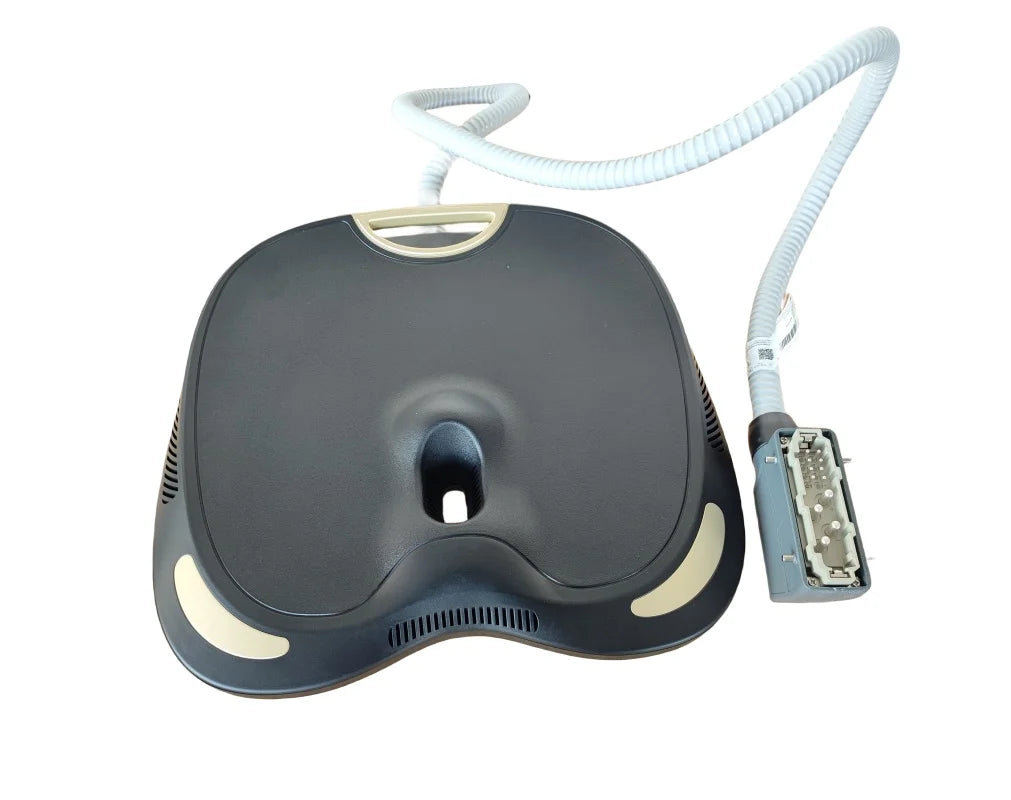
How electromagnetic muscle stimulation works
Electromagnetic muscle stimulation works by delivering electromagnetic energy to selected muscle groups. The stimulation can trigger repeated involuntary contractions, creating a muscle-conditioning stimulus. The practical goal for body sculpting applications is targeted muscle stimulation that may support a firmer, more defined appearance when incorporated into an appropriate routine.
The exact experience and performance depend on the machine's technology, operating parameters, applicator design, treatment area, and user settings. Buyers should therefore evaluate documented specifications instead of assuming that every machine marketed as EMS provides the same type or level of stimulation.
EMS muscle stimulation vs. conventional electrical stimulation
The term EMS is sometimes used broadly for different muscle-stimulation technologies. Conventional electrical muscle stimulation typically uses electrodes to deliver electrical impulses through contact points on the skin. Electromagnetic systems instead use electromagnetic energy to stimulate targeted muscles.
Because these technologies are not identical, buyers should read the manufacturer's technical documentation carefully. A product described as an electromagnetic muscle stimulation machine should not automatically be treated as interchangeable with every electrode-based EMS device.
What body sculpting can and cannot mean
Body sculpting generally refers to improving the appearance or contour of selected body areas rather than achieving generalized weight loss. An EMS body sculpting machine may be positioned around muscle conditioning, toning, strengthening, and body contouring, but those objectives should not be confused with guaranteed fat loss or a substitute for nutrition and physical activity.
For buyers researching body slimming equipment, the most useful question is therefore not simply “Does EMS burn fat?” but “Does the machine provide the stimulation technology, treatment coverage, controls, and workflow appropriate for my intended body-contouring application?”
What Can an EMS Body Sculpting Machine Treat?
Treatment coverage depends on the applicators supplied with a particular system. A multi-handle configuration can make it easier to position stimulation over several muscle groups and may support more flexible treatment workflows.
Abdomen
The abdomen is a common target for abdominal muscle stimulation. Buyers interested in abdominal definition should look for applicators that can be positioned appropriately over the intended muscle area and controls that allow stimulation intensity to be adjusted according to the manufacturer's instructions.
Buttocks and hips
Glute-focused stimulation can be used when the treatment objective involves muscle conditioning around the buttocks and hips. Applicator shape, positioning, and treatment coverage matter because the machine should be capable of delivering stimulation to the intended muscle group rather than simply covering a large surface area.
Arms and thighs
Arms and thighs may also be considered for targeted muscle stimulation. For multi-area use, four handles can be particularly useful because they allow more flexible positioning across different treatment areas.
Treatment-area compatibility checklist
- Confirm which body areas the manufacturer identifies as compatible.
- Check the number and configuration of included applicators.
- Verify whether applicator size and shape suit your target muscle groups.
- Review positioning instructions before treating a new area.
- Do not assume that every body area is appropriate simply because an applicator can physically reach it.
For buyers comparing broader body-care equipment, the Body Care and Health Devices collection provides a useful category-level reference.
Key EMS Body Sculpting Machine Specifications to Compare
Specifications provide a more reliable basis for comparing an EMS machine than marketing language alone. Focus on the technology, operating controls, applicator configuration, cooling system, power requirements, warranty, and documentation.
Stimulation technology and output
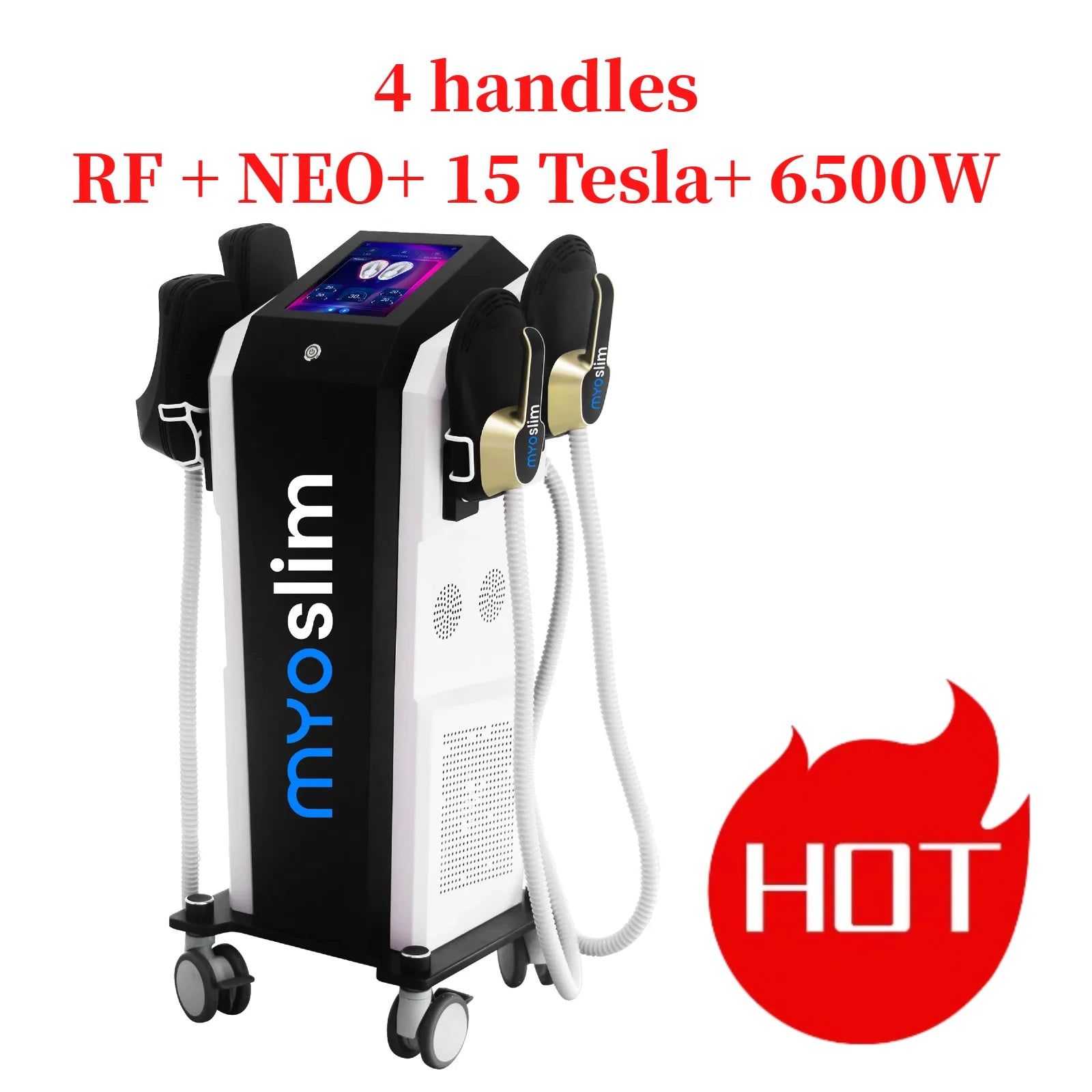
First, identify the actual stimulation technology. The featured EMS Body Slimming Machine uses electromagnetic muscle stimulation and is described as combining HI-EMT-inspired electromagnetic stimulation with adjustable operating modes. Its listed frequency range is 5–100 Hz and its maximum output is 6500W.
Stimulation intensity and control settings
Adjustability is important because treatment workflows may require different operating settings. Look for adjustable intensity, available programs or modes, session controls, and an interface that makes the parameters easy for the operator to monitor.
Applicator configuration and treatment coverage
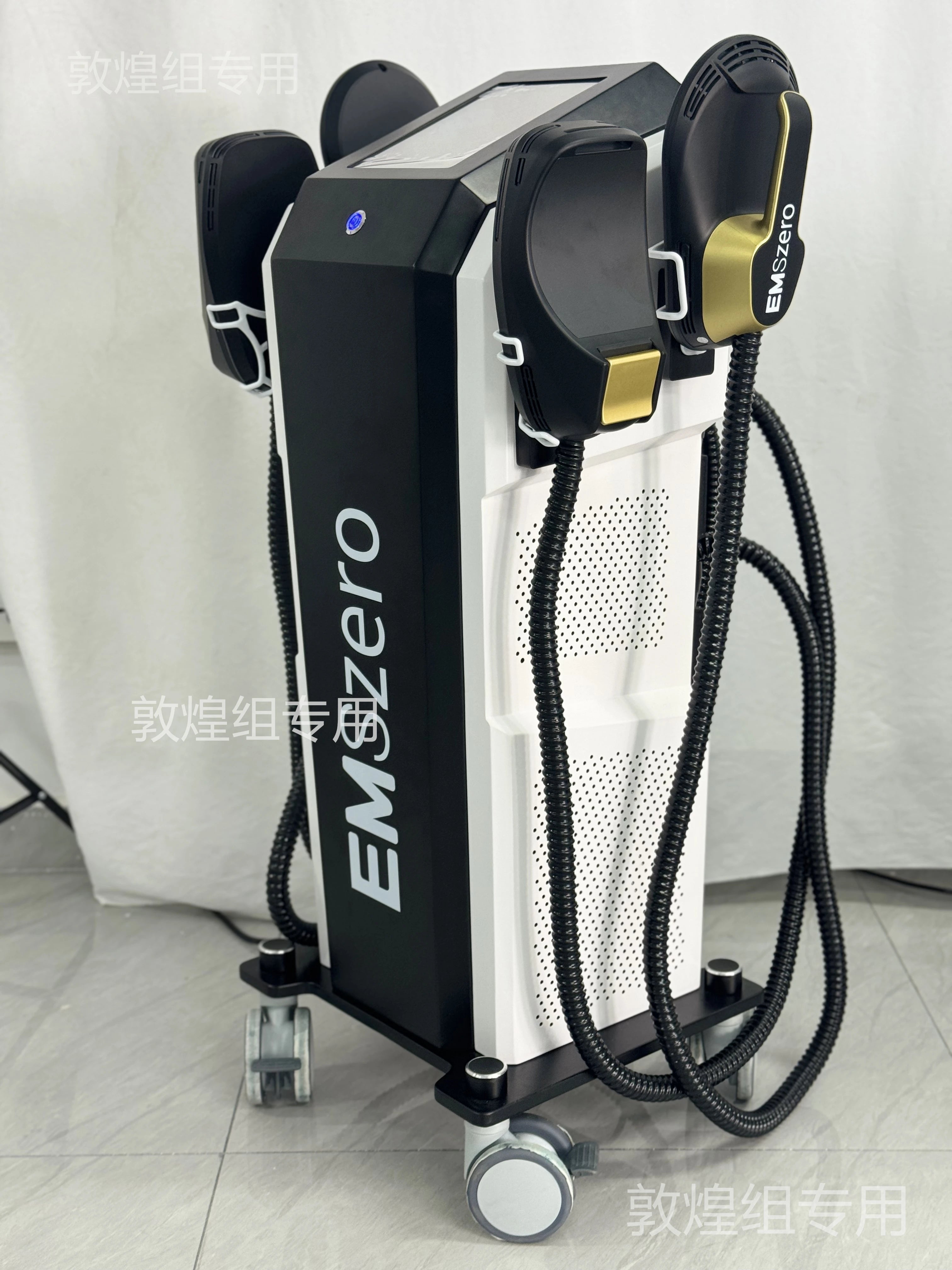
Applicator configuration affects both treatment coverage and workflow. The featured system has four handles, supporting flexible positioning and multi-area treatments. This can be more practical for users who want a single machine capable of addressing the abdomen, arms, legs, and glutes.
Operating modes and treatment programs
Adjustable operating modes can help operators configure sessions according to the device's intended workflow. When comparing machines, verify whether controls include preset programs, adjustable parameters, session timing, and multi-area treatment capability rather than assuming that all systems offer the same functions.
Cooling, ergonomics, and machine design
Daily usability also matters. The featured system uses intelligent air cooling to support consistent operation and has a 15.6-inch display. Its construction is listed as ABS + TPR, with AC 110–220V, 50/60Hz power requirements.
Specification matrix: what to verify before purchase
| Buying criterion | What to verify | Featured machine specification |
| Technology | Type of muscle stimulation | Electromagnetic muscle stimulation |
| Frequency | Documented operating range | 5–100 Hz |
| Maximum output | Manufacturer-stated maximum | 6500W |
| Applicators | Number and treatment configuration | Four handles |
| Display | Screen size and interface | 15.6-inch display |
| Cooling | Cooling method for operation | Intelligent air cooling |
| Power | Voltage and frequency compatibility | AC 110–220V, 50/60Hz |
| Warranty | Length and coverage terms | 1 year |
Qualified buyers can review the documented specifications of the EMS Body Slimming Machine for Muscle Toning & Body Sculpting before deciding whether its configuration fits their intended workflow.
How an EMS Body Sculpting Treatment Session Works
A treatment session should always follow the specific manufacturer's operating instructions. The general workflow below explains the equipment process rather than prescribing a universal treatment protocol.
Step 1: Select the treatment area
Identify the intended muscle group and choose the appropriate applicator configuration. Positioning should follow the machine's instructions and should never extend to unauthorized treatment areas.
Step 2: Configure stimulation settings
Select the appropriate operating mode and begin at the setting recommended by the manufacturer. Intensity should be adjusted according to the device instructions and user tolerance rather than automatically selecting the maximum available level.
Step 3: Run the programmed session
Once the applicators are positioned and settings are confirmed, run the session according to the device's operating instructions. Monitor the equipment and the user's response throughout the session.
Step 4: Clean, inspect, and prepare the equipment
After treatment, follow the manufacturer's cleaning and inspection procedures. Check applicators, cables, connections, and the machine itself before the next session. Proper maintenance is particularly important for equipment intended for repeated professional use.
EMS Body Sculpting Machine Benefits and Expected Use Cases
Muscle stimulation and conditioning
The primary rationale for electromagnetic muscle stimulation is targeted muscle activation. Repeated involuntary contractions can provide a muscle-conditioning stimulus, making the technology relevant to users seeking muscle toning and strengthening as part of a broader body-contouring routine.
Non-invasive body contouring
EMS body sculpting is a non-invasive approach because it does not require an incision or surgical procedure. However, “non-invasive” does not mean that every person is automatically an appropriate candidate or that every machine provides identical results.
Who may consider an EMS body sculpting machine?
Potential users include professionals evaluating body-contouring equipment for a commercial setting and consumers looking for a machine designed for home-use applications. The right configuration depends on treatment volume, target areas, available space, operating requirements, budget, and the level of support needed.
If your broader research involves other non-invasive beauty and wellness equipment, the Body & Face Blog can provide additional category-level reading.
For buyers whose target areas and workflow align with electromagnetic muscle stimulation, reviewing the EMS body sculpting machine configuration is a practical next step before comparing price alone.
Pros and Cons of EMS Body Sculpting Machines
- Pros: Non-invasive muscle stimulation, targeted treatment areas, adjustable operating parameters, potential multi-area workflows, and professional-style equipment configurations.
- Pros: Four-handle systems can provide flexible positioning across the abdomen, arms, legs, and glutes.
- Pros: Adjustable controls and cooling features can support repeat-use workflows when appropriately configured.
- Cons: Results and suitability depend on the technology, settings, treatment protocol, and individual circumstances.
- Cons: Professional equipment may require more space, training, maintenance, and technical support than simple consumer devices.
- Cons: Buyers should not interpret body-contouring equipment as a guaranteed weight-loss solution.
Safety Considerations and Who Should Avoid EMS Body Sculpting
Safety requirements vary by technology and model. Before operating an EMS body sculpting machine, read the manufacturer's instructions, contraindications, and treatment-area restrictions. Individual suitability can also depend on personal circumstances.
Important contraindications and precautions
Particular caution is warranted for people with implanted electronic devices or other conditions identified in the manufacturer's contraindications. Do not assume that a machine is appropriate for every user simply because it is marketed for home or professional body contouring.
Intensity, positioning, and treatment-area precautions
Correct applicator placement matters. Follow the specified placement instructions, progress intensity appropriately, and avoid areas that the manufacturer does not authorize for treatment. If there is uncertainty about suitability, professional guidance may be appropriate.
Why manufacturer instructions and professional guidance matter
EMS, electrical stimulation, and electromagnetic stimulation systems can differ substantially. The device manual should therefore be the primary reference for operating parameters, contraindications, maintenance, and approved treatment procedures. Buyers should also verify applicable regulatory documentation and certifications directly rather than assuming compliance from marketing claims.
Professional EMS Equipment vs. Home-Use EMS Devices
Professional body contouring equipment
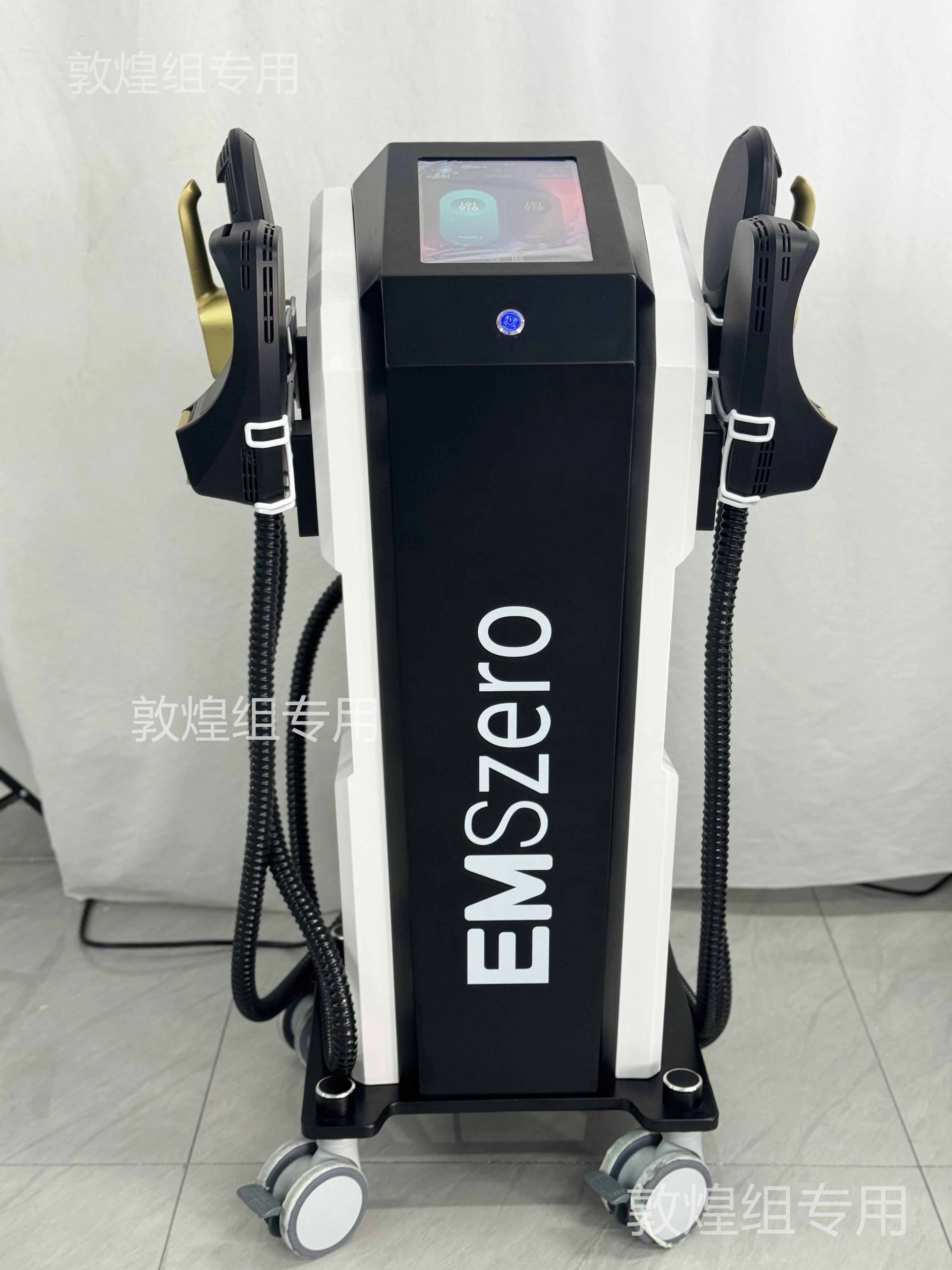
Professional systems are generally evaluated around treatment capacity, operator controls, applicator coverage, durability, workflow efficiency, training, service, and after-sales support. A machine with multiple handles and a larger control interface may be more suitable for users who need flexible positioning and repeated treatment workflows.
Home-use EMS devices
Home-use devices typically prioritize convenience, portability, simpler controls, and a smaller treatment footprint. They may be appropriate when the user needs occasional personal use rather than a higher-capacity commercial workflow.
Which configuration fits your use case?
Consider how many people will use the machine, how frequently treatments will be performed, which body areas matter most, how much space is available, and what level of technical support is required. The featured EMS Body Slimming Machine is described as suitable for both commercial and home-use settings, but buyers should still verify whether its size, power requirements, controls, and operating workflow fit their specific environment.
Before purchasing, review the machine configuration and warranty information alongside your intended workflow rather than choosing solely on headline output. The body-care device collection is also useful when evaluating equipment categories around the same use case.
How to Choose the Right EMS Body Sculpting Machine
1. Match the machine to your target treatment areas
Start with the body areas you actually intend to treat. A machine designed for multi-area stimulation may be more useful than a system optimized for only one location if you need abdomen, glute, arm, and leg coverage.
2. Compare intensity and operating controls
Look for clearly documented adjustment ranges, operating modes, programs, timers, and interface controls. The ability to adjust stimulation should be considered alongside ease of operation and the manufacturer's recommended workflow.
3. Evaluate treatment capacity and workflow
Consider applicator count, positioning flexibility, session setup, cleaning requirements, cooling, and the number of treatment areas that can be managed efficiently. These practical factors can have a greater effect on usability than a single headline specification.
4. Verify certifications, documentation, and warranty
Ask the manufacturer for applicable certifications, regulatory documentation, user manuals, warranty terms, and technical specifications. Never assume that a device has a particular certification or regulatory status unless the documentation confirms it.
5. Calculate total ownership cost
The purchase price is only one part of the cost. Consider shipping, accessories, maintenance, training, replacement parts, power requirements, and after-sales service. A lower-priced machine can become less attractive if support or replacement components are difficult to obtain.
6. Assess manufacturer support and service
For professional equipment, evaluate technical support, onboarding, repairs, replacement parts, warranty response, documentation, and communication channels. Reliable support can matter as much as the machine's initial specification sheet.
For the featured system, the listed warranty is one year. Buyers should confirm the exact warranty coverage, service process, and support terms before purchasing.
EMS Body Sculpting Machine Buying Checklist
Technology and output
- Verify the exact stimulation technology.
- Confirm documented frequency and output specifications.
- Check that the technology matches your intended body-contouring application.
Applicators and treatment coverage
- Confirm the number of handles or applicators included.
- Verify compatible treatment areas.
- Check applicator positioning requirements.
Controls and workflow
- Review intensity adjustment and operating modes.
- Check display and interface usability.
- Confirm session-control functions.
- Evaluate cooling and equipment ergonomics.
Safety and compliance
- Request the complete user manual.
- Review contraindications and treatment restrictions.
- Verify applicable certifications and regulatory documentation.
- Confirm electrical requirements for your location.
Price and after-sales support
- Calculate the total ownership cost.
- Verify warranty duration and coverage.
- Ask about technical support and replacement parts.
- Confirm training or onboarding options when relevant.
Conclusion: What Matters Most When Buying EMS Body Sculpting Equipment?
The best EMS body sculpting machine is not necessarily the model with the highest advertised output or the lowest price. A stronger buying decision comes from matching the stimulation technology, applicator configuration, treatment coverage, intensity controls, operating workflow, intended users, safety documentation, ownership cost, warranty, and after-sales support to your actual requirements.
The featured EMS Body Slimming Machine combines electromagnetic muscle stimulation, a 5–100 Hz frequency range, four handles, a 15.6-inch display, intelligent air cooling, and a one-year warranty. Those specifications make it worth evaluating for buyers seeking a multi-area body sculpting configuration, but the final decision should still be based on documented suitability, safety requirements, and the intended operating environment.
If the configuration matches your goals, you can review the EMS Body Slimming Machine specifications and compare its features, warranty, and support details before making a purchase decision.
Pillar Article: Abdominal Muscle Stimulation: How Devices Work and What to Know













