

Do EMS TENS units really work for pain relief and recovery?
EMS TENS units use controlled electrical stimulation to support two different goals: TENS therapy helps reduce pain by stimulating sensory nerves, while EMS therapy activates muscles through motor nerves to encourage contractions. Combination devices include both functions in one unit, making them a versatile option for people managing discomfort, muscle fatigue, or rehabilitation when used according to the manufacturer's instructions and healthcare guidance.
EMS vs TENS Unit: Key Differences, Uses, and Which One Is Better for You
⏱ 8 min read
Choosing between an EMS vs TENS unit starts with understanding what each technology is designed to do. Although both deliver gentle electrical impulses through adhesive electrode pads, they target different parts of the nervous system and serve different treatment goals. TENS focuses on pain relief by stimulating sensory nerves, while EMS stimulates motor nerves to produce muscle contractions that can support muscle activation and recovery. Knowing this distinction makes it much easier to select the right device for your needs.
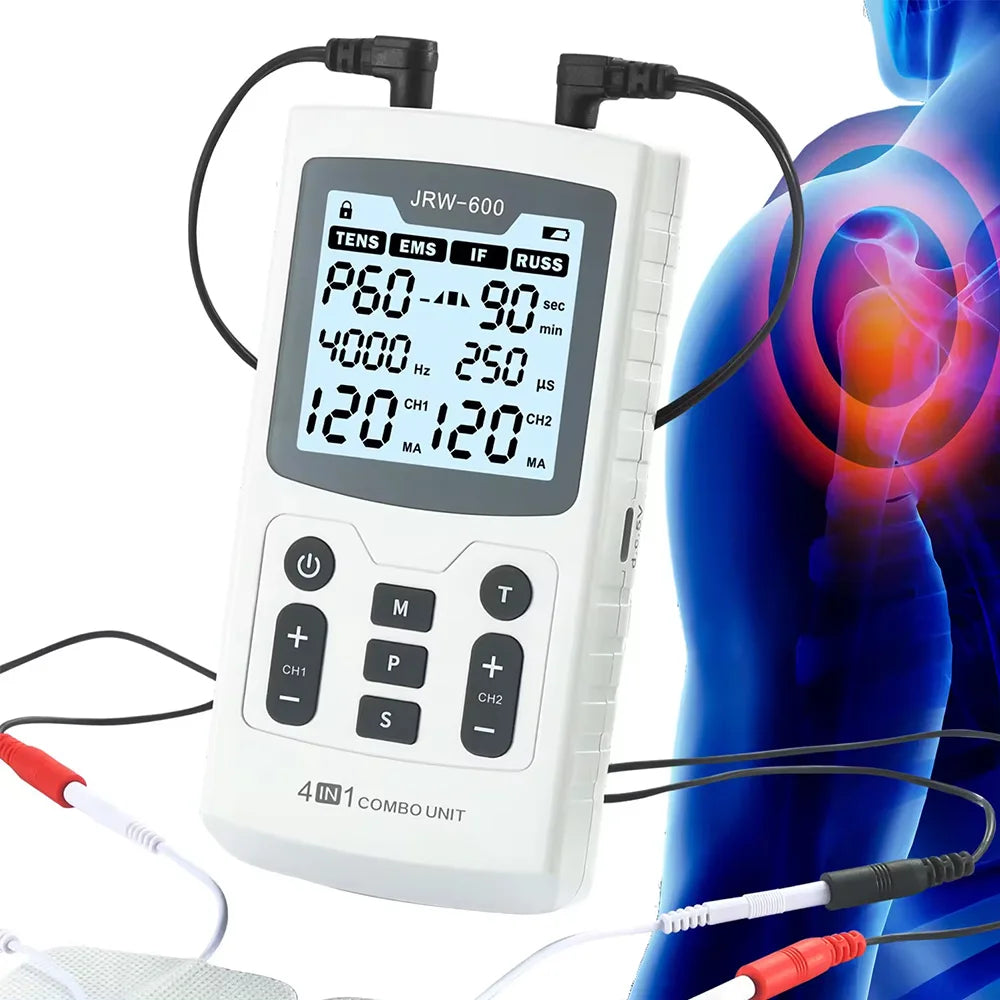
ems tens units overview for everyday relief See it in action
EMS vs TENS Unit: What Is the Difference?
The difference between EMS and TENS units comes down to the tissues they stimulate and the results they are intended to produce. Both technologies use low-voltage electrical impulses delivered through skin electrodes, but TENS primarily targets sensory nerves to help manage pain, while EMS targets motor nerves to create controlled muscle contractions.
What is TENS and how does it work?
Transcutaneous Electrical Nerve Stimulation (TENS) is designed to help relieve pain by delivering electrical impulses to sensory nerves beneath the skin. These impulses may help reduce the perception of pain by influencing how pain signals are transmitted to the brain. Depending on the selected settings, some users also experience a comfortable tingling sensation that may encourage relaxation during treatment.
What is EMS and how does it work?
Electrical Muscle Stimulation (EMS) works differently by stimulating motor nerves, causing muscles to contract and relax. These contractions mimic natural muscle activity and are commonly used to support muscle activation, improve circulation during recovery, and assist rehabilitation programs under appropriate guidance.
Are EMS and TENS the same?
No. Although EMS and TENS both use electrical stimulation, they are designed for different treatment goals. TENS focuses on pain management, whereas EMS focuses on muscle activation. Many modern combination devices include both modes, allowing users to switch between therapies based on whether pain relief or muscle recovery is the priority.
- TENS: Primarily targets sensory nerves to help manage pain.
- EMS: Primarily stimulates motor nerves to create muscle contractions.
- Combination devices: Include both therapies in a single unit for greater flexibility.
How Do TENS and EMS Units Work?
Understanding how TENS and EMS units work begins with the nervous system. Both devices send carefully controlled electrical pulses through adhesive electrode pads placed on the skin, but the stimulation reaches different nerve pathways. This difference between EMS and TENS units explains why the sensations and treatment goals are not the same.
How TENS electrical stimulation affects pain signaling
TENS therapy stimulates sensory nerves rather than muscles. The gentle electrical pulses are intended to influence the transmission of pain signals traveling toward the brain, which may reduce how strongly discomfort is perceived during treatment. Many people describe the sensation as a comfortable tingling or buzzing instead of a muscle contraction.
How EMS electrical stimulation creates muscle contractions
EMS therapy stimulates motor nerves that control muscle movement. As these nerves respond, the muscles contract and relax in a controlled pattern. Depending on the selected program and intensity, contractions can range from gentle muscle activation to stronger exercise-like contractions used in rehabilitation or post-workout recovery.
How frequency, pulse width, and intensity affect treatment
The treatment experience depends not only on whether the device is operating in TENS or EMS mode, but also on settings such as frequency, pulse width, and intensity. Lower or moderate settings typically produce milder sensations, while higher settings may create stronger tingling or more noticeable muscle contractions. Selecting appropriate settings based on comfort, treatment goals, and the manufacturer's recommendations helps maximize effectiveness while maintaining a comfortable experience.
EMS vs TENS: Side-by-Side Comparison
| Feature | TENS Units | EMS Units | EMS TENS Combination Units |
|---|---|---|---|
| Primary treatment goal | Help manage pain by stimulating sensory nerves | Promote muscle activation through controlled contractions | Support both pain relief and muscle stimulation |
| Primary target | Sensory nerves | Motor nerves and skeletal muscles | Sensory nerves and motor nerves |
| Typical sensation | Gentle tingling or buzzing | Visible or noticeable muscle contractions | Varies according to the selected therapy mode |
| Common treatment situations | Acute or chronic pain management | Post-exercise recovery, rehabilitation, and muscle reactivation | Users needing both functions in one device |
| Intensity settings | Adjusted for comfortable nerve stimulation | Adjusted to achieve appropriate muscle contraction | Independent settings for each therapy mode |
| Best suited for | People primarily seeking pain relief | People focused on muscle recovery or activation | People managing multiple recovery goals |
| Home convenience | Good | Good | Excellent |
Purpose and primary treatment goal
When comparing EMS vs TENS, neither technology is universally better—they simply address different needs. TENS therapy is intended to help reduce the perception of pain, while EMS therapy is designed to activate muscles through electrical stimulation. Combination devices bring both functions together so users can choose the appropriate mode based on their current treatment goal.
Target: nerves vs muscles
The key difference between an EMS and TENS unit is what each technology stimulates. TENS focuses on sensory nerves associated with pain signaling, whereas EMS stimulates motor nerves that control muscle movement. This distinction explains why the treatment experience and intended outcomes differ even though both devices use adhesive electrode pads and electrical impulses.
Sensation and muscle contraction
TENS users generally experience a comfortable tingling sensation without visible muscle movement. EMS treatments, by contrast, are expected to produce rhythmic muscle contractions that vary in strength depending on the selected intensity and program. Because the therapeutic goals differ, device settings are optimized differently for each mode.
Typical users and treatment situations
TENS is commonly chosen by people seeking temporary relief from back pain, neck discomfort, joint pain, or other persistent aches. EMS is often selected by active individuals, rehabilitation patients, or anyone looking to encourage muscle activation following exercise or periods of inactivity. For users with changing needs, an EMS TENS combination unit offers greater flexibility without requiring separate devices.
For users wanting flexibility without clutter, combined devices stand out. Many pair them with relaxation routines or wellness tools from Lifestyle collections to create calming recovery rituals.
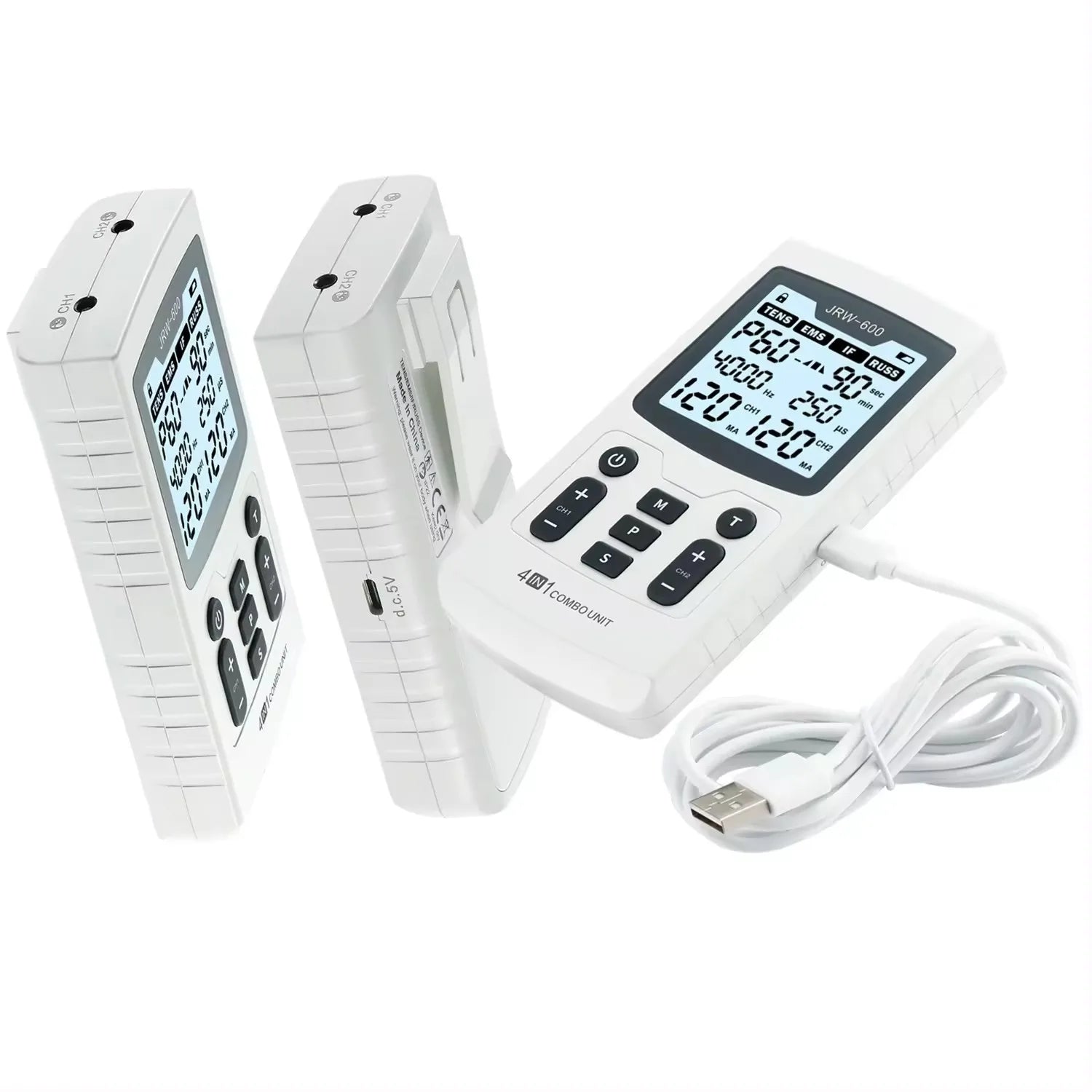
difference between tens and ems units demonstrated See it in action
TENS vs EMS for Pain Relief, Recovery, and Rehabilitation
When TENS may be more appropriate for pain relief
TENS is generally the preferred option when the primary goal is managing pain rather than producing muscle contractions. It is commonly used for temporary relief of back pain, neck discomfort, arthritis-related pain, and other musculoskeletal conditions where reducing pain perception is the priority.
When EMS may support muscle activation and rehabilitation
EMS is better suited for situations where muscle activation is the objective. Healthcare professionals and rehabilitation programs may incorporate EMS to help encourage muscle contractions after injury, surgery, or extended inactivity. It can also complement exercise by engaging targeted muscle groups.
Which option fits post-workout recovery?
For post-workout recovery, EMS is often chosen to promote muscle activation after strenuous exercise, while TENS may be useful if soreness is accompanied by discomfort that limits movement. Many athletes and recreational exercisers prefer combination devices because they can switch between recovery-focused EMS sessions and TENS therapy as needed.
Can EMS help with soreness or pain?
EMS may help relieve muscle tightness or soreness associated with fatigue by promoting controlled muscle contractions, but it should not automatically be considered a replacement for TENS when pain relief is the primary goal. Choosing the appropriate mode depends on whether the focus is reducing pain, improving muscle function, or addressing both.
Can You Use EMS and TENS Together?
EMS and TENS are different therapies, but they can complement one another when used appropriately. Many combination devices include separate EMS and TENS modes, allowing users to alternate between pain-focused treatment and muscle stimulation during different sessions or according to their recovery goals.
When using a dual-function device, follow the manufacturer's instructions for electrode placement and mode selection. People recovering from injury, managing chronic pain, or treating complex medical conditions should seek guidance from a qualified healthcare professional before combining electrical stimulation therapies.
What Is an EMS TENS Combo Unit and How Does It Work?
An EMS TENS combo unit combines two distinct electrical stimulation therapies in a single portable device. Instead of purchasing separate units, users can switch between TENS mode for pain management and EMS mode for muscle activation using the same controller and electrode pads. This flexibility makes combination devices a practical choice for people whose recovery needs change from day to day.
Many people use an EMS TENS combo unit to manage everyday back pain, neck tension, shoulder stiffness, knee discomfort, or muscle fatigue after physical activity. When incorporated into a broader home recovery routine, it can complement stretching and other wellness practices alongside products available in Body Care and Health Devices .
Why a Dual Channel TENS EMS Unit Improves Targeted Therapy
A dual channel TENS EMS unit features two independent output channels, allowing two sets of electrode pads to operate simultaneously. Each channel can typically be adjusted separately, making it possible to customize intensity for different treatment areas or accommodate differences in comfort between the left and right sides of the body.
This design offers greater flexibility for users treating multiple muscle groups or combining therapy across larger areas without repeatedly repositioning electrodes. Independent channels can also make home sessions more efficient while maintaining personalized intensity settings.
What Defines a Professional TENS EMS Stimulator?
A professional TENS EMS stimulator is designed to provide greater treatment flexibility, consistent performance, and precise adjustment options. While home devices vary by model, higher-quality units typically include multiple therapy programs, broad intensity ranges, durable construction, and controls that allow users to tailor sessions to their comfort level.
- Separate TENS and EMS therapy modes
- Adjustable intensity, pulse frequency, and treatment programs
- Dual-channel capability for independent control of two treatment areas
- Clear display with intuitive controls for easy operation
- High-quality electrodes with replacement pad compatibility
- Portable, rechargeable design for convenient home use
When comparing devices, prioritize adjustable settings, reliable electrode compatibility, straightforward controls, and safety features rather than simply choosing the highest intensity. A well-designed combination unit should make it easy to personalize treatments for different body areas and recovery goals.
When exploring options, many readers also browse complementary care tools in Beauty & Self-Care Blog for holistic routines that support relaxation and confidence.
How to Use EMS and TENS Units Safely at Home
Basic Usage Guidelines
- Clean and thoroughly dry the treatment area before attaching the electrode pads.
- Select the correct therapy mode—TENS for pain relief or EMS for muscle activation—based on your treatment goal.
- Position the electrodes according to the device instructions for the targeted muscle or body region.
- Begin with a low intensity and gradually increase it until the stimulation feels effective but comfortable.
- Use the device only for the recommended session length and allow adequate rest between treatments if instructed.
Safety Warnings and Who Should Avoid It
EMS and TENS devices are generally considered safe when used according to the manufacturer's instructions, but they are not appropriate for everyone. Do not use electrical stimulation without medical guidance if you have a pacemaker or other implanted electronic device, are pregnant, have uncontrolled epilepsy, or have been advised against electrical stimulation by a healthcare professional.
Avoid placing electrode pads over the front of the neck, directly across the chest, on the eyes, over broken or infected skin, or anywhere specifically identified as unsuitable in your device manual. If you are recovering from surgery, have an underlying medical condition, or are unsure whether electrical stimulation is appropriate, consult a qualified healthcare professional before beginning treatment.
For most users, consistent, moderate sessions are more effective than using the highest possible intensity. Choose settings that remain comfortable throughout the treatment rather than chasing stronger stimulation.
Real Use Cases: When to Choose EMS vs TENS
- Office workers: TENS may help manage neck, shoulder, or lower back discomfort after extended periods of sitting.
- Fitness enthusiasts: EMS can support muscle activation and recovery following challenging workouts.
- People managing ongoing pain: Combination units provide access to both TENS and EMS, allowing therapy to match changing needs.
- Rehabilitation users: Under professional guidance, EMS and TENS may each have a role depending on rehabilitation goals.

dual channel tens ems unit in daily use See it in action
Frequently Asked Questions About EMS vs TENS
Which is better, EMS or TENS?
Neither is universally better. TENS is generally the better choice when your primary goal is pain relief, while EMS is intended for muscle activation and rehabilitation. A combination device offers the greatest flexibility if you expect to use both therapies.
What is the main difference between EMS and TENS?
The main difference is the target tissue. TENS stimulates sensory nerves to help manage pain, whereas EMS stimulates motor nerves to produce muscle contractions that support muscle activity and recovery.
Can you use EMS and TENS together?
Yes. Many EMS/TENS combination units include separate modes that allow users to switch between therapies based on their treatment goals. Follow the manufacturer's instructions and seek medical advice if you have complex health conditions.
Does EMS relieve pain like TENS?
EMS may help reduce muscle discomfort associated with fatigue or tightness, but it is not intended to replace TENS for pain management. Each therapy serves a different purpose.
Are EMS and TENS units the same?
No. Although both use electrical stimulation delivered through skin electrodes, TENS focuses on pain modulation while EMS focuses on muscle contractions.
Can EMS help with muscle recovery?
EMS is commonly used to encourage muscle activation and may support recovery following exercise or periods of inactivity when incorporated into an appropriate rehabilitation or fitness program.
What is the best EMS/TENS combination unit for recovery?
The best combination unit is one that includes both TENS and EMS modes, adjustable intensity settings, quality electrodes, and preferably dual-channel operation so different treatment areas can be managed independently.
Who should not use EMS or TENS?
People with pacemakers or implanted electronic devices, certain heart conditions, uncontrolled epilepsy, or those who are pregnant should seek medical advice before using EMS or TENS devices. Always follow the manufacturer's safety guidance regarding electrode placement.
Related Guide: Best Electric Muscle Stimulator Device Compared for Home Use













