

Does EMS for muscle growth really work?
Research suggests EMS for muscle growth can improve muscle strength and modestly increase muscle size when used consistently. The greatest benefits are typically seen in beginners, older adults, individuals returning from injury, and people with limited time for longer workouts.
EMS vs Gym Workouts for Busy Parents: Which Wins?
EMS for muscle growth is reshaping how time-starved parents stay fit without long gym sessions. This guide compares EMS vs gym workouts for busy parents, explores EMS muscle stimulator effectiveness for core strength, and answers how effective EMS ab toning devices really are. Discover how electrical muscle stimulation compares with traditional training—and whether convenience comes at the cost of results.
⏱ 7 min read
Struggling to find time for yourself? Discover how modern muscle stimulation fits into your lifestyle without sacrificing results.
Too tired after work? No time for the gym? You're not alone. Between school runs, deadlines, and household responsibilities, traditional workouts often feel impossible. But what if you could train your muscles in significantly less time while still supporting your fitness goals?
What Is EMS Training and How Does It Work?
An electrical muscle stimulation workout uses controlled electrical impulses to trigger muscle contractions through electrodes placed on the skin. Unlike voluntary contractions created by lifting weights, EMS activates muscles externally, making it useful for strength support, rehabilitation, and supplemental fitness training.
How electrical muscle stimulation creates muscle contractions
EMS devices stimulate motor nerves, causing muscles to contract repeatedly. During a supervised full-body EMS session, multiple muscle groups can work simultaneously while the user performs bodyweight movements or light exercises. This combination may improve muscle activation while reducing workout duration.
How EMS differs from voluntary muscle contractions
Traditional resistance training relies on the brain sending signals to recruit muscle fibers. EMS bypasses part of this process by directly stimulating the nerves. Although EMS can recruit additional muscle fibers, it does not fully replace the progressive overload, coordination, balance, and movement skills developed through conventional gym training.
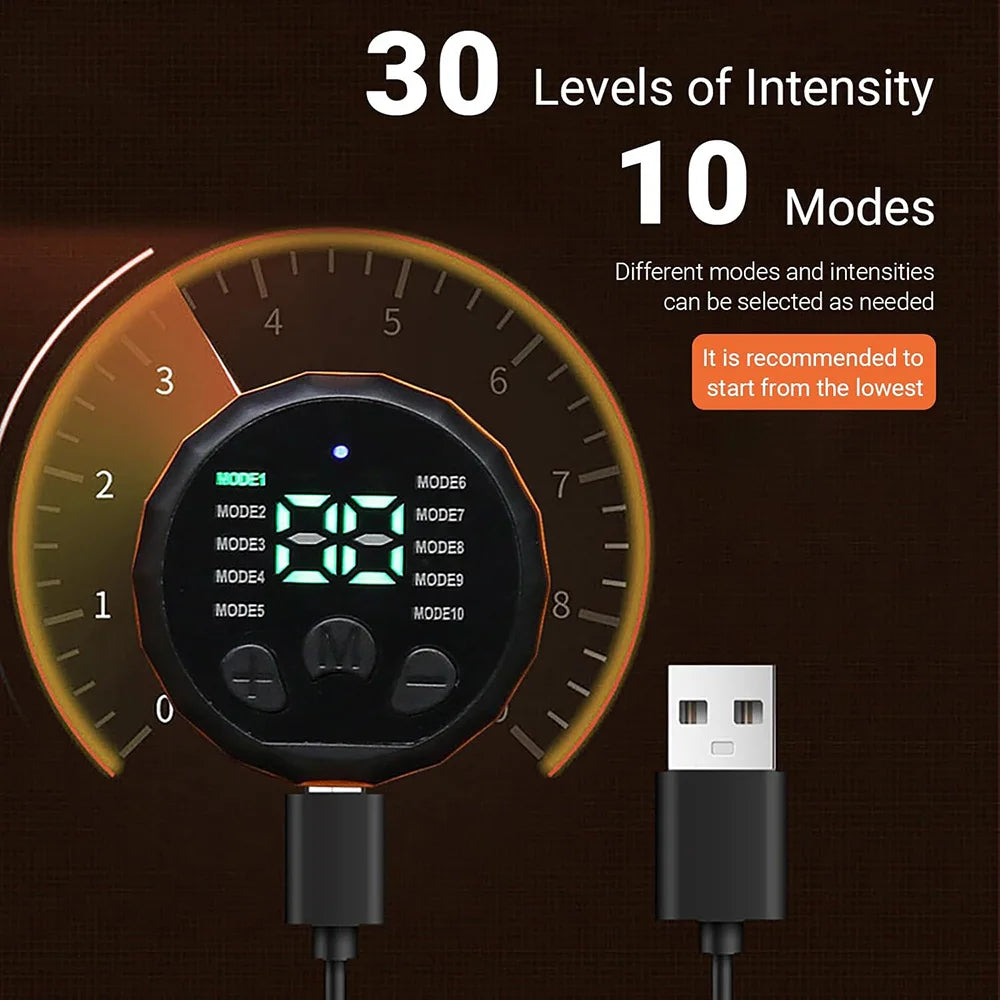
EMS for muscle growth vs gym workouts for busy parents — see it in action
Does EMS for Muscle Growth Really Work?
Research suggests EMS for muscle growth can improve muscle strength and modestly increase muscle size when used consistently. The greatest benefits are typically seen in beginners, older adults, individuals returning from injury, and people with limited time for longer workouts.
What current research says
Scientific studies indicate that EMS muscle stimulator effectiveness improves when electrical stimulation is combined with active exercise rather than passive use alone. Strength gains are generally greater than using EMS while resting, but conventional resistance training still produces superior long-term hypertrophy for experienced lifters.
Realistic expectations for muscle gain
EMS should be viewed as a supplement rather than a replacement for resistance training. Consistent nutrition, adequate protein intake, recovery, and progressive exercise remain the primary drivers of significant muscle growth.
How Traditional Gym Workouts Build Muscle
Traditional resistance training increases muscle size by applying progressively greater mechanical tension over time. Free weights, machines, and bodyweight exercises challenge muscles through a full range of motion while also improving coordination, balance, and athletic performance.
Progressive overload explained
Progressive overload involves gradually increasing weight, repetitions, training volume, or exercise difficulty. This continual challenge stimulates muscle adaptation and remains one of the most reliable methods for building strength and size.
Why resistance training remains the gold standard
Unlike EMS alone, gym workouts improve movement quality, bone density, cardiovascular fitness, mobility, and functional strength simultaneously. For most healthy adults seeking maximum muscle development, traditional resistance training continues to offer the strongest long-term evidence.
EMS vs Gym Workouts: Side-by-Side Comparison
Choosing between EMS training vs traditional workouts depends on your goals, schedule, budget, and training experience.
| Factor | EMS Training | Gym Workouts |
|---|---|---|
| Muscle Growth | Moderate support and activation | Superior long-term hypertrophy |
| Strength Gains | Effective, especially for beginners | Greater long-term progression |
| Fat Loss | Indirect support | Higher total energy expenditure |
| Workout Duration | 20–30 minutes | 45–90 minutes |
| Recovery | Moderate to high depending on intensity | Variable by training program |
| Convenience | High, often at home | Requires travel and scheduling |
| Cost | Device purchase or session fees | Membership or equipment costs |
| Long-Term Progression | Limited | Highly scalable |
Both methods can improve fitness outcomes, but their strengths differ depending on lifestyle and training goals.
EMS vs Gym Workouts for Busy Parents
Parents often struggle to maintain consistent workout routines because of work and family responsibilities. EMS workouts provide a time-efficient alternative that can fit into busy schedules while still promoting strength and muscle activation.
Best option for limited schedules
If finding an uninterrupted hour for training is unrealistic, a short EMS session may improve adherence. Consistency often produces better long-term outcomes than an ideal workout that rarely happens.
Combining EMS with conventional training
Many fitness professionals recommend combining one or two EMS sessions each week with traditional resistance training. This approach allows users to build strength while still developing functional movement patterns and progressive overload.
Ready to simplify your routine? Learn how EMS fits into your daily life effortlessly.
How EMS Improves Core Strength
EMS for core strength can activate abdominal muscles that may be difficult for beginners to engage consistently during exercise. This makes it a useful supplement for improving muscle awareness and stability.
Why EMS activates deep abdominal muscles
Electrical stimulation recruits muscle fibers throughout the abdominal wall, encouraging repeated contractions that may improve endurance and neuromuscular activation.
When conventional exercise is still necessary
Functional core strength also requires movements such as planks, carries, squats, and rotational exercises. These improve coordination and stability in ways EMS alone cannot replicate.
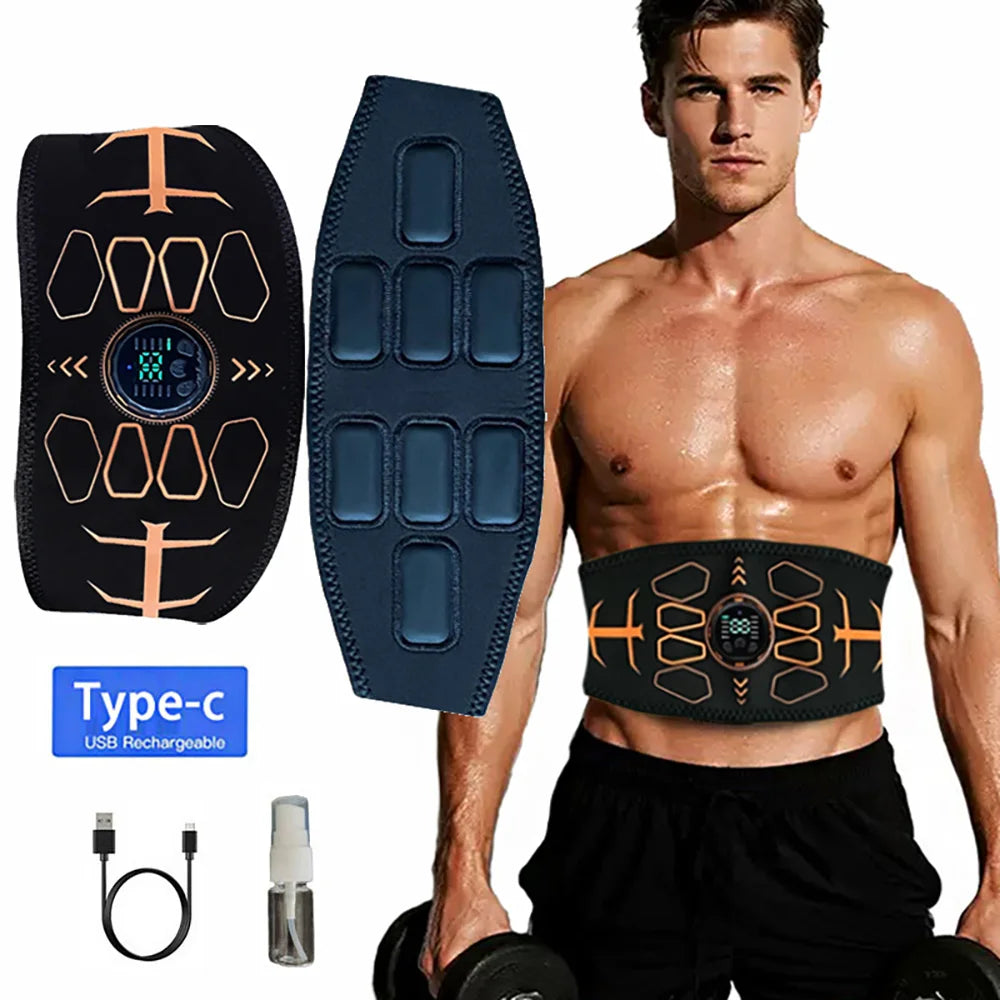
EMS muscle stimulator effectiveness for core strength — see it in action
How Effective Are EMS Ab Toning Devices?
Many people ask, "How effective are EMS ab toning devices?" Clinical evidence suggests they may improve muscle activation and modestly increase muscle tone when used consistently. However, they cannot selectively burn abdominal fat.
Clinical evidence
Several studies report improvements in abdominal strength and muscle endurance, particularly among previously inactive participants.
Common misconceptions
Visible abdominal definition primarily depends on overall body fat percentage, nutrition, and total physical activity rather than EMS alone.
Best use cases
EMS ab devices work best as an addition to resistance training, cardiovascular exercise, and a balanced nutrition plan.
"I started using EMS during nap times and found it easier to stay consistent with my fitness routine." – Parent user feedback
Pros and Cons of EMS Training
Advantages
- Short workout sessions
- High muscle activation
- Helpful for rehabilitation and beginners
- Convenient for busy schedules
- Low-impact and joint-friendly
Limitations
- Cannot fully replace progressive resistance training
- Limited improvements in movement skill
- Higher cost in many supervised studios
- Results depend on consistency
- Minimal cardiovascular benefits
Safety considerations
EMS should not be used by individuals with certain implanted medical devices, during some pregnancies, or without professional guidance when underlying medical conditions exist. Following manufacturer instructions and allowing adequate recovery reduces the likelihood of overtraining.
Can EMS Replace Traditional Gym Workouts?
For most healthy adults, EMS cannot completely replace traditional resistance training. While EMS effectively stimulates muscle contractions, gym workouts provide broader physical adaptations including balance, coordination, athletic performance, and long-term progressive overload.
Situations where EMS works well
- Busy schedules
- Rehabilitation programs
- Supplementing strength training
- Maintaining activity during travel
Situations where gym training performs better
- Maximum muscle growth
- Power development
- Sports performance
- Functional movement training
Why many experts recommend combining both
Using EMS alongside conventional resistance training allows many individuals to improve muscle activation without sacrificing long-term strength progression.
How to Use EMS for Real Results at Home
Home EMS devices work best when integrated into a complete fitness routine rather than used as a standalone solution.
Frequency
Most users benefit from two to three EMS sessions each week while allowing sufficient recovery between high-intensity workouts.
Intensity
Increase intensity gradually until contractions are strong but comfortable. Avoid excessively high settings that cause unnecessary discomfort.
Pairing EMS with exercise
Perform bodyweight squats, lunges, planks, or light resistance exercises during stimulation to maximize muscle engagement.
Recovery tips
Stay hydrated, consume adequate protein, and allow muscles to recover similarly to conventional strength workouts.
- Attach the device to clean, dry skin.
- Select an intensity level appropriate for your experience.
- Perform recommended movements during stimulation.
- Monitor progress over several weeks.
- Adjust intensity gradually as tolerated.
Explore more tools that complement your routine in Body Care and Health Devices .
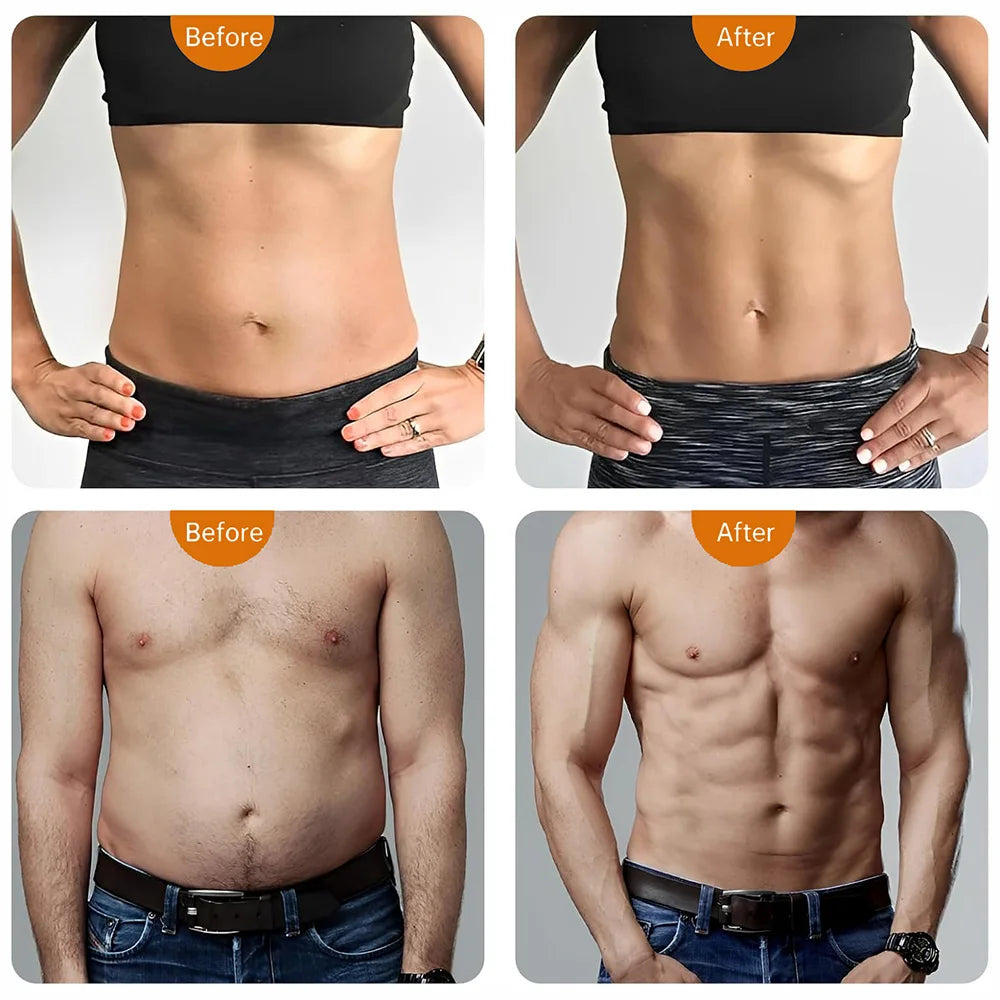
How effective are EMS ab toning devices — see it in action
Final Verdict: Which One Wins?
There is no universal winner in the EMS workout vs gym debate. Traditional resistance training remains the best option for maximizing muscle growth, athletic performance, and long-term strength. However, EMS offers a practical solution for individuals with limited time or those seeking supplemental muscle activation.
Best choice by fitness goal
- Maximum muscle growth: Traditional gym training
- Convenience: EMS
- Core activation: EMS plus functional exercises
- Overall fitness: Combination of both methods
Best choice by lifestyle
If consistency is your biggest challenge, the most effective workout is the one you can maintain. Many busy parents achieve sustainable results by combining shorter EMS sessions with regular strength training whenever their schedule allows.
Want faster results without the gym? Get yours now — limited stock!
FAQ
Is EMS safe for daily use?
Most EMS devices are safe when used according to manufacturer instructions. Beginners should start with lower intensities and allow adequate recovery.
Can EMS replace gym workouts?
EMS can supplement traditional exercise effectively, but it does not fully replace the benefits of conventional resistance and cardiovascular training.
How long before I see results?
Many users report improvements in muscle awareness and tone within several weeks of consistent use, although results vary considerably.
Does EMS burn fat?
EMS primarily stimulates muscles rather than directly burning fat. Body composition changes depend largely on nutrition and overall activity levels.
Pillar Article: Fitness for Busy Moms: 7 Options That Actually Work
Other Related Articles:
- Workouts for Busy Moms vs EMS Devices: What Fits You?
- Muscle Activation Technique Review: Worth It or Skip?
- 10-Min Abs Workout vs EMS Belts: Faster Results?
- Best Abdominal Exercise Belt or Workouts: Honest Comparison
Explore More:













