

Can EMS build muscle?
Yes, can EMS build muscle is a question supported by growing scientific evidence—but with important limitations. Electrical muscle stimulation (EMS) creates repeated muscle contractions that can improve muscle activation, increase strength, and contribute to modest muscle growth when used consistently at an appropriate intensity. However, EMS is most effective as a complement to resistance exercise rather than a replacement for it.
If you're wondering will EMS build muscle without lifting weights, the answer is that it may help maintain or slightly increase muscle in beginners, older adults, or people recovering from injury. For healthy, active individuals, traditional strength training remains the primary driver of significant muscle growth.
What research says about EMS and muscle growth
Research has shown that EMS can increase muscle strength and improve neuromuscular recruitment by activating motor units that may not be fully engaged during low-intensity exercise. Clinical rehabilitation programs have successfully used EMS to reduce muscle loss after injury or surgery, while fitness studies suggest that combining EMS with voluntary exercise may produce greater improvements than exercise alone.
Does EMS build muscle mass or mainly improve muscle activation?
One of the biggest misconceptions is that EMS automatically creates large muscles. In reality:
- Muscle activation: Strong evidence supports improved recruitment of muscle fibers.
- Strength: Moderate improvements are common with consistent training.
- Muscle mass (hypertrophy): Gains are generally modest unless EMS is paired with progressive resistance training.
- Fat loss: EMS does not directly burn significant body fat or replace a calorie deficit.
Can EMS Build Muscle? Step-by-Step Beginner Guide
If you've been wondering whether EMS is worth adding to your routine, this guide explains what current evidence says, who benefits most, how to use it correctly, and what realistic results you can expect. Rather than promising shortcuts, we'll show where EMS fits into an effective muscle-building program.
⏱ 5 min read
Discover the easiest way to start your core transformation today
A minute abs workout for beginners can complement EMS sessions, especially for busy parents and professionals who struggle to fit long workouts into their schedule. Used consistently alongside basic strength exercises, EMS may help improve muscle awareness and training efficiency.
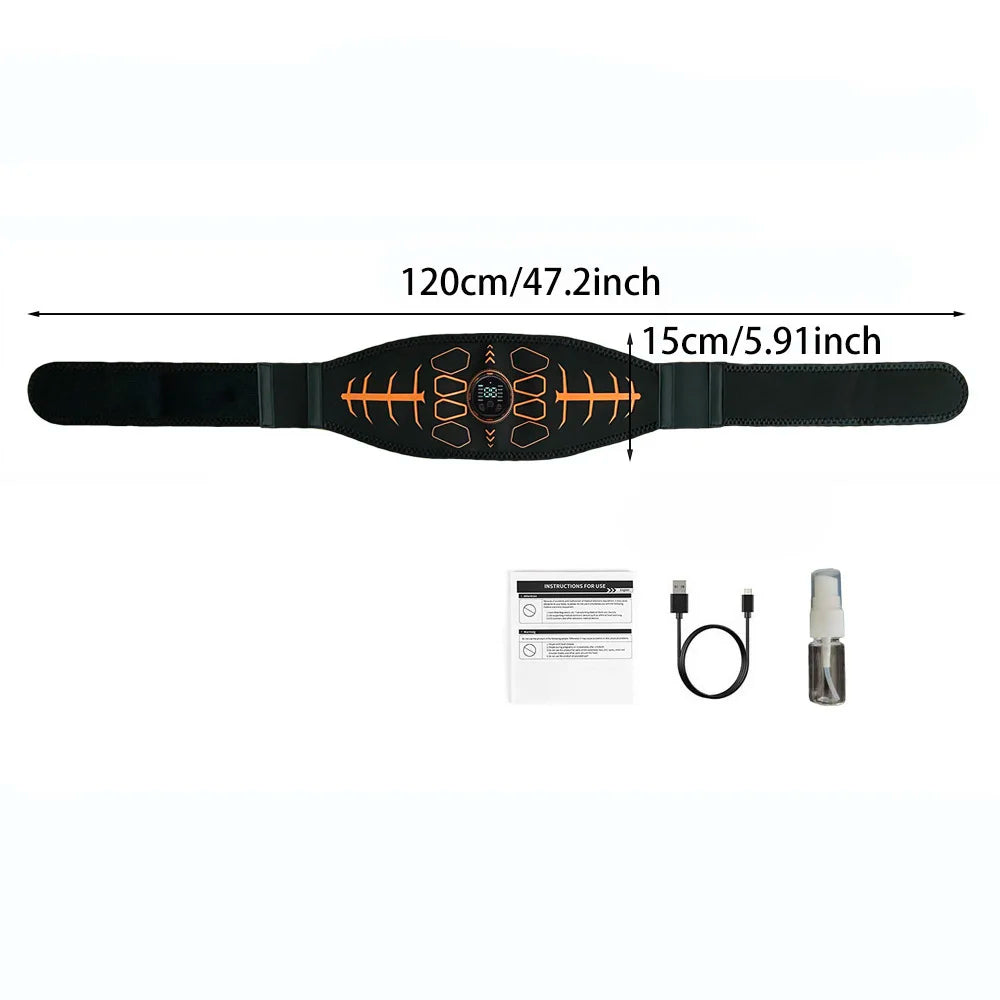
Smart EMS muscle stimulator for abs — simple, effective core training. See it in action.
How does electrical muscle stimulation work?
How EMS creates muscle contractions
EMS devices send controlled electrical impulses through electrodes placed on the skin. These impulses stimulate motor nerves, causing muscles to contract without relying solely on signals from the brain.
During traditional exercise, voluntary contractions recruit muscle fibers according to the demands of the movement. EMS creates externally triggered contractions, allowing muscles to work even during relatively simple movements or static positions. This is why EMS is commonly used in rehabilitation as well as fitness.
EMS can improve the mind-muscle connection , but it cannot replace the mechanical loading required for maximum muscle growth.
Medical-grade EMS vs consumer ab stimulators
| Feature | Medical-Grade EMS | Consumer EMS Ab Stimulators |
|---|---|---|
| Primary purpose | Rehabilitation and therapy | Fitness support and muscle activation |
| Intensity range | Higher under clinical supervision | Designed for home use |
| Best use | Prevent muscle loss and aid recovery | Supplement workouts |
| Expected results | Clinical rehabilitation outcomes | Improved activation and muscle engagement |
Explore more recovery and wellness tools in Body Care and Health Devices .
Who benefits most from EMS training?
Rehabilitation and injury recovery
EMS has long been used by healthcare professionals to help preserve muscle during periods of reduced mobility. It may be particularly useful for people recovering from surgery, managing temporary immobilization, or rebuilding strength after injury under professional guidance.
Healthy adults and athletes
Healthy adults can use EMS to supplement an existing training program. It may help improve muscle activation during core exercises, support consistency on busy days, and provide an additional training stimulus. Athletes sometimes incorporate EMS into recovery or accessory training rather than relying on it as their primary workout.
EMS is most beneficial when expectations remain realistic—it supports training rather than replacing progressive exercise.
How to use EMS effectively with exercise
Combining EMS with resistance training
For the best results, pair EMS with movements that already challenge the target muscles.
-
Place the device correctly.
Attach the smart EMS muscle stimulator for abs to clean, dry skin over the abdominal muscles. -
Begin at a comfortable intensity.
Increase gradually as your muscles adapt while maintaining good comfort. -
Use short sessions.
Most home sessions last around 10–20 minutes. -
Add resistance exercises.
Perform planks, dead bugs, bodyweight squats, or resistance training to provide the mechanical load needed for muscle growth. -
Allow recovery.
Like any workout, muscles need adequate recovery between challenging sessions.
Recommended frequency and intensity
- Use EMS approximately 3–5 times per week.
- Increase intensity gradually rather than jumping to maximum settings.
- Prioritize consistent training over high intensity.
- Progress your exercises over time instead of relying solely on stronger electrical stimulation.
Try it now: smart EMS muscle stimulator for abs
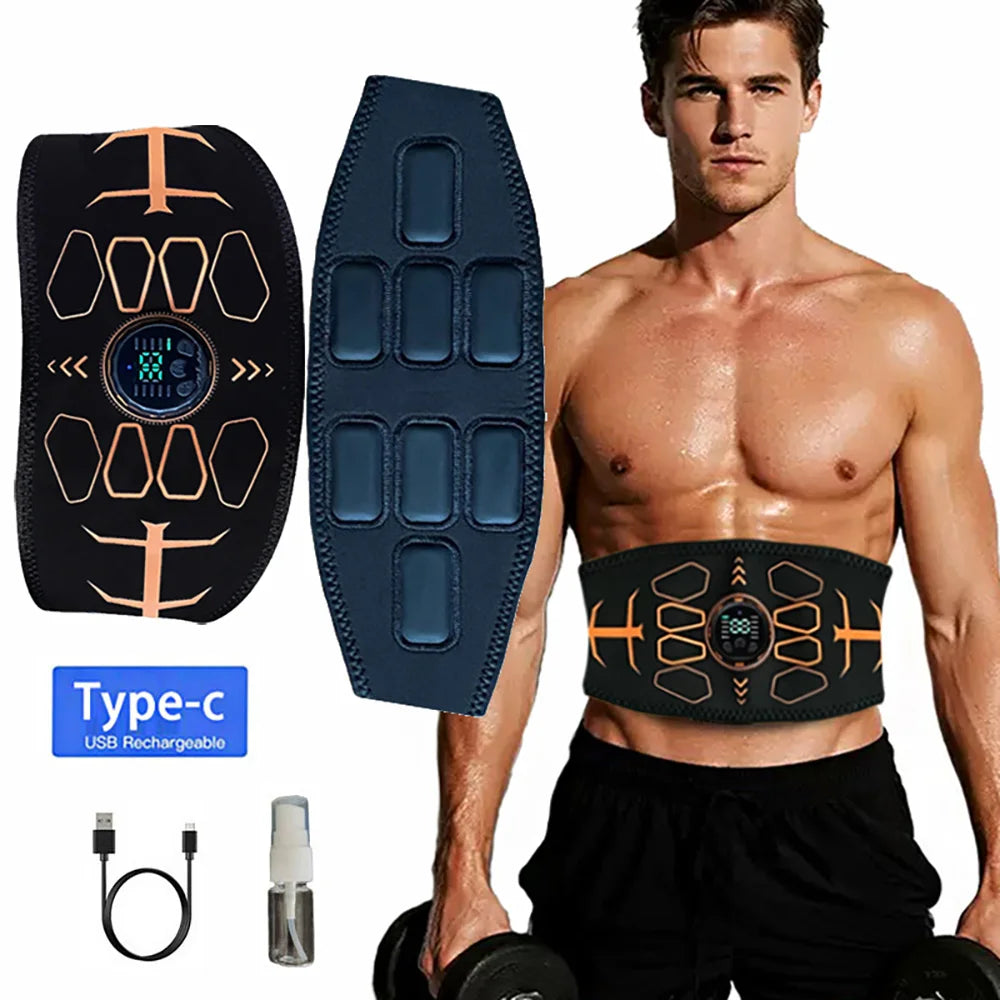
EMS muscle stimulator effectiveness for core strength in real use. See how it works.
EMS vs traditional strength training
Muscle growth
Traditional resistance training produces greater muscle hypertrophy because it combines progressive overload with full-body movement patterns. EMS may enhance activation but does not fully replicate these training demands.
Strength gains
Both EMS and conventional exercise can improve strength. However, the greatest improvements generally occur when EMS supplements a structured strength-training program.
Convenience and limitations
| Factor | EMS Training | Traditional Strength Training |
|---|---|---|
| Muscle activation | High localized activation | Natural movement patterns |
| Muscle growth potential | Moderate when combined with exercise | Highest with progressive overload |
| Time commitment | Short sessions | Usually longer workouts |
| Overall fitness | Limited | Improves strength, coordination, balance, and endurance |
Rather than asking which is better, it's more useful to view EMS as a complementary tool that can improve consistency and muscle engagement alongside regular exercise.
What results can you realistically expect?
Muscle size
Visible muscle growth usually develops gradually over several weeks or months when EMS is paired with progressive strength training and sufficient protein intake.
Strength
Many beginners notice improved muscle control, stronger contractions, and increased core stability within several weeks of consistent use.
Fat loss and body toning
EMS does not selectively burn abdominal fat or create spot reduction. A toned appearance comes from a combination of increased muscle definition and reduced body fat through nutrition and exercise.
Results vary depending on:
- Training consistency
- Exercise program quality
- Nutrition
- Sleep and recovery
- Starting fitness level
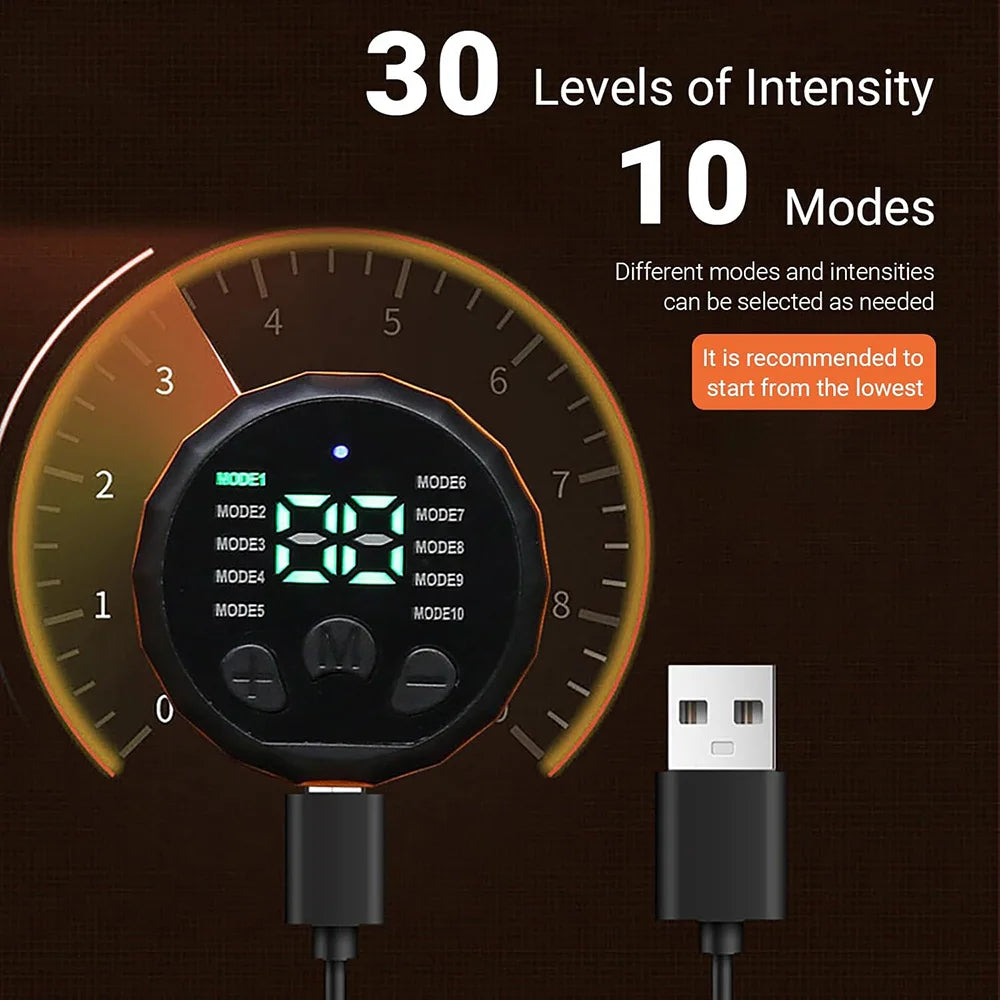
How effective are EMS ab toning devices? Consistency delivers the best long-term results.
Get yours now — limited stock!
Safety, risks, and who should avoid EMS
Common side effects
Most healthy adults tolerate EMS well when used according to manufacturer instructions. Temporary muscle soreness, skin irritation beneath the electrodes, or mild fatigue can occur after challenging sessions.
Contraindications
EMS should generally be avoided or only used after medical approval if you have:
- A pacemaker or implanted electrical device
- Uncontrolled heart conditions
- Open wounds where electrodes are placed
- Certain neurological disorders
- Pregnancy unless specifically advised by a healthcare professional
Choose well-designed devices, follow the recommended session length, and consult a clinician if you have underlying medical conditions.
Myths vs facts about EMS
| Myth | Fact |
|---|---|
| EMS replaces the gym. | EMS works best alongside regular strength training. |
| EMS burns belly fat. | Fat loss still depends on overall calorie balance. |
| More intensity always means better results. | Progressive training and recovery matter more than maximum stimulation. |
| EMS instantly builds large muscles. | Muscle growth requires time, nutrition, and progressive overload. |
FAQs About EMS Muscle Stimulators
Can EMS replace regular workouts?
No. EMS supports muscle activation but should complement resistance exercise rather than replace it.
How often should beginners use EMS?
Three to five sessions per week is appropriate for most beginners, allowing muscles time to recover between harder sessions.
Is EMS safe for daily use?
Some devices are designed for frequent use, but daily high-intensity sessions are usually unnecessary. Follow the manufacturer's recommendations and pay attention to recovery.
How effective are EMS ab toning devices long-term?
They can improve muscle activation and support strength when used consistently, especially alongside exercise. Long-term results depend on overall lifestyle habits.
Can EMS help build muscle without lifting weights?
It may produce modest improvements in muscle strength and activation, particularly for beginners or during rehabilitation, but lifting weights or performing resistance exercises remains more effective for building muscle mass.
Do EMS ab stimulators really work?
Yes. They stimulate muscle contractions and can strengthen muscles when used correctly. However, they are not a shortcut to visible abs without proper nutrition and training.
Can EMS burn fat?
No. EMS does not directly burn significant body fat. Sustainable fat loss comes from maintaining a calorie deficit through diet and physical activity.
Is EMS better for rehabilitation than fitness?
EMS has strong evidence supporting rehabilitation applications. In fitness settings, it works best as an additional training tool rather than a standalone workout.
Pillar Article: How to Build Core Strength at Home in 15 Minutes
Other Related Articles:
- How to Strengthen Core Muscles Without a Gym
- Minute Abs Workout for Beginners: Easy Daily Routine
- How to Lose Pregnancy Belly Fat Safely and Effectively
Explore More:













