

Do Energy Return Insoles for Runners Really Improve Efficiency?
Yes—energy return insoles can improve running efficiency by capturing impact forces and redirecting them into forward motion. Instead of losing energy through ground contact, advanced materials like TPU foam and carbon fiber plates store kinetic energy and release it during toe-off.
This process reduces wasted motion, improves stride consistency, and helps runners maintain speed with less effort. While results vary, many runners experience smoother transitions and reduced fatigue—especially during longer runs.
- Less energy lost on ground impact
- Improved propulsion during toe-off
- Reduced muscle fatigue over time
- More consistent stride mechanics
Energy Return Insoles for Runners Compared for Efficiency
⏱ 7 min read
Energy return insoles for runners are changing how athletes manage fatigue and performance without altering their natural stride. If you’ve ever felt like you run out of energy too quickly, the issue may not be conditioning—it could be energy loss at ground contact. With the right insole design, each step can feel lighter, smoother, and more efficient from the very first mile.
Discover energy-efficient insole options
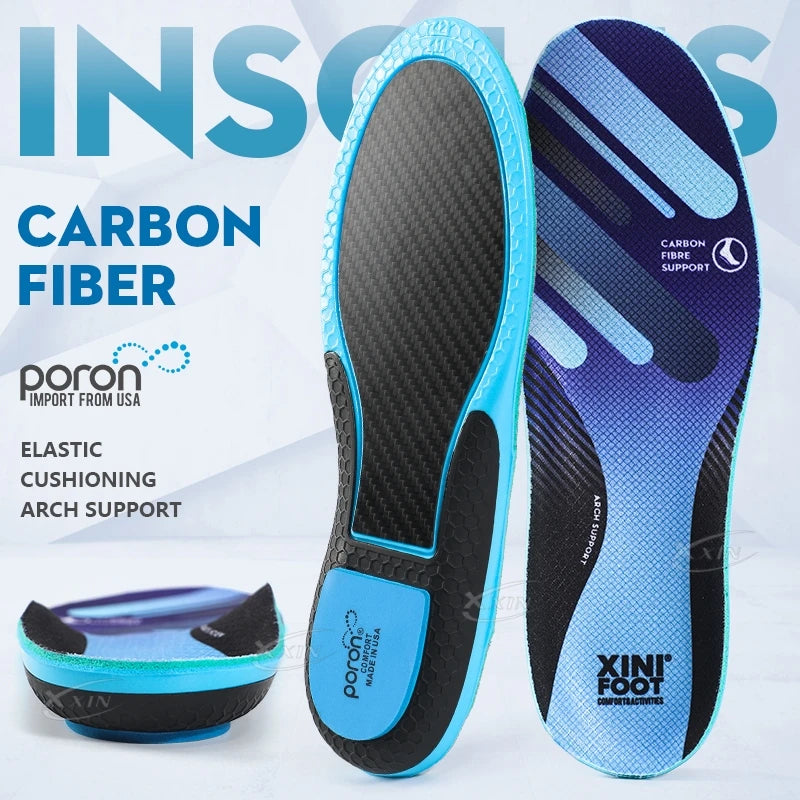
Energy return insoles for runners supporting smoother strides and reduced fatigue — see how they work.
Why Runners Lose Energy Faster Than Expected
Most runners lose energy due to inefficient force transfer during each stride. When your foot strikes the ground, a significant portion of energy is absorbed and dissipated instead of being reused for forward motion.
Common causes of energy loss include:
- Soft midsoles that absorb but don’t return energy
- Poor arch support leading to instability
- Excessive pronation or misalignment
- Muscle fatigue reducing push-off efficiency
Without proper energy return support, your muscles must compensate for lost propulsion—leading to faster fatigue and reduced endurance.
What Are Energy Return Insoles? (Foam, TPU & Carbon Explained)
What Is Energy-Return Foam?
Energy-return foam is a high-performance material designed to compress under pressure and rebound quickly. Unlike traditional EVA foam, TPU-based foams offer higher elasticity and durability, allowing more energy to be returned with each step.
How Energy Return Insoles Work (Step-by-Step)
- Foot strikes the ground, compressing the insole
- Energy is stored within the foam or structural plate
- The material rebounds during toe-off
- Stored energy is released to assist forward motion
Key Performance Benefits
- Improves running efficiency and stride economy
- Enhances propulsion without extra effort
- Reduces fatigue during long-distance runs
- Optimizes energy transfer through each step
Learn how energy return insoles support every stride
Best Energy Return Insoles (2026 Comparison & Reviews)
Comparison Table: Specs, Materials & Performance
| Insole Type | Material | Energy Return | Best For | Durability |
|---|---|---|---|---|
| Foam Cushion Insoles | EVA Foam | Low | Casual comfort | 300–500 km |
| Gel Insoles | Gel Hybrid | Low–Medium | Shock absorption | 300–600 km |
| TPU Insoles | TPU Foam | Medium–High | Daily training | 500–800 km |
| Carbon Fiber Insoles | Carbon Plate | High | Speed & distance | 600–800 km |
Top Picks Breakdown (With Technology Explained)
Top-performing insoles combine responsive foam with structural support. Carbon fiber models maximize propulsion, while TPU insoles balance comfort and rebound for everyday use.
- Carbon fiber: best for propulsion and speed
- TPU foam: best for comfort + energy return balance
- Hybrid designs: best for versatility and shock absorption
Real Runner Feedback & Use Cases
Many runners report smoother strides, reduced calf fatigue, and improved pacing consistency. TPU insoles are preferred for daily mileage, while carbon fiber options are often used for tempo runs and race days.
How Carbon Fiber Insoles Improve Kinetic Energy Running
How Carbon Plates Store and Release Energy
Carbon fiber insoles function like a spring. During foot strike, the rigid plate stores energy, then releases it rapidly during toe-off—creating a forward propulsive effect.
This improves momentum and reduces muscular workload, especially in the calves and lower legs during longer or faster runs.
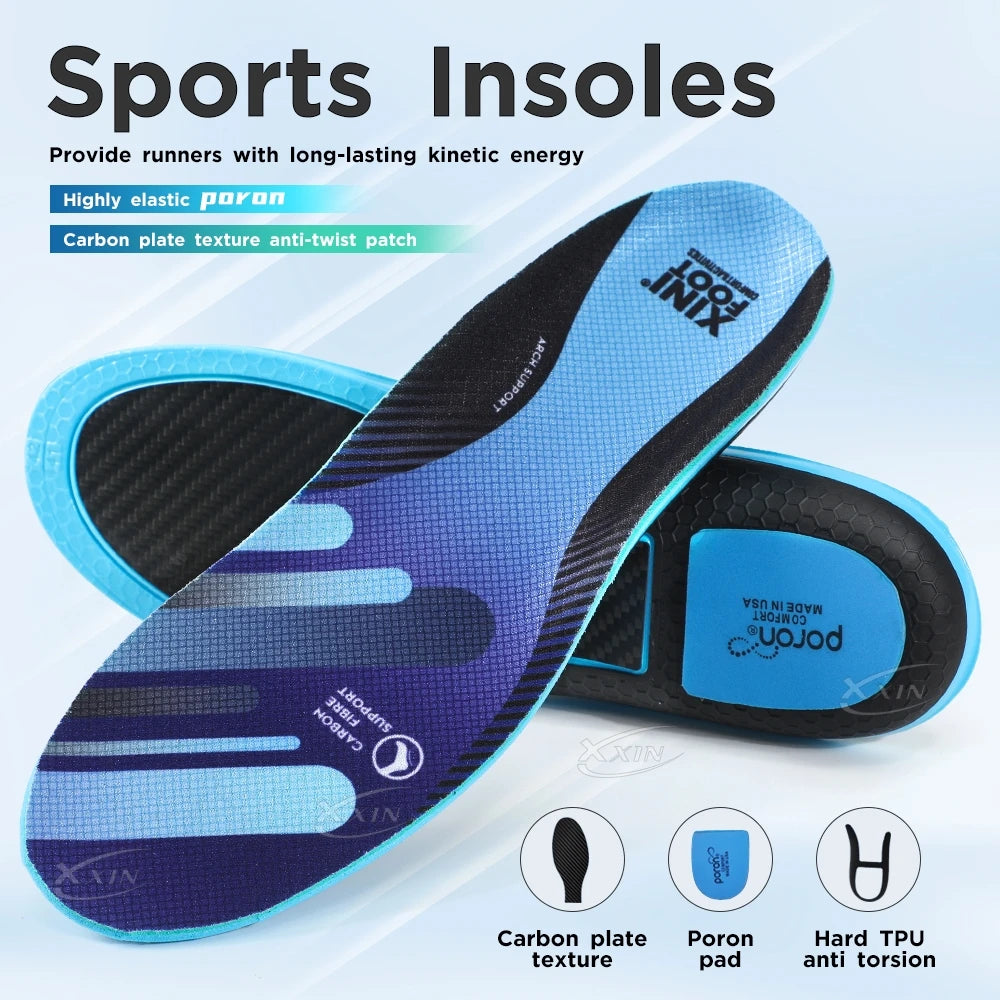
Carbon fiber structure designed for kinetic energy running efficiency.
Pros and Cons at a Glance
- Pros: high energy return, improved speed, reduced fatigue
- Cons: firmer feel, higher cost, short adaptation period
TPU vs Foam vs Carbon: Which Energy Return Technology Is Best?
Each material offers a different balance of comfort, responsiveness, and durability.
- TPU Foam: high rebound, durable, ideal for daily training
- EVA Foam: softer feel but lower energy return
- Carbon Fiber: maximum propulsion and stiffness for performance runs
For most runners, TPU offers the best balance, while carbon fiber is ideal for maximizing efficiency in competitive settings.
Who Benefits Most From Energy Return Insoles?
- Long-distance runners aiming to reduce fatigue
- Runners seeking improved efficiency and pacing
- Beginners needing better energy transfer
- Athletes recovering from overuse fatigue
These insoles are especially helpful for runners who feel they lose momentum quickly during runs.
Many runners also explore complementary recovery tools from the Body Care and Health Devices collection to support post-run recovery.
Can You Increase Running Endurance in 2 Weeks?
While true endurance gains take consistent training, energy return insoles can improve efficiency almost immediately. This helps runs feel easier and allows you to sustain effort longer in the short term.
However, lasting endurance improvements still depend on structured training, recovery, and proper technique.
See how runners improve endurance with smarter insoles
How to Choose the Right Energy Return Insoles
Based on Running Style & Distance
- Short runs: lighter, flexible insoles
- Long-distance: durable, high-rebound materials
- Speed training: carbon fiber for propulsion
Based on Cushioning vs Responsiveness
- More cushioning: TPU foam
- More responsiveness: carbon fiber
- Balanced performance: hybrid designs
Runners focused on full performance optimization often explore the Lifestyle collection to complement their routines.
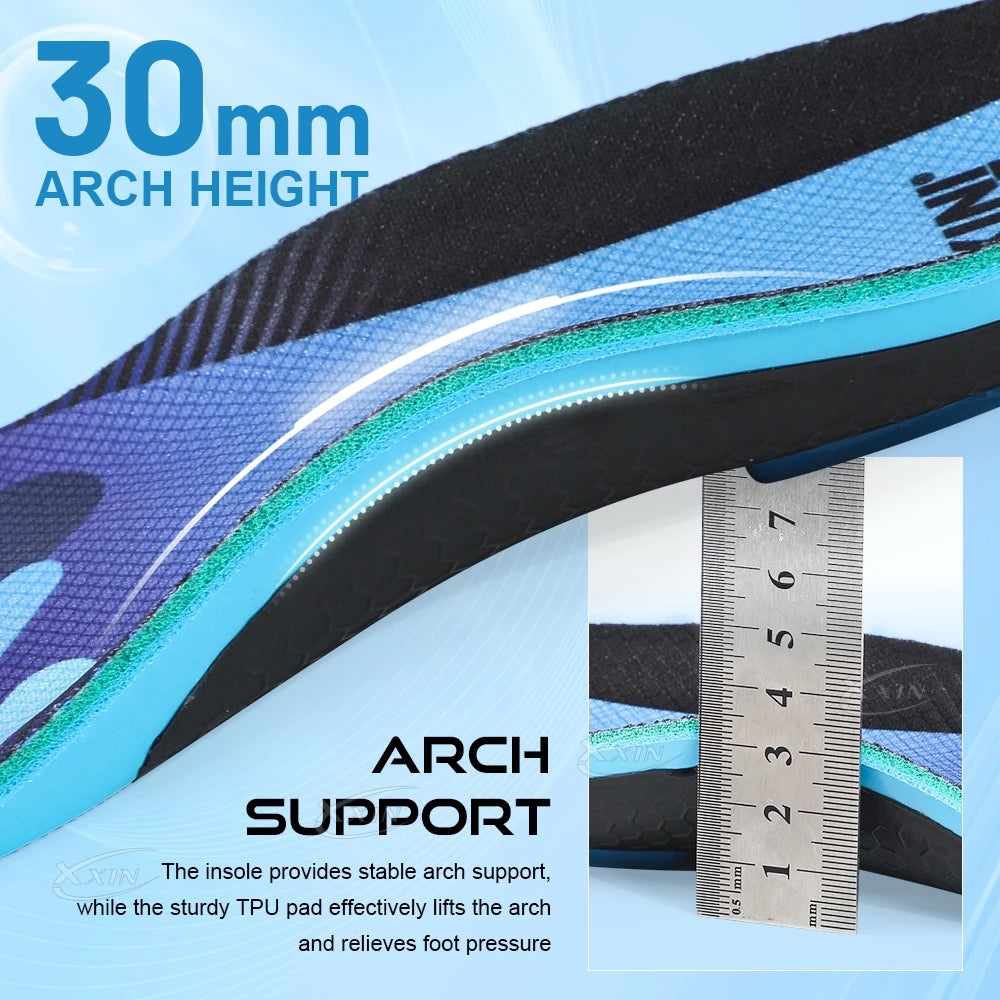
Energy return insoles for runners integrated into daily training — experience smoother miles.
Common Mistakes When Using Running Performance Insoles
- Switching too quickly without an adaptation period
- Choosing overly stiff insoles for daily runs
- Ignoring compatibility with running shoes
- Expecting instant results without proper training
Quick FAQ About Energy Return Insoles
Do energy return insoles change running form?
No. They support natural mechanics without forcing gait changes.
Are they suitable for everyday training?
Yes. Most runners adapt within a few runs and use them daily.
Will firmer insoles feel uncomfortable?
No. Firm support often feels more stable and efficient over distance.
Are they only for fast runners?
No. Any runner can benefit from improved efficiency and reduced fatigue.
Do energy return insoles reduce fatigue while running?
Yes, they improve energy transfer and reduce wasted motion, helping delay muscle fatigue.
How long do energy return insoles last?
Most last between 300–800 km depending on material and usage intensity.
Get energy return insoles designed for runners today
Related Guide: Best Insoles for Shock Absorption Compared for Sports Impact
UPGRADE PLAN { "outline": [ { "action": "KEEP", "h2": "Do Energy Return Insoles for Runners Really Improve Efficiency?", "h3": [], "focus": [ "Answer whether energy return technology improves running efficiency", "Separate performance claims from comfort benefits", "Introduce rebound, cushioning, and fatigue reduction concepts" ], "keywords": [ "energy return insoles for runners", "improve running efficiency", "reduce fatigue while running" ] }, { "action": "MODIFY", "h2": "Why Runners Lose Energy Faster Than Expected", "h3": [], "focus": [ "Explain impact forces and energy loss during running", "Connect fatigue with cushioning and responsiveness", "Introduce kinetic energy running mechanics" ], "keywords": [ "kinetic energy running", "increase running endurance insoles" ] }, { "action": "KEEP", "h2": "What Are Energy Return Insoles? (Foam, TPU & Carbon Explained)", "h3": [ "What Is Energy-Return Foam?", "How Energy Return Insoles Work (Step-by-Step)", "Key Performance Benefits" ], "focus": [ "Explain foam rebound technology", "Compare PEBA, TPU, EVA, and carbon components", "Describe how stored energy is released during strides", "Connect materials to running performance" ], "keywords": [ "what is energy-return foam", "foam technology running insoles", "energy return insoles" ] }, { "action": "MODIFY", "h2": "Best Energy Return Insoles (2026 Comparison & Reviews)", "h3": [ "Comparison Table: Cushioning, Rebound, Support, Weight & Durability", "Top Picks by Running Style and Activity", "Real-World Testing Results" ], "focus": [ "Create product comparison by use case", "Include measurable testing criteria", "Compare comfort, responsiveness, stability, and lifespan", "Avoid generic manufacturer descriptions" ], "keywords": [ "best energy return insoles", "running performance insoles", "insoles for long-distance running" ] }, { "action": "KEEP", "h2": "How Carbon Fiber Insoles Improve Kinetic Energy Running", "h3": [ "How Carbon Plates Store and Release Energy", "Pros and Cons at a Glance" ], "focus": [ "Explain carbon plate mechanics", "Compare stiffness versus comfort tradeoffs", "Clarify who benefits from carbon designs" ], "keywords": [ "kinetic energy running", "running performance insoles" ] }, { "action": "MODIFY", "h2": "TPU vs Foam vs Carbon: Which Energy Return Technology Is Best?", "h3": [ "Material Comparison: Rebound, Comfort, Weight and Durability" ], "focus": [ "Compare major energy return materials", "Explain differences in feel and performance", "Match materials to runner needs" ], "keywords": [ "foam technology running insoles", "what is energy-return foam" ] }, { "action": "KEEP", "h2": "Who Benefits Most From Energy Return Insoles?", "h3": [], "focus": [ "Identify ideal users by activity level", "Cover runners, walkers, workers, and endurance athletes", "Explain when performance insoles are worthwhile" ], "keywords": [ "energy return insoles for runners", "insoles for long-distance running" ] }, { "action": "MODIFY", "h2": "Can Energy Return Insoles Help Increase Running Endurance?", "h3": [], "focus": [ "Explain realistic fatigue reduction expectations", "Discuss adaptation period and training consistency", "Avoid unsupported short-term performance claims" ], "keywords": [ "increase running endurance insoles", "reduce fatigue while running" ] }, { "action": "KEEP", "h2": "How to Choose the Right Energy Return Insoles", "h3": [ "Based on Running Style, Distance and Foot Needs", "Based on Cushioning vs Responsiveness" ], "focus": [ "Guide buyers through selection criteria", "Explain fit, support, and firmness choices", "Match insoles to running goals" ], "keywords": [ "best energy return insoles", "insoles for long-distance running" ] }, { "action": "MODIFY", "h2": "How We Tested Energy Return Insoles", "h3": [ "Testing Conditions and Performance Metrics" ], "focus": [ "Add E-E-A-T testing methodology", "Include running, walking, and standing scenarios", "Measure comfort, rebound, fatigue, and durability" ], "keywords": [ "running performance insoles", "reduce fatigue while running" ] }, { "action": "KEEP", "h2": "Common Mistakes When Using Running Performance Insoles", "h3": [], "focus": [ "Cover sizing and break-in mistakes", "Explain compatibility with running shoes", "Prevent unrealistic performance expectations" ], "keywords": [ "running performance insoles", "energy return insoles" ] }, { "action": "KEEP", "h2": "Quick FAQ About Energy Return Insoles", "h3": [ "Do energy return insoles change running form?", "Are they suitable for everyday training?", "Will firmer insoles feel uncomfortable?", "Are they only for fast runners?", "Do energy return insoles reduce fatigue while running?", "How long do energy return insoles last?" ], "focus": [ "Target common purchase objections", "Support featured snippet opportunities", "Answer durability and performance questions" ], "keywords": [ "energy return insoles", "reduce fatigue while running", "best energy return insoles" ] } ], "internal_links": [ "running shoes guide", "sports recovery products", "foot care products", "fitness performance guides" ], "faq": [ "Do energy return insoles actually improve running efficiency?", "What is the difference between cushioning and energy return?", "Are energy return insoles worth it for marathon runners?", "Which foam provides the best energy return in insoles?", "How long do energy return insoles typically last?" ], "trim": [ "Reduce repeated explanations of endurance improvement", "Remove unsupported claims about increasing speed instantly", "Avoid duplicate material explanations across technology sections", "Replace generic product descriptions with testing-based comparisons" ] } Approved linked products: - Discover energy-efficient insole options (/products/carbon-fiber-insoles) - Learn how energy return insoles support every stride (/products/carbon-fiber-insoles) - See how runners improve endurance with smarter insoles (/products/carbon-fiber-insoles) - Get energy return insoles designed for runners today (/products/carbon-fiber-insoles) Product Rules - Keep all approved products. - Only approved products may contain affiliate links. - You may add real competitor products when useful. - Competitor products must not contain links unless already present. - Only create comparison tables when they genuinely improve the article. RULES - Apply every instruction in the Upgrade Plan. - Keep all existing affiliate links unchanged. - Keep all existing internal links unchanged. - Keep all existing image URLs unchanged. - Preserve sections such as Related Articles, Related Posts and Recommended Reading. - Avoid duplicate headings. - Insert new sections only where specified. - Improve clarity, topical coverage, EEAT and readability. - Expand weak sections only when required. - Use natural keyword placement. - Keep semantic HTML clean. YEAR UPDATE If visible article text contains "2005", replace it with "2026". Do not modify years inside: - URLs - href attributes - image filenames OUTPUT REQUIREMENTS Return ONLY the final upgraded HTML article. The output must be valid HTML and ready to publish. Do NOT return: - Markdown - Explanations - Notes - Code fences - JSON - XML Return the HTML beginning with the first HTML element and ending with the last HTML element.












