

Esthetician Skin Analysis: A Complete Professional Workflow
Effective esthetician skin analysis is more than deciding whether a client has oily or dry skin. A professional assessment combines consultation, skin history, visual observation, palpation, appropriate assessment tools, contraindication screening, documentation, and treatment planning. The goal is to build a consistent picture of the client's current skin characteristics while staying within the esthetician's scope of practice.
This workflow shows how to analyze facial skin systematically, distinguish skin type from temporary skin conditions, document findings, communicate results clearly, and use digital or AI-assisted skin analysis as a supporting tool rather than a replacement for professional judgment.
What Is an Esthetician Skin Analysis?
An esthetician skin analysis is a structured assessment of observable and tactile skin characteristics used to guide appropriate cosmetic skincare and treatment decisions. Depending on the setting and local scope-of-practice rules, an esthetician may evaluate apparent hydration, oiliness, texture, congestion, sensitivity, visible redness, pigmentation concerns, pore appearance, and other non-diagnostic characteristics.
Skin Analysis vs. Medical Skin Diagnosis
Skin analysis and medical diagnosis are not the same thing. An esthetician can observe and document a skin characteristic, but should not represent an observation as a medical diagnosis when that determination falls outside their professional scope.
For example, documenting persistent redness, an unusual lesion, or a rapidly changing pigmented area is different from diagnosing the underlying medical condition. When a finding appears suspicious, persistent, infected-looking, rapidly changing, or otherwise outside normal cosmetic assessment, the appropriate response is to pause or modify treatment as needed and recommend evaluation by an appropriately qualified healthcare professional.
What a Professional Skin Analysis Should Identify
A thorough assessment should consider the client's baseline skin type, current skin condition, visible characteristics, relevant history, treatment goals, and factors that may affect treatment suitability. Looking at the skin from several perspectives is particularly important because one visible characteristic rarely tells the entire story.
For example, a client may have an oily baseline skin type while simultaneously experiencing dehydration or temporary sensitivity. Treating every concern as simply “oily skin” can lead to an incomplete treatment plan.
Step 1: Start With a Structured Skin Consultation
Before examining the face closely, establish context. A consultation can reveal factors that are impossible to determine from facial appearance alone and helps prevent inappropriate treatment choices.
Essential Client Skin Analysis Questions
Useful questions include:
- What are your main skin concerns right now?
- What skincare products do you currently use?
- Have you recently changed your skincare routine?
- Have you had a peel, laser treatment, injection, waxing service, or other facial procedure recently?
- Have you experienced unusual irritation, burning, itching, or sensitivity?
- How does your skin typically feel after cleansing?
- Does your skin become noticeably oily during the day?
- What changes would you most like to see?
- What professional treatments have you received previously?
- Are there relevant allergies, sensitivities, medications, or health-related factors that affect treatment suitability?
The exact intake process should be adapted to the services offered and applicable local requirements. The important principle is to collect treatment-relevant information before relying on visual findings.
Client History and Treatment-Relevant Information
Recent sun exposure, aggressive exfoliation, new products, cosmetic procedures, and changes in home care can temporarily alter the appearance and feel of skin. Recording these details gives the esthetician a better basis for interpreting what is observed.
Consent, Intake Forms, and Contraindication Screening
Screening should occur before hands-on assessment or treatment. If a client's history or current skin presentation suggests that a planned service may be unsuitable, the treatment may need to be modified, postponed, or referred out according to professional protocols and local regulations.
Step 2: Perform a Systematic Visual and Physical Assessment
Once the consultation is complete, use the same general assessment sequence for every client. Standardization makes observations easier to document and compare during future visits.
Observe the Skin Under Consistent Lighting
Begin with the overall appearance. Look for differences in tone, visible oiliness, dryness, texture, congestion, pore appearance, pigmentation, and redness. Consistent lighting and positioning matter because shadows, glare, camera exposure, and room lighting can make the same skin look different from one assessment to another.
Use Palpation to Assess Texture and Hydration
Visual inspection should be supplemented by appropriate tactile assessment. Clean hands and suitable professional hygiene practices allow the esthetician to assess apparent surface roughness, smoothness, texture, and other tactile characteristics.
Palpation does not provide a laboratory measurement of skin hydration or elasticity. It is one professional observation that should be interpreted alongside consultation information and other assessment methods.
Assess Different Facial Zones
Do not assume the entire face behaves identically. The forehead, nose, cheeks, chin, and areas around the eyes may show different characteristics. Zonal assessment can reveal combinations such as increased oiliness through the central face with comparatively drier cheeks.
For professionals building a broader device-based workflow, the skin and beauty care devices collection can also provide context for how digital tools fit alongside traditional facial assessment.
Step 3: Determine Skin Type vs. Skin Condition
One of the most important distinctions in esthetician skin analysis is between skin type and skin condition. Skin type describes a relatively stable baseline pattern, while skin conditions can change because of environment, skincare, lifestyle, irritation, age, and other factors.
The Main Skin Types
- Balanced: Generally comfortable with relatively consistent oil and moisture characteristics.
- Dry: Often characterized by lower apparent surface oil and a tendency toward roughness or tightness.
- Oily: Characterized by greater surface oil production and often more noticeable shine.
- Combination: Shows different oil and dryness characteristics across facial zones.
Common Skin Conditions Estheticians Observe
Current conditions may include apparent dehydration, temporary sensitivity, congestion, excess oil, uneven texture, visible redness, or uneven pigmentation. These observations should be described carefully and should not automatically be treated as medical diagnoses.
Skin Type vs. Skin Condition: Quick Comparison
| Assessment factor | Skin type | Skin condition |
| Meaning | Baseline pattern of the skin | Current or changing characteristic |
| Examples | Dry, oily, combination, balanced | Dehydration, sensitivity, congestion, uneven texture |
| Can it change? | May change over time but is generally more stable | Often changes with circumstances and skincare |
| Planning implication | Provides a baseline | Helps determine current treatment priorities |
Step 4: Use Professional Skin Analysis Tools
Professional tools can add consistency, magnification, measurement, or visual information that is difficult to obtain from an unaided examination. They should complement consultation and professional interpretation rather than replace them.
Magnifying Lamp
A magnifying lamp can make surface characteristics easier to inspect. Depending on the device and setup, magnification may help an esthetician examine pore appearance, surface texture, congestion, dryness, and other visible features more closely.
Wood's Lamp
A Wood's lamp can provide an additional observational perspective under ultraviolet illumination. However, results can be influenced by technique, environment, skin products, pigmentation, and other factors. It should not be treated as a standalone diagnostic instrument.
Additional Professional Assessment Tools
Other tools can include moisture or sebum measurement devices, digital facial imaging systems, standardized photography, and computer-assisted analysis. These technologies are particularly useful when the objective is to make observations more structured or compare results over time.
When to Use Tools vs. Visual Assessment
A useful rule is to select the assessment method according to the question being asked. Visual assessment is appropriate for many visible characteristics; magnification can provide a closer view of surface features; measurement devices can add quantitative information; and digital imaging can help standardize facial documentation.
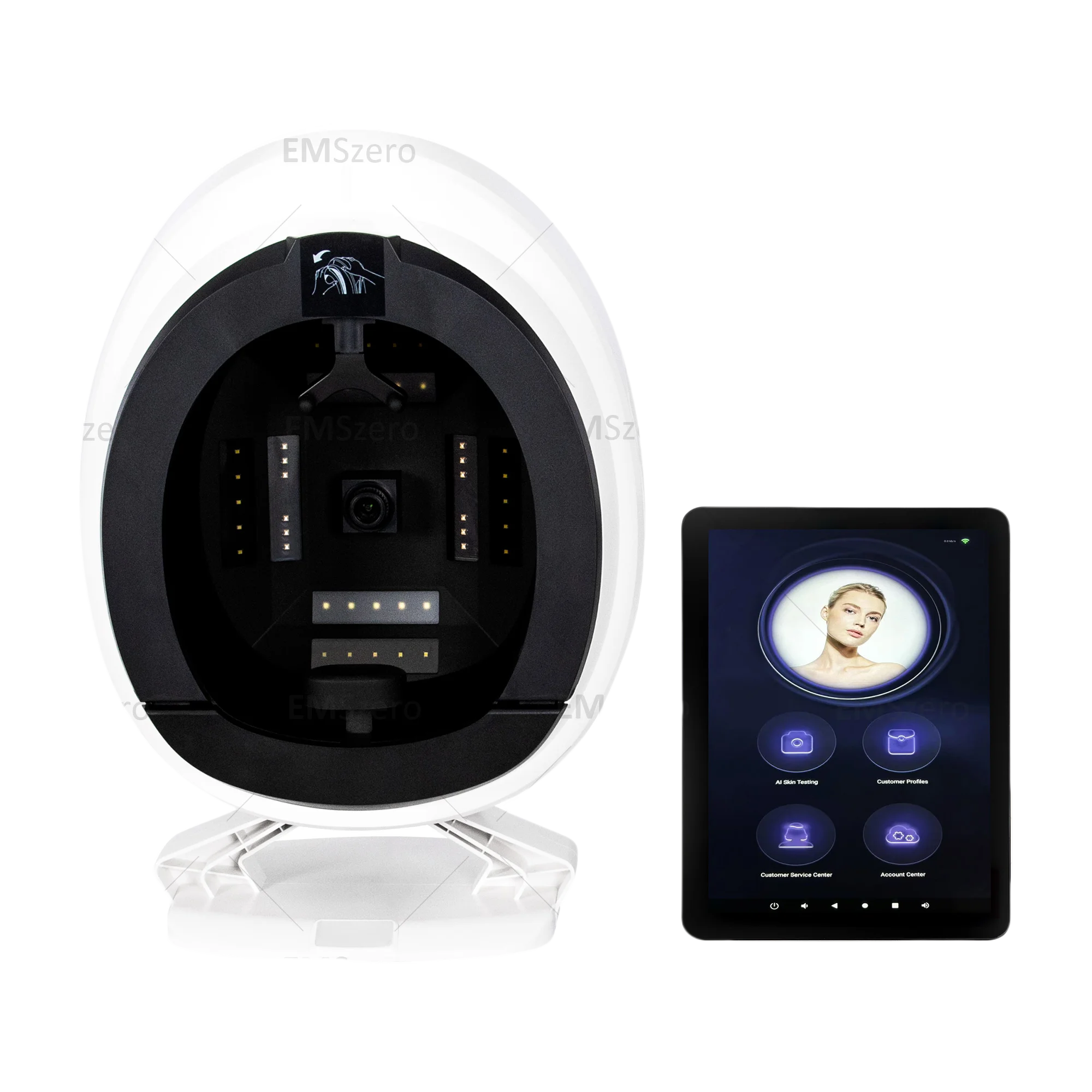
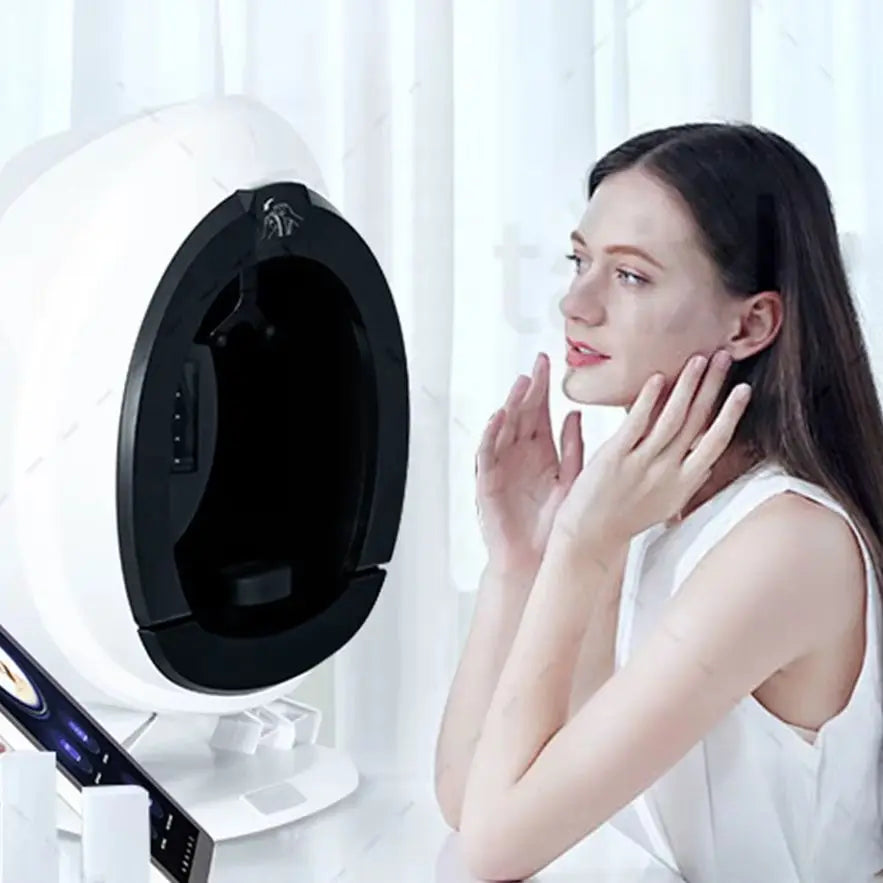
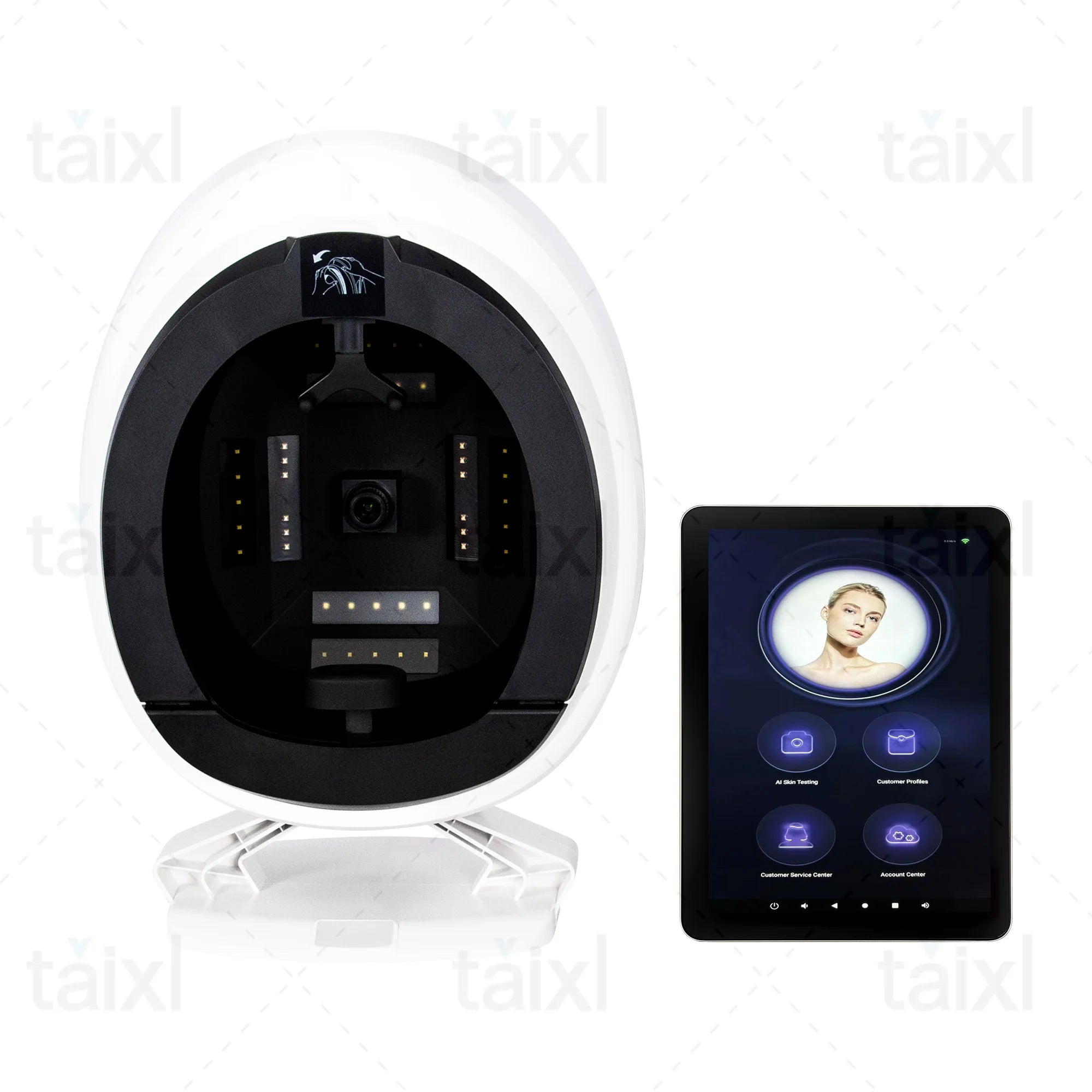
For salons and skincare clinics that want to incorporate digital imaging into this workflow, the AI Skin Analyzer for Professional 3D Facial Skin Analysis is designed as a professional facial analysis system rather than a consumer diagnostic device. Its 36MP industrial HD camera, 8-spectrum imaging, and AI-powered analysis are intended to provide structured digital information that can support consultations.
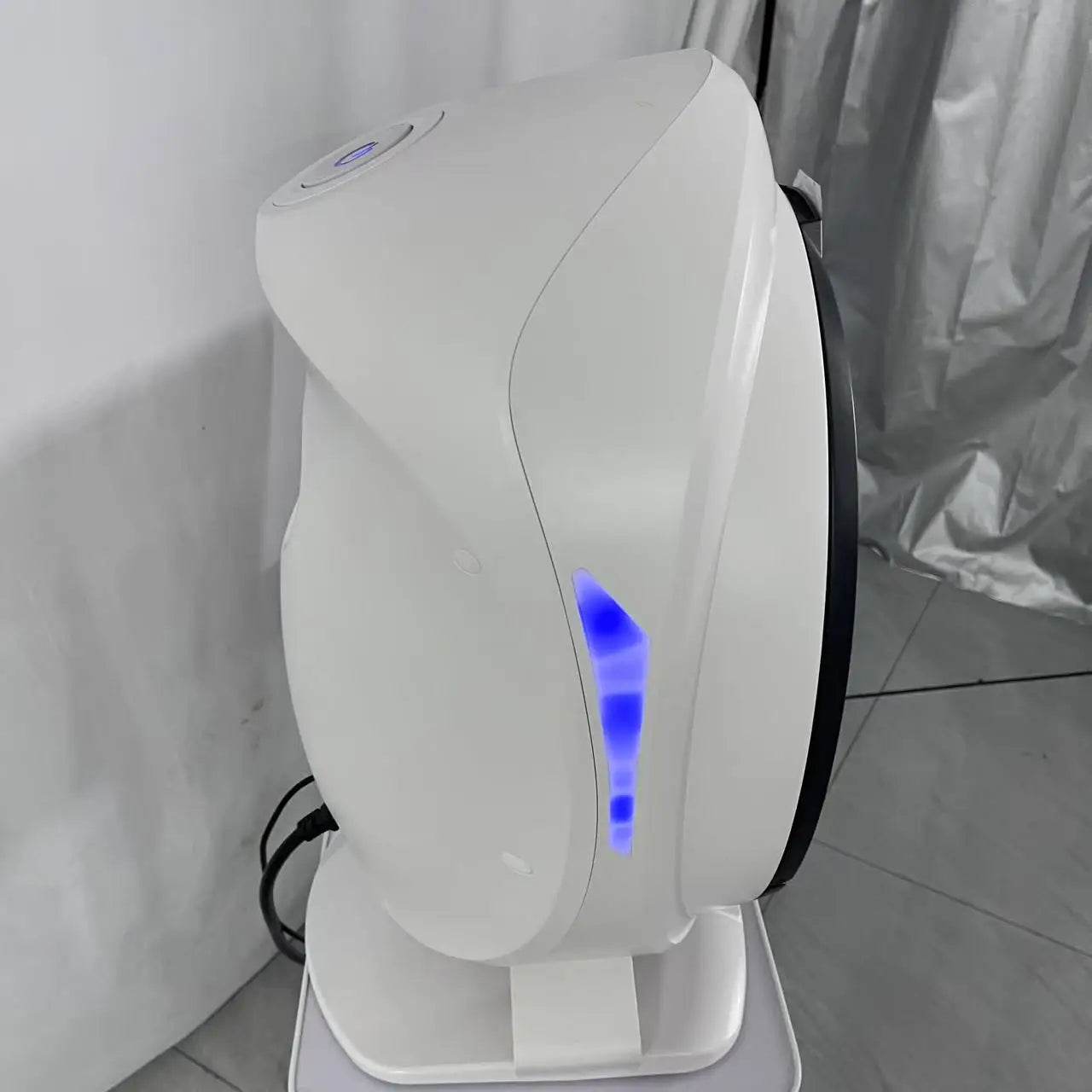
The system evaluates characteristics including acne, pigmentation, pores, wrinkles, moisture, sebum, skin tone, and elasticity, and can generate digital reports for consultation and ongoing comparison. Those outputs are best interpreted as additional information within the broader professional assessment process.
Professionals interested in related treatment and assessment technology can also browse Body & Face skincare resources for additional context on integrating beauty-device workflows into facial care.
Step 5: Recognize Contraindications and Referral Red Flags
A good skin analysis is also a safety screen. The ability to recognize when not to proceed is as important as identifying an appropriate treatment opportunity.
When to Modify or Postpone an Esthetic Treatment
Active irritation, compromised skin, recent procedures, unusual sensitivity, or other treatment-relevant concerns may require modification or postponement. The appropriate response depends on the service, the client's history, and applicable professional requirements.
Signs That May Require Medical Referral
Estheticians should avoid diagnosing suspicious lesions or unexplained conditions. Findings that are persistent, rapidly changing, unusually symptomatic, infected-looking, or otherwise concerning should be handled according to appropriate referral procedures.
Scope-of-Practice Rule of Thumb
A practical framework is: observe, document, explain the limitation, and refer when necessary. An esthetician's assessment can support cosmetic treatment planning without claiming to determine a medical diagnosis.
Step 6: Document the Client Skin Assessment
Documentation turns an individual consultation into a repeatable professional process. It also makes reassessment more meaningful because future observations can be compared with a defined baseline.
What to Record After Every Skin Analysis
- Client's primary concerns and goals
- Relevant skincare and treatment history
- Observed skin type
- Current skin conditions or characteristics
- Zonal observations
- Tool-assisted findings when applicable
- Contraindications or treatment modifications
- Recommended treatment priorities
- Home-care recommendations
- Follow-up or reassessment timing
Simple Professional Skin Analysis Documentation Template
Client goals: Record the client's main concerns and desired outcomes.
Skin type: Record the baseline classification based on the overall assessment.
Current conditions: Document relevant non-diagnostic observations such as apparent dehydration, oiliness, congestion, sensitivity, uneven texture, or visible pigmentation concerns.
Assessment tools: Record the tools used and the observations they contributed.
Treatment considerations: Note contraindications, modifications, priorities, and recommended next steps.
Reassessment: Record standardized photos, digital analysis where applicable, and the timing of the next evaluation.
Standardized Photos and Reassessment
When photography is used for tracking, keep positioning, facial orientation, lighting, camera distance, and timing as consistent as practical. This reduces avoidable differences caused by photography conditions rather than genuine changes in skin appearance.
Step 7: Turn Analysis Findings Into a Treatment Plan
Assessment has value only when it informs an appropriate next step. Treatment planning should connect the observed characteristics with the client's goals while accounting for treatment suitability and realistic expectations.
Prioritize the Client's Main Skin Goals
Do not automatically treat every observable characteristic. Establish which concerns matter most to the client, then balance those priorities against what the assessment shows and what can reasonably be addressed through esthetic services.
Map Skin Findings to Treatment Priorities
- Apparent dehydration: Consider hydration-supportive approaches and review potentially irritating home-care practices.
- Excess surface oil: Review cleansing, product selection, and treatment intensity rather than assuming stronger treatment is always better.
- Congestion: Consider appropriate exfoliation or professional procedures within the service's scope and the client's tolerance.
- Uneven texture: Evaluate texture alongside sensitivity and recent treatment history before selecting an approach.
- Visible pigmentation concerns: Document appearance carefully and avoid presenting an esthetic observation as a medical diagnosis.
Build a Home-Care and Follow-Up Plan
Recommendations should be practical enough for the client to follow consistently. A clear reassessment point also allows the esthetician to determine whether the chosen approach is producing the intended cosmetic result or needs adjustment.
How to Explain Skin Analysis Results to Clients
Even an excellent assessment can fail if the client cannot understand what the findings mean. Professional communication should be accurate, reassuring, and free of unnecessary diagnostic language.
Use Client-Friendly Terms Instead of Diagnosis Language
Instead of saying, “You have a medical skin disorder,” an esthetician can explain an observation as a visible characteristic and describe what can or cannot be addressed through the planned service. This approach is more transparent and helps maintain appropriate professional boundaries.
Sample Skin Analysis Explanation Script
“Your skin appears to have an oily tendency through the central facial areas, while the cheeks show signs of lower surface hydration. I also see some congestion and uneven texture that we can consider when planning your treatment. These observations help us prioritize your skincare routine, but they are not a medical diagnosis. If anything appears outside the scope of an esthetic service, I would recommend having it evaluated by an appropriate healthcare professional.”
AI Skin Analysis: Where It Helps and Where It Falls Short
AI-assisted facial analysis is increasingly useful for professionals who want more structured imaging and easier comparisons between visits. It can help transform a facial image into organized information that is easier to review with a client.
What AI Skin Analysis Can Assist With
Depending on the system, AI skin analysis may assist with image-based pattern recognition, facial mapping, standardized comparisons, documentation, visualization, and tracking of selected skin characteristics. A system using multiple imaging spectra can also provide a different view of facial characteristics than ordinary photography alone.
The professional benefit is not simply producing a colorful report. The stronger workflow is to use standardized digital information to improve consultation conversations, document observations, and compare changes over time.
Key Limitations of AI Skin Analysis
- Image quality matters: Poor positioning, inconsistent lighting, reflections, or image artifacts can affect analysis.
- Algorithms have limitations: AI outputs depend on the underlying software, training data, image inputs, and analysis methodology.
- Results require interpretation: A software-generated indicator should not automatically be treated as a definitive conclusion.
- AI does not replace consultation: Client history, product use, recent procedures, sensitivities, and goals remain important.
- AI does not replace medical judgment: A digital analysis system should not be used to diagnose medical conditions or determine whether a suspicious finding is clinically significant.
Best-Practice Workflow for AI-Assisted Assessment
The strongest approach is to place AI within the complete esthetician workflow: consultation → screening → visual assessment → tool-assisted assessment → professional interpretation → documentation → treatment planning → reassessment.
This prevents technology from becoming a substitute for professional reasoning. It also makes digital analysis more useful because the esthetician can explain what the report means, identify its limitations, and connect relevant observations to the client's goals.
For professionals comparing equipment options, the professional AI skin analyzer is designed around this type of salon and clinic workflow, with 36MP imaging, 8-spectrum technology, multiple skin indicators, digital reporting, and image tracking. It is best viewed as a consultation-support system rather than a diagnostic replacement.
Common Esthetician Skin Analysis Mistakes to Avoid
Confusing Skin Type With a Temporary Condition
Calling every dehydrated client “dry skin” is a common example. A baseline skin type and a temporary condition can coexist, so both should be considered before making recommendations.
Relying on One Tool or One Observation
No single photograph, magnifying lamp, measurement, or AI report necessarily represents the complete picture. Combining multiple relevant inputs creates a more reliable professional assessment.
Skipping Consultation and Contraindication Screening
Facial appearance alone cannot reveal the full treatment history. Skipping consultation can cause an esthetician to overlook recent procedures, irritation, product reactions, or other factors that should affect treatment planning.
Overpromising or Diagnosing
Professional credibility improves when estheticians clearly distinguish cosmetic observations from medical diagnoses. Avoid promising that a particular treatment will eliminate a condition or presenting software outputs as medical conclusions.
Esthetician Skin Analysis Workflow: Quick Reference
The 7-Step Professional Workflow
- Consult: Establish concerns, goals, routine, history, and relevant treatment information.
- Screen: Check consent, contraindications, recent procedures, irritation, and referral concerns.
- Observe: Examine the face systematically under consistent conditions.
- Classify: Separate baseline skin type from current skin conditions.
- Assess with appropriate tools: Use magnification, Wood's lamp, measurement devices, standardized photography, or digital imaging when useful.
- Document: Record observations, relevant tool findings, recommendations, and standardized images.
- Plan and reassess: Connect findings to client goals, establish treatment and home-care priorities, then compare results at an appropriate follow-up.
Professionals looking to complement facial assessment with other beauty technology can explore the broader Body Care and Health Devices collection as part of a wider professional device workflow.
Conclusion
A high-quality esthetician skin analysis is a structured professional process, not a quick visual judgment. The strongest workflow starts with consultation and contraindication screening, moves through systematic observation and appropriate tools, distinguishes skin type from changing skin conditions, documents findings consistently, and translates those observations into realistic treatment and home-care priorities.
Digital imaging and AI can make that process more measurable and easier to track, particularly when professionals want standardized facial images, structured reports, and comparisons across visits. But technology works best as one input within professional assessment—not as a substitute for consultation, esthetician judgment, scope-of-practice awareness, or medical referral when appropriate.
If improving consistency and personalization is a priority for your salon or skincare practice, incorporating a professional digital assessment tool such as the AI Skin Analyzer for Professional 3D Facial Skin Analysis can be considered as one component of a broader client-analysis workflow.
Pillar Article: AI Facial Analyzer for Estheticians: Best Options Compared













