

AI Facial Analyzer for Estheticians: Features, ROI & Salon Workflow
An AI facial analyzer for estheticians gives professional skincare consultations a more structured way to evaluate facial skin than relying on visual inspection alone. By combining facial imaging, computer vision, and algorithmic analysis, these systems can document characteristics such as pigmentation, pores, wrinkles, moisture, sebum, tone, and elasticity.
For a salon or skincare practice, however, the best analyzer is not necessarily the one with the longest feature list. Buyers should evaluate imaging quality, analysis depth, report usability, workflow fit, client tracking, privacy controls, total cost, and potential return on investment. This guide explains what to compare before choosing a professional AI skin analysis system.
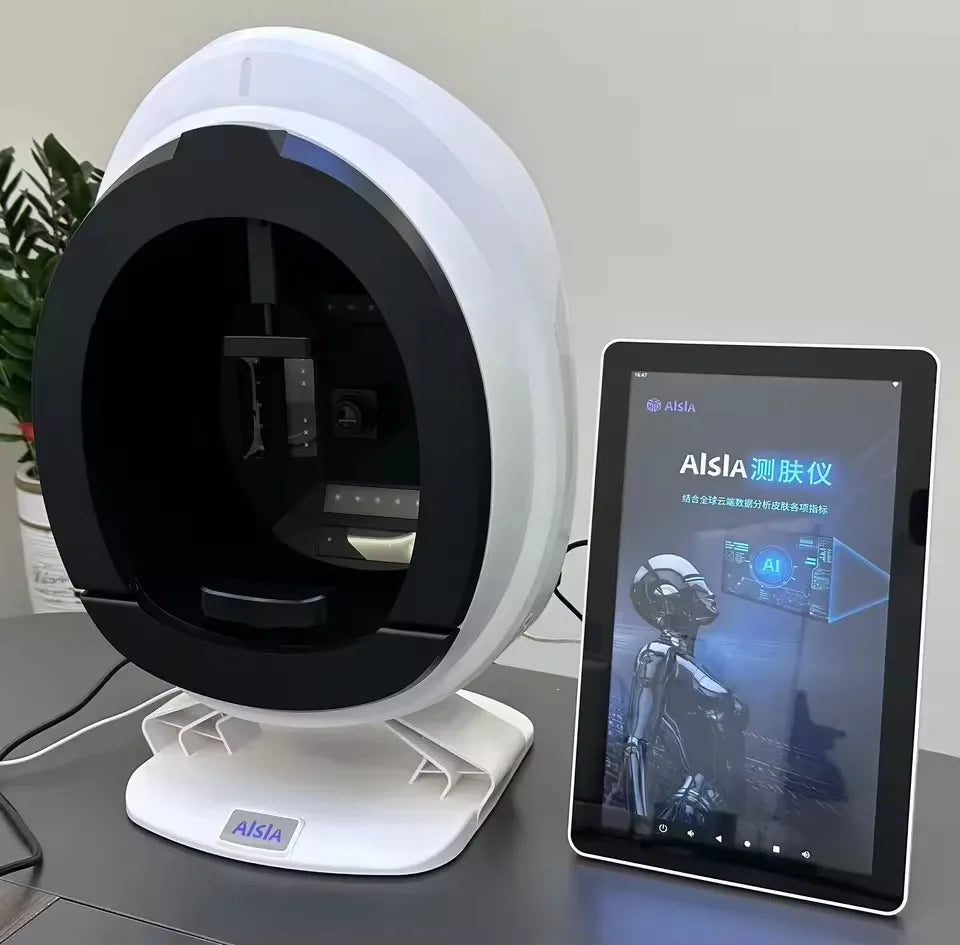
What Is an AI Facial Analyzer for Estheticians?
An AI facial analyzer for estheticians is a professional imaging system that captures standardized facial images and uses software-based image analysis to identify and organize skin characteristics. Depending on the system, analysis may include pigmentation, pores, wrinkles, acne-related characteristics, moisture, sebum, skin tone, texture, and elasticity.
Unlike a conventional camera, a professional analyzer is designed to turn facial imaging into a structured assessment that can be reviewed during a consultation and compared during future visits. The purpose is not to replace an esthetician's expertise or provide a medical diagnosis. Instead, it can provide additional visual and quantitative-style information to support professional observation, client education, treatment planning, and progress tracking.
AI Facial Analysis vs. Manual Skin Assessment
Manual assessment remains important because trained estheticians interpret skin characteristics in context, including client history, current routines, lifestyle factors, sensitivities, and treatment goals. AI imaging adds consistency by giving the practitioner a repeatable visual record.
- Manual assessment: relies heavily on professional observation, experience, touch, consultation questions, and clinical or cosmetic judgment.
- AI facial analysis: adds standardized imaging, visual overlays, algorithmic pattern recognition, and digital documentation.
- Combined workflow: uses technology as an assessment aid while keeping professional interpretation at the center of the consultation.
What Skin Concerns Can AI Imaging Evaluate?
Professional systems can evaluate image-derived indicators such as pores, pigmentation, uneven tone, wrinkles, acne-related characteristics, oil or sebum characteristics, moisture, texture, and elasticity. The exact parameters depend on the device and software.
These results should be treated as cosmetic skin-analysis information rather than automatically as medical diagnose
Related Articles:
- Skin Tone Analysis: Science, AI Accuracy & Practical Methods
- Skin Analysis Machine Buying Guide: Compare Types, Features & Costs
- Sebum Analysis Facial Imaging: Methods, Accuracy & Applications
- Professional Skincare Consultation Tools: A Complete Guide
- Professional Skin Analysis: What It Measures and How It Works
- Best Skin Analysis Systems: Professional Comparison Guide
- Skin Analysis Machine for Clinics: 2026 Buying Guide
- Professional Facial Skin Analyzer Devices: Compare Imaging, AI & Features
- Best Professional AI Skin Analyzers for 2026: Compare Top Machines
- Hidden Skin Concerns Analysis: What Your Skin May Be Hiding
- How to Analyze Facial Skin: A Practical Step-by-Step Guide
- Facial Analysis Tool Guide: AI, Imaging, Accuracy & Uses
- Best Facial Analysis Software in 2026: Buyer’s Guide
- Professional Facial Skin Analyzer Device: A Technical Guide
- Esthetician Skin Analysis: A Complete Professional Workflow
- AI Skin Analyzer Machine: Features, Benefits & Buying Guide
- AI Skin Analyzer Machine: 2026 Comparison & Buying Guide
- AI Facial Skin Analyzer: Professional Systems Compared
- Facial Analyzer AI: Professional Skin Analysis Guide for 2026













