

Do even heat distribution wires really work?
Yes. Even heat distribution wires are specifically engineered to deliver consistent warmth across the entire heating surface instead of creating noticeable hot and cold spots. By using carefully controlled electrical resistance, optimized wire spacing, and integrated temperature management, these electric heating wires produce balanced heat for heated blankets, floor heating systems, automotive seat warmers, and portable heating products.
In a heating wire for blankets , uniform heat distribution improves comfort, helps reduce localized overheating, and minimizes unnecessary energy loss. For 12V heated blanket wires used in vehicles, this design ensures reliable warmth from edge to edge, making long drives and outdoor travel more comfortable while operating efficiently from a vehicle's power system.
Even Heat Distribution Wires: Key to Consistent Warmth
Whether you're using a heated blanket at home or a portable 12V blanket in your vehicle, the quality of the heating wire has a direct impact on comfort, safety, and efficiency. Modern even heat distribution wires are designed to spread warmth uniformly across the fabric, helping eliminate uncomfortable temperature fluctuations while improving durability and energy performance. Understanding how these heating systems work makes it easier to choose products that deliver dependable warmth for everyday use.
⏱ 5 min read
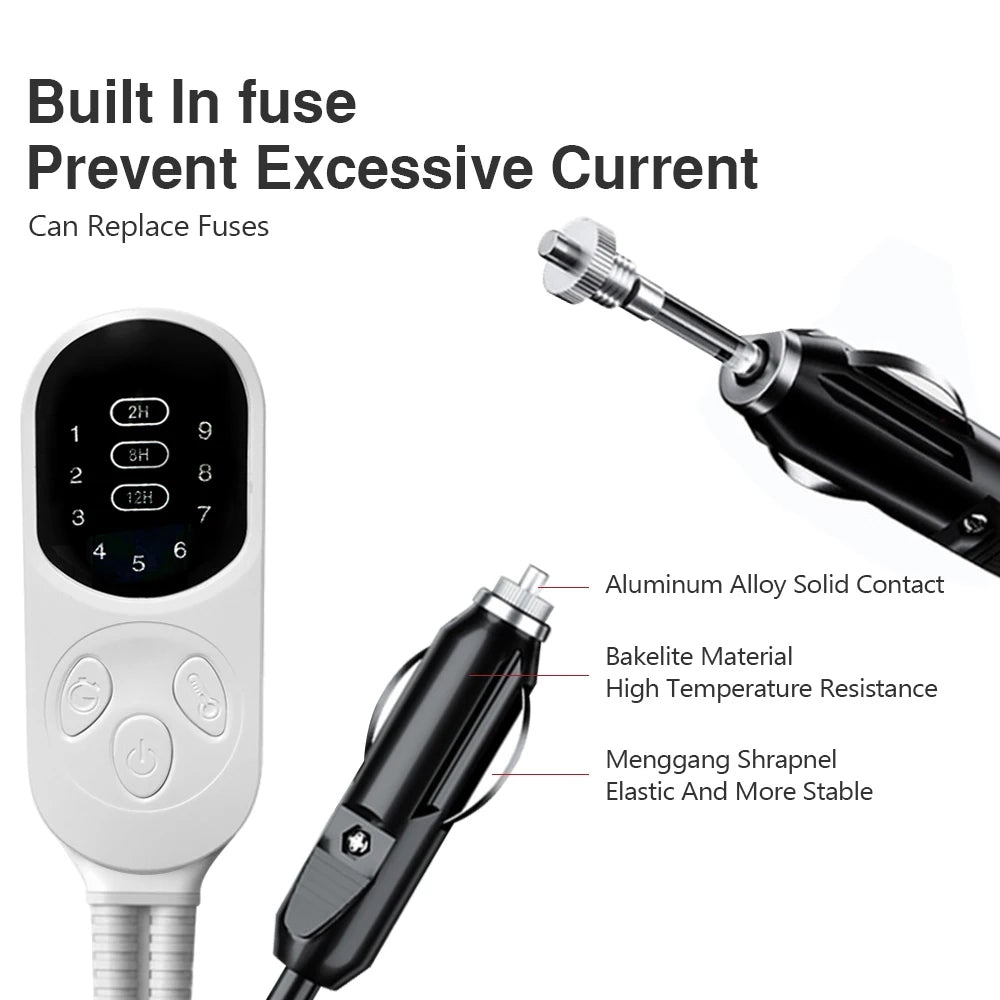
Even heat distribution wires paired with electric heating wires for balanced warmth. See it in action.
What Are Even Heat Distribution Wires?
Even heat distribution wires are specialized electric heating wires engineered to deliver uniform thermal output across an entire surface. Rather than concentrating heat in isolated areas, these heating elements use carefully controlled resistance, precise wire spacing, and durable insulation to create consistent temperatures from one end of the product to the other.
This design is commonly found in heated blankets, automotive heating products, seat warmers, floor heating systems, and other low-voltage heating applications where comfort and safety depend on balanced heat delivery.
- Consistent heat along the full wire length
- Reduced hot spots and cold zones
- Improved energy efficiency through uniform heat output
- Compatible with many low-voltage and portable heating systems
- Designed to improve comfort and extend product lifespan
In portable products powered by an in car power outlet, even heat distribution helps maintain stable temperatures without requiring frequent adjustments, creating a more comfortable experience throughout extended use.
How Heating Wires Actually Work
Electric heating wires produce heat through a process known as resistance heating . When electrical current passes through a conductor with controlled electrical resistance, part of that electrical energy is converted into thermal energy. The heat then spreads through the surrounding insulation and fabric, creating a comfortable warming effect.
How efficiently a heating wire performs depends on several engineering factors, including the wire material, resistance value, operating voltage, insulation quality, and overall layout. These elements determine how quickly the wire heats up, how evenly warmth is distributed, and how safely the system operates during extended use.
- Constant Wattage Wires: Deliver a consistent heat output regardless of surrounding temperature, making them a popular choice for heated blankets, seat warmers, and other portable heating products that require predictable performance.
- Self-Regulating Wires: Automatically change their electrical resistance as temperature increases, reducing heat output in warmer areas while maintaining warmth in cooler sections. This improves energy efficiency and helps minimize the risk of overheating.
Understanding heating element wire types helps explain why different heating products vary in warm-up speed, temperature consistency, energy consumption, and overall durability.
Traditional Heating Wires vs. Even Heat Designs
Both traditional heating wires and modern even heat distribution wires rely on the same resistance-heating principle, but their internal design produces noticeably different results. Advances in wire spacing, insulation, and temperature management allow modern systems to deliver a more consistent heating experience while improving efficiency and safety.
| Feature | Traditional Wires | Even Heat Distribution Wires |
|---|---|---|
| Heat Distribution | May develop hot and cold spots | Uniform warmth across the heated surface |
| User Comfort | Frequent repositioning may be needed | Consistent, edge-to-edge comfort |
| Temperature Control | Less consistent under varying conditions | More stable and predictable heating |
| Safety | Greater chance of localized overheating | Reduced hot-spot risk with improved heat balance |
| Energy Efficiency | Heat output may be uneven | Optimized energy use through balanced heating |
| Typical Applications | Older heating products and basic warming systems | Modern heated blankets, automotive heating products, and premium portable heaters |
Types of Electric Heating Wires
Different heating element wire types are designed for specific operating conditions, temperature ranges, and applications. Choosing the appropriate technology helps improve heating performance, energy efficiency, product lifespan, and overall safety.
Nichrome Wire
Nichrome is one of the most widely used electric heating wires because it combines high electrical resistance with excellent oxidation resistance. It heats quickly, withstands repeated heating cycles, and is commonly found in heated blankets, portable heaters, hair styling tools, and household heating appliances.
Constant Wattage Wire
Constant wattage heating wire delivers a predictable heat output whenever power is supplied. Because its performance remains stable across the heating surface, it is frequently used in heated blankets, seat warmers, and other products that require reliable, even warmth under normal operating conditions.
Self-Regulating Heating Cable
Self-regulating cables automatically adjust heat output as surrounding temperatures change. As the cable warms, its electrical resistance increases, reducing power consumption and lowering the likelihood of overheating. This technology is widely used for pipe freeze protection, roof de-icing systems, and premium heating products that prioritize energy efficiency.
Mineral Insulated Heating Cable
Mineral insulated heating cable is engineered for demanding industrial environments where extremely high temperatures, moisture, vibration, or corrosive conditions are present. Although uncommon in consumer heated blankets, this cable offers exceptional durability and long service life for specialized process heating applications.
A car heated blanket 12v operates from a vehicle's electrical system, making efficient wire design especially important. Since the available power from an in car power outlet is limited, the heating wire must provide consistent warmth without drawing unnecessary current or creating localized hot spots.
- Uses available battery power more efficiently
- Maintains consistent warmth across the blanket
- Helps reduce the risk of localized overheating
- Supports comfortable use during long road trips, camping, and emergency travel
- Works reliably with low-voltage DC power systems
Advanced 12V heated blanket wire designs combine optimized resistance, durable insulation, and balanced wire spacing to deliver dependable warmth while maintaining safe operating temperatures throughout the blanket.
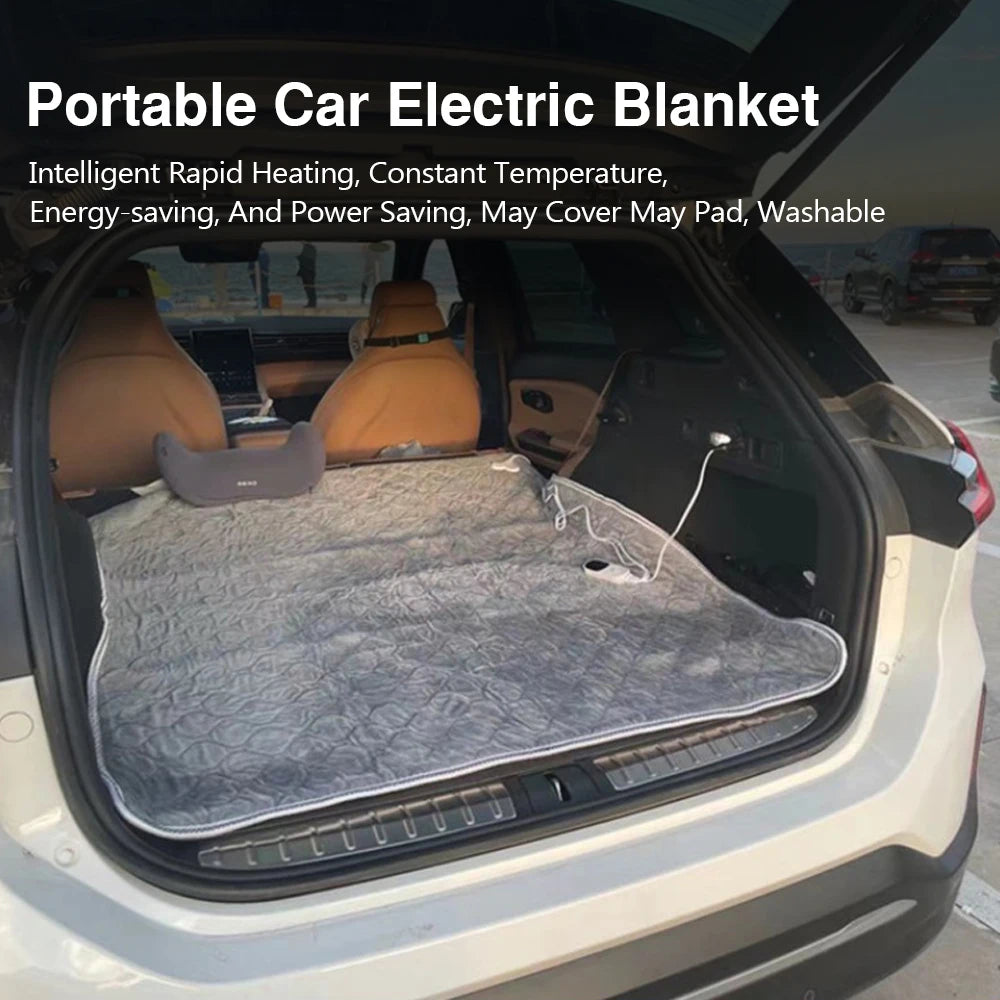
Electric heating wires optimized for car heated blanket 12v use. See it in action.
Safety, Efficiency, and Long-Term Durability
High-quality safe electric heating wires are engineered to provide reliable performance over thousands of heating cycles. Modern designs combine durable conductor materials, heat-resistant insulation, and effective temperature regulation to maintain stable operation while minimizing wear.
- Lower risk of wire fatigue and premature failure
- Stable operating temperatures through improved heat distribution
- Protective insulation against abrasion, moisture, and repeated flexing
- Designed to meet applicable electrical safety and manufacturing standards
- Improved long-term efficiency through balanced power distribution
Regular inspection, proper storage, and following manufacturer operating guidelines help maximize the lifespan of electric heating products, particularly portable heated blankets that are folded, transported, and used frequently.
Installation, Troubleshooting, and Temperature Control
Proper installation and routine maintenance help electric heating wires deliver reliable performance throughout their service life. Following the manufacturer's instructions also reduces the likelihood of premature wear, uneven heating, or electrical faults.
- Proper Installation: Avoid twisting, sharply bending, or pinching heating wires. Ensure the blanket or heating product is laid flat whenever recommended and never modify the internal wiring.
- Troubleshooting Heating Wires: If heating becomes inconsistent, inspect the power cord, connectors, and fabric for visible damage. Uneven heating, intermittent operation, or failure to warm may indicate a damaged wire or connection that requires replacement rather than repair.
- Testing and Inspection: Regular visual inspections help identify worn insulation, damaged plugs, or frayed wiring before they become safety concerns. Follow manufacturer guidance for any electrical testing.
- Heating Wire Temperature Control: Use the supplied controller, thermostat, or integrated temperature management system to maintain safe operating temperatures. Avoid bypassing built-in safety features.
- When to Replace Heating Wires: Products that show damaged wiring, exposed conductors, persistent hot spots, or unreliable operation should be replaced instead of continued in service.
Routine care, proper storage, and safe operation help extend the lifespan of electric heating products while maintaining consistent, even warmth.
How to Choose the Right Heated Blanket
Choosing a heated blanket involves more than selecting the softest fabric. The quality of the internal heating system, voltage compatibility, safety features, and intended use all influence long-term performance and comfort.
- Choose the correct voltage: Select a 12V model for vehicle use or a standard AC model for home use.
- Evaluate the heating wire design: Even heat distribution wires provide more consistent warmth than basic heating layouts.
- Look for durable construction: Quality insulation, reinforced wiring, and flexible materials improve reliability over repeated use.
- Prioritize safety: Features such as temperature control and overheat protection contribute to safer everyday operation.
- Match the environment: Consider whether the blanket will be used for commuting, road trips, camping, emergency kits, or indoor relaxation.
A thoughtfully engineered product like the 12V Electric Blanket demonstrates how advanced heating wire technology, efficient low-voltage operation, and balanced heat distribution combine to deliver dependable comfort during travel.
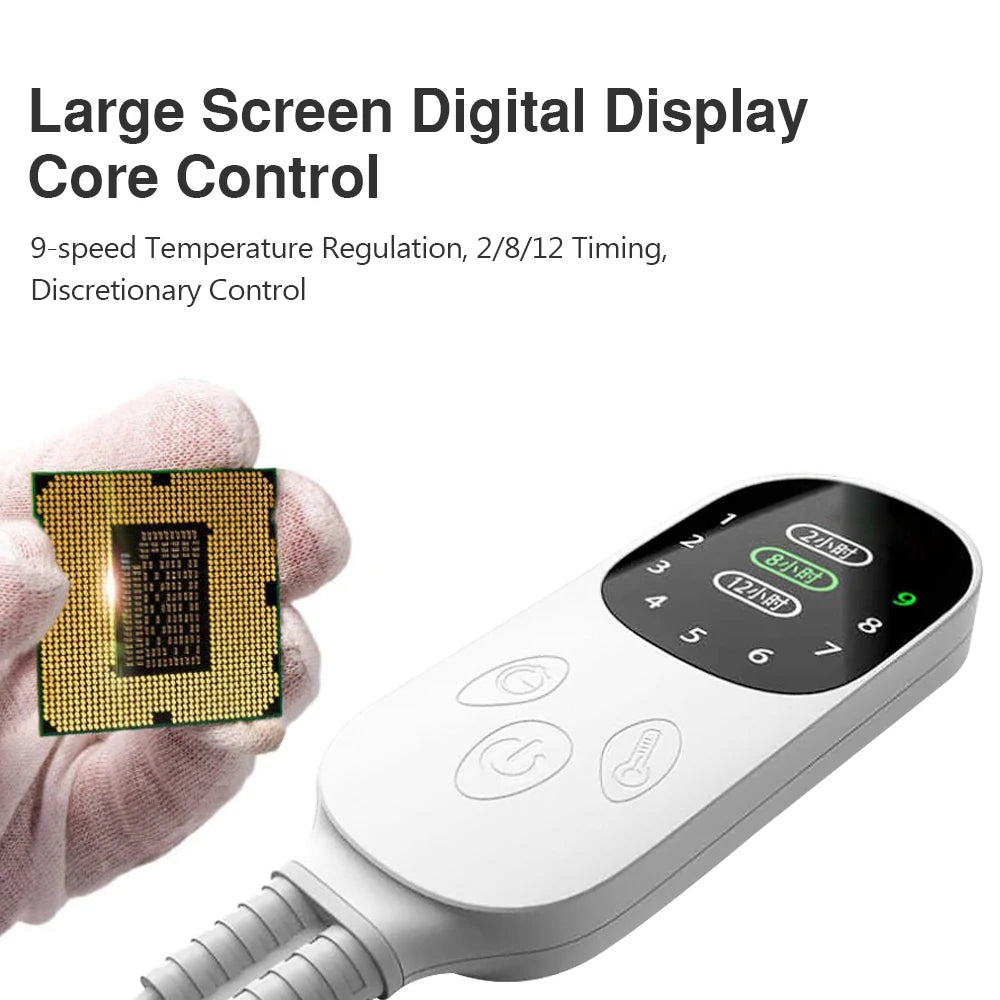
Consistent warmth powered through an in car power outlet. See it in action.
Frequently Asked Questions
What are electric heating wires made from?
Most electric heating wires are manufactured from high-resistance alloys such as nichrome, which provides stable heat generation and excellent durability. Depending on the application, manufacturers also use specialized conductive materials, protective insulation, and heat-resistant outer jackets to improve safety and service life.
How do electric heating wires produce heat?
Electric heating wires generate heat through electrical resistance. As current passes through the conductor, resistance converts electrical energy into thermal energy, which is then distributed through the surrounding material to create consistent warmth.
What is the difference between constant wattage and self-regulating heating wires?
Constant wattage wires provide a fixed heat output whenever power is supplied, making them ideal for heated blankets and portable warming products. Self-regulating heating wires automatically adjust their heat output as temperatures change, improving energy efficiency while helping reduce the risk of overheating.
Are electric heating wires safe for heated blankets?
Yes. Modern safe electric heating wires are designed with durable insulation, integrated temperature controls, and protective safety features. When used according to the manufacturer's instructions, they provide reliable and safe operation for everyday use.
Can a 12V heated blanket be powered from a car outlet?
Yes. A 12V heated blanket is specifically engineered to operate from a standard vehicle's 12-volt power outlet, making it suitable for road trips, commuting, camping, and emergency travel. Always confirm that the blanket's power requirements match your vehicle's outlet specifications.
How do you troubleshoot a heating wire that stops working?
Start by checking the power source, connectors, and controller for obvious issues. Inspect the blanket for visible wire damage or worn insulation. If heating remains inconsistent or the product no longer operates correctly, discontinue use and follow the manufacturer's recommendations for replacement rather than attempting internal repairs.
How is heating wire temperature controlled?
Temperature is commonly regulated through built-in electronic controllers, thermostats, thermal sensors, or self-regulating heating wire technology that automatically adjusts heat output based on operating conditions.
How long do electric heating wires typically last?
The lifespan depends on material quality, frequency of use, storage conditions, and overall product design. High-quality electric heating wires that are properly maintained can provide reliable performance for many years under normal operating conditions.
Related Guide: Plush Fabric Material: Why It Makes Heated Blankets Better













