

Ankle Recovery Exercises: Step-by-Step Guide to Restore Strength and Mobility
Recovering from an ankle injury is about more than waiting for pain to fade. The right ankle recovery exercises help restore mobility, rebuild strength, improve balance, and reduce the risk of future sprains. Whether you're recovering from a mild sprain, a fracture, or a high ankle sprain, following a structured rehabilitation program can help you return to everyday activities with greater confidence.
⏱ 7 min read
Which recovery stage are you in? Use the guide below to choose exercises that match your current ability.
Targeted exercises for ankle recovery restore comfort and confidence — See it in action
When Is It Safe to Start Ankle Recovery Exercises?
Knowing when to start ankle rehab exercises is just as important as choosing the right movements. Beginning too early may increase irritation, while waiting too long can lead to stiffness, muscle weakness, and slower recovery.
Signs You're Ready to Begin Rehab
- Swelling has started to decrease.
- Pain is manageable at rest.
- You can move your ankle gently without severe discomfort.
- Your healthcare provider has cleared you to begin rehabilitation if you experienced a significant injury.
Pain and Swelling Guidelines
Early ankle recovery exercises should produce mild stretching or muscle fatigue—not sharp pain. A small increase in soreness that settles within 24 hours is generally acceptable, but increasing swelling or persistent pain means the workload should be reduced.
When to See a Healthcare Professional Before Exercising
Seek medical evaluation before starting rehab if you cannot bear weight, your ankle appears deformed, swelling continues to worsen after several days, or numbness, severe instability, or persistent pain develops. These symptoms may indicate a more serious injury requiring additional treatment.
How Ankle Recovery Exercises Restore Strength, Mobility, and Stability
Exercises for ankle recovery target every stage of healing by restoring normal joint movement, rebuilding supporting muscles, and improving balance. A complete rehabilitation program reduces the risk of recurring ankle injuries while helping you return to walking, work, and sports.
How Ligaments Heal
Ligaments repair themselves gradually by forming new collagen fibers. Gentle movement during recovery encourages these fibers to align properly, helping restore flexibility and strength while minimizing excessive scar tissue.
Why Mobility, Strength, and Balance Matter
Successful ankle rehabilitation combines three essential components:
- Ankle mobility exercises restore normal range of motion.
- Ankle strengthening exercises rebuild muscles that support the joint.
- Balance and proprioception training teaches your body to react quickly, lowering the risk of future sprains.
Ankle Recovery Exercise Program by Recovery Stage
Phase 1: Early Mobility Exercises
These exercises help reduce stiffness and improve circulation during the early stages of recovery.
- Ankle Pumps: Point and flex your foot 10–15 repetitions.
- Alphabet Exercise: Trace the alphabet slowly with your toes.
- Seated Calf Stretch: Hold for 20–30 seconds without bouncing.
Frequency: Perform 2–3 sessions daily. Stop if pain or swelling significantly increases.
Phase 2: Stretching and Range-of-Motion Progression
As mobility improves, gradually increase movement in every direction.
- Gentle ankle circles
- Towel-assisted dorsiflexion stretch
- Heel cord stretching
Progress only if your ankle feels comfortable during and after each session.
Phase 3: Strengthening Exercises
- Resistance Band Dorsiflexion
- Resistance Band Plantar Flexion
- Heel Raises
- Toe Raises
Recommended dosage: 1–2 sets of 10–15 repetitions every other day while maintaining good control.
Phase 4: Balance and Proprioception Training
- Single-leg standing
- Balance board weight shifts
- Standing reaches
These physical therapy ankle exercises improve stability and reduce the likelihood of another ankle sprain.
Phase 5: Functional Return to Walking, Running, and Sport
- Single-leg hops
- Lateral band walks
- Walking progression
- Light jogging
- Sport-specific agility drills after medical clearance
Progress only when walking is pain-free, swelling is minimal, and strength is nearly equal to your uninjured side.
High Ankle Sprain Recovery Exercises
High ankle sprain exercises differ from traditional ankle sprain rehabilitation because they involve the ligaments connecting the tibia and fibula. These injuries typically require slower progression and greater protection during healing.
How High Ankle Sprains Differ
Unlike common lateral ankle sprains, high ankle sprains often cause pain above the ankle joint and discomfort during twisting or weight-bearing activities. Recovery may also take longer.
Safe Progression for High Ankle Sprain Exercises
- Begin with isometric muscle activation.
- Add gentle range-of-motion exercises.
- Progress to resistance exercises after pain decreases.
- Introduce balance exercises before returning to running or sports.
Mistakes to Avoid
- Returning to sports before strength and balance recover.
- Ignoring persistent swelling.
- Performing explosive movements too early.
- Pushing through sharp pain.

Ankle exercises for strength and mobility made easier — See it in action
Weekly Recovery Timeline and Progress Milestones
Week 1–2
- Focus on swelling control and pain reduction.
- Perform gentle mobility exercises.
- Walk only as tolerated.
Week 3–6
- Increase strengthening exercises.
- Begin balance training.
- Gradually increase walking distance.
Beyond 6 Weeks
- Continue advanced strengthening.
- Add functional movement and agility drills.
- Return to recreational activities once cleared by your healthcare provider.
If swelling increases, walking becomes more painful, or instability develops during any stage, reduce activity and seek professional advice.
How to Do Ankle Rehab at Home Safely
Many people successfully complete ankle rehab at home by combining consistent exercise with proper recovery habits.
Recommended Exercise Frequency
Mobility exercises can often be performed daily, while strengthening exercises are typically completed every other day to allow muscles time to recover.
Pain Rules During Exercise
- Mild stretching discomfort is acceptable.
- Sharp pain is not.
- Swelling should return to baseline within 24 hours.
- Reduce intensity if symptoms worsen after exercise.
Helpful Home Equipment
Simple equipment can make ankle rehab exercises more effective.
- Resistance bands
- Balance or wobble board
- Foam roller or massage ball
- Cold pack for swelling management
Movement is most effective when paired with proper recovery strategies. Gentle warmth before exercise may improve comfort and mobility, while cooling afterward may help manage soreness following more demanding sessions.
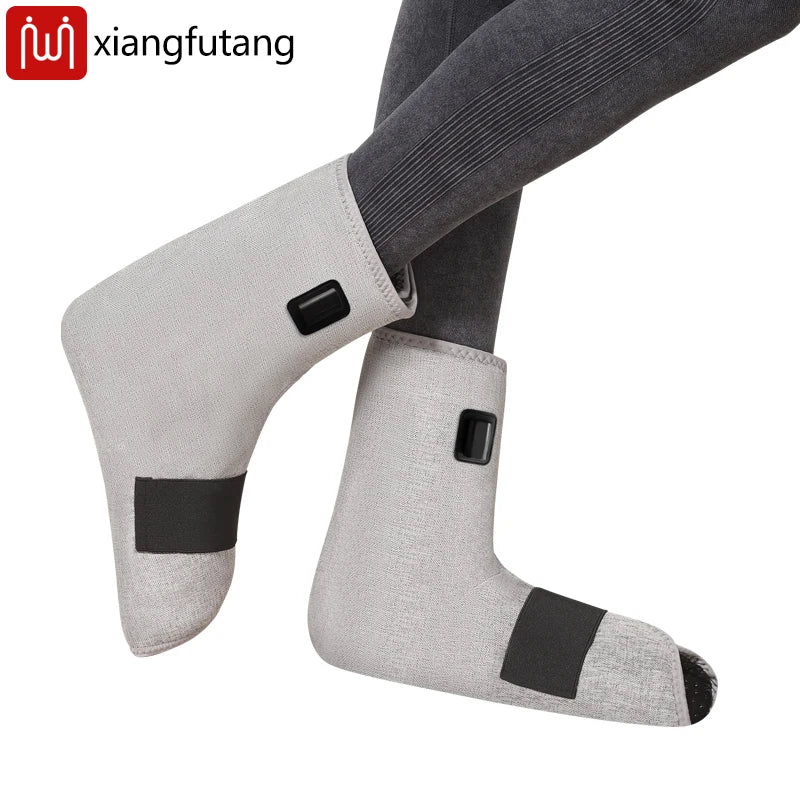
Many users pair their routines with a red light heated ankle wrap to stay comfortable during rehab sessions.
Explore complementary wellness solutions in Body Care and Health Devices to build a complete at-home routine.
Frequently Asked Questions About Ankle Recovery Exercises
How Often Should I Do Ankle Recovery Exercises?
Gentle mobility exercises are often performed daily, while strengthening sessions are typically completed 3–4 times per week. Consistency is more important than intensity.
When Can I Walk Normally Again?
Most people gradually regain a normal walking pattern within several weeks after a mild injury, although moderate and severe injuries may require considerably longer rehabilitation.
How Long Does Ankle Rehab Take?
Recovery depends on the severity of the injury. Mild sprains may recover within 2–4 weeks, while more significant injuries often require 6–12 weeks or longer before returning to full activity.
Can I Exercise If My Ankle Still Hurts?
Yes, if discomfort remains mild and improves shortly after exercise. Stop exercising and consult a healthcare professional if pain becomes sharp, swelling increases, or your ankle feels unstable.
How Do I Strengthen Weak Ankles After Recovery?
Continue ankle strengthening exercises such as heel raises, resistance band work, balance training, and single-leg stability exercises several times each week. Ongoing maintenance helps prevent future injuries and supports long-term joint health.
Related Guide: Ankle Sprain Healing Time Frame: Full Product Review













