

How Ankle Fracture Exercises Aid Recovery
Exercises for broken ankle recovery play an essential role in restoring ankle mobility, rebuilding strength, improving circulation, and helping you return to everyday activities with greater confidence. A structured rehabilitation program progresses from gentle range-of-motion exercises to strengthening, balance, and functional movement, reducing stiffness while lowering the risk of long-term weakness or reinjury. Always follow your healthcare provider's recommendations to match exercises with your stage of healing.
⏱ 6 min read
Exercises for Broken Ankle Recovery: A Step-by-Step Guide
Recovering from an ankle fracture takes patience, consistency, and a gradual progression of exercise. Whether your injury was treated with a cast, walking boot, or surgery, the right rehabilitation plan helps restore flexibility, muscle strength, balance, and normal walking mechanics. This guide explains when to begin ankle fracture exercises safely and what to expect during the earliest stage of recovery.
Which stage best describes your recovery today—early mobility, rebuilding strength, or improving walking confidence?
Gentle movement supports exercises for broken ankle recovery. See it in action.
When to Start Ankle Exercises Safely
Knowing when to start ankle exercises after fracture is one of the most important parts of a successful recovery. Beginning too early may place unnecessary stress on healing bone and soft tissues, while delaying rehabilitation can contribute to joint stiffness, muscle loss, and reduced balance. Most people begin gentle ankle fracture exercises only after receiving medical clearance from their orthopedic specialist or physiotherapist.
Weight-Bearing Milestones
Your exercise program typically progresses alongside your weight-bearing status. The exact timeline varies depending on the type of fracture, treatment method, and how well the bone is healing.
- Immobilization phase: Toe movements, gentle circulation exercises, and swelling management while remaining non-weight bearing if instructed.
- Early recovery: Light ankle range-of-motion exercises after approval, often while using a walking boot or other support.
- Progressive weight bearing: Gradually introduce strengthening and balance exercises as walking tolerance improves.
- Functional recovery: Advance to more challenging activities only after normal walking mechanics begin to return.
Surgical vs. Non-Surgical Recovery
Recovery timelines differ between fractures treated with surgery and those managed without an operation. Individuals who undergo surgical fixation may follow different weight-bearing restrictions than those treated with casting alone. Your rehabilitation plan should always follow the guidance provided by your surgeon or rehabilitation professional rather than a general timeline.
When to Stop and Contact Your Clinician
Some muscle fatigue or mild discomfort during rehabilitation can be expected, but exercises should not cause severe pain or significant swelling. Stop exercising and seek medical advice if you experience:
- Sharp or worsening pain during or after exercise.
- Rapidly increasing swelling that does not improve with rest.
- New numbness, tingling, or changes in skin color.
- Difficulty bearing weight after previously making progress.
- Signs of infection around a surgical incision, such as increasing redness or drainage.
Learning how to rehab a broken ankle at home begins with respecting these safety guidelines. Progressing gradually, following medical advice, and performing exercises consistently helps support a smoother recovery while reducing the risk of setbacks.
Phase 1 – Early Mobility Exercises After Cast Removal
After your healthcare provider removes the cast or approves movement, begin with gentle ankle mobility exercises after fracture to restore flexibility without placing excessive stress on healing tissues. These early movements improve circulation, reduce joint stiffness, and prepare the ankle for later strengthening. Perform each exercise slowly, stopping if you experience sharp pain or increasing swelling.
Ankle Range of Motion Exercises
These ankle range of motion exercises help regain normal movement and should be performed within a comfortable, pain-free range.
- Alphabet Exercise: While seated, trace each letter of the alphabet with your toes to gently move the ankle through multiple directions.
- Up-and-Down Flexion: Slowly point your toes away, then pull them toward your shin for 10–15 controlled repetitions.
- Side-to-Side Motion: Gently move your foot inward and outward to improve side-to-side mobility and joint control.
Gentle Stretching Movements
Light stretching reduces muscle tightness that commonly develops during immobilization and supports better walking mechanics as recovery progresses.
- Calf Stretch: Stand facing a wall with the affected leg behind you, keeping the heel on the floor while leaning forward until a gentle stretch is felt.
- Toe Curl and Spread: Curl your toes, then spread them apart to activate the small muscles that help stabilize the foot and ankle.
Toe and Foot Mobility Exercises
Adding simple foot exercises to your daily routine can improve flexibility and help control swelling during the early stages of exercises for ankle recovery after cast removal .
- Towel Scrunches: Use your toes to pull a towel toward you while seated to strengthen the muscles underneath the foot.
- Heel Slides: Gently slide your heel forward and backward while seated to encourage smooth ankle movement.
- Toe Raises: Lift your toes while keeping your heel on the floor, then slowly lower them with control.
Aim to perform these mobility exercises one to three times daily, allowing adequate rest between sessions if the ankle becomes sore or swollen.
Phase 2 – Ankle Strengthening Exercises
Once range of motion has improved and weight bearing is progressing comfortably, strengthening exercises help rebuild muscle, improve joint stability, and prepare the ankle for everyday activities. Increase resistance gradually while maintaining proper technique throughout each movement.
Resistance Band Strengthening
- Plantar Flexion: Press the forefoot downward against a resistance band to strengthen the calf muscles and Achilles tendon.
- Dorsiflexion: Pull the foot upward against the band's resistance to strengthen the muscles along the front of the lower leg.
- Inversion & Eversion: Rotate the foot inward and outward against light resistance to improve ankle stability in multiple directions.
Balance and Proprioception Exercises
Balance training restores proprioception—the body's awareness of joint position—which is often reduced after immobilization.
- Single-Leg Stance: Stand on the recovering leg for 30–60 seconds while holding a stable surface if needed.
- Wobble Board Training: Progress to a balance board or stability cushion once approved to improve coordination and joint control.
Rebuilding strength with ankle exercises for mobility. See it in action.
Phase 3 – Advanced Recovery and Return to Activity
As your ankle regains strength, flexibility, and stability, the focus shifts to restoring normal movement patterns and preparing for higher-impact activities. Progress only when you can walk comfortably with minimal swelling and your healthcare provider or physiotherapist has confirmed that you are ready for more demanding exercises.
Functional Walking Drills
Walking-based exercises help normalize your gait, improve coordination, and build confidence during everyday activities.
- Heel-to-Toe Walking: Walk slowly in a straight line, placing the heel down first before rolling onto the toes to encourage proper gait mechanics and ankle stability.
- Low Step-Ups: Step onto a low platform and return with control, focusing on smooth movement and equal weight distribution through both legs.
- Controlled Direction Changes: Practice gentle forward, backward, and side-stepping movements to improve balance during daily tasks.
Sport or Activity-Specific Exercises
Once walking, stair climbing, and balance exercises are comfortable, you can gradually progress toward activities that match your lifestyle or sport. Increase intensity only if your ankle remains pain-free during and after exercise.
- Light Jogging: Begin on a flat, even surface only after receiving clearance from your physiotherapist or orthopedic specialist.
- Agility Drills: Introduce gentle direction changes, figure-eight walking, or cone drills to improve coordination and reaction time.
- Lateral Shuffles: Athletes may progress to side shuffles and controlled acceleration drills to rebuild multidirectional stability.
- Single-Leg Functional Tasks: Practice controlled reaching, mini squats, or step-downs to improve strength and confidence during real-world movements.
Advance to the next level only if you can complete each exercise with good technique, without significant pain during activity or increased swelling afterward. A gradual progression helps reduce the risk of reinjury while supporting a safe return to work, recreation, and sports.
Tips to Reduce Pain and Swelling During Recovery
Managing discomfort between exercise sessions helps you stay consistent with your rehabilitation plan. Mild soreness after ankle exercises is common, but increasing pain or swelling may indicate that you need to reduce intensity and allow additional recovery time.
- Elevate your ankle: Raise the affected foot above heart level for 15–20 minutes after exercise to help reduce swelling.
- Apply cold therapy: Use an ice pack wrapped in a towel for 10–15 minutes if your ankle feels warm, swollen, or painful after activity.
- Wear supportive compression: Compression wraps or supportive socks can help manage swelling during walking and daily tasks.
- Progress gradually: Increase repetitions, resistance, or walking distance only when exercises remain comfortable during and after your session.
- Schedule regular movement: Short, gentle exercise sessions performed consistently are typically more effective than occasional intense workouts.
- Watch for warning signs: Stop exercising and contact your healthcare provider if you develop severe pain, significant swelling, redness, numbness, or difficulty bearing weight.
Tools That Support Faster, Safer Recovery
Exercises for broken ankle recovery produce the best results when combined with supportive recovery habits. While movement restores strength and mobility, comfort-focused tools may help you stay consistent with your rehabilitation routine by reducing stiffness before exercise and promoting relaxation afterward.
Explore recovery-friendly options in Body Care and Health Devices designed to support daily wellness routines.
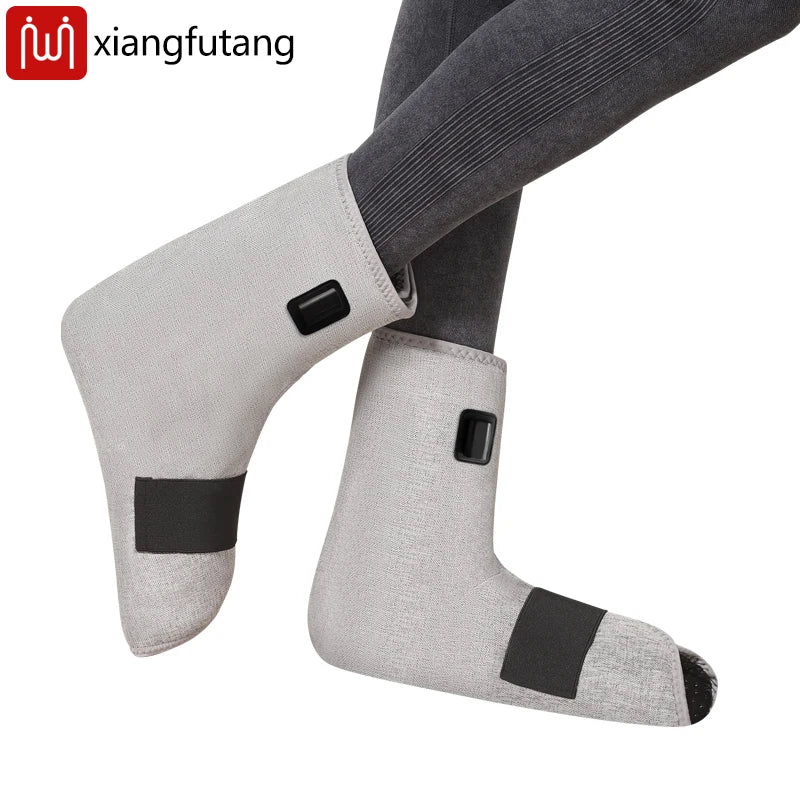
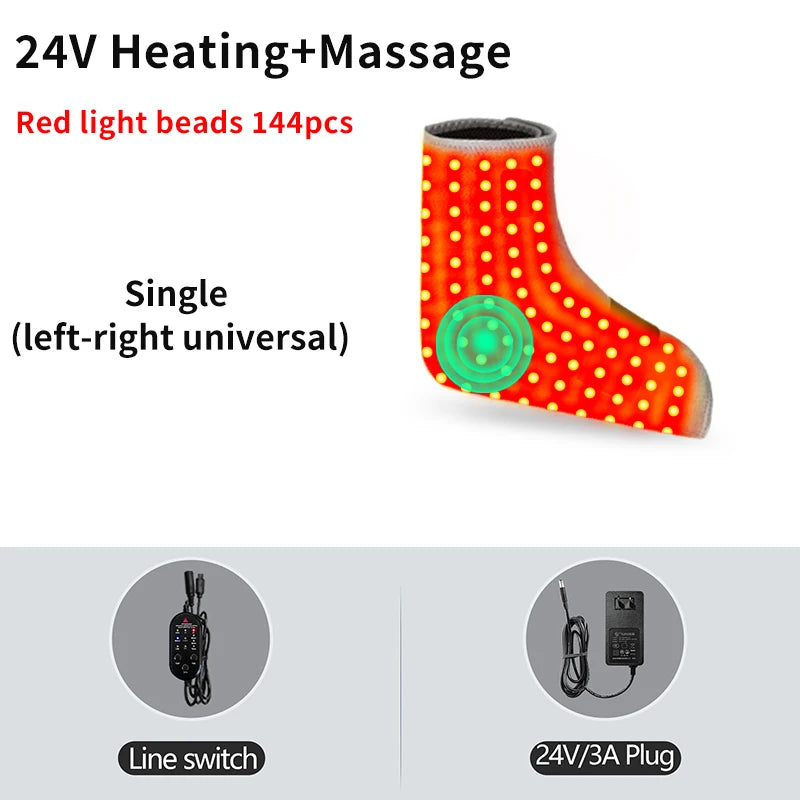
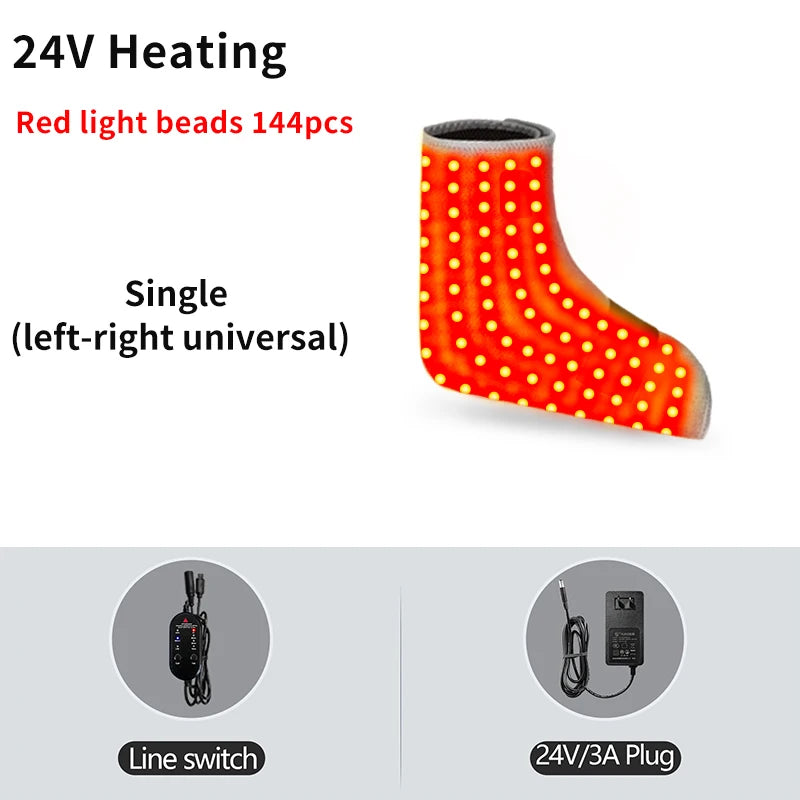
One popular option is the red light heated ankle wrap , which combines gentle warmth and light therapy to help relax stiff muscles, encourage circulation, and improve comfort during rest periods. It is intended to complement—not replace—your prescribed rehabilitation exercises.
| Recovery Method | Primary Benefit | Best Time to Use |
|---|---|---|
| Mobility exercises | Restore range of motion and reduce stiffness | Early recovery after medical clearance |
| Strength training | Build stability, muscle strength, and balance | Mid-stage rehabilitation |
| Heated ankle support | Promote comfort and help loosen stiff tissues | Before or after exercise sessions |
Common Recovery Mistakes to Avoid
Recovering from an ankle fracture takes patience and consistent progression. Avoiding common rehabilitation mistakes can reduce the risk of setbacks and help you regain strength, mobility, and confidence more efficiently.
Doing Too Much Too Soon
- Returning to sports or high-impact activities before your clinician approves full weight-bearing.
- Increasing exercise intensity too quickly instead of progressing gradually.
- Ignoring persistent pain, swelling, or limping after rehabilitation sessions.
- Skipping recommended rest days when your ankle needs time to recover.
Skipping Mobility or Balance Training
- Focusing only on strength while neglecting ankle flexibility.
- Skipping balance and proprioception exercises that help prevent future ankle injuries.
- Performing exercises with poor technique or rushing through repetitions.
- Being inconsistent with your home exercise routine, which can delay recovery.
If you're learning how to rehab a broken ankle at home, prioritize proper form, gradual progression, and regular practice instead of trying to advance as quickly as possible.
Progressive ankle rehabilitation helps rebuild strength, stability, and confidence during recovery.
Recovery FAQ
When should I start ankle fracture exercises?
Ankle fracture exercises should begin only after your healthcare provider confirms it is safe. Early rehabilitation often starts with gentle range-of-motion movements before progressing to strengthening and balance exercises.
Which exercises are safest after cast removal?
The safest exercises after cast removal include ankle alphabet movements, gentle plantarflexion and dorsiflexion, side-to-side mobility, calf stretching, and toe mobility exercises. These help restore flexibility while minimizing stress on healing tissues.
How many times a day should I perform ankle rehab exercises?
Light ankle mobility exercises are commonly performed one to three times daily, while strengthening exercises are typically completed three to four days per week. Always follow the program recommended by your healthcare provider or physiotherapist.
Is pain or swelling normal after ankle exercises?
Mild soreness or slight swelling may occur as your ankle adapts to rehabilitation. However, increasing pain, persistent swelling, redness, or an inability to bear weight are signs to reduce activity and consult your healthcare provider.
How do I know when to progress to strengthening exercises?
You can usually progress once basic ankle movements are comfortable, swelling is well controlled, and you can bear weight as instructed without significant pain or limping. Your clinician or physiotherapist can help determine the right timing.
Can I do ankle fracture rehab exercises at home without a therapist?
Many ankle fracture exercises can be safely performed at home after receiving medical clearance and proper instruction. Regular follow-up appointments remain important to ensure your recovery stays on track and exercises are progressed appropriately.
When can I walk normally after an ankle fracture?
Walking normally depends on the severity of the fracture, whether surgery was required, and individual healing progress. Many people gradually regain a normal walking pattern over several weeks, while more complex injuries may require additional rehabilitation.
When is it safe to return to running or sports after an ankle fracture?
Returning to running or sports should only happen after full weight-bearing is pain-free, ankle strength and balance have been restored, and your healthcare provider or physiotherapist confirms you are ready. Recovery commonly takes several months for higher-impact activities.
Related Guide: How to Use a Heating Pad for Ankle Pain Effectively













