

Do Hemiplegia Exercises at Home Really Help Restore Movement?
Hemiplegia exercises at home play a critical role in restoring movement by retraining the brain and muscles through consistent, targeted activity. With daily practice, exercises for hemiplegia can improve circulation, reduce stiffness, and gradually rebuild coordination.
Recovery is not instant—but it is possible. Many individuals notice early improvements in awareness and control within weeks, especially when exercises are started early and performed consistently. Over time, this can translate into better grip strength, smoother motion, and increased independence.
Caregiver support also plays an important role, particularly in moderate to severe cases. Assisted movement, encouragement, and routine building can significantly accelerate progress.
Exercises for Hemiplegia at Home: Step-by-Step Rehab Plan for Faster Recovery
Exercises for hemiplegia can begin with simple, targeted movements that rebuild strength and restore independence. From stroke hand exercises that improve grip and coordination to supportive tools like therapy gloves, small daily actions create powerful neurological changes. The right approach reduces stiffness, improves circulation, and builds confidence—starting right at home.
⏱ 8 min read
Struggling with stiffness in your hand? Feeling frustrated that everyday tasks—buttoning a shirt, holding a cup, typing a message—suddenly feel difficult?
You’re not alone. With the right exercises and consistency, recovery can steadily improve.
Explore innovative solutions inside Body Care and Health Devices and see what fits your routine.
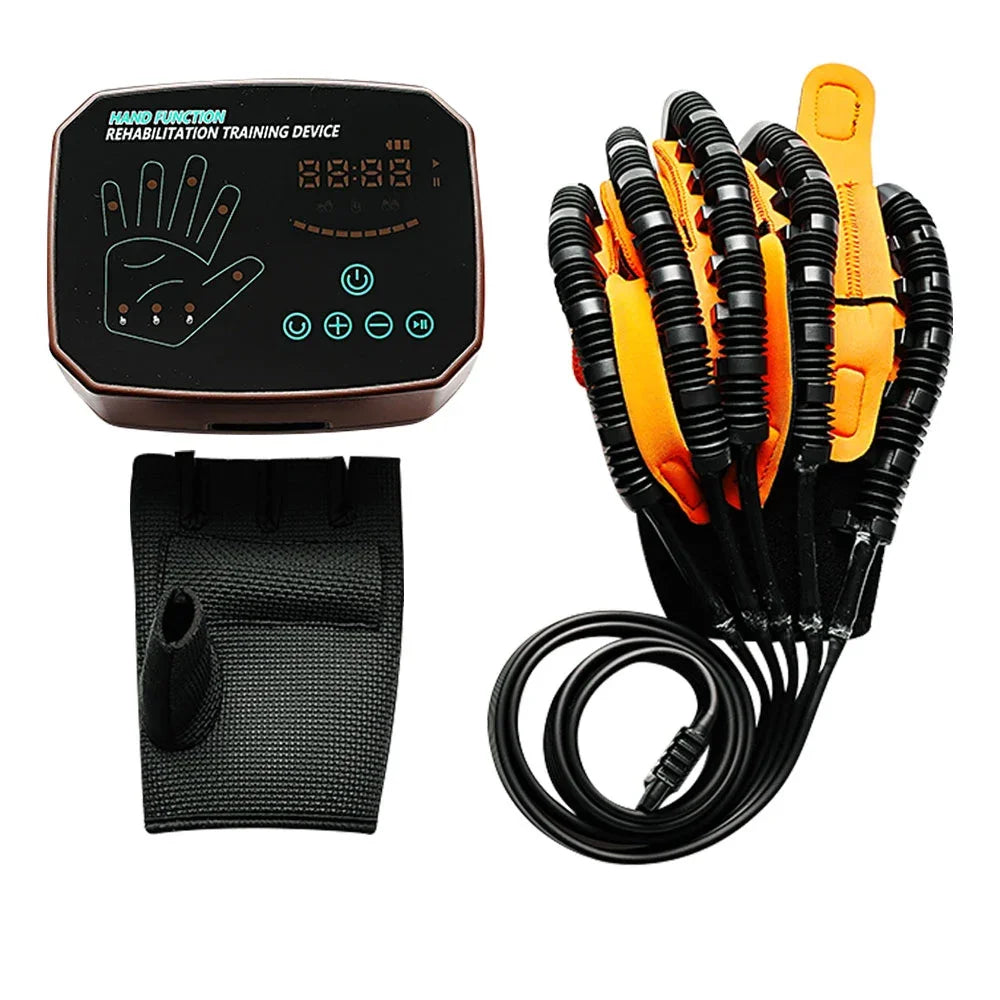
Stroke hand exercises combined with therapy gloves can accelerate recovery.
How Hemiplegia Rehabilitation Exercises Help the Brain Recover
What Is Neuroplasticity?
Hemiplegia rehabilitation exercises work through neuroplasticity—the brain’s ability to form new neural connections after injury. This allows the brain to “relearn” how to control muscles affected by stroke.
Why Repetition Matters
Repetition strengthens communication between the brain and muscles. Even small, repeated movements help reinforce neural pathways over time.
Active vs Passive Movement
Active movement involves voluntary effort and builds strength and coordination. Passive movement, assisted by a caregiver or the unaffected limb, maintains flexibility and stimulates the brain when voluntary control is limited.
Related: Understanding stroke recovery stages
How to Choose Home Exercises Based on Your Recovery Stage
Mild Hemiplegia
Focus on coordination, strength, and precision. Exercises should challenge control and mimic daily tasks.
Moderate Hemiplegia
Use assisted exercises and slow repetitions. Combine active effort with support tools or the unaffected limb.
Severe Hemiplegia
Begin with passive range-of-motion exercises. Caregiver assistance is essential to maintain flexibility and stimulate neural recovery.
Step-by-Step Arm and Hand Exercises for Hemiplegia
Finger Opening and Closing
- Place your forearm on a table
- Open your hand slowly
- Hold 5 seconds
- Close gently
- Repeat 10–15 times
Thumb-to-Finger Taps
- Touch thumb to each finger
- Repeat 3 rounds
Assisted Wrist Extensions
- Support wrist with other hand
- Lift gently upward
- Hold 10 seconds
Grip Strength Practice
- Squeeze a soft ball
- Hold 5 seconds
- Release slowly
Reaching and Controlled Arm Lifts
Sit upright and slowly lift your affected arm forward or sideways. Use assistance if needed.
- Repeat 8–12 times
- Keep movements controlled
Learn more: Hand therapy for stroke recovery
Leg Exercises for Hemiplegia to Improve Walking
Seated Knee Extensions
Straighten your leg slowly, then lower it with control.
Ankle Pumps
Move your foot up and down for 30–60 seconds to improve circulation.
Supported Standing Practice
Stand while holding a stable surface to build confidence and strength.
Weight Shifting
Shift weight gently between legs to retrain walking patterns.
Sit-to-Stand Practice
Practice standing up from a seated position slowly to improve functional strength.
Guide: Walking recovery after stroke
Balance and Mobility Exercises to Reduce Fall Risk
Seated Balance Training
Sit upright and reach slightly in different directions to improve trunk control.
Standing Stability Drills
Hold a standing position for 10–30 seconds using support if needed.
Safe Walking Practice at Home
Walk short distances slowly, focusing on controlled steps and posture.
How Often Should You Do Hemiplegia Exercises at Home?
Recommended Daily Frequency
Daily practice is ideal. Short sessions performed consistently produce better results than occasional long workouts.
Sets and Repetitions
Most exercises should be performed for 8–15 repetitions per set, depending on ability and fatigue level.
How to Progress Safely
Gradually increase repetitions, duration, or complexity. Avoid sudden increases in intensity to prevent injury.
20-Minute Daily Home Exercise Routine for Stroke Recovery
5-Minute Warm-Up
Shoulder rolls, ankle pumps, and breathing exercises.
10-Minute Targeted Exercises
Combine upper and lower body exercises based on your recovery stage.
5-Minute Functional Practice
Practice real-life tasks such as reaching, standing, or gripping objects.
Daily routines improve functional movement and independence.
When to Stop Exercising and Important Safety Precautions
Warning Signs
- Sharp or persistent pain
- Dizziness or loss of balance
- Unusual fatigue
Pain vs Normal Fatigue
Mild fatigue is normal. Pain or discomfort that worsens should not be ignored.
When to Contact a Therapist
Seek professional advice if symptoms worsen or progress stalls.
More guidance: Physiotherapy for stroke patients
Signs of Improvement and Typical Recovery Timeline
Early Progress
Improved awareness and slight voluntary movement may appear within weeks.
Tracking Functional Gains
Look for improvements in daily tasks such as gripping objects or standing.
Factors That Influence Recovery
Consistency, severity, and early intervention all impact recovery speed.
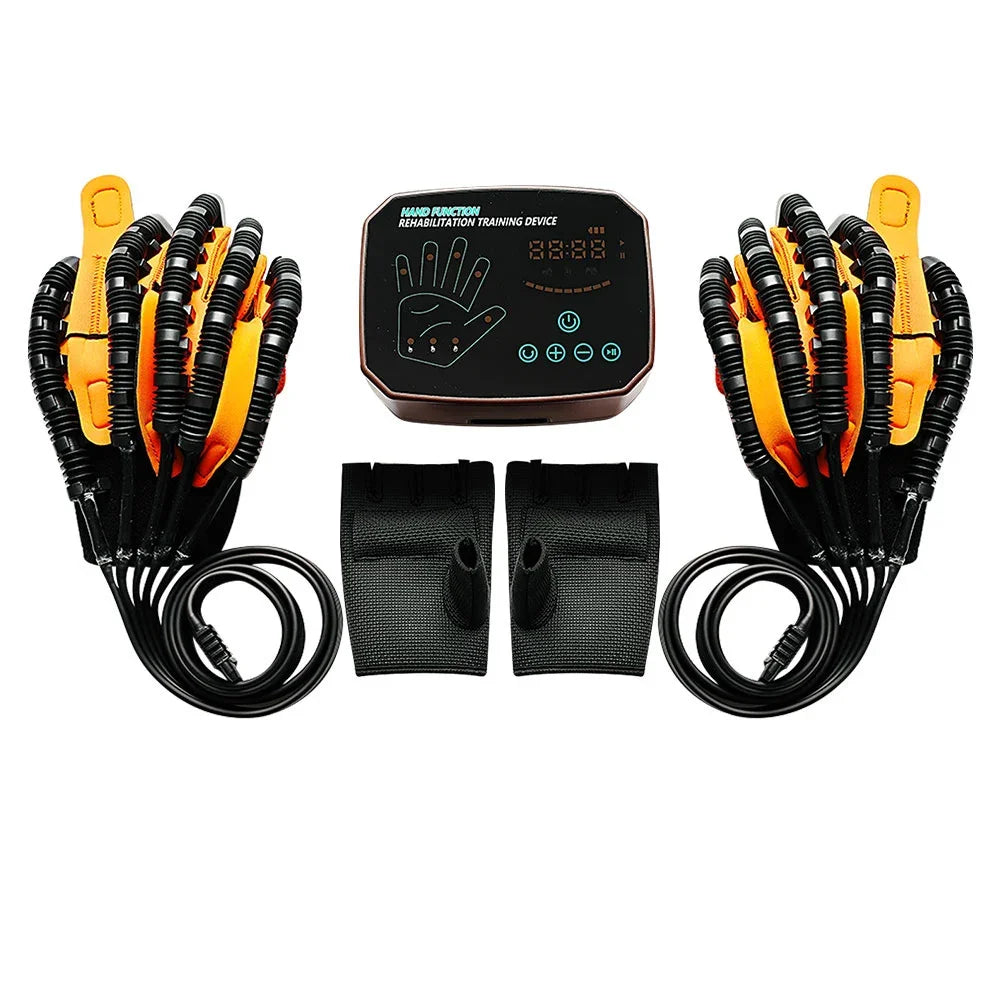
How Therapy Gloves and Home Rehabilitation Tools May Help
Assistive devices can support repetitive movement and extend practice sessions, especially in moderate to severe cases.
- Guide finger motion
- Reduce stiffness
- Encourage consistent training
The Rehabilitation Robot Glove for Hand Recovery can complement structured home exercises but should not replace active practice.
Common Mistakes That Slow Stroke Recovery
- Skipping daily practice
- Using poor technique
- Overexertion too early
- Ignoring safety signals
Related Guide: How to Improve Mobility Safely at Home













