

Does extending heated vest battery life really work?
Yes. How to extend heated vest battery life comes down to reducing unnecessary power consumption, protecting the battery from freezing temperatures, and following proper charging habits. Most users can noticeably improve runtime by lowering heat after warming up, insulating the battery, and pairing the vest with an appropriately sized power source. These heated vest battery life tips won't double runtime in every situation, but they can often add 30–50% more usable operating time compared with running maximum heat continuously.
What actually improves runtime
The biggest gains come from combining several small improvements rather than relying on a single trick. The highest-impact methods include:
- Using high heat only until you're comfortable, then switching to medium or low.
- Adding insulating layers so less heat escapes.
- Keeping the battery close to your body instead of exposed to freezing air.
- Charging and storing lithium-ion batteries correctly to preserve long-term capacity.
Battery optimization vs battery replacement
If your battery still delivers close to its original runtime, optimization is usually enough. However, if it suddenly loses charge quickly, won't reach full capacity, or produces inconsistent heat even in mild temperatures, the battery may simply be nearing the end of its service life. Improving usage habits helps healthy batteries perform better, but it cannot restore worn-out battery cells.
How to Extend Heated Vest Battery Life (Proven Tips That Actually Work)
Cold mornings, long commutes, and outdoor activities can quickly drain your heated vest battery. The good news is that with a few smart adjustments, you can significantly extend battery life without buying extra gear or sacrificing comfort.
⏱ 6 min read
Explore practical ways to stay warm longer with smarter daily use.
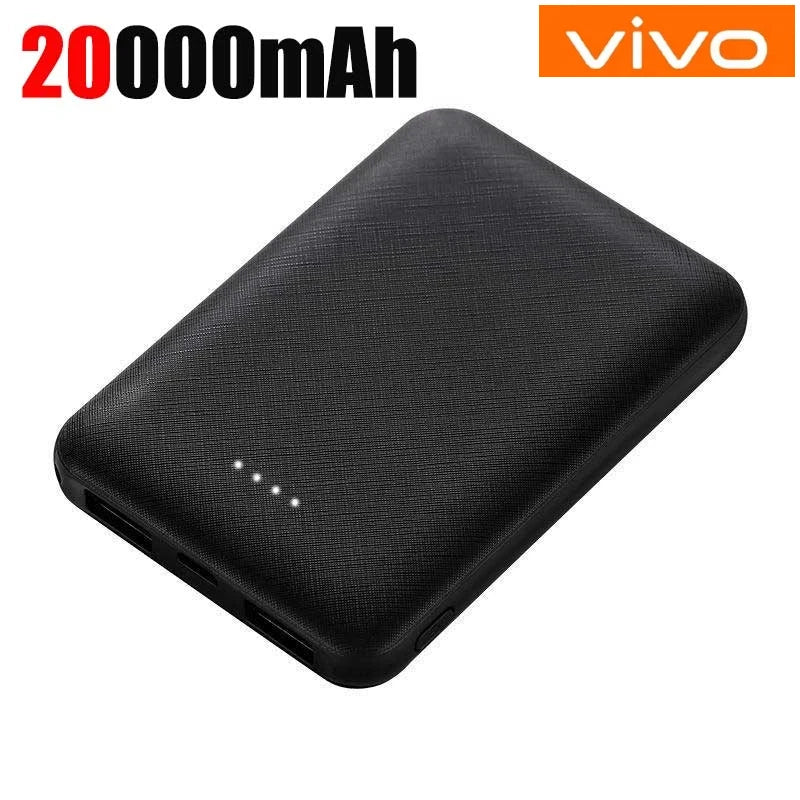
Extend heated vest battery performance with smarter habits. See it in action.
Why Heated Vest Batteries Drain Faster in Cold Weather
If your heated vest battery doesn't last as long in winter, it's not your imagination. Cold temperatures directly reduce lithium-ion efficiency, making batteries appear to drain faster even when they are fully charged.
How Cold Affects Lithium-Ion Battery Performance
Most heated vests rely on lithium-ion batteries. As temperatures fall, the chemical reactions inside the cells slow down, increasing internal resistance and reducing available power output. The result is:
- Lower effective battery capacity
- Temporary voltage drops under load
- Reduced heating performance in freezing weather
- Shorter runtime until the battery warms again
Fortunately, these cold-weather losses are usually temporary rather than permanent when batteries are handled correctly.
Real Temperature vs Runtime Expectations
- 10°C (50°F): Near normal battery performance
- 0°C (32°F): Up to 20% usable capacity loss
- -10°C (14°F): Approximately 30–50% shorter runtime
- Below -20°C (-4°F): Significant efficiency reduction and voltage sag
That's why a heated vest that lasts six hours indoors may realistically provide only three to four hours during prolonged exposure to freezing outdoor temperatures.
Quick Wins: How to Extend Heated Vest Battery Life Immediately
If you need longer runtime today, start with the highest-impact adjustments. These changes require no special equipment and are among the most effective heated vest battery life tips.
Ranked battery-saving strategies
- Lower the heat after warming up. This usually provides the largest runtime improvement.
- Wear an insulating outer layer. Trapped body heat means the heating elements cycle less aggressively.
- Keep the battery warm. Use interior pockets whenever possible.
- Preheat indoors. Start warm before heading outside.
- Turn heating off during indoor breaks. Avoid wasting power when extra heat isn't needed.
Estimated runtime improvement by method
| Battery-saving method | Typical improvement |
|---|---|
| Switch from High to Medium after warming | 20–40% |
| Layer clothing over the vest | 10–25% |
| Keep battery insulated | 10–20% |
| Pre-warm before going outdoors | 5–15% |
| Turn heat off indoors | Varies with usage |
When combined, these habits often produce noticeably longer runtime than relying on maximum heat throughout the day.
Daily Habits That Improve Heated Clothing Battery Performance
Consistent maintenance improves both daily runtime and long-term battery reliability.
Smart Charging Habits
- Recharge before batteries become completely depleted whenever practical.
- Use the charger recommended by the manufacturer.
- Disconnect the charger after charging finishes.
- Allow batteries to reach room temperature before charging after extremely cold use.
Efficient Usage Patterns
- Reserve high heat for initial warm-up or severe weather.
- Reduce to medium or low once comfortable.
- Switch heating off during indoor breaks.
- Avoid unnecessary continuous operation during mild weather.
Storage Between Seasons
If you won't use your heated vest for several months:
- Store batteries with roughly 40–60% charge.
- Keep them in a cool, dry place away from direct sunlight.
- Recharge every few months if recommended by the manufacturer.
- Never leave batteries fully discharged for extended periods.
These simple habits help improve heated clothing battery performance while extending overall battery lifespan.
Best Heat Settings to Balance Warmth and Battery Life
Your heat setting has the greatest influence on battery runtime.
Low vs Medium vs High Runtime Comparison
| Heat level | Typical runtime | Best for |
|---|---|---|
| Low | 6–10 hours | Daily commuting and walking |
| Medium | 4–6 hours | Most winter conditions |
| High | 2–3 hours | Initial warm-up and extreme cold |
When to Change Heat Levels
A practical strategy is to begin on high for 10–20 minutes, then reduce to medium or low after your clothing and core body temperature have warmed. This adaptive approach provides nearly the same comfort while consuming considerably less energy.
Heat Zone Optimization Strategy
Focus heating on your body's core, especially the chest and upper back. Maintaining warmth around these areas often feels more comfortable than continuously running every heating zone at maximum power.
How to Keep Your Heated Vest Battery Warm in Freezing Weather
Keeping your battery warm is one of the most effective ways to prevent rapid power loss in cold conditions.
Where to Place Your Battery for Maximum Warmth
- Keep it close to your body, not exposed to outer layers.
- Use inner pockets instead of external compartments.
- Avoid placing it near cold airflow areas.
Insulation Tricks That Actually Work
- Add a thermal layer over your vest.
- Wrap the battery in soft fabric (never airtight).
- Use body heat to maintain battery temperature naturally.
Even modest insulation improvements can noticeably reduce battery drain during extended exposure to freezing weather.

Battery drain cold weather solutions that actually work. See it in action.
Choosing the Right Battery: Capacity, Voltage, and Compatibility
Choosing the correct battery is just as important as using it efficiently.
Is a Bigger Battery Always Better?
A higher-capacity battery generally delivers longer runtime, but additional capacity also increases size and weight. Many users find that a mid-sized battery provides the best balance between comfort and all-day performance.
Power Bank vs OEM Battery Packs
- OEM batteries offer guaranteed compatibility and manufacturer-tested performance.
- Compatible power banks may provide higher capacity when voltage requirements match.
- Always verify voltage, connector type, and current output before using third-party batteries.
Many users pair their vest with a compact option like the 20000mAh power bank , which balances capacity and portability for long winter days.
- Easier to keep warm inside clothing
- Less strain on heated vest wiring
- Comfortable for everyday wear
- Reliable output during cold-weather use
When to Carry a Spare Battery
If you spend an entire workday outdoors, hike for several hours, or travel where charging isn't available, carrying a fully charged backup battery is often more practical than operating continuously on maximum heat. Rotating batteries also allows one pack to warm while the other is in use.
For lifestyle-focused winter routines, pairing heated gear with smart accessories from the Lifestyle collection keeps comfort seamless from morning to night.
Heated Vest Battery Troubleshooting (When It Drains Too Fast)
If your heated vest battery drains unusually fast, the issue may go beyond normal cold-weather performance.
Signs of a Failing Battery
- Battery drains much faster than before.
- Heat output becomes inconsistent.
- Battery refuses to reach a full charge.
- Runtime remains poor even in mild temperatures.
Quick Fix Checklist
- Fully recharge the battery and test it on low heat.
- Inspect all cables and connectors.
- Keep the battery insulated in freezing weather.
- Replace the battery if performance continues declining after troubleshooting.
Real-World Battery Life Scenarios (What to Expect)
Battery life depends on weather, activity level, and heat setting.
Commuting in Mild Cold (0–10°C)
Most users experience close to the manufacturer's advertised runtime, especially when alternating between medium and low heat.
Extreme Cold Use (-10°C and Below)
Expect significantly shorter runtime due to reduced battery efficiency. Proper layering and battery insulation become much more important in these conditions.
Outdoor Work vs Casual Wear
- Outdoor workers often use continuous heating, resulting in faster battery depletion.
- Casual users who alternate between indoor and outdoor environments generally enjoy substantially longer runtime.
Upgrade your setup with a reliable lightweight battery pack today.
Step-by-Step Daily Routine to Maximize Heated Vest Battery Life
- Fully charge your battery indoors.
- Warm both the battery and vest before heading outside.
- Use high heat briefly, then switch to medium or low.
- Keep the battery close to your body for insulation.
- Turn heating off during indoor breaks.
- Recharge after returning home and allow the battery to cool naturally before storage if necessary.
This routine mirrors efficiency habits used across beauty and self-care devices found in the Beauty & Self-Care Blog —small steps, big impact.
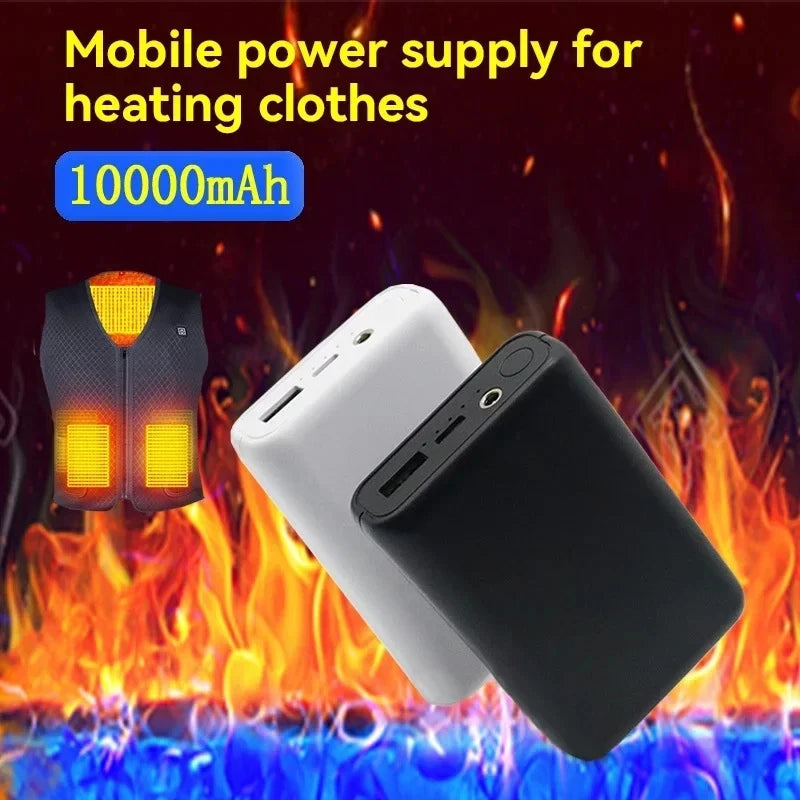
Lightweight battery pack comfort for heated clothes battery. See it in action.
Heated Vest Battery Life Checklist (Quick Reference)
- Start on low or medium whenever possible.
- Layer clothing to retain body heat.
- Keep the battery warm inside your clothing.
- Reserve high heat for severe cold.
- Recharge correctly and avoid storing fully discharged batteries.
- Choose an appropriate battery capacity for your daily routine.
- Store batteries partially charged during the off-season.
- Inspect cables and connectors regularly.
Following this checklist consistently helps maximize battery performance throughout winter.
FAQ: Heated Vest Battery Life Questions Answered
How long should a heated vest battery last?
Most heated vest batteries provide between 2 and 10 hours of runtime depending on battery capacity, heat setting, weather conditions, and insulation.
Why does my heated vest battery drain so fast?
Common causes include freezing temperatures, continuous high-heat operation, battery aging, poor charging habits, or using a battery that isn't matched to the vest's power requirements.
Can cold permanently damage the battery?
Cold weather temporarily reduces lithium-ion performance but doesn't usually cause permanent damage by itself. Problems are more likely if batteries are repeatedly charged while extremely cold or stored improperly.
How can I make my heated jacket battery last longer?
Lower the heat after warming up, wear insulating layers, keep the battery close to your body, charge it correctly, and avoid unnecessary high-power operation.
Should I charge my heated vest battery after every use?
If you've used a significant portion of the battery, recharging after use is generally more convenient than leaving it deeply discharged for long periods.
Is it safe to leave a heated vest battery plugged in overnight?
Many modern chargers stop charging automatically, but unplugging the battery after it reaches full charge is still considered the best practice for long-term battery care.
Does using high heat damage the battery faster?
Using high heat doesn't immediately damage a healthy battery, but it increases energy consumption and contributes to more charging cycles over time, which gradually reduces battery capacity.
Can I use a higher-capacity battery with my heated vest?
Yes, provided the battery has the correct voltage, connector, and output specifications recommended for your heated vest.
How should I store a heated vest battery during summer?
Store it with roughly 40–60% charge in a cool, dry place away from direct sunlight, and check the charge level every few months if it remains unused.
Related Guide: Choose Power Bank Heated Apparel Step-by-Step Setup Guide













