

How to Layer Clothes for Cold Weather (Complete 2026 Guide)
⏱ 7 min read
What is cold weather layering and how does it work?
Cold weather layering is a clothing system that uses multiple lightweight garments instead of one bulky coat to regulate body temperature, manage moisture, and protect against wind, rain, and snow. Rather than relying on a single heavy jacket, a well-designed cold weather layering system lets you add or remove cold weather layers based on the temperature, weather conditions, and your activity level.
This approach is widely recommended for hiking, skiing, winter commuting, and outdoor work because it balances warmth with breathability. Each layer performs a specific job: the base layer keeps sweat away from your skin, the insulating layer traps warm air, and the outer shell shields you from the elements. Working together, these layers help maintain a comfortable body temperature while reducing the risk of overheating or getting chilled.
The science of staying warm (heat retention vs moisture control)
Staying warm isn't just about adding insulation—it's about staying dry. Your body constantly produces heat, but it also generates moisture through perspiration. If sweat becomes trapped against your skin, it cools rapidly and accelerates heat loss, making you feel colder even when wearing thick clothing.
A properly designed cold weather layering system works by:
- Wicking sweat away from your skin with a moisture-managing base layer
- Trapping warm air close to your body using an insulating mid layer
- Blocking wind, rain, and snow with a protective outer shell
This balance between heat retention and moisture control is what makes layering significantly more effective than wearing a single heavy jacket.
Why trapped air insulates better than bulk
Warmth comes from the pockets of air held between your clothing layers rather than from fabric thickness alone. Each insulating layer creates small air spaces that slow the transfer of heat away from your body. Several breathable layers typically provide better temperature regulation than one oversized coat because they allow you to fine-tune insulation as conditions change.
This is why outdoor experts recommend building your clothing system gradually instead of simply choosing the thickest jacket available.
How sweat can make you colder
Overdressing during physical activity often causes excessive sweating. As your activity slows or you stop moving, that trapped moisture cools quickly and can leave you feeling chilled.
Choosing breathable materials and adjusting layers before you become too warm helps maintain comfort throughout the day. This simple habit is one of the most effective ways to stay warm during changing winter conditions.
If you've ever felt bulky yet still freezing, sweaty but somehow cold, or exhausted from constantly adjusting your clothing, this guide will help you build a smarter cold weather layering system that keeps you warm without unnecessary bulk.
Discover what separates warmth that lasts from layers that fail.
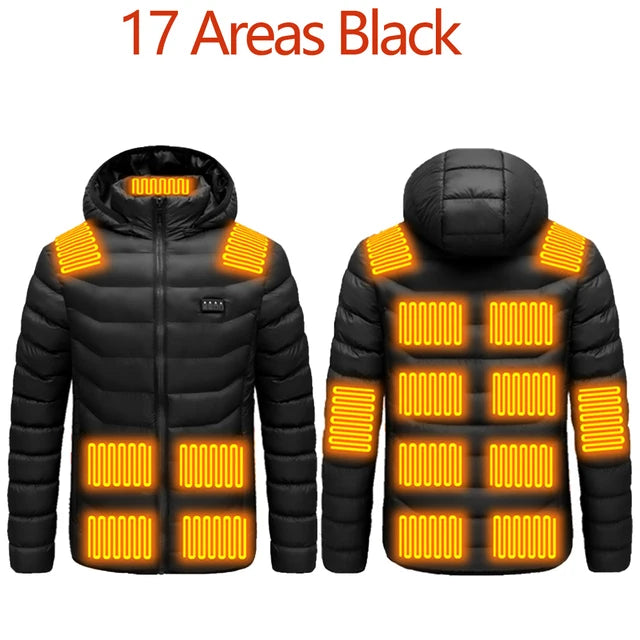
Smart winter layering system in action. See how extreme cold weather clothing works together.
The complete 3-layer cold weather layering system
The most effective way to layer clothes for cold weather is to follow the proven three-layer system. Every layer has a specific purpose, and together they create a flexible insulation system that adapts to changing temperatures and activity levels.
Base layer (moisture management)
Your base layer sits directly against your skin and is responsible for keeping you dry. Moisture-wicking fabrics such as merino wool and performance synthetics move perspiration away from the body, helping prevent the rapid cooling that occurs when damp clothing meets cold air.
- Best materials: Merino wool, polyester blends, high-performance synthetics
- Avoid: Cotton, which absorbs moisture and loses much of its insulating ability when wet
Mid layer (insulation)
The mid layer traps warm air to create insulation. Depending on the weather, this could be a lightweight fleece for active movement or a thicker down or synthetic insulated jacket for lower temperatures. The goal is to stay warm without restricting mobility or causing overheating.
- Best options: Fleece, down, synthetic insulation
- Tip: Add or remove this layer as your activity level changes throughout the day
Outer layer (weather protection)
The outer layer protects your insulation from wind, rain, and snow while allowing excess moisture to escape. A quality shell helps preserve warmth by preventing cold air from stripping away the heat trapped inside your clothing system.
- Look for: Waterproof or windproof materials with breathable construction
- Key feature: Breathable membranes such as Gore-Tex that reduce moisture buildup
When to add a fourth insulation layer
In temperatures below approximately -20°C, during extended periods of inactivity, or when exposed to strong winds, a fourth insulating layer can improve comfort. Rather than replacing your existing system, it adds additional trapped air while preserving the flexibility to remove layers if conditions become warmer.
Cold weather layering chart by temperature (quick guide)
Use this reference as a starting point when deciding how to layer clothes in cold weather. Always adjust your clothing based on wind chill, precipitation, humidity, and how active you'll be.
- 10°C to 0°C: Moisture-wicking base layer + light jacket. Add a lightweight fleece if you'll be outdoors for extended periods.
- 0°C to -10°C: Base layer + insulating mid layer + insulated or weather-resistant jacket for everyday winter conditions.
- -10°C to -20°C: Midweight or heavyweight thermal base layer + fleece or down mid layer + windproof insulated outer shell.
- Below -20°C: Thermal base layer + multiple insulating mid layers + expedition-grade shell, with additional protection for hands, feet, and head.
High-output activities such as hiking or snowshoeing typically require fewer insulating layers because your body generates more heat. Lower-activity situations, including standing outdoors or watching winter sports, generally require additional insulation to maintain warmth.
How to layer clothes in cold weather for different situations
Daily commuting (0°C to 10°C)
For everyday errands, commuting, or short periods outdoors, prioritize comfort and flexibility. A lightweight moisture-wicking base layer, a sweater or light fleece, and a weather-resistant jacket are usually sufficient. If you'll be moving between heated buildings and the outdoors, choose layers that are easy to remove to avoid overheating.
Winter hiking
Hiking generates significant body heat, so breathable layers are more important than maximum insulation. Start with a moisture-wicking thermal base layer, add a fleece mid layer for warmth, and finish with a lightweight windproof or waterproof shell. Open jacket vents or remove a layer before you begin sweating heavily to help maintain a comfortable body temperature.
Snow sports
Skiing, snowboarding, and similar activities require clothing that balances warmth, mobility, and weather protection. Wear a fitted thermal base layer, an insulating mid layer suited to the temperature, and a waterproof breathable shell that protects against snow while allowing moisture to escape.
Standing still in extreme cold
Activities such as spectating, outdoor work, ice fishing, or waiting in severe weather require more insulation than active pursuits. Choose a midweight or heavyweight thermal base layer, one or two insulating mid layers, and a heavily insulated windproof shell. Accessories such as insulated gloves, a warm hat, thick socks, and an insulated neck gaiter become just as important as your clothing layers.
Merino wool vs synthetic vs down: which materials perform best?
Selecting the right materials is just as important as choosing the right number of layers. The best fabric depends on temperature, moisture levels, activity, and how long you'll be outdoors.
Merino wool
Merino wool is a premium choice for thermal base layers because it naturally regulates temperature, wicks moisture efficiently, and continues to insulate even when slightly damp. It is also naturally odor-resistant, making it ideal for multi-day trips or extended outdoor use.
- Excellent warmth-to-weight ratio
- Comfortable across a wide temperature range
- Naturally resists odor buildup
- Ideal for cold, dry, and mixed conditions
Synthetic fabrics
Performance polyester and other synthetic blends dry faster than wool and are generally more affordable. They're an excellent option for high-output activities where frequent sweating is expected.
- Very fast drying
- Lightweight and durable
- Typically lower cost than merino
- Best for hiking, running, and active winter sports
Down insulation
Down provides exceptional warmth with minimal weight, making it one of the best insulating materials for very cold, dry climates. However, untreated down loses much of its insulating ability when soaked, so it performs best beneath a protective waterproof shell.
- Highest warmth-to-weight ratio
- Highly compressible for travel
- Excellent for dry, extremely cold weather
- Requires protection from prolonged moisture exposure
For most people, an effective cold weather clothing system combines a moisture-wicking merino wool or synthetic base layer with an insulating fleece or down mid layer, adjusting the combination to match weather conditions and activity level.
If you're spending long hours outdoors, choosing quality thermal base layers is just as important as selecting your jacket. A well-fitting base layer helps keep skin dry, reduces friction, and creates a stable foundation for the rest of your layering system.
For recovery and comfort after long cold exposure, many outdoor workers pair their routine with wellness tools from the Body Care and Health Devices collection to help reduce stiffness and improve circulation.
How to choose mid-layers and outer layers
Your insulating and protective layers determine how comfortable you'll remain once temperatures drop below freezing. The ideal combination traps warm air efficiently while allowing excess heat and moisture to escape, preventing both overheating during activity and chilling during rest.
Fleece vs insulated jackets
Both fleece and insulated jackets serve as effective mid layers, but they perform best under different conditions.
- Fleece: Highly breathable, quick-drying, and ideal for hiking, walking, or other active pursuits where moisture management is important.
- Down insulation: Provides exceptional warmth with minimal weight, making it the preferred option for dry, very cold weather.
- Synthetic insulation: Retains more warmth when damp than traditional down and performs well in wet or snowy climates.
- Layering tip: Choose insulation based on both the forecast and your activity level rather than temperature alone.
Pro insight: If you consistently feel cold despite wearing multiple layers, the problem is often insufficient insulation, poor moisture management, or clothing that doesn't allow enough trapped air to provide effective warmth.
Learn how adaptive insulation simplifies winter layering.
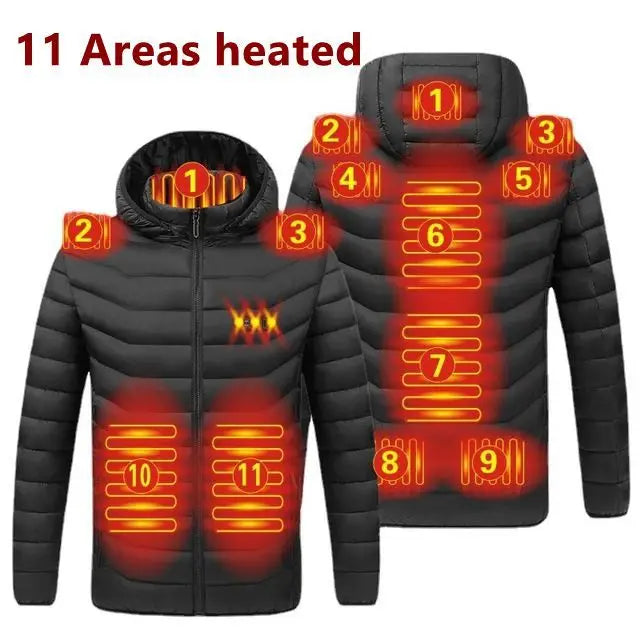
Mid-layer insulation comparison. See how winter layering adapts to activity levels.
Shell jackets for wind and snow
Your outer shell protects every layer beneath it. Even excellent insulation loses effectiveness when exposed to cold wind or moisture, making weather protection an essential part of any cold weather layering system.
- Windproof jackets: Reduce convective heat loss during strong winds.
- Waterproof shells: Keep rain and snow from soaking insulating layers.
- Breathable fabrics: Allow perspiration to escape while maintaining weather protection.
- Helpful features: Sealed seams, adjustable hoods, cuffs, pit zips, and ventilation openings improve comfort during changing conditions.
Cold exposure often affects your skin and eyes before the rest of your body. Many people also include products from the Eye Care Devices and Skin and Beauty Care Devices collections as part of their overall winter comfort routine.
What makes the best jacket for extreme cold weather?
The best jacket for layering combines effective insulation, dependable weather protection, and enough room to accommodate your base and mid layers without restricting movement. Rather than replacing a complete layering system, a quality jacket enhances it.
- Strategically placed insulation that keeps your core warm
- Windproof and weather-resistant outer fabric
- Comfortable mobility without excessive bulk
- Ventilation features that help regulate body temperature
- Compatibility with thermal base layers and insulating mid layers
For long periods outdoors in changing weather, some people prefer heated outerwear because it provides adjustable warmth without requiring additional bulky clothing. Products such as the men heated jacket can serve as an optional outer insulating layer, allowing you to increase or reduce heat as conditions change.
Upgrade your winter setup today — limited cold-season availability.
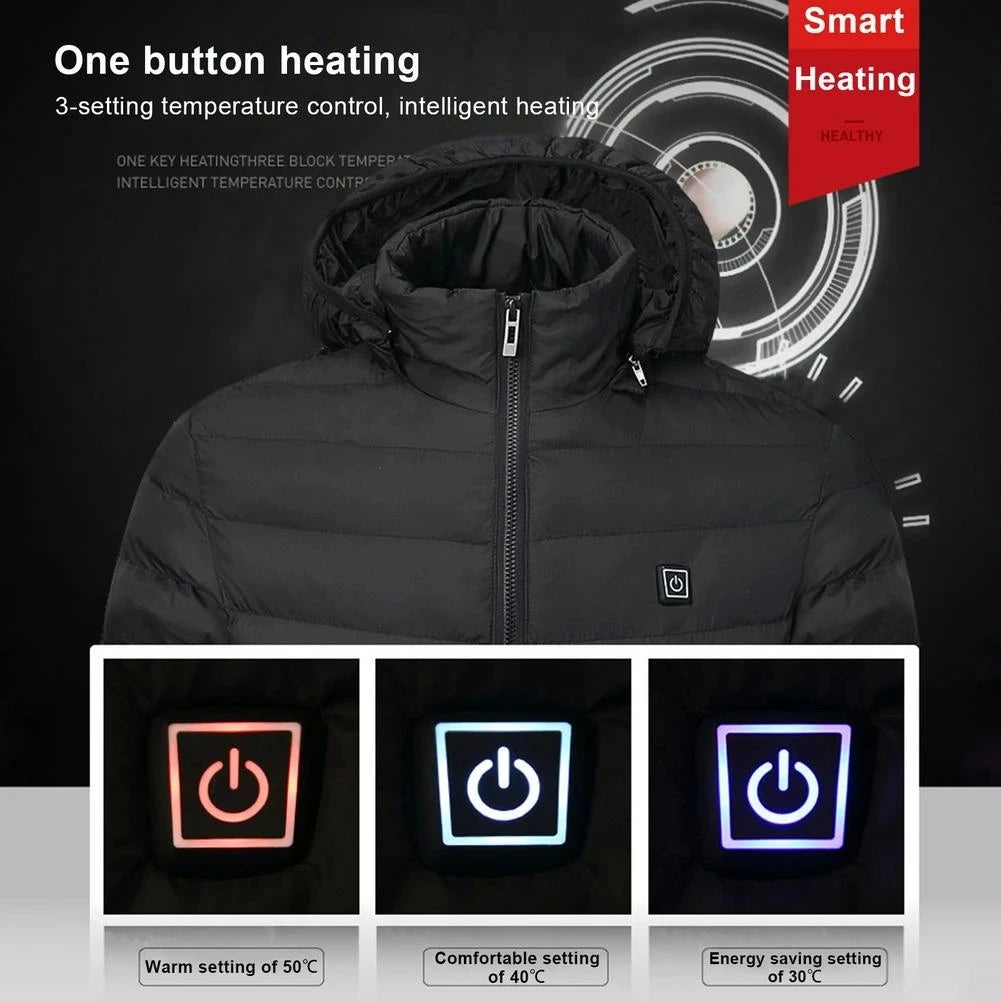
Cold-ready confidence. See how extreme cold weather clothing performs outdoors.
Common cold weather layering mistakes that make you colder
- Wearing cotton as a base layer: Cotton absorbs perspiration, dries slowly, and dramatically increases heat loss once it becomes damp.
- Over-layering: Too many insulating layers can cause excessive sweating, leaving you colder once your activity slows.
- Ignoring wind protection: Even high-quality insulation loses effectiveness if cold wind penetrates your outer layer.
- Poor fit: Layers that are too tight compress insulating air pockets, while overly loose clothing can reduce heat retention and mobility.
- Not adjusting layers during activity: Remove or vent layers before overheating to keep your clothing system dry and effective.
An effective cold weather clothing system focuses on balance—maintaining warmth, managing moisture, and adapting to changing weather and activity levels.
Quick checklist: recommended layers for frigid conditions
Layer checklist
For extremely cold environments, most people are comfortable with the following clothing system:
- 1 moisture-wicking thermal base layer
- 1–2 insulating mid layers appropriate for the temperature
- 1 windproof and weather-resistant outer shell
- An additional insulating layer for prolonged exposure below -20°C or during low-activity situations
Accessories
Protecting your extremities is just as important as layering your core. Consider including:
- Insulated gloves or mittens
- A warm beanie or insulated winter hat
- A neck gaiter or scarf
- Moisture-wicking thermal socks with insulated waterproof boots
Fit check
Before heading outdoors, make sure each layer fits comfortably over the previous one without restricting movement. You should be able to bend, reach, and walk easily while still maintaining enough space between layers to trap insulating air.
Mini FAQ: how to layer for cold weather
How many layers of clothing are recommended for frigid conditions?
Most people need three to four layers: a moisture-wicking base layer, one or two insulating mid layers, and a windproof outer shell. Extremely cold temperatures or long periods of inactivity may require an additional insulating layer.
How do I select the right thermal wear for extremely cold conditions?
Choose thermal wear based on both temperature and activity level. Merino wool offers excellent temperature regulation and odor resistance, while synthetic fabrics dry quickly and perform well during high-output activities. Select lightweight, midweight, or heavyweight thermals depending on the expected conditions.
What is the best jacket for layering in cold weather?
The best jacket combines weather protection, breathability, and enough room to fit comfortably over your insulating layers without compressing them. Windproof and waterproof shells with ventilation features provide the greatest versatility.
How do I layer clothing under Jones outerwear for the coldest days?
Start with a moisture-wicking thermal base layer, add one or two insulating layers such as fleece or lightweight down, then wear your Jones outerwear as the protective shell. Adjust insulation according to temperature, wind, and activity.
How to dress for 0 degree weather?
Wear a thermal base layer, an insulating fleece or lightweight insulated jacket, and a windproof outer shell. Complete the system with insulated gloves, a warm hat, thermal socks, and appropriate winter footwear.
How to dress for 10 degree weather?
In temperatures around 10°C, many people are comfortable wearing a lightweight moisture-wicking base layer with a light fleece or sweater and a weather-resistant jacket. Add or remove layers depending on wind and activity level.
Should thermal wear fit tight or loose?
Thermal base layers should fit close to the body without restricting movement. A snug fit improves moisture management while still allowing comfortable movement and effective layering.
Is merino wool warmer than synthetic base layers?
Merino wool generally provides better natural temperature regulation and remains comfortable over a wider range of conditions, while synthetic base layers excel at drying quickly during high-intensity activities. Both are excellent choices when selected for the intended environment.
Try a smarter approach to cold weather layering today.
Related Guide: Winter Layering Guide: How to Stay Warm Step by Step













