Are Blue Tint Glasses Worth It?
Blue tint glasses can be worth it—but only for specific use cases. They are most helpful for people who spend long hours on screens, especially in the evening. They may reduce eye strain symptoms and support better sleep by limiting certain wavelengths of light. However, they are not essential for everyone and do not prevent long-term eye damage.
- Worth it for: heavy screen users, night-time device use, people with eye fatigue
- Less useful for: casual users, well-lit daytime environments
- Not proven to: prevent vision loss or eye disease
Eyeglasses with Blue Tint: Are They Worth It for Daily Screen Use?
Eyeglasses with blue tint aren’t just a trend—they’re designed to improve comfort during long hours of screen use. But are blue light glasses effective, and how do they compare in the UV protection glasses vs blue light debate? This guide breaks down the science, benefits, and real-world use cases so you can decide if they’re right for you.
⏱ 7 min read
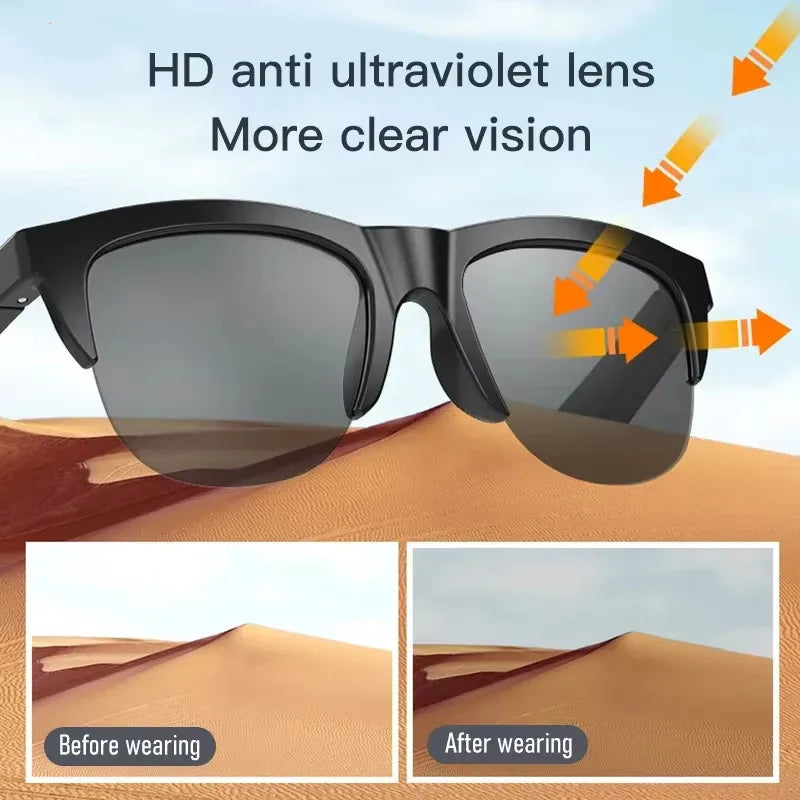
Eyeglasses with blue tint - for less eye strain and better focus.
What Is Blue Light and Why Do Some Glasses Have a Blue Tint?
What is blue light?
Blue light is part of the visible light spectrum (roughly 400–500 nm). It comes from natural sunlight as well as digital screens, LED lighting, and electronic devices. While daytime exposure is normal, excessive exposure at night can interfere with your body’s sleep cycle.
Do blue light glasses have a tint?
Some do, but not all. Blue light glasses come in two main forms:
- Clear lenses: use coatings to filter light without visible color
- Tinted lenses: appear yellow, amber, or blue due to stronger filtering
The tint reflects how much blue light is being blocked. A deeper tint typically means more aggressive filtering—but also more color distortion.
How Blue-Light Filtering Lenses Work
Blue-tinted lenses
Tinted lenses absorb a larger portion of blue wavelengths, making them more effective for night-time use.
Clear blue-light coatings
These use embedded filters within the lens material to selectively reduce blue light while maintaining color accuracy.
Anti-reflective coatings
These coatings reflect portions of blue light away from the lens surface, reducing glare and improving clarity.
Overall effectiveness depends on the lens design. Clear lenses typically filter less, while tinted lenses provide stronger blocking—especially useful in low-light environments.
What Does the Scientific Evidence Say?
Digital eye strain
Research suggests blue light glasses may help reduce symptoms like dryness, fatigue, and discomfort—but these effects are also strongly influenced by screen habits.
Sleep and circadian rhythm
Evening exposure to blue light can disrupt melatonin production. Blue-tinted lenses may help improve sleep quality when used at night.
Headaches and glare
Some users report fewer headaches due to reduced glare and visual strain, though results vary.
Current expert guidance
Most experts agree: blue light glasses can improve comfort but are not essential for eye health . Healthy screen habits remain more important.
Potential Benefits of Blue Light Glasses
- Reduced glare: especially from bright screens
- Improved comfort: during long work sessions
- Better sleep support: when used in the evening
- Lower visual fatigue: for heavy screen users
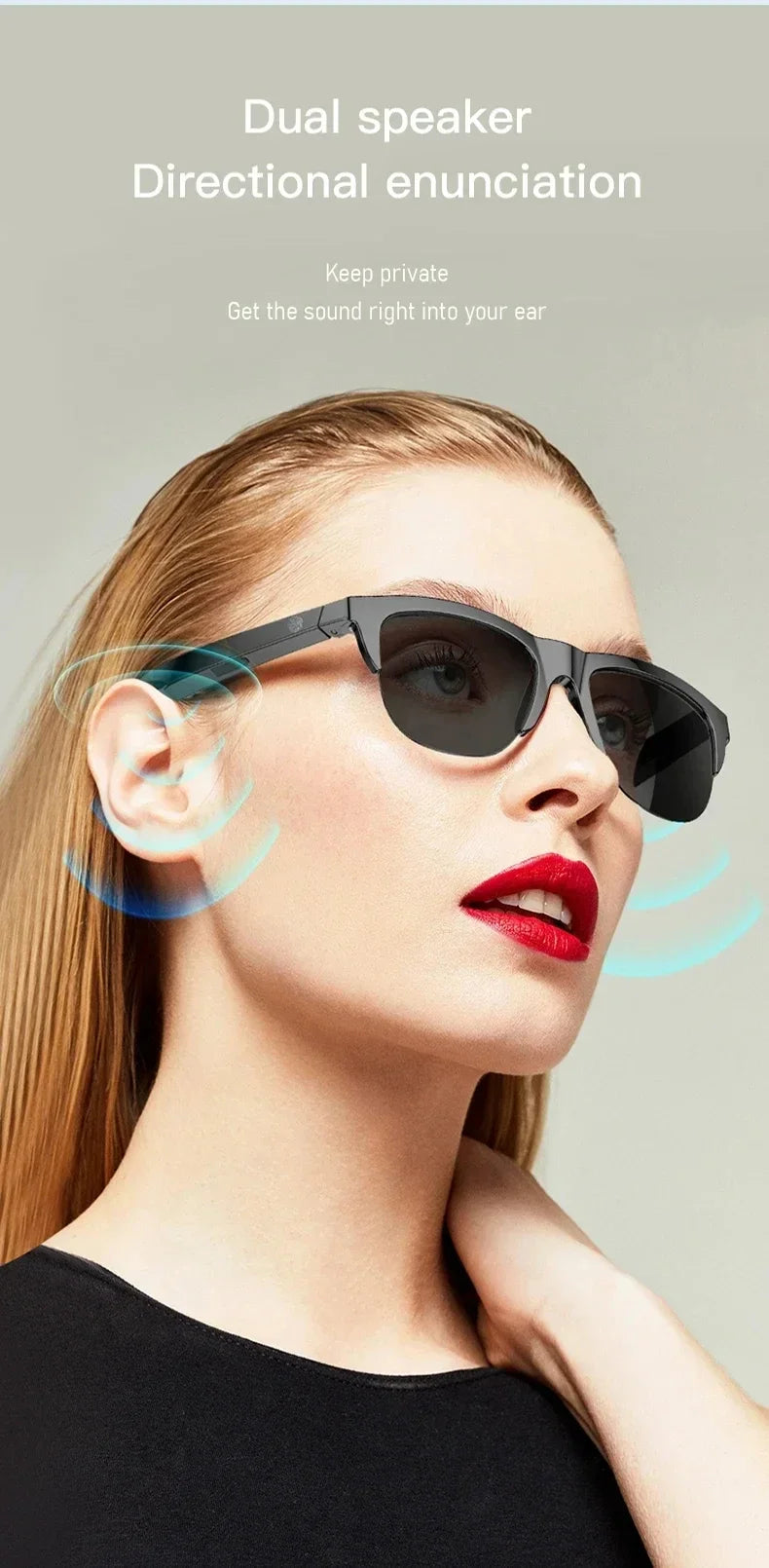
Balanced protection with modern style.
Blue Tint Lenses: Pros and Cons
-
Pros:
- Stronger filtering than clear lenses
- May improve sleep quality
- Reduces glare and eye fatigue
-
Cons:
- Can distort colors
- Less useful in daytime settings
- Limited long-term health benefits
Clear vs Tinted Blue Light Glasses
- Clear lenses: best for daytime use and accurate color work
- Tinted lenses: better for night use and sleep support
Choose based on when and how you use screens—not just appearance.
Blue-Light Glasses vs UV Protection Glasses
Why UV protection still matters
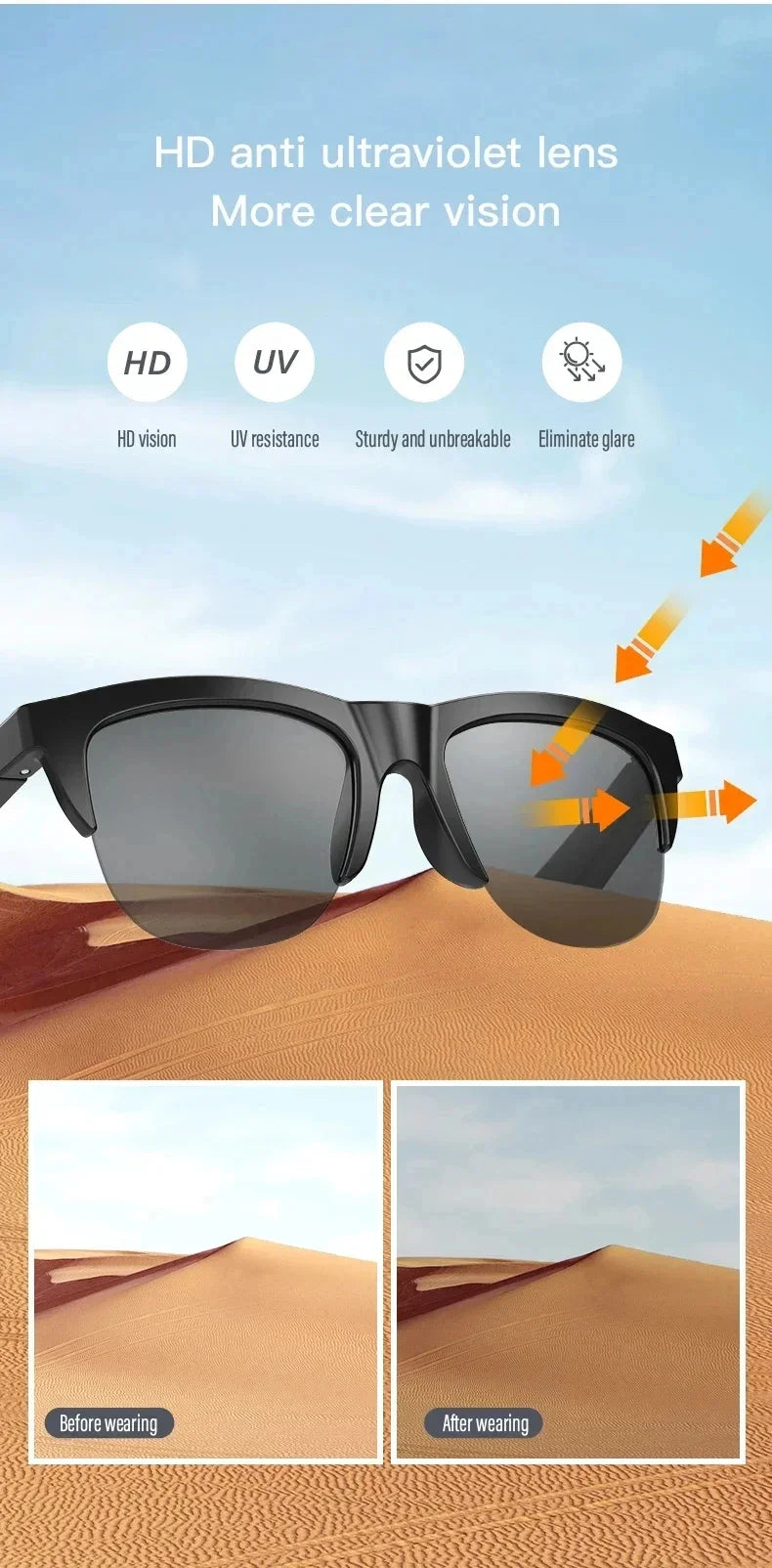
Blue light glasses are designed for indoor use, while UV protection glasses shield your eyes from harmful sunlight outdoors.
- Blue light glasses: reduce screen-related discomfort
- UV glasses: protect against sun damage
For outdoor use, UV protection remains essential—even if your lenses filter blue light.
Who Should Consider Blue-Light Glasses?
Who may benefit
- Office workers spending 6+ hours on screens
- Gamers and remote workers
- Night-time device users
- People with eye strain symptoms
Who probably will not
- Casual screen users
- People who primarily use screens in bright environments
- Those already practicing strong eye-care habits
Productivity meets comfort.
Should You Wear Blue-Light Glasses All Day?
They are safe to wear all day, but most benefits occur during long screen sessions or evening use. For many users, targeted use is more effective than constant wear.
Are Blue-Light Glasses Safe?
Yes, they are safe for daily use and suitable for both adults and children. There are no known harmful side effects, but they should not replace good screen habits.
Alternatives That May Improve Eye Comfort More Than Blue-Light Glasses
20-20-20 rule
Every 20 minutes, look at something 20 feet away for 20 seconds.
Screen brightness
Adjust brightness to match your environment to reduce strain.
Ambient lighting
Avoid working in dark rooms with bright screens.
Prescription updates
Uncorrected vision problems often cause more strain than blue light itself.
How to Decide Whether Blue-Tint Glasses Are Worth Buying
- Buy them if: you use screens at night or experience eye fatigue
- Skip them if: your screen use is limited or well-managed
- Consider premium lenses if: you need both clarity and filtering
- Budget tip: expensive doesn’t always mean better—focus on features
Frequently Asked Questions
Do blue light glasses prevent eye damage?
No strong evidence shows they prevent long-term eye damage.
Do clear blue-light glasses work as well as tinted ones?
Clear lenses filter less light but maintain better color accuracy.
Can blue-light glasses reduce headaches?
They may help in some cases, especially when glare is a factor.
Do blue-light glasses improve sleep quality?
Yes, especially when used in the evening.
Are expensive blue-light glasses better?
Not necessarily—performance depends on lens technology, not just price.
Should I buy blue-light glasses if I already have anti-reflective lenses?
It depends—some AR coatings already reduce blue light.
Do blue-light glasses block UV rays?
No, UV protection requires separate lens features.
Can I wear blue-light glasses with prescription lenses?
Yes, blue light filtering can be added to prescription glasses.
Final Verdict: Are Blue-Tint Glasses Worth It?
Blue tint glasses are worth it for people who spend long hours on screens—especially at night. They can improve comfort and support better sleep, but they are not essential for everyone.
Buy them if:
you experience eye strain or use devices in the evening.
Skip them if:
your screen habits are already well-managed.
The key takeaway: they are a comfort tool—not a medical necessity.
Pillar Article: Driving Sun Glare Fix: The Sunglasses That Eliminate Strain Instantly
Other Related Articles:
Explore More: