

Fast Warm Air Circulation Heaters: Quick Room Comfort Explained
Fast warm air circulation can transform how quickly a room feels comfortable. Instead of waiting for heat to gradually spread, a well-designed heater moves warm air throughout the space in minutes, helping reduce cold spots and improve overall comfort. Whether you're heating a bedroom, home office, or living area, understanding how airflow works can help you choose a heater that delivers faster, more even warmth.
⏱ 6 min read
Discover how modern airflow technology helps rooms warm faster while improving comfort and reducing cold spots.

Fast warm air circulation in action for small room heating. See how efficient airflow distributes warmth more evenly.
What is fast warm air circulation and why it matters
A fast warm air circulation heater is designed to heat a room efficiently by combining a heating element with active airflow. Instead of relying only on natural convection, these heaters use a built-in fan or blower to distribute heated air across the room, helping the space reach a comfortable temperature sooner and more evenly.
How heaters distribute warm air
Most modern portable heaters generate heat first, then move it into the room using controlled airflow. As warm air circulates, it mixes with cooler air instead of remaining near the ceiling, reducing temperature differences between corners, floors, and seating areas.
Common heating technologies include:
- Ceramic fan heaters: PTC ceramic elements warm quickly while integrated fans provide consistent air circulation, making them a popular choice for small and medium-sized rooms.
- Fan-forced heaters: Designed to move a larger volume of heated air, offering quick comfort in spaces that need rapid temperature recovery.
- Infrared heaters: Primarily warm people and objects directly. They provide instant radiant warmth but depend less on moving heated air throughout the room.
Why airflow matters as much as heating power
Higher wattage alone does not guarantee a room will feel warmer faster. Airflow plays an equally important role because it determines how efficiently heat is distributed. A heater with balanced fan-assisted circulation can often create a more comfortable environment than a higher-powered model that allows warm air to collect near the ceiling.
Understanding how heaters distribute warm air helps you compare products based on real-world performance rather than wattage alone, making it easier to choose a heater that delivers quick, even warmth without unnecessary energy use.
How fast warm air circulation delivers comfort faster
Fast warm air circulation improves heating performance by continuously moving heated air across the room instead of allowing it to rise and remain overhead. This active circulation creates a more consistent indoor temperature, helping eliminate cold pockets and making the entire space feel comfortable sooner.
In everyday use, effective air circulation can provide several practical benefits:
- Warm air reaches occupied areas, including floors and seating, more quickly.
- Room temperatures remain more even with fewer noticeable hot and cold spots.
- Small rooms become easier to heat consistently without frequent thermostat adjustments.
- Improved heat distribution helps reduce wasted energy caused by heat collecting near the ceiling.
Which room in your home struggles the most with cold spots? As you continue reading, you'll see how airflow, room layout, and heater design all influence heating performance.
Factors that affect room heating speed
Even the best heater performs differently depending on the room it's heating. Beyond wattage, several environmental and placement factors determine how quickly warm air spreads and how evenly the temperature stays throughout the space.
Room size and insulation
- Room dimensions and ceiling height: Larger rooms and high ceilings require more time and stronger airflow to distribute heat effectively.
- Insulation quality: Well-insulated walls, ceilings, and floors retain warmth longer, allowing heaters to reach and maintain a comfortable temperature more efficiently.
- Windows and drafts: Air leaks around doors and windows allow heated air to escape, making the heater work harder and increasing energy consumption.
Heater placement and airflow obstacles
- Heater wattage and airflow: A balanced combination of sufficient heating power and effective fan circulation usually delivers faster, more even comfort than wattage alone.
- Furniture placement: Large furniture, curtains, and other obstacles can block airflow, preventing warm air from reaching every part of the room.
- Open floor layout: Leaving adequate space around the heater allows unrestricted air movement, improving circulation and reducing cold spots.
Paying attention to these factors helps maximize the performance of any fast air circulation heater while supporting more efficient, consistent heating during colder months.
Why small rooms feel cold despite running a heater
Small rooms are often expected to warm quickly, yet many remain uncomfortable because heat is not circulating efficiently. Warm air naturally rises, and without adequate airflow it collects near the ceiling while cooler air stays closer to the floor, where people spend most of their time.
Common signs of poor indoor heater air flow include:
- Cold feet even though the room temperature appears adequate.
- Noticeably warmer air near the ceiling than at seating level.
- Frequent temperature swings as the heater cycles on and off.
- Longer operating times with little improvement in overall comfort.
Simple room conditions can also reduce heating performance. Positioning a heater behind furniture, placing it too close to walls, or leaving exterior doors slightly open can interrupt airflow and create persistent cold zones.
A compact, well-designed portable heater with efficient fan-assisted circulation addresses these issues by moving heated air continuously throughout the room instead of allowing warmth to remain concentrated in one area. The result is faster, more even heating without relying solely on higher power output.
Top portable heaters for fast warm air circulation
Choosing the best heater depends on more than maximum wattage. Airflow design, coverage area, safety features, and noise level all influence how quickly a room feels warm and how comfortable it remains over time.
Comparison table: airflow speed, wattage, coverage
| Heater | Wattage | Airflow Speed | Coverage Area | Price Range |
|---|---|---|---|---|
| Brand A Ceramic Fan Heater | 1500W | 3.5 m/s | 200 sq ft | $$ |
| Brand B Infrared Fan Heater | 1400W | 2.8 m/s | 180 sq ft | $$ |
| Brand C Compact Fan Heater | 1200W | 3.0 m/s | 150 sq ft | $ |
When comparing models, look beyond airflow speed alone. Features such as adjustable fan settings, oscillation, thermostat accuracy, overheat protection, and operating noise all contribute to a better everyday heating experience.
Best heater for instant warmth by room size
- Small rooms (up to 150 sq ft): Brand C Compact Fan Heater provides quick, focused warmth while remaining compact and energy-conscious.
- Medium rooms (150–250 sq ft): Brand A Ceramic Fan Heater offers an effective balance of airflow, heating capacity, and even temperature distribution.
- Large rooms (250+ sq ft): Fan-forced portable heaters work best when paired with supplemental infrared heating or central heating to maintain consistent comfort.
For those comparing options, this portable electric fan heater demonstrates how thoughtful airflow engineering can improve winter comfort by distributing heat more evenly throughout everyday living spaces.
Learn how efficient warm air circulation can help create faster, more even heating throughout your home.
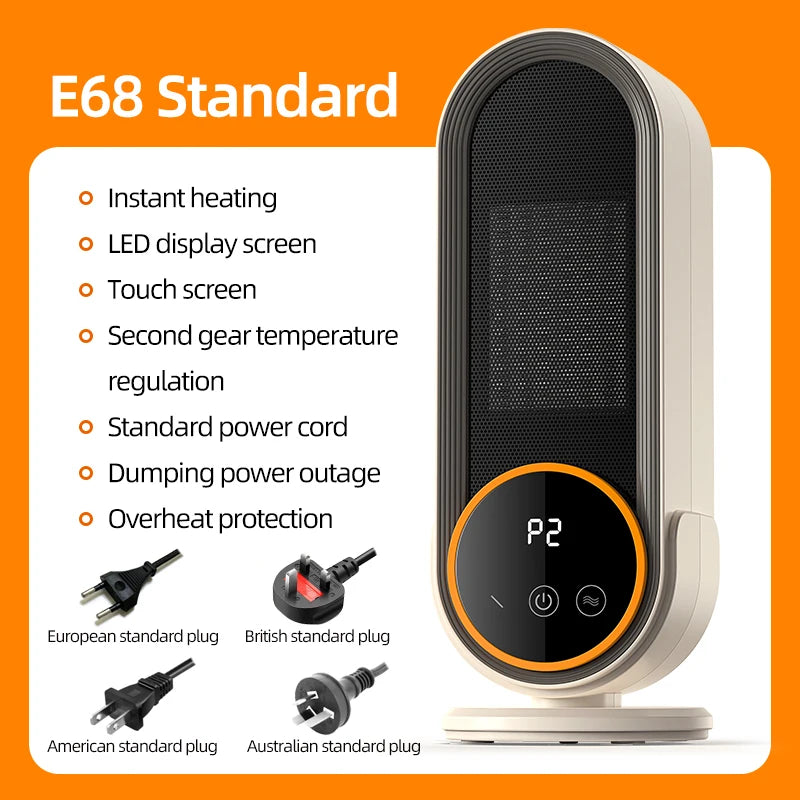
Balanced air circulation helps maintain steady, consistent warmth throughout the room.
Pros and cons of fast warm air circulation heating
Fast warm air circulation heaters are designed to improve comfort by distributing heat quickly and evenly. While they are an excellent choice for many indoor spaces, understanding both their strengths and limitations helps you choose the right heater for your needs.
- ✅ Warm rooms more quickly through active fan-assisted air circulation.
- ✅ Help reduce cold spots by distributing heat more evenly from floor to ceiling.
- ✅ Compact designs are easy to move between bedrooms, offices, and living spaces.
- ✅ Often provide better perceived comfort without requiring significantly higher wattage.
- ❌ Coverage is generally best for small to medium-sized rooms rather than large open-plan spaces.
- ❌ Fan-assisted models may produce more operating noise than radiant heaters.
- ❌ Performance depends on proper placement and reasonably well-insulated rooms.
For households looking for faster, more consistent warmth, a quality fan-assisted heater offers an effective balance of comfort, efficiency, and portability when used within its recommended coverage area.
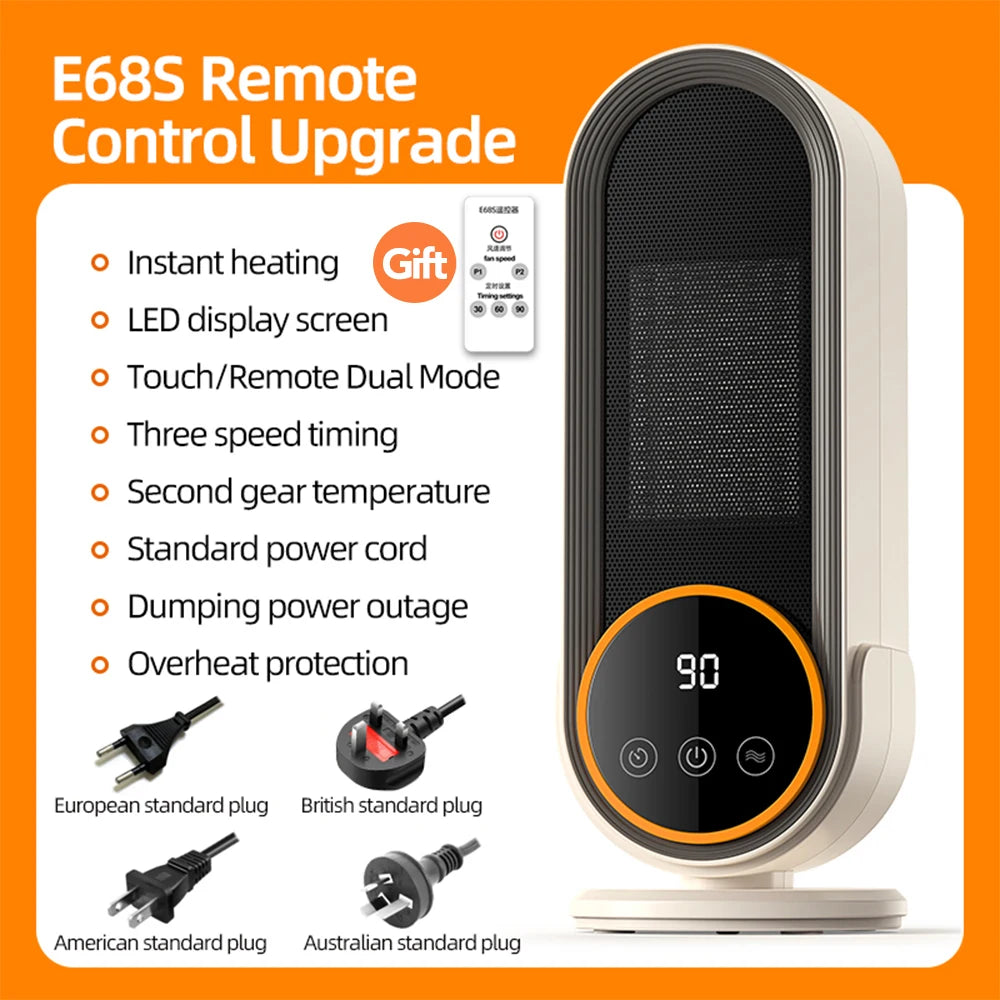
Portable heater for indoor use delivering fast, even warm air circulation throughout the room.
Choose a heater designed to circulate warmth efficiently for comfortable everyday use.
Related Guide: Carbon fiber heater element benefits that boost warmth and safety
Quick tips to improve heater airflow and room warmth
Small adjustments to heater placement and room setup can significantly improve indoor heater air flow, helping your space warm more quickly and maintain a consistent temperature.
- Position the heater on a flat, open surface with adequate clearance from walls, curtains, and large furniture.
- Run a ceiling fan on low reverse mode to push accumulated warm air back toward the living area.
- Keep doors and windows closed while heating to reduce drafts and heat loss.
- For larger spaces, use multiple appropriately sized heaters instead of relying on a single unit to reach every corner.
- Clean air inlets, outlets, filters, and fan blades regularly to maintain strong airflow and efficient operation.
Safety features to prioritize before buying
A portable heater should provide fast warm air circulation without compromising safety. Look for models that combine effective airflow with protective features designed for everyday indoor use.
Tip-over protection
Tip-over protection automatically switches the heater off if it is accidentally knocked over. This feature is especially valuable in homes with children, pets, or high-traffic areas where the heater could be bumped during normal use.
- Choose a stable base that resists tipping.
- Place the heater on a hard, level surface.
- Avoid using portable heaters on beds, sofas, or thick carpets unless the manufacturer specifically allows it.
Overheat protection and certifications
Overheat protection monitors the heater's internal temperature and automatically shuts the unit down if airflow becomes blocked or components become too hot. This helps reduce the risk of overheating during extended operation.
When comparing models, also look for:
- Independent safety certifications from recognized testing organizations.
- Cool-touch exterior surfaces where available.
- Adjustable thermostats and automatic shutoff functions.
- Clear manufacturer guidance for safe placement and recommended room size.
Even with these features, always keep a portable heater away from combustible materials, maintain the recommended clearance around air vents, and avoid covering the unit while it is operating.













