

Weighted Hula Hoop Workout: Complete Guide for Fat Loss, Routine & Mistakes to Avoid
⏱ 7 min read
Weighted Hula Hoop Workout: A Simple Way to Burn Fat and Tone Your Waist
A weighted hula hoop workout is a fun, accessible way to increase daily activity, strengthen your core, and support weight loss goals without needing a gym membership. By combining resistance, rhythmic movement, and cardio-style exercise, a hula hoop workout for weight loss can help improve endurance while making fitness more enjoyable.
This workout is suitable for beginners, busy adults, and anyone looking for a low-impact way to stay active. Whether you want to improve core stability, add more movement to your routine, or create a consistent home fitness habit, weighted hooping offers a simple starting point.
Who this workout is for
A weighted hula hoop workout works well for beginners who want an easy-to-follow home exercise option, as well as experienced exercisers who want to add variety to their cardio routine. It can be especially helpful for people who enjoy interactive workouts and prefer movement-based activities over traditional gym exercises.
Equipment you'll need
To get started, you only need a properly sized weighted hula hoop, comfortable workout clothing, and enough open space to move safely. Choosing the right hoop weight is important because a beginner-friendly design allows you to practice technique while building strength and endurance.
A Get the KentDO LED Fitness Hoop Ring can make workouts more engaging with its fun design while helping you stay consistent with your fitness routine.
What results to expect
A weighted hula hoop workout can help improve core muscle endurance, coordination, and calorie expenditure. However, results depend on several factors, including workout frequency, exercise intensity, nutrition habits, sleep, and overall lifestyle.
Instead of expecting instant belly fat reduction, focus on building a consistent routine. Regular hoop workouts combined with balanced nutrition can support gradual body composition changes and a stronger, more toned appearance over time.
Ready to make your workout count? Get the KentDO LED Fitness Hoop Ring and start seeing results today.
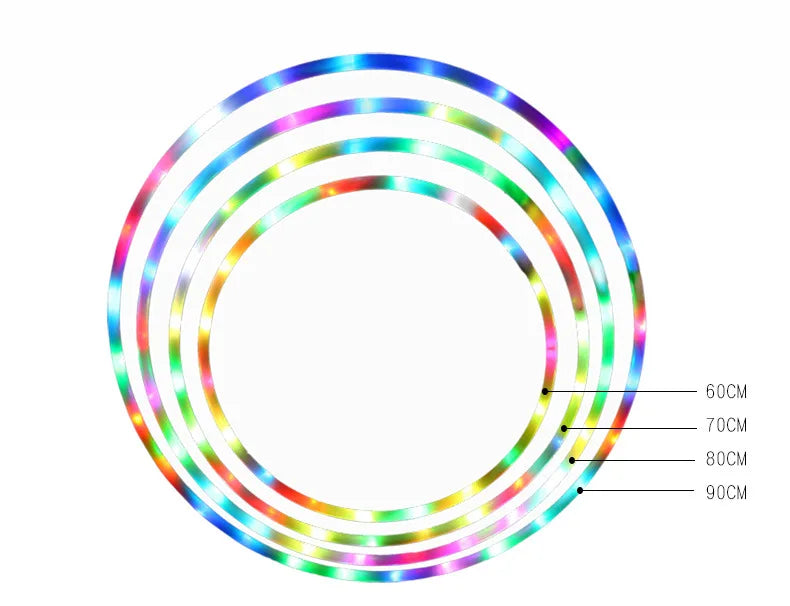
Try a light up workout hoop for fun workouts to burn fat and tone your waist fast!
Does a Weighted Hula Hoop Workout Really Burn Fat?
How calorie burn actually works
A fat burning hoop workout increases your heart rate and keeps multiple muscle groups active, including your abdominal muscles, hips, legs, and lower back. This combination of continuous movement and muscle engagement helps increase energy expenditure, similar to other moderate cardio activities.
The number of calories burned depends on factors such as workout intensity, body weight, duration, and fitness level. Many people may burn approximately 150–300 calories during a 20–30 minute session when maintaining a steady pace. Increasing intensity through intervals or longer sessions can raise overall calorie expenditure.
Does hula hoop burn belly fat specifically?
Many people ask, does hula hoop burn belly fat ? The answer is that hooping cannot directly remove fat from one specific area. Spot reduction is not possible because the body loses fat gradually from different areas based on genetics, hormones, activity level, and calorie balance.
However, weighted hooping can strengthen the muscles around your midsection while helping create the calorie deficit needed for overall fat loss. With consistent training and healthy eating habits, your waist may become more defined as total body fat decreases.
What science says about core engagement
During a weighted hula hoop workout, your abdominal muscles, obliques, and lower back muscles work continuously to stabilize your body and maintain the hoop’s movement. This repeated engagement may improve core endurance, posture, and movement control.
Unlike isolated abdominal exercises, hooping combines muscle activation with full-body coordination. This makes it a practical option for people who want to train their core while also adding more cardiovascular activity to their week.
Weighted Hula Hoop Benefits
Cardiovascular fitness
A weighted hula hoop workout can raise your heart rate while keeping exercise enjoyable. Regular sessions may help improve stamina and make it easier to maintain an active lifestyle, especially for people who prefer playful movement over repetitive cardio machines.
Core strength and balance
The resistance of a weighted hoop requires constant adjustments from your abdominal muscles, obliques, and stabilizing muscles. Over time, this can support better balance, coordination, and core control during everyday activities.
Waist appearance vs fat loss
Weighted hooping is often promoted as a way to achieve a slimmer waist, but it is important to understand the difference between muscle tone and fat reduction. Stronger core muscles can improve the appearance of your midsection, while overall fat loss requires consistent calorie management and physical activity.
Joint-friendly exercise
Compared with many high-impact workouts, hooping is generally a lower-impact activity that is easier on the joints. Beginners can adjust workout duration and intensity gradually, making it a convenient option for building fitness at home.
Weighted Hula Hoop Benefits
Cardiovascular fitness
One of the key weighted hula hoop benefits is its ability to combine resistance training with cardio-style movement. Continuous hooping increases your heart rate, encourages active calorie expenditure, and can help improve cardiovascular endurance when practiced consistently.
Because the workout feels more like a fun activity than traditional cardio, many people find it easier to stay motivated and maintain a regular exercise habit.
Core strength and balance
A weighted hoop requires constant adjustments from your abdominal muscles, obliques, hips, and lower back to maintain momentum. This repeated activation helps build core endurance, improve body awareness, and support better balance during movement.
Unlike exercises that isolate one muscle group, hooping challenges your body to stabilize and coordinate multiple areas at the same time.
Waist appearance vs fat loss
Many people search for hula hoop for waist slimming because the movement focuses heavily on the midsection. While hooping can strengthen and tone the muscles around your waist, it does not directly remove fat from that specific area.
A more defined waist comes from a combination of reduced overall body fat, stronger core muscles, and consistent healthy habits. Weighted hoop workouts can support this process by increasing daily activity and improving muscle tone.
Joint-friendly exercise
Compared with many high-impact workouts, hooping is a lower-impact exercise that places less stress on the joints while still providing meaningful movement. This makes it a practical option for beginners or anyone looking for a gentler home workout routine.
Starting with shorter sessions and gradually increasing intensity allows your muscles and coordination skills to adapt safely.
How to Use a Weighted Hula Hoop
Choose the right hoop
Learning how to use a weighted hula hoop starts with selecting equipment that matches your experience level. Beginners should avoid choosing a hoop that is excessively heavy because extra weight can make proper technique harder and may increase discomfort.
A comfortable weighted hoop should allow you to maintain steady movement while practicing control, posture, and rhythm.
Proper stance and motion
Stand with one foot slightly ahead of the other, keep your knees relaxed, and maintain an upright posture. The correct movement is not a large circular hip rotation. Instead, use controlled forward-and-back motions to keep the hoop moving around your waist.
- Place the hoop around your waist and hold it level with your body.
- Spin the hoop firmly in your preferred direction.
- Shift your weight rhythmically between your feet.
- Keep your core engaged and your back straight.
- Maintain small, controlled movements instead of exaggerated hip circles.
Breathing and rhythm
Many beginners focus so much on keeping the hoop up that they accidentally hold their breath. Steady breathing helps maintain energy and improves workout comfort.
Try matching your movement to a consistent rhythm. Once the motion feels natural, you can increase speed, add steps, or include short intervals to make your workout more challenging.
Common beginner mistakes
Avoiding common hula hoop mistakes can improve results and make workouts more enjoyable:
- Using large circular hip movements instead of controlled forward-back motion.
- Choosing a hoop that is too heavy before building proper technique.
- Starting with sessions that are too long and causing unnecessary soreness.
- Losing posture by leaning forward or tightening the shoulders.
- Stopping frequently instead of building steady endurance.
Best Weighted Hula Hoop Workout Routine
Beginner routine (5–10 minutes)
This beginner-friendly routine focuses on learning control, improving coordination, and building confidence:
- Hoop continuously for 2 minutes.
- Rest for 1 minute.
- Repeat for 3 total rounds.
Focus on maintaining good posture rather than increasing speed. Consistent practice helps your body learn the movement pattern.
Intermediate routine (15–20 minutes)
An intermediate best hula hoop workout routine adds longer active periods and simple intensity changes:
- Hoop continuously for 10 minutes.
- Switch directions every 2 minutes to train both sides.
- Finish with 5 minutes at a faster, controlled pace.
This progression improves endurance while increasing the challenge for your core and cardiovascular system.
Advanced smart hula hoop workout (20–30 minutes)
An advanced smart hula hoop workout can include intervals and additional movements to increase difficulty:
- Alternate between higher-speed and recovery intervals.
- Add walking steps, side movements, or controlled squats.
- Maintain continuous movement while keeping proper form.
Advanced routines should focus on quality movement rather than simply exercising longer. Better technique creates more effective and sustainable workouts.
How Long Should You Hula Hoop to Lose Weight?
Daily duration
If you are wondering how long to hula hoop to lose weight , a practical starting point is 10 minutes per day. As your coordination and endurance improve, gradually increase sessions to 20–30 minutes for greater calorie expenditure.
Consistency matters more than occasional long workouts. A regular hula hoop workout for weight loss schedule is easier to maintain and can produce better long-term results.
Calories burned by session length
Calories burned during hooping vary based on body weight, workout intensity, and duration. As a general estimate:
- 10-minute session: approximately 50–150 calories.
- 20-minute session: approximately 100–300 calories.
- 30-minute session: approximately 150–400 calories depending on intensity.
These estimates can change between individuals, so calorie tracking should be viewed as a guide rather than a guarantee.
Realistic timeline
Visible changes from a weighted hula hoop workout depend on your starting point, nutrition, activity level, and consistency. Many people notice improvements in coordination, stamina, and core control within a few weeks.
For noticeable body composition changes, continue your routine over several weeks while combining exercise with balanced nutrition and healthy recovery habits.
Why Your Weighted Hula Hoop Workout Isn’t Working
If your weighted hula hoop workout is not delivering the results you expected, the problem is usually not a lack of effort. Most plateaus come from technique issues, low workout intensity, poor recovery habits, or unrealistic expectations about fat loss.
Poor technique
One of the most common hula hoop mistakes is using the wrong movement pattern. If your posture is unstable or you rely only on your arms and hips without engaging your core, you reduce muscle activation and make the workout less effective.
Focus on standing tall, keeping your knees slightly bent, engaging your abdominal muscles, and maintaining controlled forward-and-back weight shifts. Proper form helps you get more value from every minute of your workout.
Insufficient intensity
A weighted hula hoop workout for weight loss requires enough movement to increase your heart rate. Simply keeping the hoop moving at a slow pace may improve coordination, but it may not provide enough cardiovascular challenge to support greater calorie expenditure.
To increase intensity, try longer continuous sessions, faster intervals, direction changes, or adding simple movements like side steps. A light up workout hoop can make these sessions more engaging and help you stay consistent.
Nutrition and recovery
Exercise supports fat loss, but visible changes also depend on your overall calorie balance, protein intake, sleep, and recovery habits. A consistent hoop routine works best when paired with balanced meals and enough rest between challenging workouts.
Overtraining without recovery can also reduce performance. Give your muscles time to adapt so you can maintain better workout quality over time.
Unrealistic expectations
A fat burning hoop workout can strengthen your core, improve endurance, and help create a more toned waist appearance, but it cannot remove fat from only one area of the body. Spot reduction is not possible, so results depend on consistent full-body fat loss habits.
Track progress through multiple signs, including improved stamina, better movement control, stronger core engagement, and gradual changes in body measurements.
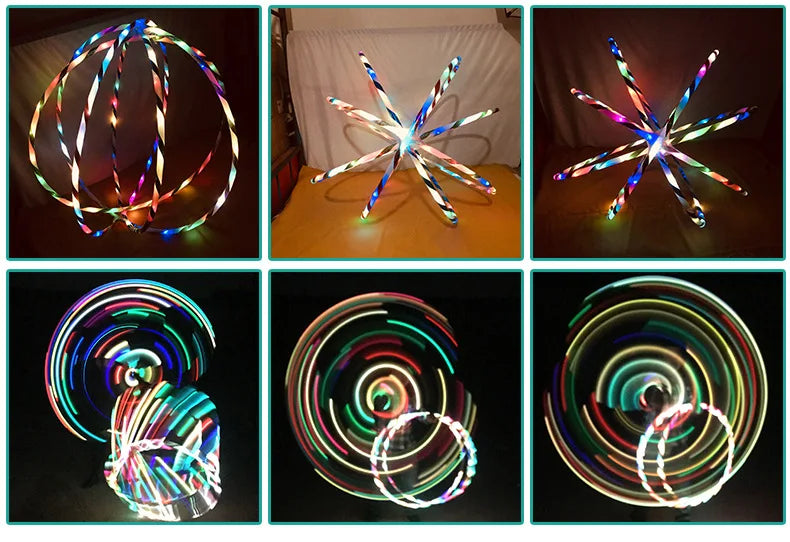
Keep proper form with a light up workout hoop for maximum waist toning.
Safety Tips: Avoid Bruising and Injury
Bruising and soreness
A weighted hula hoop workout is generally low impact, but beginners may experience temporary soreness or mild bruising when their body adjusts to the added resistance. This is more common when starting with a hoop that is too heavy or exercising for too long too soon.
To reduce discomfort, begin with shorter sessions, wear comfortable fitted clothing, maintain proper posture, and gradually increase workout time. Your body should adapt as your core strength and coordination improve.
Who should avoid weighted hoops
People with existing back problems, abdominal injuries, recent surgery, joint concerns, or conditions affected by repetitive twisting movements should speak with a healthcare professional before starting a weighted hula hoop workout.
Choosing the right equipment and progressing slowly can help make hooping safer and more sustainable, especially for beginners.
When to stop exercising
Stop your workout if you experience sharp pain, unusual discomfort, dizziness, numbness, or symptoms that do not improve after rest. Normal muscle fatigue is expected, but pain is a sign to adjust your technique, intensity, or equipment.
For more at-home fitness inspiration, check out our Body & Face Blog or explore Lifestyle tools that fit your wellness goals.
FAQ: Weighted Hula Hoop Workout
How long should I hoop daily for results?
Most beginners can start with 10–15 minutes per day and gradually build toward 20–30 minutes as their endurance improves. Consistency matters more than completing long sessions occasionally.
Does hula hoop burn belly fat?
A weighted hula hoop can strengthen your abdominal muscles and improve waist definition, but it cannot specifically remove belly fat. Fat loss occurs throughout the body when your overall activity level, nutrition, and calorie balance support weight loss.
Is a smart hula hoop effective?
A smart hula hoop workout can be effective for beginners because many designs make it easier to keep moving and stay motivated. The best option depends on your fitness level, comfort, and workout preferences.
Can beginners use a weighted hoop?
Yes. Beginners can use a weighted hoop by starting with shorter sessions and selecting a manageable resistance level. The KentDO LED Fitness Hoop Ring is designed to provide an engaging and beginner-friendly workout experience.
Can hooping replace cardio?
Hooping can provide a cardio workout and help improve endurance, but it works best as part of a balanced fitness routine. Combining hoop workouts with walking, strength training, or other forms of exercise can support better overall results.
How many calories does a weighted hula hoop workout burn?
Calorie burn varies based on body weight, workout intensity, and session duration. A moderate 20–30 minute session may burn a similar amount of energy to other low-impact cardio activities, making it a useful addition to a weight-loss routine.
How heavy should a beginner weighted hula hoop be?
Beginners should choose a hoop that feels challenging but comfortable to control. Starting with excessive weight may increase soreness and make it harder to maintain proper form.
Is it okay to use a weighted hula hoop every day?
Many people can use a weighted hula hoop frequently if they increase intensity gradually and allow recovery when needed. Listen to your body and reduce frequency if soreness or discomfort continues.
Conclusion
A weighted hula hoop workout is a fun, effective, and beginner-friendly way to support fat loss, strengthen your core, and improve fitness at home. By using proper form, building consistency, choosing the right hoop, and following a realistic progression plan, you can create a workout routine that is easier to maintain and more enjoyable over time.
Whether you are starting with short beginner sessions or building toward longer interval workouts, the key to results is staying consistent and making your fitness routine something you enjoy.
Pillar Article: Fitness Hoop Workout Guide: Master the Moves to Tone Your Core
Other Related Articles:
- Home Workout for Beginners: Step-by-Step Routine to Kickstart Your Transformation
- How to Lose Belly Fat Fast Without Crunches Using the Right LED Hoop
- Core Strengthening Routine: The Secret to Better Balance and Faster Fat Burn
Explore More:













