

Fitness Hoop Workout: Beginner Guide, Routine & Weight Loss Results (2026)
Answer: A well-structured fitness hoop workout helps beginners and experienced exercisers improve core strength, increase calorie expenditure, and build a sustainable home cardio routine. While hoop workouts won't spot-reduce belly fat, consistent training combined with balanced nutrition can contribute to overall fat loss and a stronger, more toned midsection.
Looking for a low-impact workout that's actually fun enough to stick with? This evidence-informed fitness hoop workout guide explains how to use a fitness hoop correctly, choose the right hoop, follow progressive beginner routines, and set realistic expectations for weight loss and core development. Whether your goal is improving fitness, increasing daily activity, or building a healthier exercise habit, this guide provides a practical roadmap.
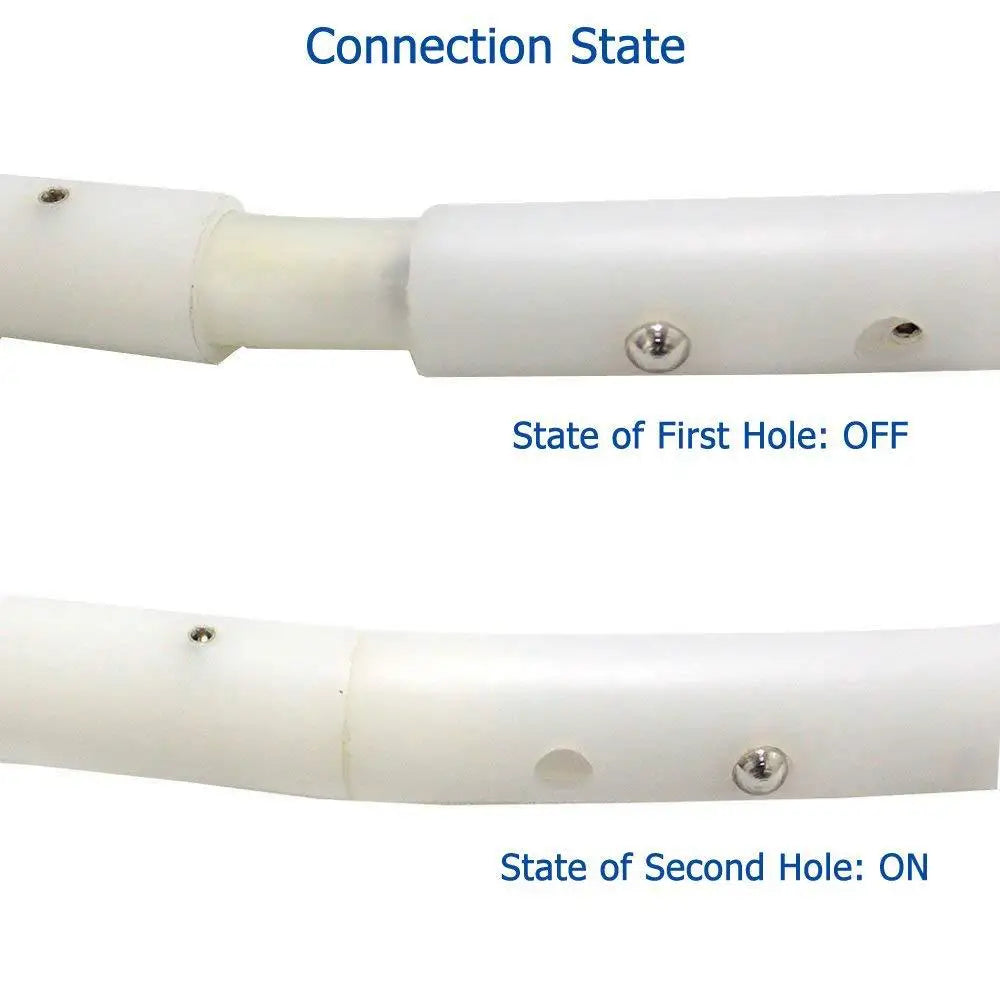
Discover a fitness hoop workout that combines cardio, coordination, and core training.
Why This Fitness Hoop Workout Guide Works
This fitness hoop workout is designed for beginners, returning exercisers, and anyone looking for an enjoyable alternative to traditional cardio. Instead of promising unrealistic "waist-slimming miracles," it focuses on proven training principles: progressive overload, consistency, and total-body movement.
Fitness hoop workouts elevate your heart rate while requiring continuous core stabilization. Combined with healthy eating and regular exercise, they can improve cardiovascular fitness, muscular endurance, balance, and long-term adherence because many people simply enjoy them more than repetitive cardio machines.
What Is a Fitness Hoop Workout & How Does It Work?
A fitness hoop workout uses a weighted or standard hoop that rotates around the waist while your body maintains continuous rhythmic movement. The exercise combines low-impact cardio with repeated core stabilization, making it suitable for home workouts and active recovery days.
How a Weighted Fitness Hoop Works
A weighted fitness hoop increases resistance slightly compared with a traditional toy hoop. The added momentum helps beginners keep the hoop spinning while encouraging greater activation of the trunk muscles. Success depends more on technique than weight, so extremely heavy hoops are not necessary for effective workouts.
Core Activation, Muscles Worked & Calorie Burn
During a fitness hoop workout, several muscle groups work together:
- Rectus abdominis
- Internal and external obliques
- Transverse abdominis
- Lower back stabilizers
- Hip flexors and glutes
- Leg muscles that maintain balance
Depending on workout intensity, body size, and fitness level, many people burn approximately 100-200 calories during a 20-minute session , with higher-intensity interval sessions potentially increasing energy expenditure.
Does a Fitness Hoop Help Lose Belly Fat?
No exercise selectively burns fat from one body area. A fitness hoop workout contributes to calorie expenditure and improves core muscle endurance, which can make the waist appear more defined as overall body fat decreases. The best results come from combining regular hoop workouts with resistance training, adequate protein intake, and a sustainable calorie-controlled diet when weight loss is the goal.
Fitness Hoop Workout Benefits (What Research and Experience Show)
Cardio, Core and Balance Benefits
- Raises heart rate through continuous movement
- Strengthens the muscles that stabilize the spine
- Improves muscular endurance in the core
- Develops rhythm, coordination, and body awareness
- Provides a joint-friendly alternative to higher-impact cardio
Posture and Coordination Improvements
Maintaining an upright posture while keeping the hoop moving encourages better trunk control and balance. Over time, many users notice improved coordination and greater awareness of hip and pelvic movement, which can transfer to other exercises.
Fitness Hoop Before and After: Realistic Results
Individual progress varies, but beginners who complete 3-5 workouts weekly often notice improved coordination within the first two weeks, increased endurance by weeks three and four, and gradual changes in waist measurements after several weeks when workouts are paired with healthy nutrition. Rather than focusing only on the scale, track consistency, workout duration, energy levels, and waist circumference.
Choose the Right Fitness Hoop Before You Start
Best Hoop Size for Beginners
For most beginners, a larger hoop is easier to control because it rotates more slowly. When standing vertically beside you, the hoop should generally reach somewhere between your waist and lower chest.
Light-to-moderately weighted hoops are usually the best choice for learning proper technique. Very heavy hoops may increase discomfort without improving results and can encourage poor movement patterns. Prioritize comfort, control, and consistency over maximum resistance.
How to Use a Fitness Hoop Correctly
Proper Stance and Posture
- Stand with feet about shoulder-width apart.
- Position one foot slightly forward if it feels more stable.
- Hold the hoop at waist height.
- Give the hoop a firm push.
- Move your hips forward and backward rather than making large circles.
- Keep your shoulders relaxed and chest upright.
Core Engagement and Breathing
Brace your abdominal muscles gently throughout the workout while breathing naturally. Avoid holding your breath, as relaxed breathing helps maintain rhythm and prevents unnecessary fatigue.
How Long Should You Use a Fitness Hoop?
New users should begin with 5-10 minutes per session. Gradually increase to 15-20 minutes as endurance improves. For weight management and cardiovascular fitness, many people benefit from 20-30 minute sessions, 3-5 days per week .
Recommended tool: KentDO LED Fitness Hoop Ring
Beginner Fitness Hoop Workout Routine (10-20 Minutes)
Warm-Up (3-5 Minutes)
- March in place
- Hip circles
- Arm swings
- Gentle torso rotations
- Practice slow hoop rotations
10-Minute Beginner Routine
- 2 minutes: Comfortable hooping pace
- 2 minutes: Switch direction
- 3 minutes: Moderate continuous pace
- 3 minutes: Alternate 30 seconds faster, 30 seconds easier
20-Minute Full Workout
- 5 minutes: Warm-up hooping
- 5 minutes: Steady cardio pace
- 5 minutes: Interval training (30 seconds fast / 30 seconds recovery)
- 5 minutes: Controlled moderate pace with arm movements
Cool-Down and Stretching
Finish with gentle walking followed by stretches for the hips, lower back, hamstrings, and abdominal muscles. Cooling down helps gradually reduce heart rate and supports recovery before your next session.
Weighted Hula Hoop Workout Routine: Intermediate Progression
Interval Progression
Once you can comfortably complete 20 minutes, increase challenge by extending fast intervals or shortening recovery periods instead of immediately choosing a heavier hoop.
Strength and Cardio Combination
- 1 minute hooping
- 10 bodyweight squats
- 1 minute fast hooping
- 10 reverse lunges
- 1 minute hooping with arm raises
This combination improves cardiovascular fitness while strengthening the lower body and core.
Weekly Progression Plan
- Week 1: Three 10-minute sessions
- Week 2: Three to four 15-minute sessions
- Week 3: Four 20-minute sessions
- Week 4+: Four to five sessions with interval training
Calories Burned and Weight-Loss Expectations
Estimated Calories by Body Weight
Calorie expenditure varies by body weight, workout intensity, and experience level. Most moderate sessions fall within these approximate ranges:
- 125 lb: 90-150 calories in 20 minutes
- 155 lb: 110-180 calories in 20 minutes
- 185 lb: 130-210 calories in 20 minutes
Workout Frequency for Results
For general fitness, complete 3 sessions weekly. For improved endurance and weight management, aim for 4-5 sessions while including strength training at least twice per week.
Expected Timeline
- Weeks 1-2: Better coordination and technique
- Weeks 3-4: Improved endurance and longer workouts
- Weeks 5-8: Noticeable fitness improvements and potential waist measurement changes when paired with appropriate nutrition
Common Fitness Hoop Workout Mistakes and Fixes
Technique Errors
- Using oversized hip circles: Focus on controlled forward-and-back movement.
- Looking down constantly: Keep your head up to maintain posture.
- Choosing a hoop that's too small: Beginners usually learn faster with larger hoops.
- Only rotating one direction: Practice both directions for balanced development.
Programming Mistakes
- Trying to exercise every day without recovery
- Increasing workout duration too quickly
- Ignoring strength training and walking
- Expecting spot fat reduction instead of overall fitness improvements
Safety Tips and Who Should Avoid Fitness Hoop Workouts
When to Stop Exercising
- Stop if you experience sharp pain rather than normal muscle fatigue.
- Reduce intensity if bruising becomes excessive.
- Exercise on a flat, stable surface with adequate space.
- Wear comfortable fitted clothing to reduce friction.
Medical Considerations
People with recent abdominal surgery, pregnancy-related restrictions, severe osteoporosis, certain spinal conditions, or uncontrolled medical conditions should consult a healthcare professional before beginning a weighted hula hoop workout routine. If you have chronic back pain, start conservatively and discontinue exercise if symptoms worsen.
How to Add Fitness Hoop Workouts to Your Weekly Fitness Plan
Weight Loss Goal
- 3-5 hoop sessions weekly
- 2-3 strength workouts
- Regular walking or additional low-impact cardio
General Fitness Goal
- 2-3 fitness hoop workouts
- 2 resistance training sessions
- Flexibility or mobility work
Active Recovery Option
On lighter training days, perform 10-15 minutes of relaxed hooping to encourage movement without placing excessive stress on the joints or muscles.
Frequently Asked Questions
How many calories does a fitness hoop workout burn?
Most moderate workouts burn approximately 100-200 calories in 20 minutes, although individual results vary.
How often should you do a fitness hoop workout?
Three to five sessions per week provide a good balance between consistency and recovery.
Can you use a fitness hoop every day?
Yes, if sessions are moderate and your body recovers well. Alternate easier and harder workouts to reduce overuse.
What muscles does a fitness hoop workout target?
The primary muscles include the abdominals, obliques, lower back, hips, glutes, and stabilizing muscles throughout the core.
Is a weighted fitness hoop better than a regular hoop?
Weighted hoops are often easier for beginners to keep spinning, while standard hoops may suit users focused on skill development and faster movement.
How heavy should a beginner fitness hoop be?
Choose a light-to-moderately weighted hoop that allows comfortable control rather than maximum resistance.
Why does a fitness hoop leave bruises?
Mild bruising may occur when first learning, especially with weighted hoops. Excessive bruising suggests the hoop is too heavy, sessions are too long, or technique needs improvement.
Can fitness hoop workouts replace cardio?
Fitness hoop workouts can count toward your weekly cardiovascular activity, especially when performed continuously at moderate intensity. However, combining them with walking, cycling, strength training, and other activities provides more comprehensive fitness benefits.
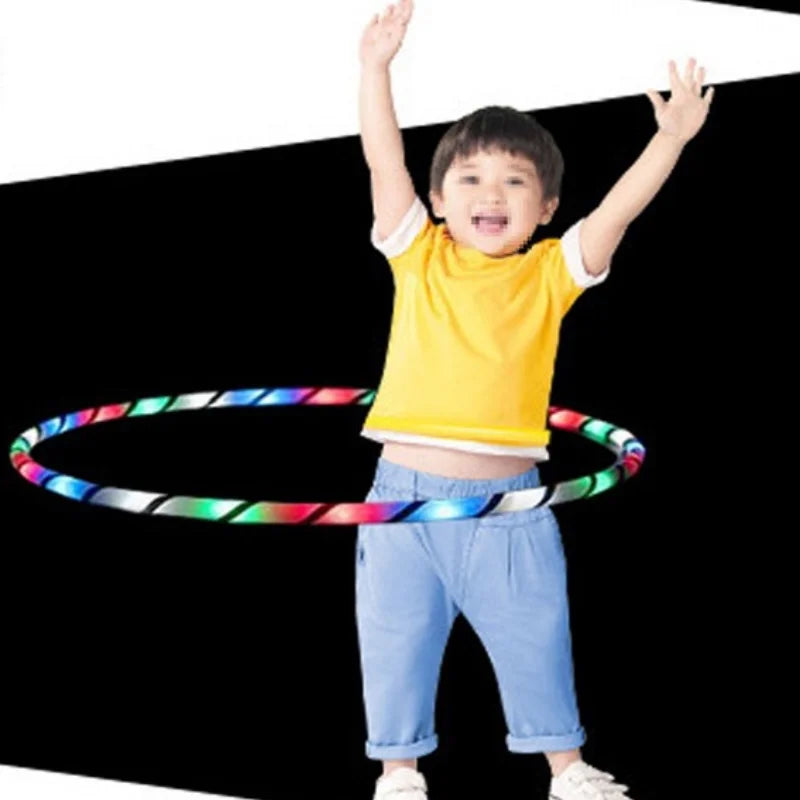
Build consistency by making movement enjoyable.
Your transformation starts with one spin and consistent practice.
The most effective fitness routine is one you can maintain for months—not just weeks. Focus on proper technique, gradual progression, and consistency. Over time, a fitness hoop workout can become an enjoyable part of a balanced exercise program that supports better cardiovascular health, stronger core muscles, and long-term fitness.
Related Articles:
- Home Workout for Beginners: Step-by-Step Routine to Kickstart Your Transformation
- How to Lose Belly Fat Fast Without Crunches Using the Right LED Hoop
- Core Strengthening Routine: The Secret to Better Balance and Faster Fat Burn
- Fat Burning Hoop Workout: 3 Mistakes That Slow Your Results (and How to Fix Them)
Pillar Articles:
- LED Weighted Hoop Workout: Real Reviews, Real Results You’ll Love
- Waist Slimming Exercises That Actually Work: What Trainers Don’t Tell You
- LED Hoop Exercise Routine That Doubles as a Mood Booster
- Fun Indoor Cardio Workout: Burn Fat While Having Fun Tonight
- 30 Day Workout Challenge for Beginners at Home: The Surprising Way to Build Consistency Fast













