

Fingertips Numb in Cold Weather: Causes, Warning Signs, and How to Prevent It
⏱ 5 min read · Fingertips numb in cold weather can turn outdoor activities or winter rides into an uncomfortable—and sometimes risky—experience. Many people notice their fingers lose sensation when temperatures drop, especially during prolonged exposure to wind, vibration, or physical effort. Understanding why fingers go numb in cold conditions and how to prevent it can help protect circulation, maintain hand coordination, and reduce the risk of cold-related injury.
Cold exposure affects circulation and nerve sensitivity in the hands. While mild numbness usually resolves quickly after warming, repeated or severe symptoms can interfere with grip strength, coordination, and comfort. The following guide explains the underlying causes, warning signs, and prevention strategies for numb fingertips in cold environments.
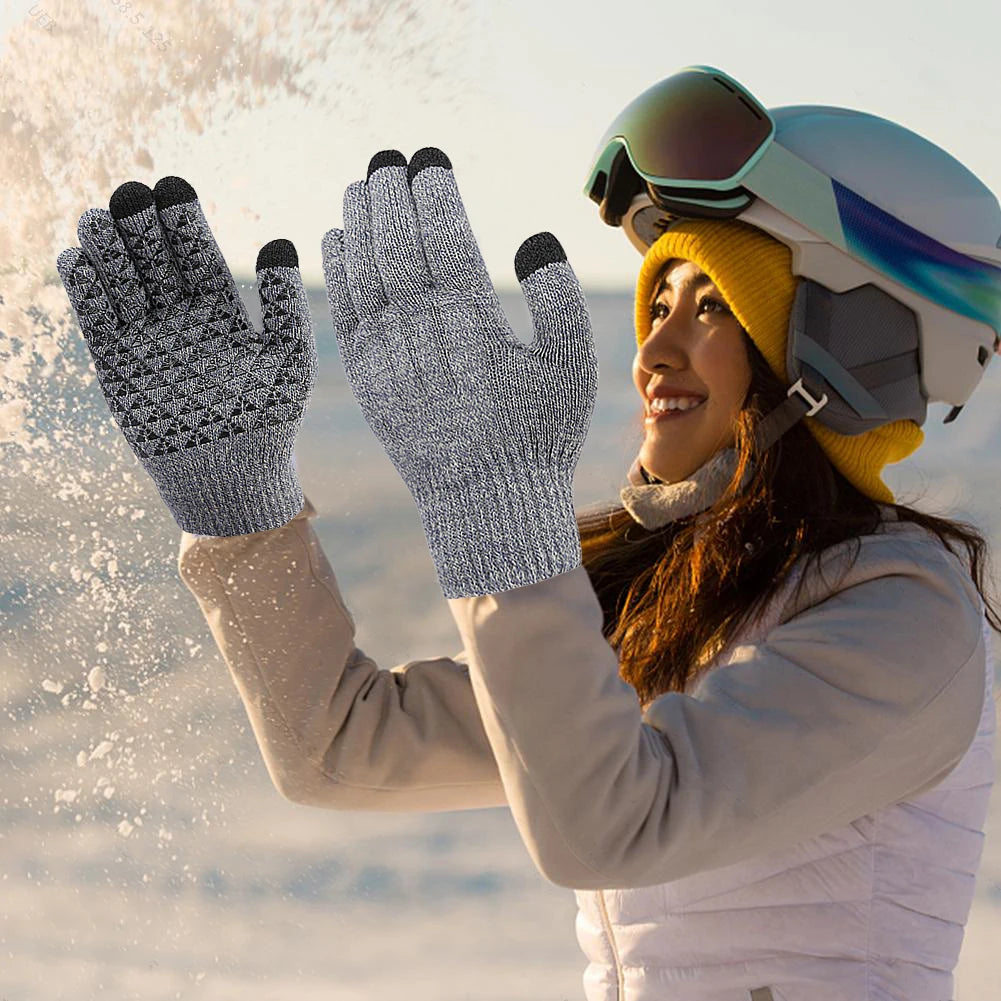
Fingertip numb when cold often begins gradually as circulation decreases during exposure.
Why Are My Fingertips Cold or Numb in Cold Weather?
Fingertips numb in cold weather primarily due to reduced blood flow, but it's important to distinguish between cold fingertips and true numbness. Cold fingers may feel stiff or uncomfortable, while numbness means reduced or lost sensation.
How Cold Temperatures Trigger Vasoconstriction
When exposed to low temperatures, the body activates vasoconstriction—narrowing blood vessels near the skin to conserve heat. This reduces circulation to extremities like fingers, leading to coldness, tingling, or numbness.
Why Fingertips Lose Heat and Sensation Quickly
Fingertips are especially vulnerable because they are far from the heart and rely on small blood vessels. With minimal insulation and high surface area, they lose heat faster than most parts of the body.
How Wind, Moisture, and Grip Pressure Worsen Symptoms
Wind chill significantly increases heat loss, especially during activities like cycling or motorcycling. Wet gloves or sweat further reduce insulation. Constant gripping—such as holding handlebars—can compress blood vessels and nerves, worsening cold fingers when cycling or winter riding.
What Causes Cold Fingertips and Numb Fingers?
While cold exposure is the most common cause, several factors can make fingertips more sensitive or prone to numbness.
Temporary Cold Exposure and Normal Cold Sensitivity
Most people experience occasional numb fingers in cold weather. This is temporary and improves once hands warm and circulation returns.
Raynaud's Phenomenon
Raynaud's causes exaggerated blood vessel spasms in response to cold or stress. Fingers may turn white, blue, then red, often accompanied by numbness or pain.
Poor Circulation and Blood Vessel Disorders
Circulatory issues can limit blood flow to the hands, making fingers feel cold even in mild conditions.
Nerve Compression or Nerve Problems
Repetitive pressure on the wrist or palm—common in cycling or tool use—can compress nerves and lead to numb fingers, especially in cold environments.
Anemia, Thyroid Disorders, Diabetes, and Medication Side Effects
Underlying conditions such as anemia (low oxygen delivery), thyroid imbalance, or diabetes can affect circulation or nerve function. Some medications may also influence blood vessel response to cold.
How Blood Circulation Keeps Your Fingers Warm
How Blood Vessels Regulate Heat Loss
Blood carries heat from the body core to the extremities. When conditions are warm, vessels expand to release heat. In cold conditions, they constrict to conserve energy.
Why Cold Reduces Blood Flow to the Fingers
During cold exposure, the body prioritizes vital organs. Blood flow to the hands decreases, which leads to cold fingertips and reduced sensation.
How Oxygen and Nerve Function Affect Sensation
Nerves depend on oxygen-rich blood to function. Reduced circulation can cause tingling, numbness, or delayed response in the fingers.
Symptoms That Can Happen Before or Alongside Numb Fingers
Tingling, Pins and Needles, and Burning
Early signs often include tingling or a “pins and needles” feeling as circulation starts to decrease.
White, Blue, or Red Color Changes
Color changes may indicate reduced or fluctuating blood flow. Pale or bluish skin can occur before numbness sets in.
Cold, Stiff, or Painful Fingers
Fingers may feel stiff or difficult to move, especially during prolonged exposure.
Symptoms That Continue After Warming
If numbness or discomfort persists after warming, it may suggest a deeper circulation or nerve issue.
Raynaud's Phenomenon vs Normal Cold Sensitivity
Key Differences in Triggers and Symptoms
- Normal cold sensitivity: mild, temporary numbness that improves quickly.
- Raynaud's: intense episodes with color changes and prolonged numbness.
Typical Color Changes and Symptom Patterns
Raynaud's often follows a white–blue–red pattern, reflecting restricted and returning blood flow.
Primary and Secondary Raynaud's Phenomenon
Primary Raynaud’s occurs independently, while secondary Raynaud’s is linked to other health conditions.
When Recurrent Episodes Need Medical Evaluation
Frequent or severe episodes should be evaluated by a healthcare provider.
Poor Circulation vs Nerve Problems: How Symptoms Differ
Signs That Suggest Reduced Blood Flow
- Cold, pale, or bluish fingers
- Symptoms affecting both hands evenly
Signs That Suggest Nerve Compression
- Numbness in specific fingers
- Tingling linked to certain positions or activities
How Cycling and Grip Pressure Can Affect Nerves
Extended handlebar grip can compress nerves in the palm or wrist, leading to numb fingers during winter riding.
Why Both Problems Can Occur Together
Cold exposure and pressure may combine, reducing blood flow while also irritating nerves.
Medical Conditions and Risk Factors Linked to Cold Fingertips
Anemia and Reduced Oxygen Delivery
Low red blood cell levels can limit oxygen delivery to tissues, increasing cold sensitivity.
Thyroid Disorders and Temperature Sensitivity
Thyroid imbalance may reduce the body’s ability to regulate temperature effectively.
Diabetes and Peripheral Nerve or Circulation Problems
Diabetes can affect both nerves and circulation, increasing the likelihood of numb fingers.
Smoking, Certain Medicines, and Other Risk Factors
Smoking constricts blood vessels, while some medications can alter circulation or nerve sensitivity.
Why Cold Numbness Can Become a Safety Risk
Reduced Grip Strength
Numb fingers reduce grip reliability, especially when holding handlebars or tools.
Loss of Hand Coordination
Fine motor control decreases, making precise movements difficult.
Delayed Feedback and Reaction Time During Cycling
Reduced sensation can delay braking or steering adjustments. If control is compromised, stopping safely is essential.
How to Prevent Numb Fingers in Cold Weather
Keep Your Core and Hands Warm
Maintaining body warmth supports blood flow to extremities.
Protect Against Wind and Moisture
Windproof and insulated gloves help retain heat. For example, USB Heated Touchscreen Gloves provide consistent warmth while maintaining dexterity.
Avoid Excessive Grip Pressure
Relaxing grip and adjusting hand position reduces nerve compression.
Take Warm-Up Breaks During Prolonged Exposure
Short breaks allow circulation to recover and prevent prolonged numbness.
How to Safely Restore Feeling When Fingers Become Numb
Move to a Warmer Environment
Get out of the cold as soon as possible.
Use Gradual Rewarming
Warm hands slowly using body heat or lukewarm water.
What to Avoid When Rewarming Numb Hands
Avoid hot water or direct heat sources, as numb skin is more vulnerable to burns.
When Symptoms Should Not Be Managed Only at Home
If numbness persists or is severe, medical evaluation may be necessary.
When Cold Fingertips Need Medical Attention
Persistent Numbness After Warming
Numbness that does not resolve may indicate circulation or nerve issues.
Repeated Episodes or Severe Color Changes
Frequent symptoms or dramatic color shifts warrant evaluation.
Pain, Sores, Weakness, or One-Sided Symptoms
These may indicate more serious conditions.
When Cold Exposure May Require Urgent Evaluation
Severe pain, blistering, or tissue changes may signal cold injury and require urgent care.
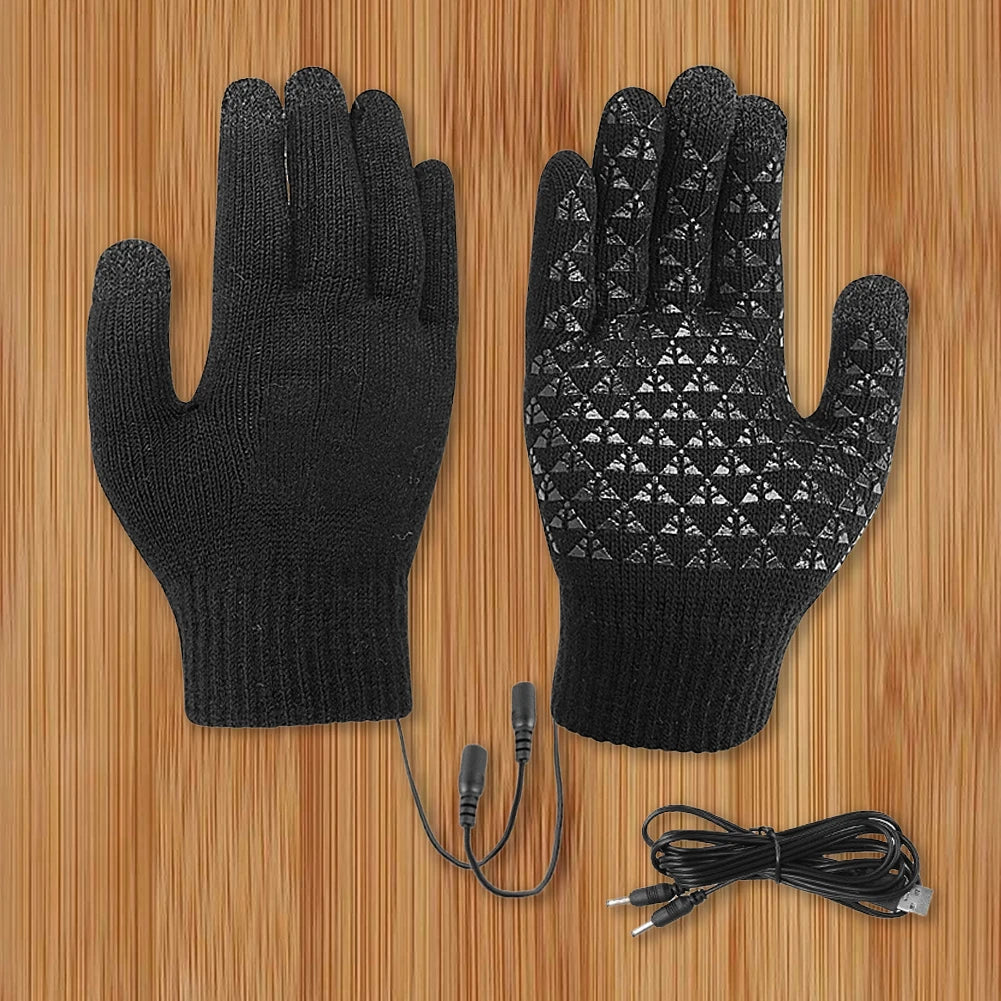
Proper protection and circulation support help maintain finger warmth in cold conditions.
Quick FAQ: Cold Fingertips and Numb Fingers
Why do my fingertips go numb in cold weather?
Cold triggers reduced blood flow to conserve heat, limiting circulation to the fingers.
Why are my fingertips cold even when the rest of my body feels warm?
The body prioritizes core temperature, reducing blood flow to extremities.
Why do my hands get numb in cold weather even with gloves?
Tight or damp gloves, wind exposure, or poor circulation can reduce effectiveness.
Why do my fingers go numb when cycling in cold weather?
Wind chill and prolonged grip pressure can reduce circulation and compress nerves.
How can I prevent numb fingers in cold weather?
Keep hands warm, avoid tight grip, and use insulated or heated gloves.
How long should cold-related finger numbness last after warming up?
Mild numbness typically improves once circulation returns, though timing varies.
When should I see a doctor about cold fingertips?
If symptoms are frequent, severe, or persistent, seek medical advice.
Related Guide: How to Keep Hands Warm While Cycling in Winter













