

Fleece Ear Warmer Headband: Best Options for Warmth & Comfort
Fleece Ear Warmer Headband: Best Options for Warmth & Comfort
If you're looking for the best ear warmer headband for winter , fleece remains one of the most reliable materials for balancing warmth, comfort, and breathability. A quality fleece ear warmer headband traps body heat, blocks cold wind, and stays lightweight enough for running, hiking, skiing, or everyday commuting.
Quick answer: The most effective ear warmer headbands combine wind-resistant fleece, moisture-wicking performance, a secure stretch fit, and enough ear coverage to reduce heat loss without feeling bulky. Choosing the right thickness depends on your activity level, expected temperatures, and whether you'll wear it beneath a helmet or winter hat.
When comparing winter ear warmers, consider these factors:
- Thermal insulation in cold and windy conditions
- Comfort during extended wear
- Stretch and stability while moving
- Breathability for active sports
- Helmet compatibility
- Ease of washing and long-term durability
Do Fleece Ear Warmer Headbands Really Protect Ears from Cold Wind?
Yes. A properly designed fleece ear warmer headband creates an insulating barrier that traps warm air around the ears while reducing direct exposure to cold wind. Because ears contain very little insulating fat, they lose heat faster than many other parts of the body, making them especially vulnerable during winter activities.
Many people notice that their ears begin aching within minutes outdoors. One reason ears hurt in cold wind is that strong wind rapidly removes heat from exposed skin. A well-fitted ear warmer for cold weather slows this heat loss while helping maintain a comfortable temperature.
Protection depends on three primary factors:
- Dense fleece that traps insulating air
- Full ear coverage without gaps
- A secure fit that prevents wind from entering around the edges
Unlike bulky earmuffs, most fleece headbands remain lightweight while still providing dependable protection for walking, running, hiking, skiing, and commuting.
Finding the right fleece ear warmer headband can mean the difference between enjoying winter and enduring painful cold exposure. Many people struggle with bulky ear coverings, slipping headbands, or products that feel warm initially but fail in strong winds. This guide compares styles, materials, performance factors, and buying considerations to help you choose a winter ear warmer that delivers dependable comfort, warmth, and long-lasting wear.
⏱ 6 min read
Have you ever stepped outside expecting a refreshing winter walk, only to feel sharp pain in your ears within minutes? Cold wind can be surprisingly harsh, especially during early morning runs, evening commutes, or outdoor workouts. The right headband winter ear warmer solves this instantly by combining insulation with a secure, lightweight fit.
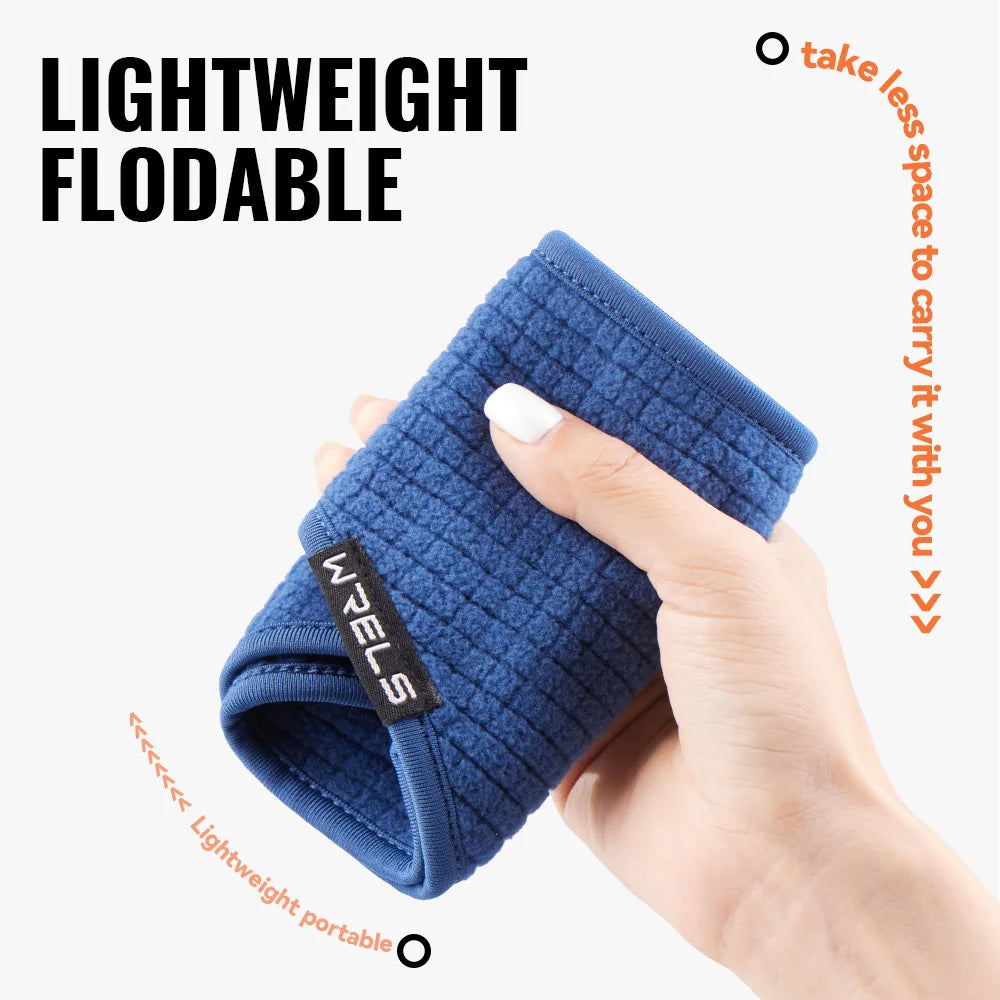
Stay cozy outdoors with a fleece ear warmer headband designed for winter ear warmers performance. See it in action.
Key Benefits of the Right Fleece Ear Warmer Headband
How They Improve Daily Winter Comfort
A comfortable ear warmer headband protects sensitive ears without the bulk of a heavy winter hat. Because the top of your head remains uncovered, excess heat can escape naturally during exercise while your ears stay insulated.
This makes a winter ear warmer headband ideal for:
- Daily commuting
- Dog walking
- Winter running
- Cycling
- Snow sports
- Outdoor work
Why Material & Fit Matter
Not all fleece headbands perform equally. Premium fleece offers excellent insulation while remaining soft against the skin. Stretch fabric helps eliminate pressure points that can cause headaches, and a balanced fit prevents constant slipping during movement.
If you frequently wear helmets for skiing or cycling, look for lower-profile designs that maintain warmth without creating uncomfortable bulk underneath protective gear.
Top Fleece Ear Warmer Headbands: 2026 Winter Picks
Quick Comparison Table: Warmth, Fit, Material, and Best Use
| Model | Warmth | Material | Fit | Best For | Price |
|---|---|---|---|---|---|
| CozyFleece Pro | High | Heavy fleece | Snug | Extreme cold, hiking, skiing | $$$ |
| ThermalWrap Classic | Medium | Thermal fleece blend | Adjustable | Daily wear and commuting | $$ |
| RunComfort Light | Low-Medium | Lightweight fleece | Stretch | Running and cycling | $ |
Individual Product Reviews with Pros and Cons
- CozyFleece Pro: Outstanding insulation and durability for freezing temperatures. Slightly thicker under close-fitting helmets.
- ThermalWrap Classic: Excellent balance between warmth, comfort, and everyday versatility. Wind protection is moderate rather than maximum.
- RunComfort Light: Breathable, lightweight, and comfortable during high-output exercise, although it's less suitable for prolonged subzero exposure.
Best Pick by Activity and Weather Condition
- Cold-weather commuting: ThermalWrap Classic
- Running and cycling: RunComfort Light
- Skiing, snowboarding, and hiking: CozyFleece Pro
- General winter use: Choose medium-weight fleece with moisture-wicking performance.
Fleece vs Knit Ear Warmers: Which Material Performs Better?
Pros and Cons of Fleece Ear Warmers
Fleece ear warmers continue to be the preferred option for people who spend extended time outdoors during winter.
- Excellent heat retention
- Soft against sensitive skin
- Better wind resistance than most knit fabrics
- Quick drying after snow or sweat exposure
- Lightweight and easy to layer
The main limitation is that extremely thin fleece provides less insulation than thicker thermal versions.
Fleece vs Knit: Warmth, Breathability, and Durability
| Feature | Fleece | Knit |
|---|---|---|
| Warmth | Excellent | Moderate |
| Wind Resistance | High | Lower |
| Moisture Management | Very Good | Fair |
| Drying Speed | Fast | Slower |
| Softness | Excellent | Good |
| Durability | High | Moderate |
For cold, windy, or damp environments, fleece generally delivers more consistent thermal performance than knit alternatives.
Materials and Features That Improve Thermal Performance
Top Materials Used in Winter Ear Warmers
Modern thermal ear warmer headbands commonly use brushed fleece, microfleece, recycled polyester fleece, or blended technical fabrics. These materials create thousands of tiny air pockets that help retain body heat while remaining lightweight.
Many premium designs also incorporate:
- Wind-resistant outer layers
- Quick-drying fibers
- Four-way stretch fabric
- Flat seams that reduce irritation
Moisture-Wicking and Breathability Explained
When you're active, sweat can reduce insulation if it remains trapped against the skin. Moisture-wicking ear warmers move perspiration away from the surface so it can evaporate more quickly. This helps maintain warmth while reducing overheating during running, hiking, cycling, or cross-country skiing.
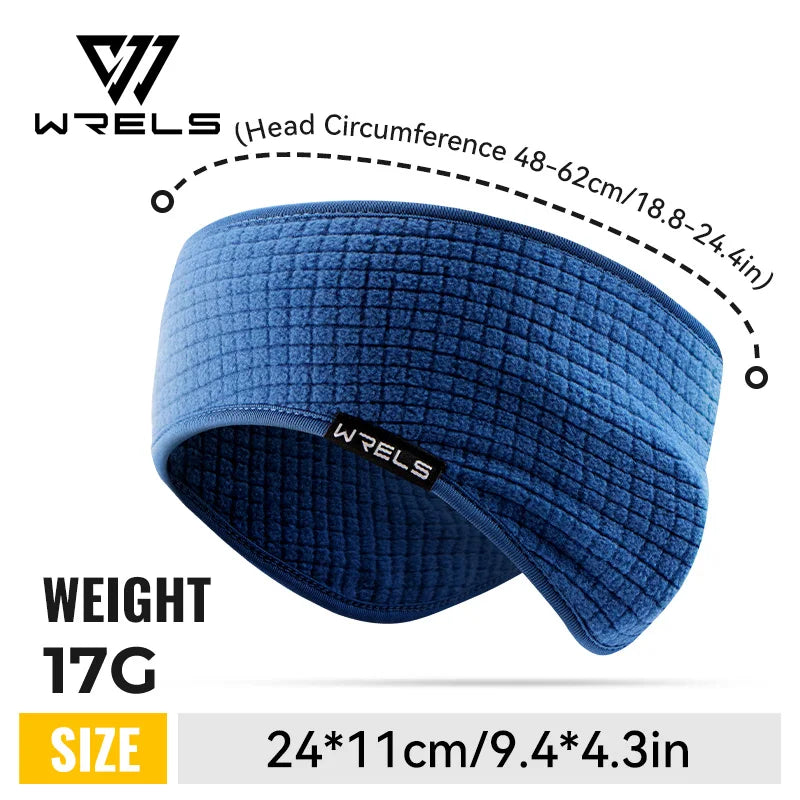
A headband winter ear warmer built for comfort and wind protection during outdoor workouts. See it in action.
Choosing the Best Fleece Ear Warmer Headband for Your Activity
Best Options for Running, Hiking, Skiing, Cycling, and Commuting
The ideal headband depends on both your activity level and the weather.
- Running: Lightweight moisture-wicking fleece.
- Cycling: Slim profile that fits comfortably beneath helmets.
- Hiking: Medium-weight fleece with reliable wind protection.
- Skiing and snowboarding: Thick thermal fleece that layers easily under helmets.
- Daily commuting: Soft fleece focused on comfort during long wear.
Temperature and Weather Suitability Guide
Light fleece:
32–50°F (0–10°C)
Medium fleece:
20–32°F (-7–0°C)
Heavy thermal fleece:
Below 20°F (-7°C)
How to Wear and Maintain Your Ear Warmers for Maximum Warmth
Proper Fit and Positioning Tips
- Center the headband directly over both ears.
- Ensure full ear coverage without excessive tightness.
- Layer beneath winter hats or helmets during severe weather.
- Adjust periodically if using hats with thick seams.
Cleaning and Care Instructions
Wash fleece using a gentle cycle with cool water and mild detergent. Air drying helps preserve elasticity and keeps fleece fibers soft for longer. Avoid excessive heat, which may reduce stretch or damage technical fabrics.
Proper care extends product lifespan and maintains thermal effectiveness. Many users also coordinate winter routines with hair care solutions from Hair Care and Styling Devices to maintain healthy hair while wearing headbands regularly.
Common Mistakes When Buying a Fleece Ear Warmer Headband
- Choosing fashion over insulation performance.
- Buying oversized headbands that slide during activity.
- Selecting thin materials for high-wind environments.
- Ignoring helmet compatibility for skiing or cycling.
- Overlooking moisture-wicking performance during exercise.
Evaluating insulation, fit, durability, and intended activity usually results in a much better long-term purchase than comparing appearance alone.
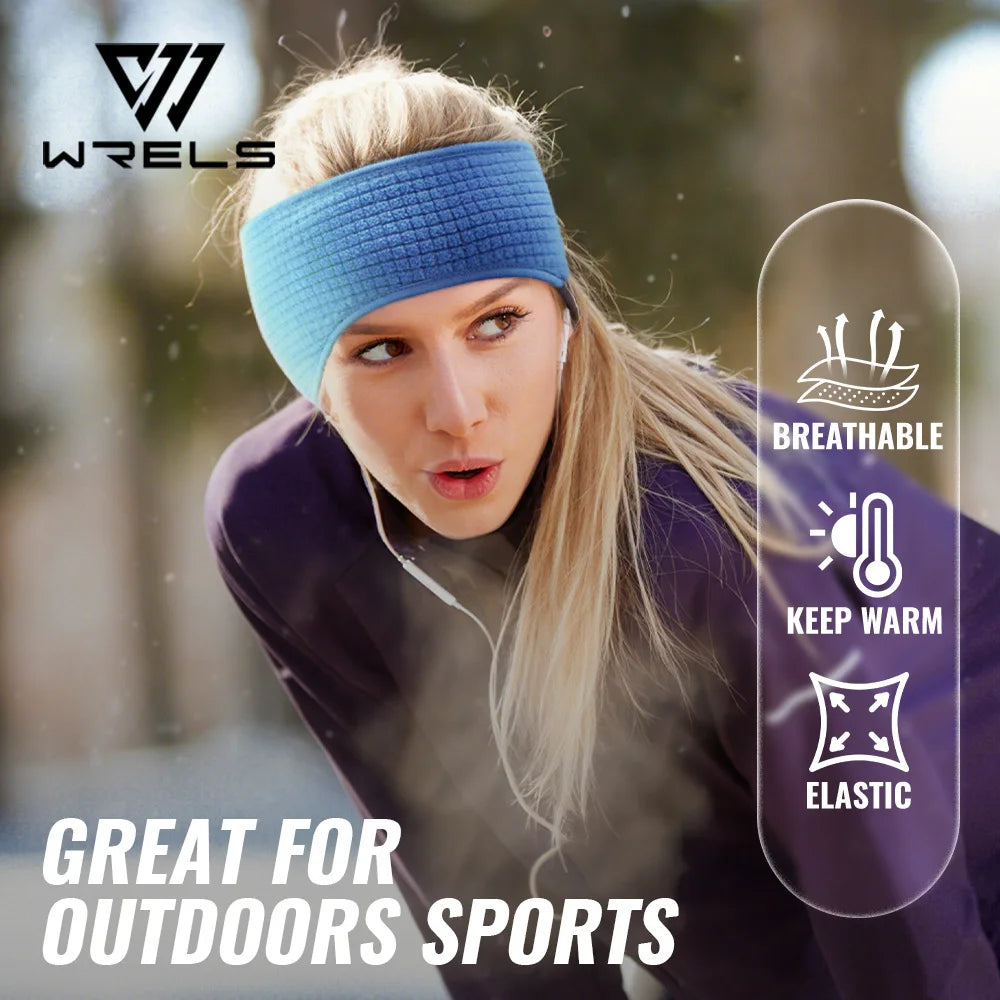
The fleece ear warmer headband trusted for cold weather ear protection and outdoor comfort. See it in action.
Explore the product directly here: fleece ear warmer headband
Frequently Asked Questions
Are fleece ear warmers warmer than knit headbands?
Generally, yes. Fleece traps warm air more effectively than most knit fabrics while providing better wind resistance, making it an excellent choice for cold, windy weather.
Can fleece ear warmer headbands be worn during intense workouts?
Yes. Moisture-wicking fleece helps manage sweat while maintaining warmth, making these headbands suitable for running, cycling, hiking, and other aerobic winter activities.
How tight should an ear warmer headband fit?
It should fit securely enough to stay in place without creating pressure around the forehead or ears. A comfortable stretch fit provides the best balance between stability and comfort.
Are fleece ear warmers suitable for extremely cold climates?
Yes. Heavyweight fleece models perform well in very cold conditions and can be layered beneath insulated hats or helmets for additional protection.
Are fleece ear warmers good for running or skiing?
Absolutely. Lightweight fleece works well for running, while thicker thermal fleece provides excellent insulation for skiing and snowboarding.
Are fleece ear warmer headbands better than hats for winter activities?
For high-output activities, many people prefer headbands because they keep the ears warm while allowing excess heat to escape from the top of the head. Hats generally provide more overall warmth during stationary activities.
What temperature are fleece ear warmers suitable for?
Lightweight fleece performs well around 32–50°F (0–10°C), medium-weight fleece suits 20–32°F (-7–0°C), and thicker thermal fleece is recommended for temperatures below 20°F (-7°C).
Do fleece ear warmers stay in place while running?
A properly sized stretch headband should remain stable during running, hiking, or cycling without constant adjustment.
Can you wear a fleece ear warmer headband under a helmet?
Yes. Slim-profile fleece headbands are specifically designed to fit comfortably beneath cycling, skiing, and snowboarding helmets.
How do you wash a fleece ear warmer headband?
Wash with cool water on a gentle cycle using mild detergent, then air dry whenever possible to preserve softness, elasticity, and thermal performance.
Related Guide: Warmest Ear Warmers Compared: Top Picks for Windy Winters













