

Do fleece ear warmers really reduce ear pain in cold weather?
Yes— fleece ear warmers can help reduce outer ear pain in cold weather by insulating the ears, blocking wind, and maintaining a more stable skin temperature. While they do not treat infections or medical conditions, they can significantly reduce discomfort caused by cold exposure and wind chill.
When ear warmers help
Ear warmers are most effective when pain develops after stepping into cold, windy weather and improves once your ears warm up. Soft fleece traps a layer of warm air around the outer ear, reducing temperature swings that can irritate sensitive nerves.
- Protects against wind chill and sudden temperature drops
- Reduces nerve irritation from cold exposure
- Helps maintain steady warmth during walks, commuting, and outdoor sports
- Provides a comfortable barrier for people with ears sensitive to cold
When ear warmers are not enough
If ear pain is severe, persists after warming up, or is accompanied by fever, drainage, swelling, hearing loss, or skin discoloration, the cause may be an infection, frostbite, or another medical condition rather than simple cold sensitivity. In these situations, protective clothing can help prevent further exposure but should not replace medical evaluation.
Fleece Ear Warmers Explained: Why Soft Layers Reduce Ear Pain
⏱ 6 min read
Cold air shouldn't feel like needles against your ears. Yet for many people, even a short walk outside can trigger burning, throbbing, or stabbing discomfort. Understanding why your ears react to the cold—and how soft insulating layers help—makes it easier to stay comfortable throughout winter without sacrificing outdoor activities.

Soft fleece ear warmers cushioning ears sensitive to cold • See it in action
Quick Symptom Assessment: Is Cold Weather the Likely Cause?
Common cold sensitivity
Your discomfort is more likely related to cold exposure if:
- Pain starts shortly after going outdoors.
- Symptoms improve within minutes of warming up.
- Both ears are affected similarly.
- Cold wind makes the pain noticeably worse.
- The skin feels cold but returns to normal color after warming.
Signs you should seek medical care
Arrange medical assessment if you notice:
- Persistent pain that does not improve after warming.
- Blisters, pale gray skin, or black discoloration.
- Drainage, swelling, fever, or increasing redness.
- Sudden hearing changes or severe dizziness.
- Pain following trauma to the ear.
Why Cold Air Hurts Your Ears So Much
How cold affects blood flow
Many people wonder, "Why do my ears hurt in the cold?" The outer ear contains very little insulating fat. When temperatures fall, blood vessels narrow to preserve body heat, temporarily reducing circulation. This natural response can make the skin and surrounding nerves much more sensitive.
Nerve sensitivity and wind exposure
Wind removes the thin layer of warm air surrounding your ears, making the skin cool even faster. For people with ears sensitive to cold , this combination of reduced blood flow and increased nerve stimulation can create burning, aching, or sharp pain even when temperatures are only moderately cold.
- Wind chill: Accelerates heat loss.
- Nerve irritation: Rapid cooling increases sensitivity.
- Reduced circulation: Makes the outer ear more vulnerable.
- Existing conditions: Frostbite , chilblains , or ear infections may worsen symptoms.
Tip: Persistent numbness, discoloration, or severe pain deserves prompt medical attention.
Common Causes of Outer Ear Pain in Cold Weather
Normal cold sensitivity
The most common cause is temporary irritation of the skin and nerves caused by low temperatures and wind exposure. Symptoms typically resolve after warming up.
Frostnip and frostbite
Frostnip is an early cold injury that usually causes temporary numbness and pale skin. Frostbite is much more serious and may cause hard skin, blistering, or permanent tissue damage if untreated.
Skin conditions and eczema
Dry winter air may aggravate eczema or sensitive skin around the ear, making cold exposure feel even more uncomfortable.
Ear infections and other conditions
If pain occurs deep inside the ear, continues indoors, or is accompanied by fever, drainage, or hearing changes, the problem may be unrelated to cold weather alone and should be evaluated by a healthcare professional.
How Do Fleece Ear Warmers Reduce Pain?
What Makes Fleece Different on Contact
Fleece creates a soft insulating barrier that reduces direct exposure to cold air without the scratchiness some people experience with wool. Its flexible fibers conform comfortably around the ear instead of creating pressure points.
How fleece helps maintain warmth
Rather than generating heat, fleece slows heat loss by trapping a layer of warm air close to the skin. This helps maintain a more consistent temperature, reducing the sudden cooling that often triggers ear pain when it's cold outside.
- Air-layer insulation: Retains warmth without excessive bulk.
- Moisture management: Helps move perspiration away from the skin.
- Wind protection: Reduces rapid cooling.
- Soft contact: Improves comfort for sensitive ears.
Fleece vs Other Materials: What Feels Better?
Choosing the right material depends on your activity level, skin sensitivity, and weather conditions.
| Material | Warmth | Breathability | Comfort for Sensitive Skin | Best Use |
|---|---|---|---|---|
| Fleece | High | High | Excellent | Daily winter wear |
| Wool | High | Moderate | May itch | Very cold climates |
| Knitted acrylic | Moderate | Moderate | Variable | Casual use |
| Hard-shell ear covers | High wind protection | Low | Can create pressure | Strong wind exposure |
For many people looking for the best ear warmers for cold weather , fleece offers one of the best balances of warmth, breathability, and softness.
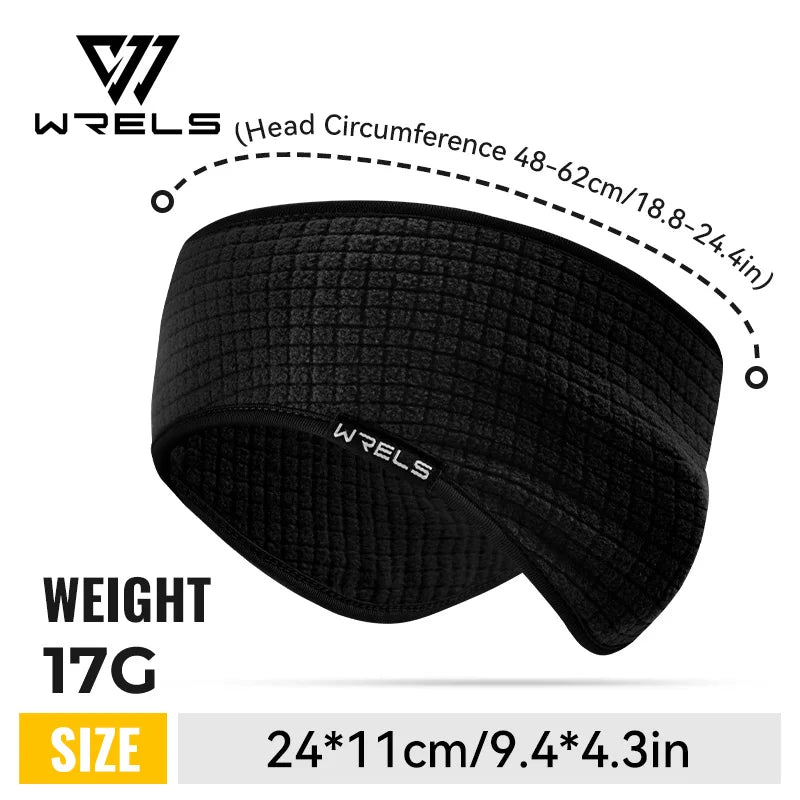
Flexible winter ear warmer adapting to movement • See it in action
Key Features That Make a Real Difference
Benefit-First Design Elements
- Soft fleece lining for comfortable skin contact.
- Wind-resistant exterior for improved protection.
- Lightweight construction suitable for extended wear.
- Helmet and hat compatibility for versatile layering.
Proper fit and coverage
A quality winter ear warmer should fully cover the outer ear while remaining snug enough to block drafts without compressing the ears. Good coverage is often more important than extra thickness.
How to Wear a Winter Ear Warmer for All-Day Relief
Before going outdoors
- Position the ear warmer to completely cover the outer ear.
- Keep ears dry before heading outside.
- Layer with a hat during especially cold or windy weather.
During prolonged cold exposure
- Adjust the fit if gaps develop.
- Use additional wind protection during skiing, cycling, or winter sports.
- Take warming breaks during extended outdoor activities.
- Replace damp ear warmers if they become wet.
How to Prevent Ear Pain in Winter
Daily prevention habits
- Wear ear protection before going outside.
- Limit prolonged exposure to freezing temperatures.
- Keep ears dry after exercise or snowfall.
- Protect against strong wind whenever possible.
- Moisturize dry skin around the ears if winter air causes irritation.
People at higher risk
Extra protection is especially important for young children, older adults, outdoor workers, runners, cyclists, and anyone with circulation problems or ears that are especially sensitive to cold.
Who Benefits Most From Fleece Ear Warmers?
Sensitive ears
- People with recurring outer ear pain in cold weather
- Individuals with sensitive skin
- Children and older adults
Outdoor workers and athletes
- Daily commuters
- Walkers, hikers, and runners
- Cyclists and winter sports enthusiasts
- Anyone regularly exposed to cold wind
For those building a comfort-focused routine, pairing ear protection with other gentle tools from the Body Care and Health Devices collection can support overall cold-weather wellbeing.
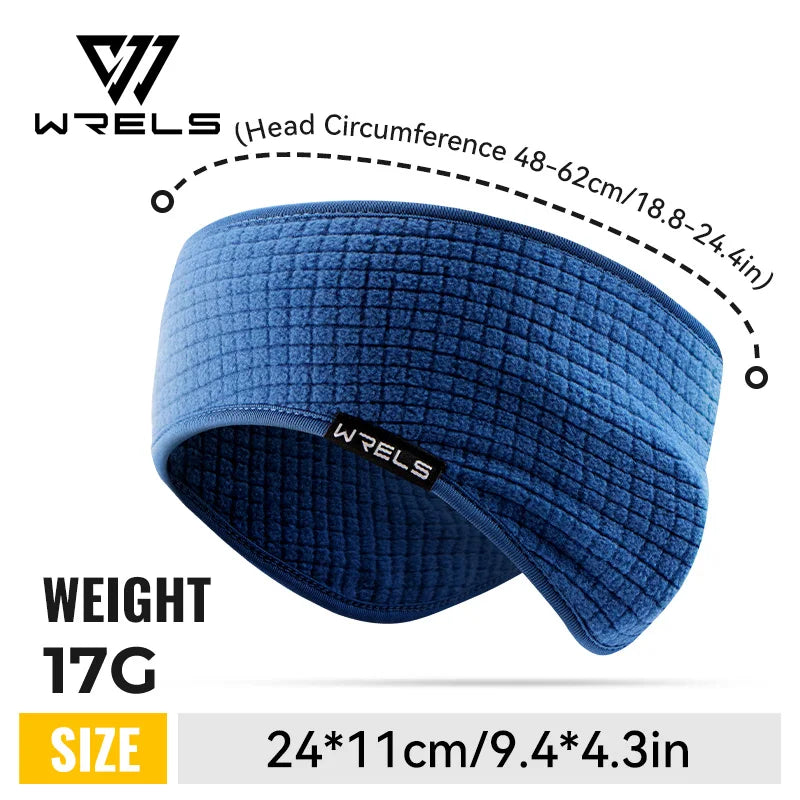
Everyday fleece ear warmers for cold weather ears • See it in action
When to See a Healthcare Provider
Urgent symptoms
Seek immediate medical care if you develop blistering, black or gray skin, severe swelling, significant hearing loss, or symptoms suggesting frostbite.
Persistent or worsening pain
Arrange a medical evaluation if ear pain continues after warming up, keeps returning despite proper protection, or occurs alongside fever, drainage, dizziness, or worsening redness.
Quick Questions, Clear Answers
Why do my ears hurt when it's cold outside?
Cold temperatures narrow blood vessels and increase nerve sensitivity. Wind can speed heat loss, making the outer ear especially vulnerable.
Can cold weather damage the outer ear?
Yes. Prolonged exposure to freezing temperatures may cause frostnip or, in severe cases, frostbite.
How can I prevent ear pain in winter?
Wear insulated ear protection before going outside, keep ears dry, layer during windy conditions, and limit prolonged exposure to extreme cold.
Do fleece ear warmers really work?
Yes. They reduce heat loss and improve comfort by creating an insulating barrier against cold air and wind, although they do not treat infections or underlying medical conditions.
Can wind alone cause outer ear pain?
Yes. Strong wind can rapidly cool the skin, increasing nerve sensitivity even when temperatures are only moderately cold.
What is the difference between frostnip and frostbite of the ear?
Frostnip is a mild, reversible cold injury. Frostbite is more severe and may damage tissue, requiring prompt medical attention.
When should I see a doctor for cold-related ear pain?
If pain persists after warming up, is accompanied by fever, drainage, hearing changes, severe swelling, or skin discoloration, seek medical evaluation.
Are soft ear warmers better for sensitive ears?
For many people, yes. Soft fleece minimizes friction while providing effective insulation, making it one of the most comfortable choices for sensitive skin.
Related Guide: Thermal Fleece Ear Warmers Headband Features That Lock In Heat













