

Does a fleece lined neck gaiter really keep you warm?
Yes. A quality fleece lined neck gaiter keeps you warm by trapping a thin layer of body-heated air around your neck while still allowing excess moisture to escape. Compared with a traditional scarf, a thermal neck gaiter provides more consistent coverage because it stays securely in place during walking, commuting, hiking, or winter sports. Warmth depends on the lining material and weather conditions: lightweight microfleece performs well in temperatures around 20–40°F, denser fleece and merino blends are suitable for roughly 0–20°F, and insulated synthetic designs paired with windproof shells offer the best protection in temperatures below 10°F.
Best Fleece Lined Neck Gaiter Reviews (2026): Warmth, Fit & Breathability Compared
Finding the best fleece lined neck gaiter is about more than blocking cold air. The right winter neck gaiter should balance insulation, breathability, comfort, and fit so you stay warm without overheating. In this review, we compare today's leading thermal neck gaiters, explain how different fleece materials perform, and highlight the features that matter most for commuting, hiking, running, cycling, and everyday winter wear.
⏱ 6 min read
Explore what actually makes a warm neck gaiter worth wearing all day.
Cold air sneaking down your collar? Windburn after a short walk? You're not alone. The neck is one of the easiest places for body heat to escape, making proper insulation surprisingly important during winter. A well-designed fleece neck warmer can close that gap while remaining comfortable enough for all-day wear. Below, you'll learn what separates an average neck gaiter from one that performs reliably in real cold-weather conditions.
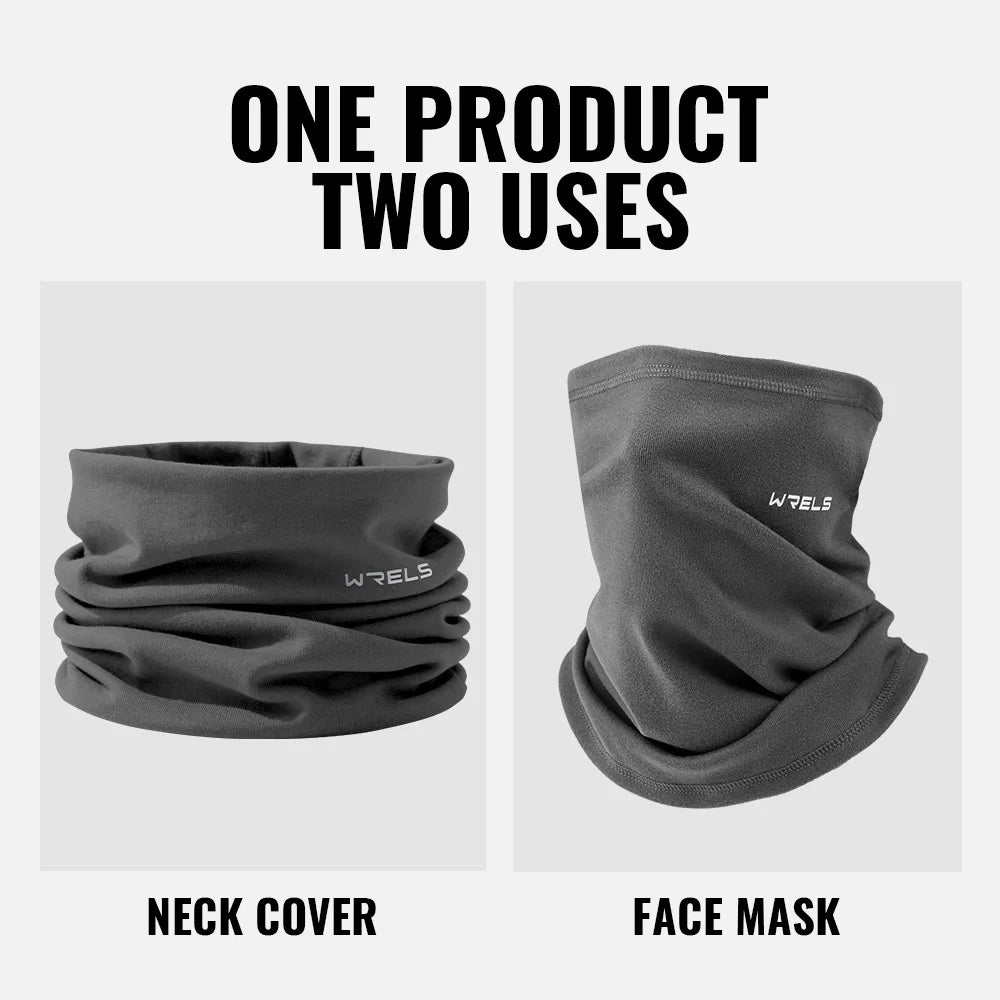
Fleece lined neck gaiter warmth in everyday winter wear — See it in action
How a Fleece Lined Neck Gaiter Traps Heat
A fleece lined neck gaiter creates a protective microclimate around your neck by trapping warm air close to the skin while allowing excess heat and moisture to escape. Instead of relying on bulk alone, the best insulated neck gaiters combine lofted fibers, stretch fabrics, and wind-resistant outer materials to deliver warmth without feeling restrictive. This balance makes them a practical choice for both everyday use and active cold-weather activities.
Microfleece vs Thick Fleece
Not every fleece performs the same. Microfleece uses fine fibers that create effective insulation while remaining lightweight and highly breathable, making it ideal for walking, running, or commuting. Thick fleece offers greater insulation for prolonged exposure to freezing temperatures but may feel warmer during higher-intensity activities. Merino wool blends provide another alternative by combining natural temperature regulation with odor resistance, though they often come at a higher price.
- Microfleece: lightweight, breathable, ideal for 20–40°F conditions.
- High-loft fleece: greater heat retention for colder weather.
- Merino blends: excellent temperature regulation with natural moisture control.
- Insulated synthetics: durable, quick-drying, and effective in harsh winter conditions.
Wind Blocking vs Heat Retention
Staying warm depends on more than insulation. Wind can quickly strip away trapped body heat, which is why many premium winter neck gaiters pair a soft fleece lining with a wind-resistant exterior. This combination minimizes heat loss while maintaining enough airflow to prevent overheating during movement.
Features that improve cold-weather performance include:
- Layered construction with a soft fleece lining and protective outer shell.
- High-loft fibers that trap insulating air without unnecessary bulk.
- Wind-blocking panels positioned where cold exposure is greatest.
- Stretchy openings that create a secure seal without putting pressure on the neck.
- Moisture-managing fabrics that reduce dampness during extended wear.
Compared with a traditional scarf, a thermal neck gaiter provides more even coverage, stays securely in place, and eliminates gaps that allow cold air to enter. The result is reliable warmth with less adjustment throughout the day.
Fit and Comfort During All-Day Wear
Neck gaiter fit and comfort have a direct impact on warmth and wearability. Even premium insulation performs poorly if cold air leaks through gaps or if the gaiter feels tight enough to become distracting. The ideal winter neck gaiter fits snugly around the neck without restricting breathing, bunching beneath a jacket collar, or sliding during movement.
Quick Fit Checklist
- Stretches comfortably over the head without excessive force.
- Returns to its original shape after repeated use.
- Flat or low-profile seams prevent rubbing against sensitive skin.
- Comfortable enough for 6–8 hours of continuous wear.
- Uses a size chart or stretch range appropriate for your neck circumference.
- Accommodates hats, helmets, and layered winter clothing.
Stretch, Seams, and Coverage
A quality fleece neck warmer combines four-way stretch with soft interior fabrics that move naturally as you turn your head or zip your jacket. Look for reinforced stitching, smooth seam placement, and enough vertical coverage to protect both the neck and lower face when temperatures drop. These features reduce pressure points while helping the gaiter maintain its shape after repeated washing.
Helmet & Layer Compatibility
If you ski, cycle, or commute by bike, choose a low-bulk design that fits comfortably beneath helmets without creating folds. For everyday wear, the gaiter should layer easily under coats, insulated jackets, and parkas while maintaining a secure seal against cold air.
Many users pair their winter accessories with items from the Lifestyle collection to keep daily routines comfortable and cohesive.
Breathability and Moisture Control
One of the most common questions buyers ask is, "Is a fleece neck gaiter breathable?" The answer depends on the fabric construction. High-quality thermal neck gaiters are designed to retain warmth while allowing moisture vapor to escape, preventing the damp, clammy feeling that develops during walking, hiking, or other moderate activity.
Is Fleece Breathable?
Modern microfleece contains thousands of tiny air pockets that insulate against the cold without completely blocking airflow. Compared with dense synthetic fabrics, quality fleece provides a better balance between warmth and ventilation, making it suitable for both stationary use and active winter pursuits.
Moisture Wicking vs Sweat Buildup
During exercise or brisk walking, warm breath and perspiration can accumulate inside neckwear. Breathable fleece helps move moisture away from the skin so it evaporates more quickly, improving long-term comfort and reducing chilling once activity slows.
- Layers comfortably under jackets and shells without trapping excess sweat.
- Helps reduce lens fogging for glasses and ski goggles by improving airflow.
- Microfleece generally wicks moisture better than heavy non-breathable fabrics.
- Keeps the neck drier during moderate physical activity and everyday commuting.
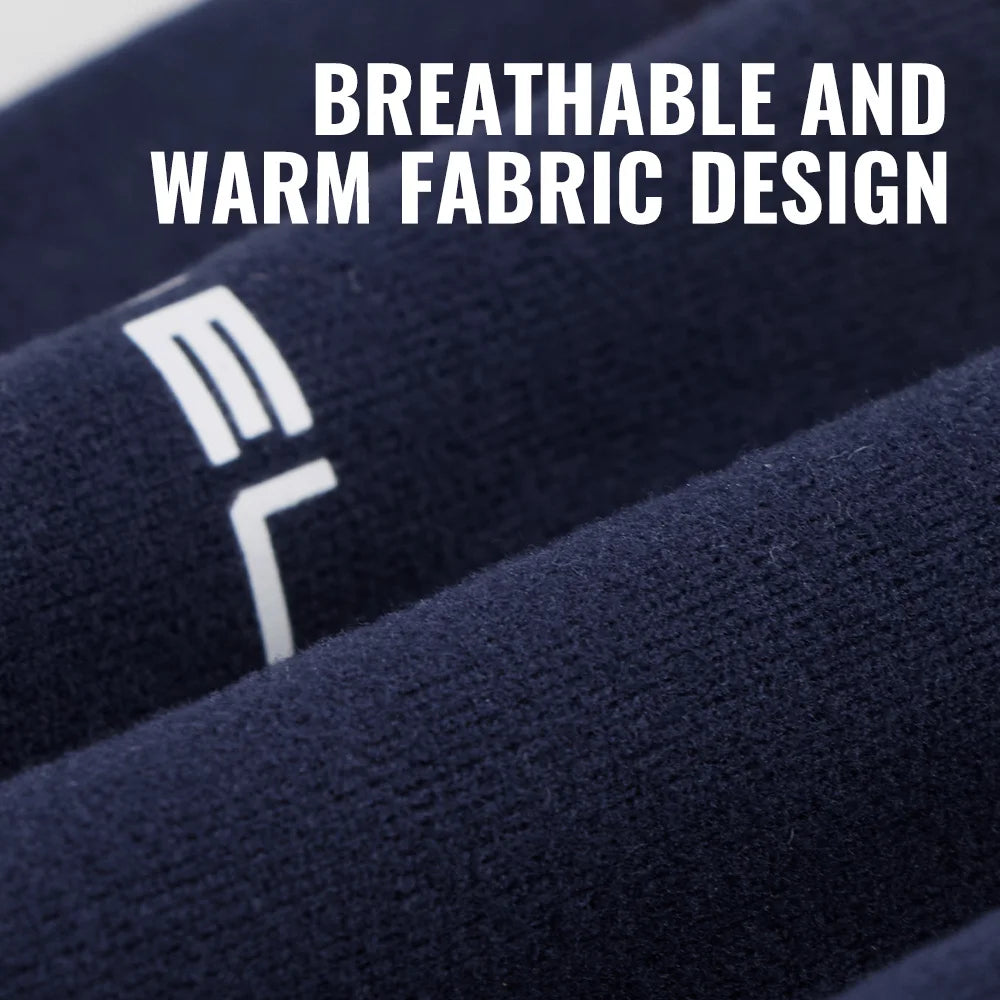
Thermal neck gaiter breathability during active use — See it in action
Side-by-Side Comparison: What to Look For
Comparing materials and construction makes it easier to identify the best fleece neck gaiter for your climate and activity level. Rather than focusing on thickness alone, evaluate warmth, breathability, durability, and overall comfort together.
Material Types Explained
| Material | Warmth | Breathability | Best For |
|---|---|---|---|
| Microfleece | High | High | Daily wear, commuting, running |
| Merino Blend | High | Medium to High | Hiking, travel, odor control |
| Heavy Fleece | Very High | Medium | Very cold weather |
Warmth vs Breathability Trade-Off
| Feature | Basic Neck Cover | Fleece Lined Neck Gaiter |
|---|---|---|
| Warmth retention | Low to moderate | High and consistent |
| Breathability | Often limited | Balanced airflow |
| Comfort over time | Can irritate skin | Soft, skin-friendly fleece |
| Stability | Shifts during wear | Stays securely in place |
| Wind resistance | Varies widely | Typically better with layered construction |
Durability Indicators
Long-lasting insulated neck gaiters typically feature reinforced stitching, resilient stretch fibers, anti-pilling fleece, and fabrics that retain their shape after repeated washing. Investing in these construction details often results in better comfort and more reliable cold-weather performance over multiple winter seasons.
Best Fleece Lined Neck Gaiters of 2026
The products below stand out for different reasons rather than one universal "best" choice. Your ideal thermal neck gaiter depends on temperature, activity level, and whether you prioritize maximum warmth, breathability, or everyday versatility. The comparison earlier in this guide can help match material type with your intended use.
Detailed Reviews
| Product | Material | Warmth Rating | Breathability | Price | Pros / Cons | Ideal Use |
|---|---|---|---|---|---|---|
| KentDO Fleece Lined Gaiter | Microfleece + Windproof Shell | 0–20°F | High | $$ | Excellent warmth-to-weight ratio, soft lining, durable construction / Limited color options | Commuting, winter sports, everyday outdoor use |
| Merino Blend Thermal Gaiter | Merino wool + polyester | 15–30°F | Medium | $$$ | Natural odor resistance, temperature regulation / Slightly bulkier and higher cost | Hiking, cycling, winter travel |
| Lightweight Fleece Tube | Polyester fleece | 25–40°F | High | $ | Very breathable, lightweight, affordable / Reduced wind protection in exposed conditions | Layering, casual wear, cool-weather activities |
Pros and Cons
The KentDO Fleece Lined Gaiter offers one of the best overall balances of insulation, comfort, and wind protection for daily winter use. Its microfleece lining remains comfortable during extended wear while the outer shell helps reduce heat loss in windy conditions.
Merino wool options excel during multi-day trips thanks to their natural odor resistance and temperature regulation, although they generally cost more. Lightweight fleece tubes are ideal for milder weather or high-output activities where ventilation is more important than maximum insulation.
Best Use Cases
- Best overall: KentDO Fleece Lined Gaiter for balanced warmth, comfort, and value.
- Best for extreme cold: Windproof microfleece designs with insulated outer layers.
- Best for hiking and cycling: Merino blend gaiters that manage moisture and odor.
- Best budget option: Lightweight fleece tubes for cool weather and layering.
Who Benefits Most From an Insulated Neck Gaiter
An insulated neck gaiter is a practical choice for anyone regularly exposed to cold air, changing weather, or wind chill. Because it seals warmth around the neck without the bulk of a scarf, it works well across a wide range of winter activities.
- Daily commuters who spend time walking between public transport, offices, or parking areas.
- Hikers and outdoor enthusiasts needing lightweight insulation that stays secure during movement.
- Runners and cyclists looking for breathable protection against cold morning air.
- People sensitive to cold temperatures who want to reduce neck and lower-face exposure.
- Anyone building a layered winter wardrobe for changing conditions throughout the day.
For wellness-focused routines, readers often explore complementary comfort tools in the Body Care and Health Devices collection.
What Real Users Notice After a Week
After several days of regular use, comfort becomes more important than first impressions. Users typically notice whether the gaiter maintains its shape, controls moisture effectively, and remains comfortable during long periods of wear.
Comfort Over Time
- Morning commuters: "Stayed warm even during strong wind gusts and didn't require constant readjustment like a scarf."
- Hikers: "Lightweight enough for uphill climbs while still providing reliable warmth during rest stops."
- Casual users: "The soft fleece lining stayed comfortable beneath jackets throughout the day."
Odor and Moisture Issues
Most high-quality fleece neck warmers dry quickly after moderate activity. Users generally report that breathable fabrics help minimize dampness from breathing or perspiration, although heavier insulated models naturally retain more heat during intense exercise.
Fit Retention
Long-term satisfaction often depends on elasticity. Well-made fleece lined neck gaiters continue to fit securely after repeated washing, while lower-quality fabrics may loosen, pill, or lose their original shape over time. Durable stitching and resilient stretch fibers are consistently mentioned as indicators of better long-term value.
Care, Durability, and Long-Term Value
A quality fleece neck warmer should provide reliable performance for multiple winter seasons with proper care. Material quality, stitching, and washing habits all influence how well a thermal neck gaiter retains its insulation, stretch, and soft feel over time.
Washing and Maintenance
Most fleece lined neck gaiters can be machine washed on a gentle cycle using cold water and mild detergent. Avoid fabric softeners, which can reduce moisture-wicking performance, and allow the gaiter to air dry whenever possible to preserve elasticity and the loft of the fleece.
- Wash with similar soft fabrics to reduce abrasion.
- Use cold water and a gentle cycle.
- Air dry or tumble dry on low heat if recommended by the manufacturer.
- Avoid bleach and high heat, which can damage synthetic fibers.
Preventing Pilling
Pilling occurs when loose fibers rub together over time. Choosing higher-quality fleece, turning the garment inside out before washing, and avoiding rough fabrics such as hook-and-loop fasteners can help maintain a smooth interior and clean appearance.
- Retains insulating performance after repeated washing.
- Maintains stretch without sagging around the neck.
- Keeps the fleece lining soft and comfortable against the skin.
When to Replace
Even durable winter neck gaiters eventually wear out. Consider replacing yours if the fabric loses elasticity, develops thin spots, no longer blocks cold air effectively, or the fleece becomes permanently compressed. A well-maintained gaiter, however, can provide dependable comfort through many seasons of regular use.
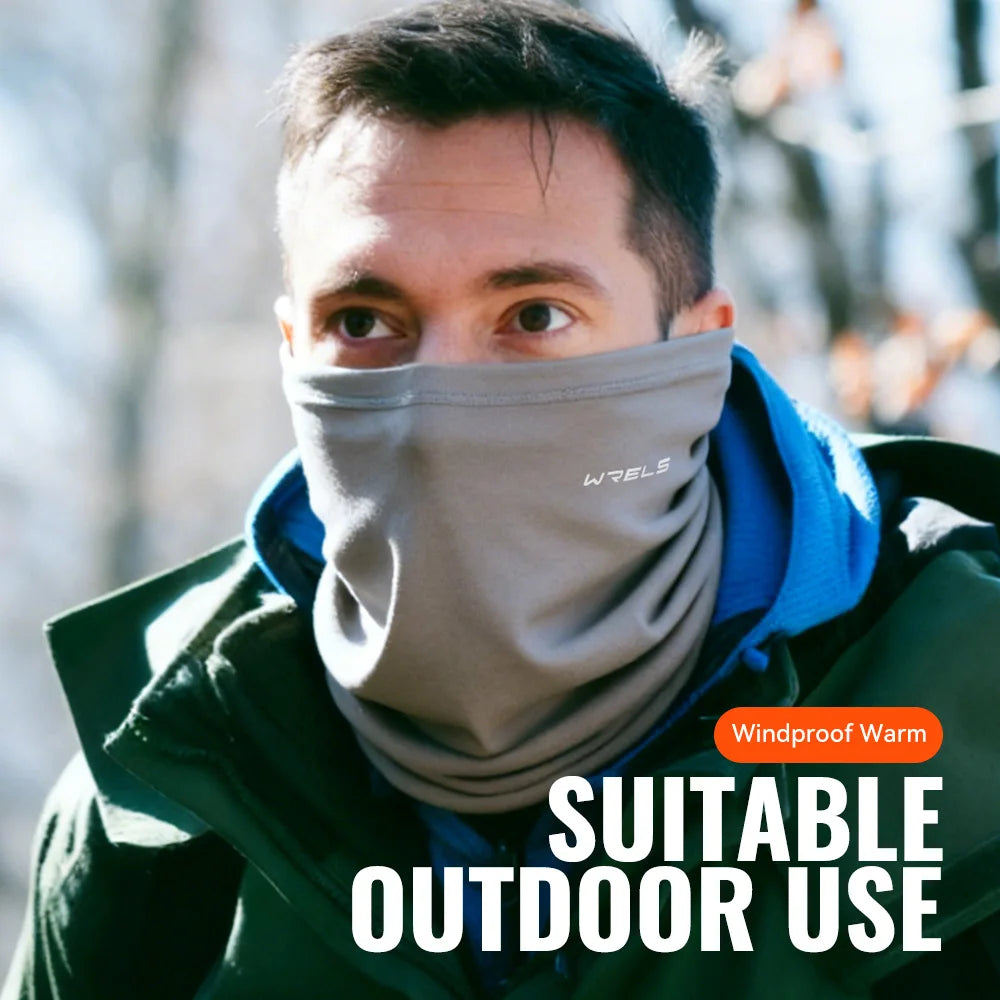
Insulated neck gaiter durability for daily winter use — See it in action
Quick FAQ
Is a fleece lined neck gaiter better than a scarf?
For most winter activities, yes. A fleece lined neck gaiter stays securely in place, seals warmth around the neck more consistently, and eliminates the bulk and constant adjustment that traditional scarves often require.
Can a thermal neck gaiter be worn all day?
Yes. Breathable thermal neck gaiters made from quality microfleece or merino blends are designed for extended wear. They help regulate temperature and moisture, making them comfortable for commuting, work, hiking, and travel.
Does one size fit most people?
Many winter neck gaiters use stretch fabrics that comfortably fit a wide range of neck sizes. Checking the manufacturer's sizing information is still recommended, especially if you plan to wear the gaiter over the lower face or beneath a helmet.
How warm is a fleece neck gaiter?
Warmth depends on the material and construction. Lightweight microfleece is generally suitable for temperatures around 20–40°F, while thicker fleece, merino blends, and insulated windproof models provide greater protection in colder conditions approaching 0–20°F or below.
Is fleece neck gaiter breathable?
Yes. High-quality fleece is naturally breathable and moisture wicking, helping reduce sweat buildup and overheating while retaining warmth. Performance improves further when paired with wind-resistant outer fabrics designed for active winter use.
What is the warmest material for a neck gaiter?
High-loft fleece, merino wool blends, and insulated synthetic fabrics paired with windproof outer layers provide the greatest warmth. The best choice depends on your climate and activity level.
Can you wear a fleece neck gaiter while exercising?
Yes. Breathable fleece neck gaiters work well for running, hiking, cycling, and other cold-weather activities because they balance insulation with moisture management.
How do you stop a neck gaiter from fogging glasses?
Position the top edge just below the bridge of your nose, ensure the gaiter fits snugly around your cheeks, and choose a breathable design that directs warm air downward instead of toward your lenses.
Are fleece neck gaiters good for extreme cold?
Yes, especially models with windproof outer layers and thicker fleece or insulated construction. For prolonged exposure to sub-freezing temperatures, pair the gaiter with appropriate layered winter clothing.
How tight should a neck gaiter fit?
A neck gaiter should fit closely enough to seal out cold air without restricting breathing or creating pressure around the throat. It should remain comfortably in place during movement while allowing a full range of motion.
For additional cold-weather layering advice, see How to Stay Warm Outdoors , Best Windproof Neck Gaiter , Layering for Cold Weather , and Best Thermal Wear Guide .
Related Guide: Best Fleece Neck Gaiter Winter: Top Picks Compared













