

Do neck warmers actually keep you warm?
Yes, neck warmers can effectively help keep you warm by reducing heat loss around the neck, blocking cold wind, and trapping a layer of insulating air close to your skin. They are especially useful in cold, windy conditions where exposed skin loses heat quickly.
However, neck warmers do not generate heat on their own. Their performance depends on several factors, including the material, thickness, fit, breathability, and how well they work with other winter clothing layers.
A properly fitted fleece neck warmer can make cold weather feel significantly more comfortable by protecting a key heat-loss area without the bulk of a traditional scarf.
Do Neck Warmers Keep You Warm? Science, Benefits & Best Materials Explained
Cold wind around your neck can quickly reduce comfort and make winter temperatures feel harsher. ⏱ 7 min read. Modern neck warmers provide a lightweight way to improve cold-weather protection by trapping warmth, reducing wind exposure, and supporting comfortable outdoor movement.
Explore how insulation, fabric choice, and fit determine how effective a neck warmer can be.
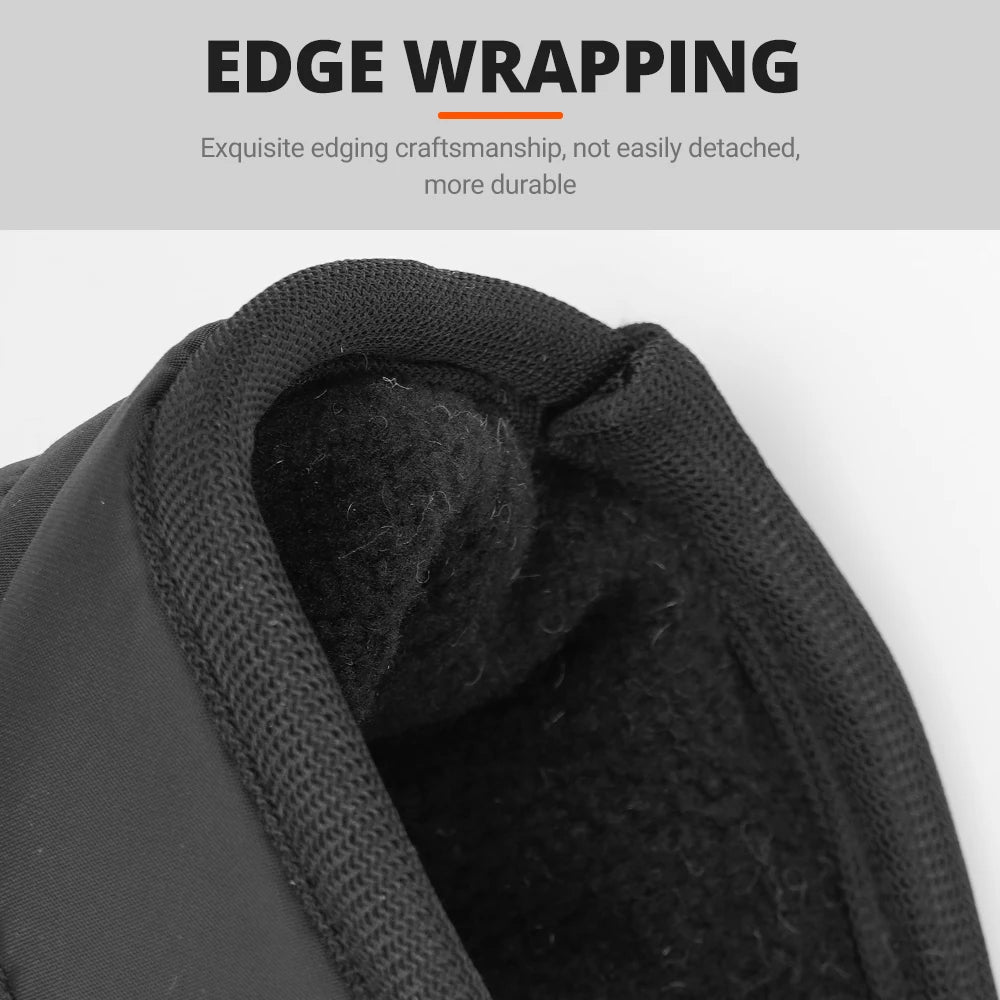
Fleece neck warmers for winter neck protection See it in action
How neck warmers work (the science of heat retention)
Why the neck loses heat quickly
The neck is one of the body’s most exposed areas and plays an important role in temperature comfort. When uncovered, cold air and wind can quickly cool the skin and increase the sensation of heat loss.
Because the neck often has less insulation from clothing compared with the torso, protecting it can make a noticeable difference during cold-weather activities.
How insulation traps warm air
Neck warmers work by creating an insulating barrier between your skin and the surrounding environment. Fabrics such as fleece contain soft fibers that trap small pockets of warm air, slowing down heat transfer.
A close-fitting design helps maintain this warm air layer while preventing cold drafts from entering around the collar area.
Wind chill, convection and moisture management
Wind increases heat loss by removing the layer of warm air naturally surrounding your skin. This process, known as convection, makes cold temperatures feel even colder.
A neck warmer reduces this effect by blocking airflow and maintaining insulation. Breathable materials also help manage moisture from sweat, which is important during activities like skiing, cycling, and hiking.
Benefits of neck warmers in cold weather
Improve thermal comfort
One of the main benefits of neck warmers is improved comfort in winter conditions. By adding insulation around the neck, they help reduce the unpleasant feeling of cold air exposure.
Winter neck warmers are particularly useful when moving between indoor and outdoor environments because they provide an easy extra layer of warmth.
Reduce wind exposure
Cold wind can enter through gaps around jackets and collars, making outdoor activities uncomfortable. A neck warmer creates a protective seal that helps block drafts and reduces direct exposure to icy air.
Support overall body warmth
A neck warmer does not increase your body temperature, but reducing heat loss around the neck can improve overall thermal comfort. When combined with proper layering, it helps your clothing system work more efficiently.
Best materials for neck warmers: fleece vs knitted vs wool
Fleece neck warmers
Fleece neck warmers are popular because they provide excellent warmth without adding much weight. They offer good insulation, dry quickly, and are effective for active outdoor use.
- Advantages: Lightweight, warm, breathable, quick-drying
- Limitations: May feel too warm during intense activity in mild weather
Knitted neck warmers
A knitted neck warmer provides a soft feel and classic winter style. However, the open structure of knitted fabrics can allow more airflow compared with fleece, reducing wind resistance.
- Advantages: Comfortable, stylish, suitable for casual wear
- Limitations: Less effective against strong wind
Merino wool and synthetic options
Merino wool is valued for natural insulation, moisture management, and odor resistance. It is a strong option for cold-weather adventures but may require more careful maintenance.
Synthetic blends can provide a durable balance of warmth, flexibility, and easy care for everyday winter use.
Best material by activity
- High activity: Fleece or synthetic blends for warmth and breathability
- Extreme cold: Thick fleece or merino wool for maximum insulation
- Casual wear: Knitted neck warmers for comfort and style
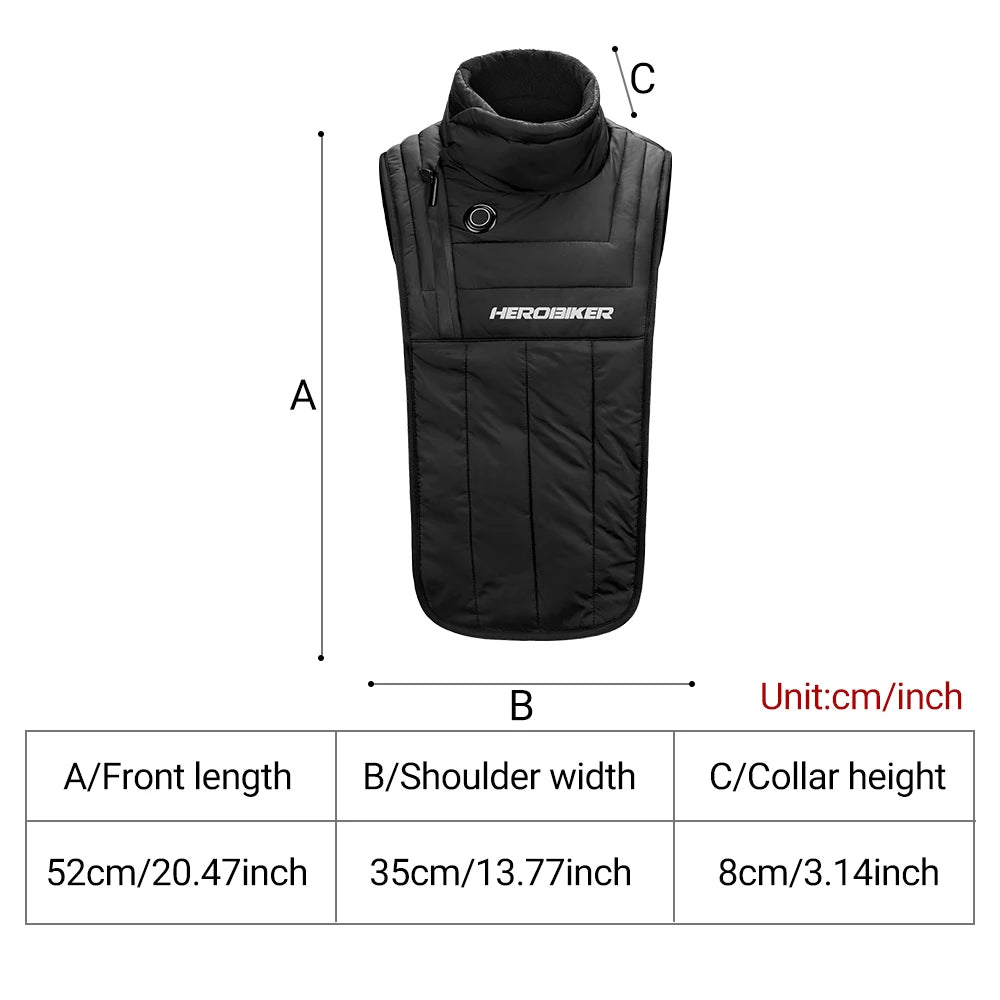
Knitted neck warmer alternatives vs fleece performance See it in action
Neck warmers vs scarves vs balaclavas
Coverage comparison
Scarves provide flexible coverage but may shift during movement. Neck warmers offer focused protection around the neck, while balaclavas provide wider coverage across the head, neck, and face.
Warmth efficiency
Neck warmers are often more efficient than scarves for active situations because they stay in place and maintain consistent insulation. Balaclavas provide greater coverage but may feel warmer and less flexible.
Best use scenarios
- Neck warmers: Outdoor activities, commuting, sports, and daily winter use
- Scarves: Casual settings with limited movement
- Balaclavas: Extreme cold and high-wind environments
What makes a neck warmer effective?
Fit and seal
A proper fit is essential for warmth. A neck warmer that sits comfortably against the skin helps prevent cold air from entering while keeping trapped heat close to the body.
Thickness and layering
Fabric thickness affects insulation, but thicker is not always better. The ideal choice depends on activity level, weather conditions, and whether the neck warmer is being worn with other winter layers.
Breathability vs insulation
The most effective neck warmers balance warmth with airflow. Breathable fabrics help prevent overheating and moisture buildup while still providing protection from cold temperatures.
When neck warmers work best
Winter commuting
Neck warmers are useful for walking, cycling, and motorbike commuting because they reduce wind exposure around the collar area and improve comfort during cold mornings.
Skiing, hiking and cycling
Outdoor sports require protection that allows movement. A lightweight neck warmer provides insulation without the restriction of bulkier accessories.
Extreme cold and windy weather
In severe winter conditions, neck warmers work best as part of a complete cold-weather system that includes insulated jackets, thermal layers, gloves, and head protection.
How to wear a neck warmer for maximum warmth
Correct positioning
Position the neck warmer so it fully covers exposed skin and overlaps slightly with your jacket collar. This helps prevent cold air from entering through gaps.
Layer with jackets and base layers
For colder conditions, tuck the neck warmer inside your jacket instead of wearing it loosely outside. This creates a better seal and improves heat retention.
Mistakes that reduce warmth
- Wearing a neck warmer that is too loose
- Leaving gaps between the collar and neck warmer
- Choosing lightweight fabrics for extreme cold
Care and maintenance
Washing by material
Fleece neck warmers are usually easy to maintain and can often be machine washed on gentle settings. Wool materials may require more delicate care to protect their fibers.
Maintaining insulation
Follow care instructions, avoid excessive heat when drying, and store the neck warmer properly to help maintain softness, shape, and insulation performance.
When to replace
Replace a neck warmer when the fabric becomes heavily worn, loses elasticity, or no longer provides reliable warmth and wind protection.
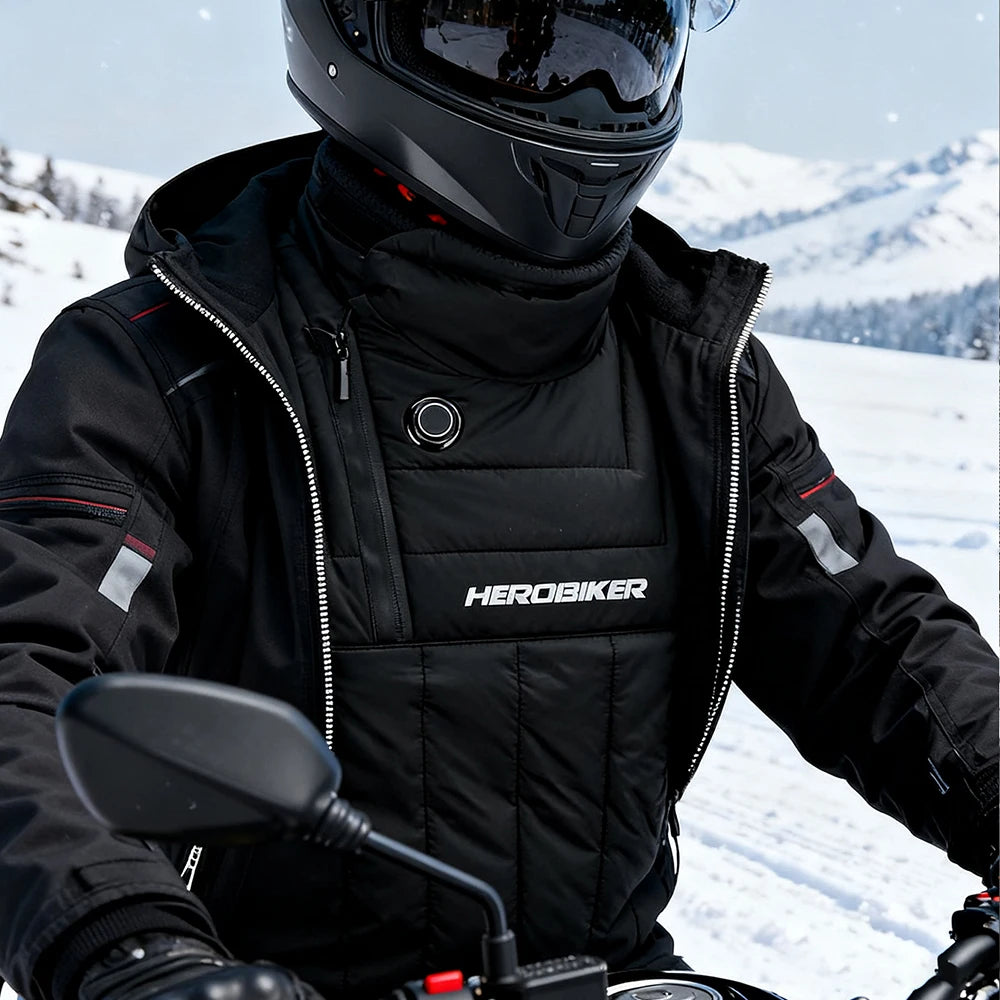
Winter neck warmers designed for lasting comfort See it in action
Are neck warmers worth it? Final verdict
Neck warmers are a simple and effective way to improve winter comfort by reducing heat loss, blocking wind, and adding lightweight insulation.
They are especially worthwhile for commuters, outdoor enthusiasts, and anyone spending extended time outside in cold conditions. For extreme weather, they work best alongside a complete winter layering system. When maximum face coverage is needed, alternatives such as balaclavas may be a better choice.
Frequently asked questions
Are neck warmers effective in extreme cold?
Yes. Fleece and wool neck warmers can provide effective insulation in extreme cold when combined with proper winter clothing layers.
Are neck warmers better than scarves?
For active use, neck warmers are often better because they stay in place, provide consistent coverage, and reduce heat loss caused by gaps.
What is the warmest neck warmer material?
Thick fleece and merino wool are among the warmest options. Fleece offers lightweight insulation, while wool provides natural warmth and moisture management.
Can you exercise while wearing a neck warmer?
Yes. Breathable neck warmers are commonly worn during running, cycling, hiking, and skiing because they balance warmth with moisture control.
Related Guide: Best Neck Protection Winter: Features That Keep You Warm













