

Does a fleece winter headband really keep ears warm in cold weather?
A quality fleece winter headband keeps ears warm in cold weather by creating an insulating layer that traps body heat while blocking chilly wind from reaching sensitive skin. Unlike bulky hats that can overheat your head or shift during activity, a well-designed winter ear warmer focuses protection where heat loss happens fastest. Breathable thermal fleece also wicks away moisture, helping maintain warmth during long walks, winter commutes, hiking, running, and other outdoor activities. For most people, it's one of the best winter headband options for staying comfortable for hours without pressure or itch.
Fleece Winter Headband Review: Comfort After Hours Outdoors
This review examines how a fleece winter headband performs after extended outdoor wear—when ears hurt in cold wind and cold weather ears ache the most. You'll learn how insulation, breathability, fit, wind protection, and long-term comfort compare with other winter ear protection options, making it easier to decide whether it's the right addition to your cold-weather gear.
⏱ 7 min read
Ever start a winter walk feeling fine, only to turn back early because your ears sting from the cold? That sharp ache—when cold weather ears hurt and wind cuts through—can ruin outdoor time fast. A low-profile winter ear warmer offers targeted insulation without the bulk, sweat, or pressure headaches that some winter hats create.

Soft coverage where it matters most—no bulk, no itch. See it in action.
Why Do Ears Hurt in Cold Wind?
Ears have thin skin, little insulating fat, and relatively limited blood flow compared with many other parts of the body. When cold wind strips away heat, nerve endings respond quickly, leading to pain, numbness, or burning sensations after only a short period outdoors.
Wind chill makes the problem worse because moving air removes warmth faster than still air. Sweat or melting snow can also accelerate heat loss, making proper outdoor winter ear protection especially important during active pursuits.
How Winter Ear Warmers Work: Materials, Insulation & Wind Protection
The best winter headband combines insulation, wind protection, breathability, and a secure fit. Rather than simply adding thickness, it creates a comfortable thermal barrier that keeps ears warm without trapping excessive heat.
Fleece vs Merino Wool vs Synthetic Thermal Fabrics
- Fleece: Lightweight, soft, quick-drying, breathable, and excellent for everyday winter use.
- Merino wool: Naturally regulates temperature and resists odors but often costs more and may require gentler washing.
- Synthetic thermal blends: Typically prioritize stretch and moisture management, making them popular for high-output activities.
A fleece ear warmer headband strikes an excellent balance between warmth, comfort, durability, and affordability, making it suitable for commuting, walking, running, and general outdoor use.
How Moisture-Wicking Helps During Winter Workouts
Moisture management is just as important as insulation. Sweat trapped against the skin cools rapidly once activity slows, increasing the chance of cold ears. Breathable fleece allows excess heat and moisture to escape while maintaining enough insulation to prevent uncomfortable temperature swings.
How We Tested the Best Winter Headbands
To evaluate the best winter headband options fairly, we focused on everyday winter conditions rather than laboratory testing.
Warmth and Cold Wind Protection
Each design was evaluated during walks and outdoor exposure in windy conditions to determine how effectively it reduced cold air reaching the ears.
Comfort, Fit and Pressure Testing
We considered stretch, stability, compatibility with glasses, and whether prolonged wear caused pressure points or headaches.
Breathability and Moisture Management
Products were compared during walking and light exercise to assess moisture buildup, overheating, and drying performance.
Durability and Washing Performance
Fabric softness, elasticity retention, seam quality, and ease of machine washing were also considered when evaluating long-term value.
Best Winter Headbands Reviewed: Top Picks for Every Activity
Best Overall Winter Headband
KentDO Fleece Headband offers an excellent balance of warmth, comfort, moisture management, and everyday versatility.
Pros:
Comfortable stretch fit, breathable fleece, easy layering, durable.
Cons:
For extreme sub-zero temperatures, additional layering may be beneficial.
Best Fleece Ear Warmer Headband for Cold Weather
Double-layer fleece models provide additional insulation for people spending extended time outdoors in consistently cold climates.
Best Winter Headband for Running
Lightweight moisture-wicking fleece designs remain secure while allowing excess heat to escape during continuous movement.
Best for Hiking, Skiing and Outdoor Adventures
Low-profile headbands that fit comfortably beneath helmets provide reliable ear coverage without interfering with protective equipment.
Best Budget Winter Ear Warmer
Basic fleece headbands offer dependable wind protection and warmth for casual walking and commuting at affordable prices.
Quick Comparison: Best Winter Headbands
| Product | Material | Warmth | Wind Protection | Best For |
|---|---|---|---|---|
| KentDO Fleece Headband | Soft breathable fleece | High | High | Walking, commuting, running, sports |
| ThermaFit Winter Headband | Microfleece | High | Medium-High | Running, skiing |
| Outdoor Essentials Ear Warmer | Double-layer fleece | Very High | High | Casual winter walks |
| ActiveWinter Sports Headband | Performance thermal fleece | Medium-High | Medium | Cycling, running |
| CozyFit Thermal Ear Band | Plush fleece | High | Medium | Daily commuting |
Is This Fleece Winter Headband Worth It?
The KentDO fleece winter headband performs well across the factors that matter most: consistent ear coverage, breathable insulation, lightweight comfort, and compatibility with other winter gear. Rather than relying on excessive thickness, it focuses on reducing heat loss while remaining comfortable enough for extended wear.
Pros:
- Lightweight thermal fleece insulation
- Comfortable stretch without pressure headaches
- Breathable moisture management
- Fits under helmets, hats, and hoods
- Machine washable and durable
Cons:
- May require layering during severe sub-zero weather
- Fewer style options than some fashion-focused winter accessories
Comfort-First Fit Without Pressure
The elastic construction distributes pressure evenly around the head, reducing the likelihood of tight spots while maintaining a secure fit during movement. It also pairs comfortably with prescription glasses.
Warmth Without Sweat Buildup
Thermal fleece traps enough heat to protect exposed ears while allowing moisture to escape, preventing damp fabric from becoming cold later in your outing.
Performance Under Hats, Helmets and Headphones
The slim profile makes layering simple. Whether worn beneath a ski helmet, bicycle helmet, hood, or over-ear headphones, it adds warmth without creating uncomfortable bulk.

Breathable fleece helps maintain warmth during extended outdoor activities.
Real-World Use: Walks, Commutes, Workouts & Activities
Morning walks: Protects against cold wind while remaining comfortable once your body warms up.
Commuting: Packs easily into a pocket and layers comfortably beneath hoods.
Running and cycling: The secure stretch fit stays in place without excessive movement.
Skiing and winter sports: Fits beneath helmets while providing focused ear insulation.
How It Compares to Other Winter Headbands
Fleece vs Wool Winter Headbands
Fleece dries faster and generally requires less maintenance, while merino wool naturally regulates temperature and odors but usually comes at a higher price.
Wide vs Thin Ear Warmer Headbands
Wider designs provide greater ear coverage in colder climates, while thinner athletic versions prioritize ventilation during higher-intensity exercise.
Headbands vs Winter Hats for Ear Protection
Winter hats offer more overall insulation, but headbands often provide better breathability, reduced overheating, and easier helmet compatibility. Many outdoor enthusiasts prefer combining both during particularly cold conditions.
Who This Winter Ear Warmer Is Best For
- People whose ears hurt in cold wind.
- Winter commuters.
- Runners, walkers, hikers, and cyclists.
- Skiers and winter sports enthusiasts needing helmet compatibility.
- Anyone who dislikes bulky hats or pressure around the forehead.
If you regularly spend long periods below freezing in extreme alpine environments, pairing a fleece headband with a thermal hat or hood provides additional protection.
For a broader range of cold-weather comfort essentials, explore the Lifestyle collection, which pairs well with everyday winter routines.
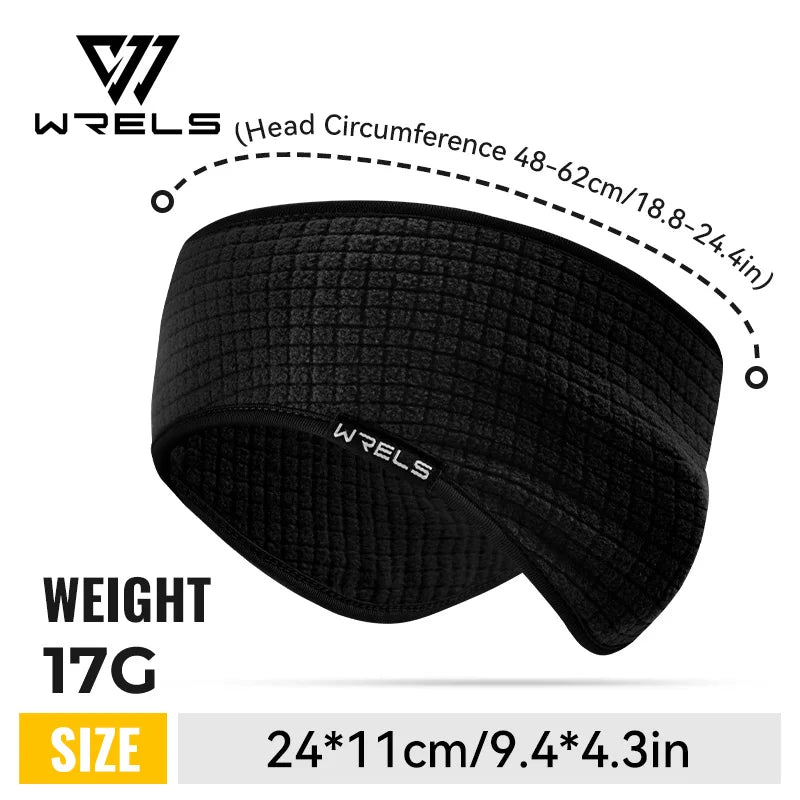
Reliable warmth when cold wind makes outdoor activities uncomfortable.
Winter Headband Buying Guide: What to Look For Before Buying
Choosing the Right Width and Fit
Select a headband wide enough to fully cover the ears while remaining comfortable during movement. Stretch fabrics help accommodate different head sizes without excessive compression.
Selecting Warmth Level for Your Climate
Single-layer fleece works well for cool to cold conditions, while thicker thermal designs are better suited for consistently freezing temperatures.
Checking Helmet and Earbud Compatibility
If you cycle, ski, or wear headphones frequently, choose a slim design that layers smoothly without bunching.
Understanding Washing and Care Requirements
Machine washing in cold water followed by air drying helps maintain fleece softness, stretch, and overall durability.
Frequently Asked Questions
Will a fleece winter headband keep ears warm in freezing temperatures?
Yes. Most quality fleece headbands provide reliable warmth during freezing weather. For prolonged exposure in extreme cold, layering with a winter hat offers additional insulation.
Do ear warmers work in winter wind?
Yes. Properly fitted ear warmers reduce direct wind exposure while trapping warm air close to the ears, helping reduce discomfort caused by wind chill.
What is the best material for a winter ear warmer?
Fleece provides an excellent balance of warmth, softness, breathability, and easy maintenance. Merino wool offers excellent thermal performance but usually costs more.
Can I wear a winter headband under a helmet?
Yes. Low-profile fleece headbands are specifically designed to layer comfortably beneath cycling, ski, and climbing helmets.
Is fleece or wool warmer for cold weather?
Both perform well. Wool naturally regulates temperature, while quality fleece offers excellent insulation with faster drying and easier care.
How do I wash and care for a fleece ear warmer headband?
Machine wash in cold water with mild detergent and air dry whenever possible to help preserve elasticity and softness.
Are fleece headbands good for running in winter?
Yes. Moisture-wicking fleece helps regulate temperature while protecting ears from wind during cold-weather runs.
Can winter ear warmers replace a hat?
For cool and moderately cold weather, many people find they can. In severe winter conditions, combining a headband with a hat provides maximum protection.
What temperature is a fleece winter headband suitable for?
Most fleece headbands are comfortable from cool autumn temperatures through freezing winter conditions. In extreme cold or prolonged exposure below freezing, layering provides additional warmth.
Related Guide: Winter Ear Warmers for Men Review: Real Results in Cold Wind













