Foam Shock Absorption in Snow Sports: Materials That Protect You
⏱ 6 min read
A fall on the slopes can happen in an instant. Whether you hit packed snow, ice, or a terrain feature, the level of protection your gear provides depends largely on its ability to manage impact energy. Foam shock absorption is the core technology inside modern ski helmets and protective equipment, helping reduce the forces transmitted to your head during a collision. Understanding how different foam materials work makes it easier to choose gear designed for the demands of snow sports.
Explore how protective designs are evolving for real-world impacts.
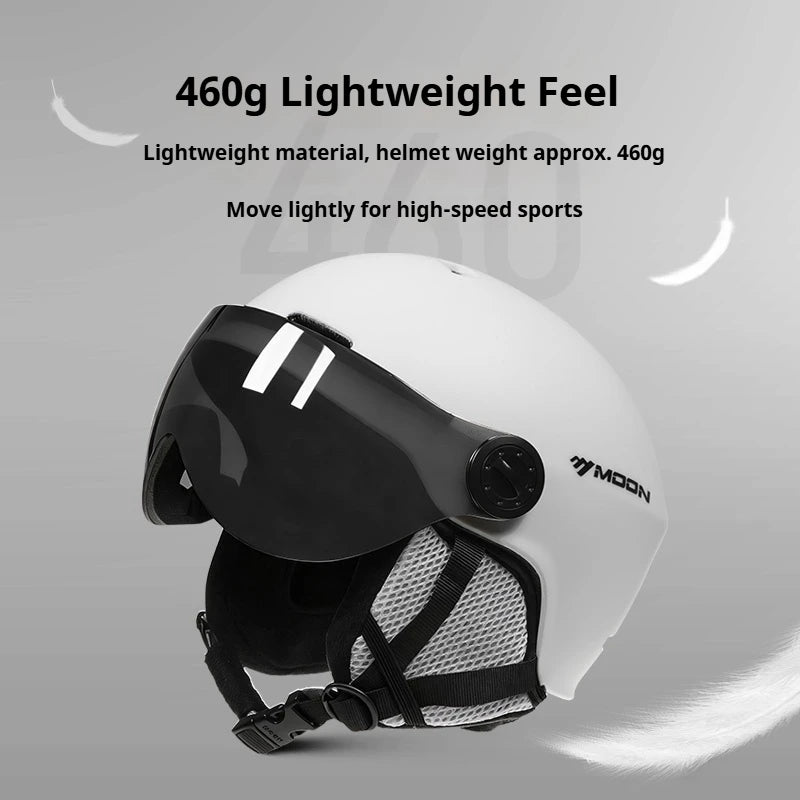
Foam shock absorption inside modern helmets — See it in action
What Is Foam Shock Absorption and How Does It Protect Skiers?
Foam shock absorption is the process of reducing impact forces by compressing specialized foam during a collision. Instead of allowing your head to stop abruptly, the foam deforms in a controlled manner, increasing the time over which the impact occurs and lowering the peak force transferred to the skull and brain.
In ski helmets, the primary protective layer is typically an EPS helmet liner , which crushes in a predictable way to absorb energy. Many premium designs also combine shock absorbing foam with EVA, gel, or other hybrid materials to improve protection across different impact speeds and angles encountered in snow sports.
This combination of controlled compression and energy dispersion is why modern helmet foam technology plays a much greater role in impact protection than the outer shell alone. The shell helps distribute the initial load, while the foam performs the critical task of absorbing the energy before it reaches your head.
How Snow and Cold Temperatures Affect Impact Absorption
Temperature plays an important role in impact absorption in snow sports . Protective foams are engineered to perform in winter conditions, but their flexibility and energy-management characteristics can still change as temperatures drop. High-quality snow impact protection materials are designed to remain reliable across a wide range of mountain environments, from mild spring skiing to sub-freezing alpine conditions.
Material Flexibility
As temperatures decrease, some foam materials become firmer and compress less easily. This change can influence how effectively they dissipate impact energy during a crash. EPS helmet liners are specifically engineered to provide consistent protection in cold weather, while EVA and other cushioning materials may respond differently depending on their formulation.
- Very low temperatures can slightly increase the stiffness of some foam materials.
- Well-designed EPS liners maintain predictable energy absorption across typical skiing and snowboarding conditions.
- Hybrid constructions combine multiple materials to provide more consistent performance over varying temperatures and impact speeds.
- Proper foam selection helps prevent the liner from compressing too quickly or "bottoming out" during severe impacts.
Freeze-Thaw and Moisture Effects
Snow, moisture, and repeated freeze-thaw cycles can also influence long-term equipment durability. Although the protective foam is normally enclosed within the helmet shell, premium helmet designs use moisture-resistant construction and protective outer layers to help preserve performance throughout multiple seasons of use.
Manufacturers evaluate helmet performance under standardized laboratory impact tests that include cold-weather conditions. These tests help verify that the foam continues to manage impact energy effectively when exposed to the temperatures commonly encountered during winter sports.
Foam Types and Their Role in Snow Impact Protection
EPS Helmet Liners: How They Manage Energy
Expanded polystyrene (EPS) remains the most widely used helmet liner material because it crushes in a controlled, predictable manner during a significant impact. Its closed-cell structure collapses to absorb kinetic energy before it reaches the head, making EPS especially effective for the high-energy impacts that can occur while skiing or snowboarding.
EVA and Other Foam Materials Explained
EVA (ethylene-vinyl acetate) provides greater flexibility and resilience than EPS, allowing it to recover after many minor compressions. While it is not typically relied upon alone for major crash protection, it is commonly paired with EPS to improve comfort and enhance protection during repeated low-speed impacts.
Gel and Hybrid Systems in Helmets
Some premium helmets incorporate gel inserts, elastomer layers, or hybrid foam systems to complement traditional EPS liners. These materials help manage both direct and angled impacts, improve overall comfort, and broaden the range of impact conditions the helmet is designed to address without replacing the primary protective role of the EPS liner.
Single-Impact vs Multi-Impact Foam: What You Need to Know
Not all helmet foams are designed to perform the same way after a collision. Understanding the difference between single-impact and multi-impact materials helps you know when protective equipment should be replaced and what type of performance to expect on the slopes.
EPS (expanded polystyrene) is a single-impact material. During a significant crash, the foam permanently compresses to absorb energy that would otherwise be transferred to the head. This controlled crushing is what makes EPS so effective, but it also means the liner cannot provide the same level of protection in another major impact.
Some manufacturers pair EPS with more resilient materials, such as EVA or specialized elastomer layers, which can recover after repeated low-energy bumps encountered during everyday handling or minor contact. These materials improve durability and comfort, but they do not eliminate the need to replace a helmet after a serious impact.
- Single-impact foam: Designed to maximize protection during one significant crash by permanently absorbing impact energy.
- Multi-impact materials: Better suited for repeated low-force compression but generally work alongside, rather than replace, an EPS liner.
- Hybrid helmet designs: Combine different materials to balance comfort, durability, and protection across a wider range of riding conditions.
Bottom line: If your helmet experiences a substantial impact, replace it even if the outer shell appears undamaged. Internal foam can remain permanently compressed, reducing its ability to protect you in a future accident.
Explore helmet systems built for unpredictable terrain.
How to Choose the Best Snow Sports Protective Gear
Selecting a snow sports helmet involves much more than choosing a style or ventilation layout. The protective foam system, helmet construction, and overall fit have the greatest influence on how effectively impact energy is managed during a fall.
- Look for an EPS helmet liner engineered for skiing or snowboarding rather than general cycling use.
- Consider helmets with multi-density or hybrid foam designs that help manage a wider range of impact severities.
- Choose models designed to address both direct and angled impacts when appropriate.
- Ensure the helmet fits securely without pressure points or excessive movement.
- Verify compatibility with your goggles to maintain comfort, visibility, and a consistent protective fit.
For skiers seeking an integrated solution, a ski helmet with goggles helps provide proper alignment between eye protection and the helmet while supporting a secure, comfortable fit throughout the day. Complementary gear for recovery and daily care can also be found in Body Care and Health Devices and Lifestyle collections.
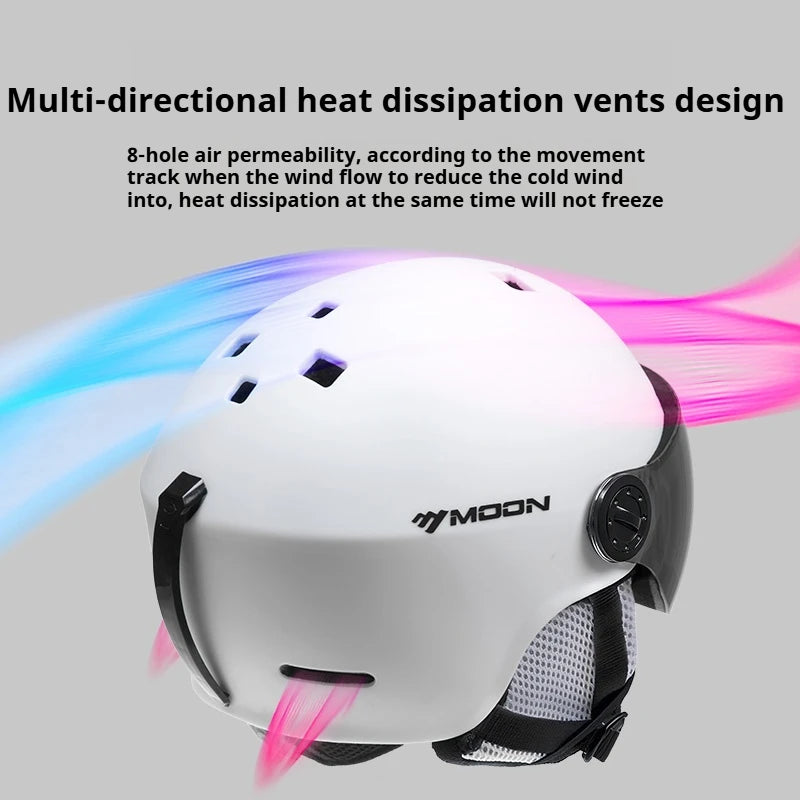
Advanced foam shock absorption in action — Protect your next run
Upgrade to smarter protection before your next trip.
Quick Questions Skiers Ask About Helmet Foam
What Materials Absorb Shock Best in Snow?
EPS foam remains the industry standard for ski and snowboard helmets because it efficiently absorbs high-energy impacts through controlled compression. Many premium helmets combine EPS with EVA, gel, or other engineered materials to improve comfort and broaden protection across different impact conditions.
Why Does Foam Become Stiffer in Cold Weather?
Lower temperatures can reduce the flexibility of some foam materials, making them firmer. Quality snow sports helmets are engineered and tested to maintain reliable impact performance in cold environments commonly encountered on the slopes.
Is EPS Foam the Best Helmet Liner for Skiing?
For most skiing applications, EPS is considered the benchmark because it provides excellent energy management during significant impacts. Hybrid constructions can further enhance protection and comfort, but EPS typically remains the primary protective layer.
Does EVA Perform Better Than Rubber in Snow?
EVA offers lightweight cushioning and resilience, making it well suited for layered helmet systems and protective padding. Rubber-based materials are more commonly used in specialized components, while EVA is generally preferred where a balance of weight, flexibility, and impact absorption is needed.
How Does Temperature Affect Shock Absorption?
Temperature influences how easily protective materials compress during an impact. Manufacturers design snow sports helmets to deliver consistent performance across expected winter temperature ranges, helping ensure dependable protection throughout the season.
Which Material Is Best for Winter Boot Cushioning?
EVA is widely used in winter boot midsoles and insoles because it provides effective cushioning while remaining relatively lightweight. Higher-density foams may be incorporated where additional support and durability are required.
Can Helmet Foam Be Reused After an Impact?
Following a significant crash, an EPS helmet liner should not be relied upon for future protection because it permanently compresses as it absorbs impact energy. Even if no external damage is visible, replacing the helmet is the safest course of action.
What Materials Help Absorb Impact in Deep Snow?
Deep snow naturally cushions falls, but impacts with hidden obstacles, packed snow, or ice can still generate substantial forces. Helmets using EPS liners together with carefully engineered foam systems provide the most effective protection across varying mountain conditions.
Related Guide: Shock Absorbing EPS Foam How It Protects Your Head on Impact