

Why Is My Fog Machine Not Working? (Quick Diagnosis Guide)
If you're wondering why is my fog machine not working , the problem usually falls into one of four categories: incorrect or empty fog fluid, a clogged fluid path, a heating failure, or a power-related issue. Identifying the symptom first makes fog machine troubleshooting much faster and helps you avoid replacing parts that are still working.
30-Second Symptom-to-Solution Lookup Table
| Symptom | Most Likely Cause | First Thing to Check |
|---|---|---|
| Power light is on but no fog | Blocked nozzle, pump issue, or wrong fluid | Fluid type, nozzle, and pump operation |
| No heat | Machine still warming up or heating failure | Allow full warm-up and verify power |
| Pump makes noise but no output | Airlock or clogged fluid line | Prime the pump and inspect the nozzle |
| Weak or inconsistent fog | Low fluid, partial blockage, or residue buildup | Fluid level and cleaning history |
| Machine will not start | Power, outlet, fuse, or remote problem | Power source and cable connections |
How Fog Machines Work (Heater, Pump, Fluid & Nozzle)
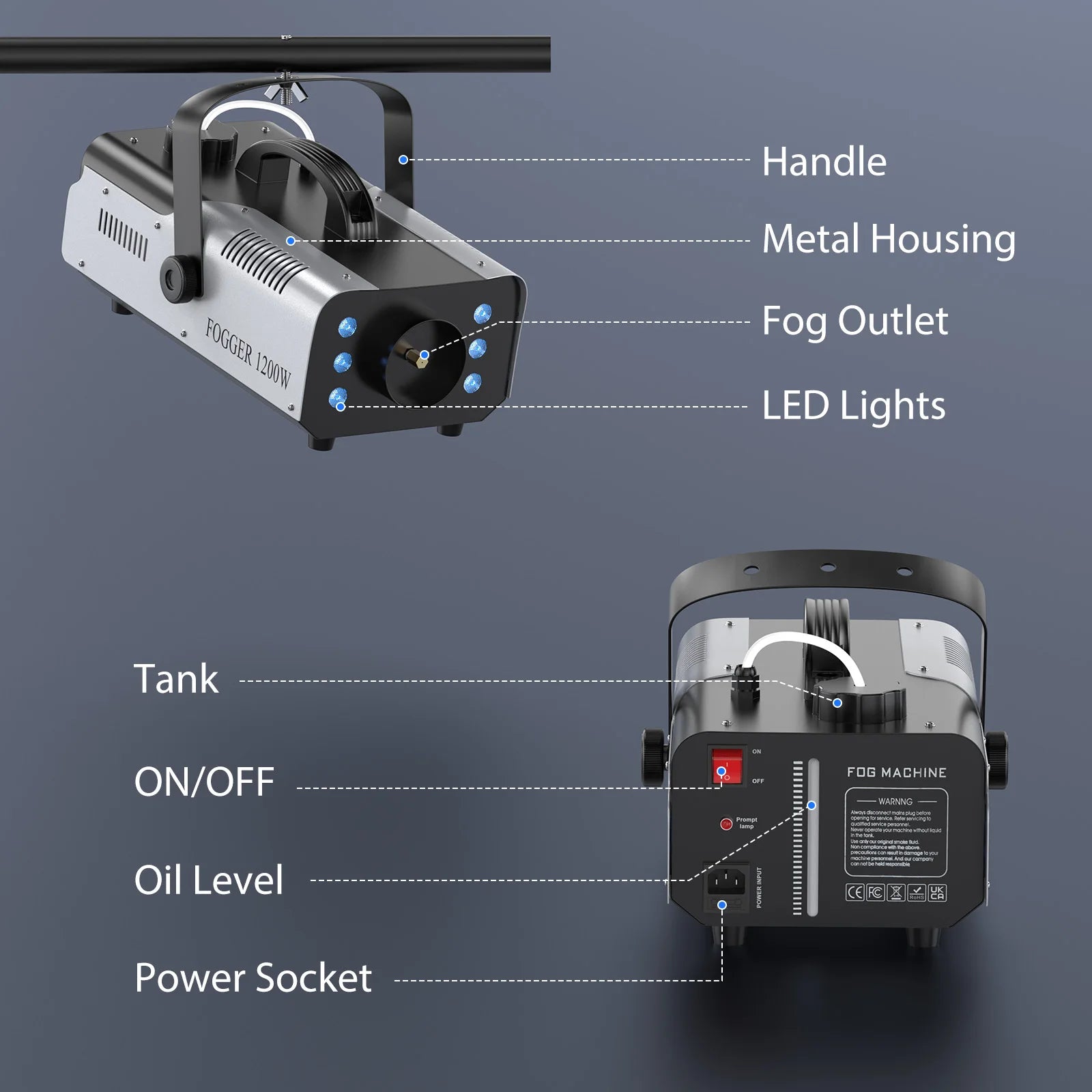
A fog machine creates theatrical fog by moving specially formulated fog fluid through four main components:
- Fluid tank: Stores the approved fog fluid.
- Pump: Draws fluid from the reservoir into the machine.
- Heating block: Heats the fluid until it vaporizes.
- Nozzle: Releases the hot vapor, which condenses into visible fog when it meets cooler air.
If any stage of this sequence fails—whether the pump cannot deliver fluid, the heater never reaches operating temperature, or the nozzle becomes clogged—the fog machine will produce little or no fog. Understanding this operating sequence makes diagnosing problems much easier.
Fog Machine Not Working: How to Fix It Fast (Step-by-Step Guide)
⏱ 7 min read
A fog machine not working just before a party, performance, or Halloween setup can quickly disrupt your plans. Fortunately, most failures are caused by routine maintenance issues rather than major mechanical damage. This guide walks you through the most common causes, quick fixes, and troubleshooting steps so you can restore reliable fog output safely.
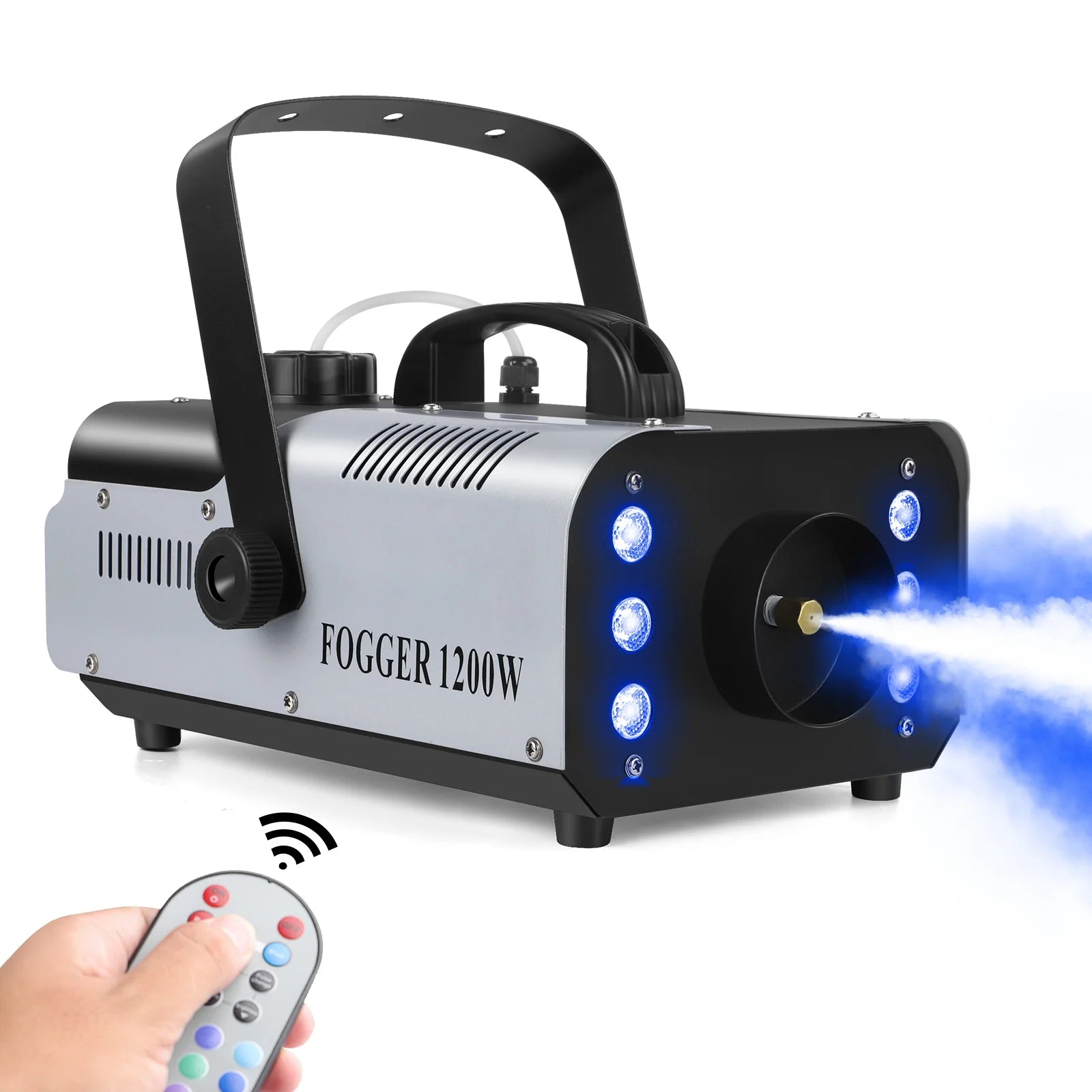
Fog machine not working during setup? Diagnose the cause before replacing parts.
Quick Fixes That Solve Most Fog Machine Problems
Before taking your fog machine apart, eliminate the simple causes first. These quick checks resolve the majority of fog machine troubleshooting cases within a few minutes.
Check Power, Fuse and Outlet
Verify the power switch is on, the outlet is working, and all cables are firmly connected. If your model has a replaceable fuse, inspect it according to the manufacturer's instructions before assuming the machine has failed.
Check Fluid Level and Correct Fog Fluid
Confirm the tank contains enough fog fluid and that you are using the type recommended by the manufacturer. Low-quality or incompatible fluids can reduce output, clog the heater, or stop vapor production entirely.
Reset and Allow Full Warm-Up
Turn the machine off, unplug it for 5–10 minutes, then restart it. Most fog machines require several minutes to reach operating temperature, so wait until the ready indicator appears before triggering fog.
Inspect Remote and Cable Connections
A loose remote cable or faulty controller can prevent fog production even when the machine has power. Disconnect and reconnect the remote, inspect connectors for damage, and test another controller if available.
Fog Machine Not Producing Fog (But Power Is On)
If the indicator lights are on but no fog appears, the heater may be working while the fluid delivery system is not. Focus your inspection on the pump, fluid path, and nozzle before suspecting electrical failure.
Empty or Wrong Fog Fluid
Even with fluid in the reservoir, the wrong formulation may not vaporize correctly. Empty old or contaminated fluid if necessary and refill the tank with fresh, manufacturer-approved fog fluid.
Residue inside the pump can reduce or completely stop fluid flow. If you hear the pump running without producing fog, flush the system with an approved cleaning solution to help dissolve internal deposits before assuming the pump requires replacement.
Clogged Nozzle or Fluid Line
Fog fluid residue gradually builds up inside the nozzle and tubing, especially after frequent use or long-term storage. Inspect the outlet for visible buildup and clean the nozzle thoroughly to restore unrestricted flow.
Airlock in the Pump
An air bubble trapped inside the fluid line can prevent the pump from drawing liquid from the tank. Keep the machine level, ensure the pickup tube remains submerged, and briefly activate the pump several times to help restore normal fluid flow.
Fog Machine Not Heating Up (Causes & Fixes)
If your fog machine is not heating up , it cannot vaporize the fog fluid, so no fog will be produced. Heating problems are typically caused by normal warm-up delays, failed safety components, a damaged heating element, or electrical faults. Identifying which component has failed helps determine whether the machine can be safely repaired or should be replaced.
Normal Warm-Up vs Failure
Most consumer fog machines require between 3 and 10 minutes to reach operating temperature. During this period, pressing the trigger usually produces no fog. Wait until the ready indicator lights up before diagnosing a heating problem. If the machine never reaches its ready state after sufficient time, further inspection is needed.
Thermostat or Thermal Fuse Failure
The thermostat regulates the heater temperature, while the thermal fuse protects the machine from overheating. If either component fails, the heater will stop operating as a safety measure. These parts typically require replacement rather than repair and should only be serviced after disconnecting the machine from power.
Heating Element Problems
The heating element is responsible for bringing the heat block to the temperature required for vaporization. A worn or burned-out heating element may prevent the machine from producing any heat or cause inconsistent performance. If the machine repeatedly fails to warm up despite proper power and fluid supply, the heating element may need professional replacement.
Power Supply or Internal Wiring
Loose electrical connections, damaged power cords, or worn internal wiring can interrupt power to the heater even when indicator lights appear normal. Inspect the external cable for visible damage, but avoid opening the housing unless you are qualified to work on electrical equipment, as high temperatures and stored electrical energy may present safety hazards.
Step-by-Step Fog Machine Troubleshooting Decision Tree
Follow this troubleshooting sequence to isolate the faulty component instead of relying on trial and error.
Step 1: Verify Power
Confirm the machine is switched on, connected to a working outlet, and that the power indicator is illuminated. Check the remote connection if your model requires one to activate fog output.
Allow the full warm-up period recommended by the manufacturer. If the ready indicator never appears or the heater remains cold, focus your diagnosis on the heating system before inspecting the pump.
Step 3: Test Pump
Once the heater is ready, activate the fog output and listen for the pump. A steady humming sound indicates the pump is attempting to move fluid, while complete silence may point to a pump, controller, or electrical issue.
Step 4: Inspect Fluid Path
Check that the pickup tube is submerged in fog fluid and inspect the hose, nozzle, and fluid line for residue or obstructions that could restrict flow.
Step 5: Test Fog Output
After confirming power, heating, and fluid delivery, trigger the machine again. Strong, consistent fog indicates the issue has been resolved. Weak or absent output after these checks usually suggests an internal blockage or component failure requiring further service.
Follow a logical troubleshooting process to identify the failed component quickly.
Why Your Fog Machine Makes Noise but No Fog
If your fog machine makes noise but produces no fog, the motor or pump is typically operating while the fog fluid fails to reach or pass through the heated chamber. This symptom usually points to a restriction rather than a complete electrical failure.
Pump Running but Blocked
A running pump accompanied by little or no fog often indicates a clogged nozzle, blocked fluid line, or restricted pump. Cleaning the fluid path with an approved fog machine cleaning solution can often restore normal operation without replacing parts.
Internal Residue Build-Up
Fog fluid gradually leaves deposits inside the heater block and tubing, especially if the machine is stored without cleaning after repeated use. Regular flushing removes this residue, improves fog consistency, and helps prevent recurring blockages that reduce performance.
Common Mistakes That Stop Fog Machines from Working
| ❌ Common Mistake | ✅ Better Practice | Why It Matters |
|---|---|---|
| Using water or low-quality fog fluid | Use only manufacturer-compatible fog fluid | Prevents clogging, poor vaporization, and pump damage |
| Triggering fog before the machine is ready | Wait until the ready indicator appears | Ensures the heater reaches the proper operating temperature |
| Skipping routine cleaning | Flush the machine after heavy use | Removes residue before it blocks the heater or nozzle |
| Running the machine continuously | Use short bursts and allow recovery time | Reduces stress on the pump and heating system |
Prevent Fog Machine Problems (Maintenance Checklist)
A consistent maintenance routine is the easiest way to prevent unexpected failures, improve fog output, and extend the service life of your machine.
After Every Use
- Allow the machine to cool completely before storing it.
- Flush the fluid system with an approved cleaning solution after extended use.
- Wipe away any residue around the nozzle and exterior housing.
- Empty old fog fluid if the machine will be stored for an extended period.
Monthly Inspection
- Inspect the power cord and remote cable for wear or damage.
- Check the fluid pickup tube for cracks or loose fittings.
- Look for residue around the nozzle that could restrict airflow.
- Verify the machine heats normally and produces consistent fog.
Proper Storage
Store the fog machine in a cool, dry location away from dust and moisture. Keeping the fluid tank empty during long-term storage helps reduce residue buildup and minimizes the risk of clogged pumps and fluid lines when the machine is used again.
For users who value hassle-free setups at events and parties, investing in reliable gear matters. Many people browsing the Lifestyle collection look for equipment that works the first time, every time.
When to Repair vs Replace Your Fog Machine
Not every fog machine not working issue justifies replacing the entire unit. Minor maintenance problems are usually inexpensive to fix, while major electrical failures may make replacement the more practical option.
- Repair if the problem involves clogged nozzles, blocked pumps, incorrect fog fluid, loose wiring, or other routine maintenance issues.
- Replace if the heating element, control board, or multiple electrical components have failed and replacement parts are unavailable or prohibitively expensive.
- Compare repair costs with the price of a new machine. If repairs approach or exceed 50% of the replacement cost, investing in a new unit is often the better long-term value.
- Consider machine age and usage. Older units with recurring problems may continue to require maintenance even after repairs.
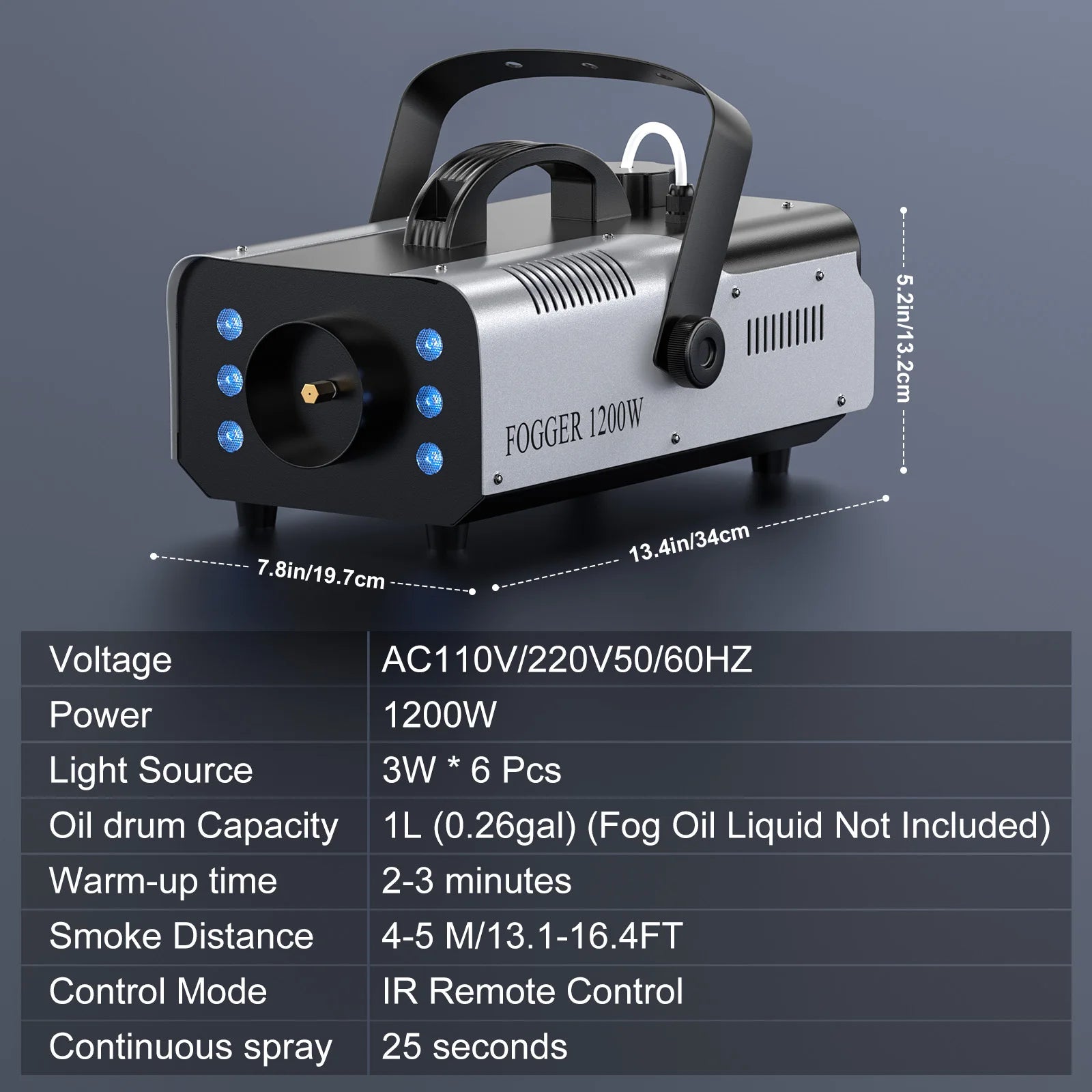
Reliable fog output for parties, stage performances, and special events.
If your current unit continues to experience recurring heating failures, severe pump problems, or repeated clogging despite proper maintenance, upgrading to a more dependable machine may be the most cost-effective solution. The 1200W Fog Machine offers fast heat-up, consistent fog production, and straightforward maintenance for users who need reliable performance at events, parties, and stage productions.
FAQ: Fog Machine Troubleshooting
Why is my fog machine not producing fog?
The most common causes are an empty or incorrect fog fluid, a clogged nozzle or fluid line, an airlock in the pump, or a heater that has not reached operating temperature. Check these items before assuming a major component has failed.
Why is my fog machine not heating up?
If the machine never reaches its ready state, the problem may involve the thermostat, thermal fuse, heating element, or electrical wiring. Always allow the full warm-up period before diagnosing a heating failure.
Why does my fog machine make noise but no fog?
A humming sound usually means the pump is operating but fluid is not reaching the heated chamber. This is commonly caused by a clogged nozzle, blocked fluid line, or an airlock inside the pump.
Can I fix a fog pump blockage myself?
Yes. Many pump blockages can be cleared by flushing the system with an approved fog machine cleaning solution and cleaning the nozzle. If the pump continues to run without moving fluid after cleaning, it may require replacement.
How often should I clean a fog machine?
For occasional home use, cleaning after every few events is generally sufficient. Machines used frequently for performances, parties, or commercial events should be flushed regularly to prevent residue from accumulating inside the heater and pump.
Can the wrong fog fluid damage my machine?
Yes. Low-quality or incompatible fog fluids can leave excessive residue, clog the heating block, reduce fog output, and shorten the life of the pump and other internal components. Always use the fluid recommended for your machine.
Why is my fog machine not working even though the power light is on?
A power indicator only confirms the unit is receiving electricity. The machine may still have a blocked pump, clogged nozzle, heating failure, or controller issue that prevents fog production.
How do I know if the fog pump is blocked?
If you hear the pump operating but little or no fog is produced, and the heater has reached operating temperature, a blocked pump or restricted fluid path is the most likely cause.
How long should a fog machine take to heat up?
Most consumer fog machines require approximately 3 to 10 minutes to reach operating temperature, although larger professional units may take slightly longer.
Can using the wrong fog fluid stop fog production?
Yes. Incorrect fog fluid can vaporize poorly, clog the internal passages, and reduce or completely stop fog output over time.
Why does my smoke machine not work after storage?
Long-term storage can allow old fog fluid to thicken and leave residue inside the pump, tubing, and heater. Cleaning and flushing the machine before use often restores normal performance.
Is it safe to open a fog machine for repairs?
Disconnect the machine from power and allow it to cool completely before opening the housing. Internal electrical components and heating elements can present burn and shock hazards. If you are uncertain about electrical repairs, consult a qualified technician.
Related Guide: Fog Machine Setup Guide Step by Step for Perfect Effects













