Foot Acupressure Mat Benefits: How They Compare to Massage Pads
⏱ 6 min read
Your feet support you through work, workouts, and daily errands. When aches arise, relief options range from spiked acupressure mats to cushioned massage pads. Understanding the science, benefits, and suitability of each can help you choose the right tool for targeted foot wellness and overall relaxation.
foot acupressure mat relief at home 💡 See it in action
How Does an Acupressure Foot Mat Work?
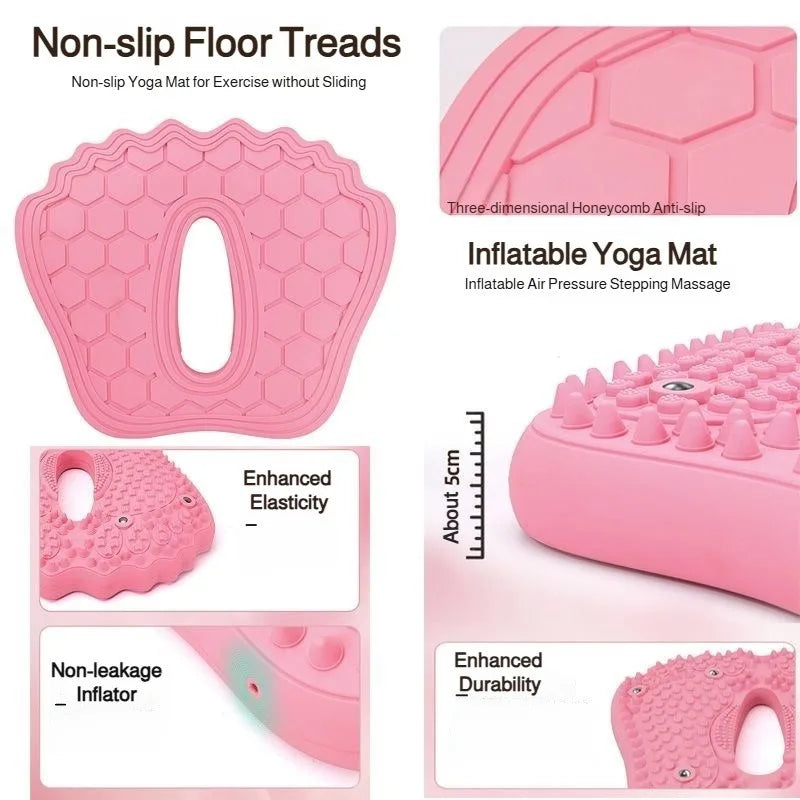
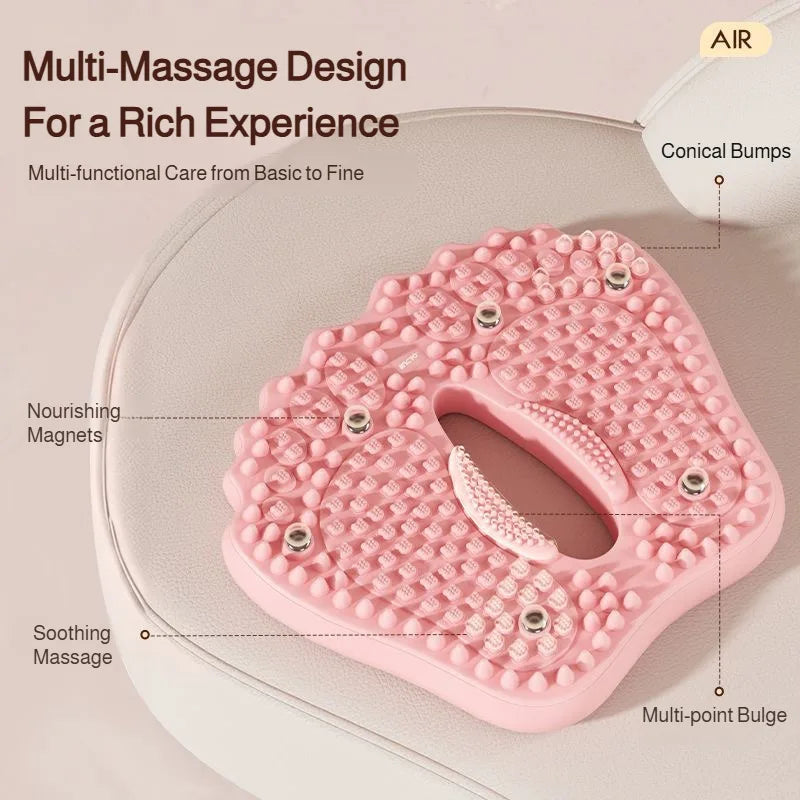
Foot acupressure mats stimulate key pressure points on your feet, following principles from traditional reflexology. Each spike applies gentle pressure that triggers nerve responses, encouraging blood flow, muscle relaxation, and energy balance throughout the body. Unlike massage pads, which primarily vibrate or knead the surface, acupressure mats engage multiple pressure points simultaneously, targeting deeper muscular and circulatory pathways.
Research indicates that consistent stimulation of foot reflex points can reduce pain perception, improve circulation, and promote relaxation, making acupressure mats an effective tool for overall foot wellness.
Key Benefits of a Foot Acupressure Mat
Pain Relief and Muscle Relaxation
By stimulating reflex points, acupressure mats help release muscle tension and alleviate soreness in feet, heels, and calves. Users often report reduced plantar fasciitis pain and overall foot fatigue.
Improved Circulation and Energy Flow
Pressure spikes enhance blood flow, which supports healing and reduces swelling. Reflexology principles suggest that improved circulation through the feet can positively impact other areas of the body.
Stress Reduction and Better Sleep
Foot stimulation triggers the release of endorphins and relaxes the nervous system, helping to lower stress levels and promote restful sleep. Regular use can be integrated into a daily wellness routine for mind-body benefits.
How a Foot Massage Pad Works
Foot massage pads use vibration, rolling, or kneading actions to stimulate superficial muscles and nerve endings. They provide a relaxing sensation and temporarily relieve tension, but unlike acupressure mats, they do not engage multiple reflex points simultaneously or target deeper circulation pathways.
Massage pads are often preferred by users seeking gentle comfort without initial discomfort, making them suitable for sensitive feet or relaxation-focused routines.
Acupressure Mat vs Massage Pad: Detailed Comparison
| Feature | Foot Acupressure Mat | Massage Pad |
|---|---|---|
| Pressure Type | Targeted nodes | Vibration / air |
| Intensity | Adjustable by stance | Usually gentle |
| Portability | High | Medium |
| Best For | Focused relief, circulation | Relaxation, comfort |
Effectiveness for Foot Pain
Acupressure mats stimulate multiple pressure points to relieve chronic pain, while massage pads mainly relax superficial muscles. Studies suggest mats may have longer-lasting effects for foot pain relief.
Safety and Comfort
Mats can cause mild discomfort initially, which usually decreases with regular use. Massage pads are generally gentler, ideal for people with sensitive feet or foot injuries.
Duration and Convenience
Acupressure mats require 10–20 minutes per session, whereas massage pads can be used for shorter, casual sessions. Mats are portable, require no electricity, and can be integrated into daily routines easily.
acupressure mat for feet targeting sore arches 💡 See it in action
Who Should Use an Acupressure Foot Mat?
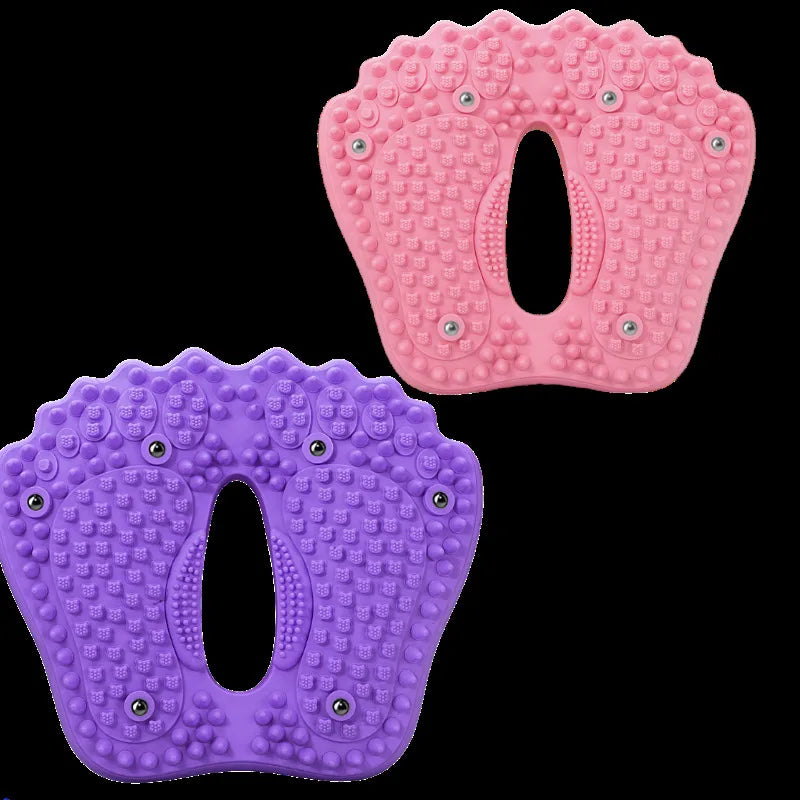
Acupressure mats are ideal for adults seeking relief from foot pain, plantar fasciitis, fatigue, or stress. They are also beneficial for people aiming to improve circulation or incorporate reflexology into their wellness routine.
Important: Avoid use if you have open wounds, severe diabetes-related neuropathy, blood clot risks, or acute injuries. Pregnant individuals should consult a doctor before use.
How to Use an Acupressure Foot Mat for Best Results
- Place the mat on a flat, stable surface.
- Stand or sit with feet on the spikes for 5–10 minutes initially.
- Gradually increase session duration to 15–20 minutes as tolerance builds.
- Focus on relaxing your legs and breathing deeply to enhance circulation.
- Use consistently, ideally daily, for cumulative benefits.
Optional: Combine mat sessions with gentle stretching or warm foot baths for enhanced relaxation. Pairing foot care with lifestyle upgrades from Lifestyle collections can help build consistent self-care habits.
What Users Notice After 2 Weeks
Many users report reduced foot soreness, improved circulation, and a lighter, energized feeling in their legs. Some notice better sleep and decreased stress. Initial discomfort usually diminishes, making sessions more enjoyable over time.
Consistency is key: gradual adaptation allows the body to respond to pressure stimulation without pain or irritation.
foot pressure point mat for daily relief 💡 See it in action
Frequently Asked Questions (FAQ)
How long should I use a foot acupressure mat?
Most users benefit from 5–15 minutes per session, once or twice daily.
Is discomfort normal at first?
Mild intensity is common initially and usually fades as your feet adapt.
Can I use it every day?
Yes, daily use is generally safe for healthy adults.
Which is better: acupressure mat or massage pad?
It depends on your goals. For chronic foot pain or circulation improvement, acupressure mats are often more effective. For gentle relaxation, massage pads may be preferable.
Is an acupressure mat safe for feet with injuries?
Use caution. Avoid mats if you have open wounds, severe neuropathy, or acute injuries. Consult a healthcare professional if unsure.
Related Guide: Foot Massage Mat Comparison Guide for Home Relief