

Does Foot Reflexology Really Work? What to Expect
Foot reflexology at home may support relaxation, reduce everyday stress, and help ease tired feet when practiced consistently. The technique is based on the idea that specific areas of the feet correspond to different parts of the body. While many people report feeling calmer and more comfortable after sessions, scientific evidence remains mixed, and reflexology should be viewed as a complementary wellness practice rather than a medical treatment.
If you're learning reflexology how to techniques for the first time, focus on gentle pressure, proper foot positioning, and regular practice instead of expecting immediate or dramatic health changes. Reflexology is not intended to diagnose, treat, or cure disease, but it can become a relaxing addition to a healthy self-care routine.
⏱ 7 min read
Foot Reflexology at Home: How to Start Safely
Foot reflexology at home doesn't have to feel confusing or intimidating. Whether you're wondering where to press, how much pressure to use, or how to do reflexology on yourself safely, this beginner-friendly guide walks you through every step. You'll learn how reflexology works, understand common foot pressure points, practice essential techniques, and build a relaxing routine you can enjoy from home.
What Is Foot Reflexology and How Does It Work?
Foot reflexology is a wellness practice that applies controlled pressure to specific areas of the feet called reflex zones. According to reflexology theory, these zones correspond with different organs and body systems. Although modern research has not confirmed every traditional claim, many people use self reflexology to promote relaxation, reduce muscle tension, and create a calming daily ritual.
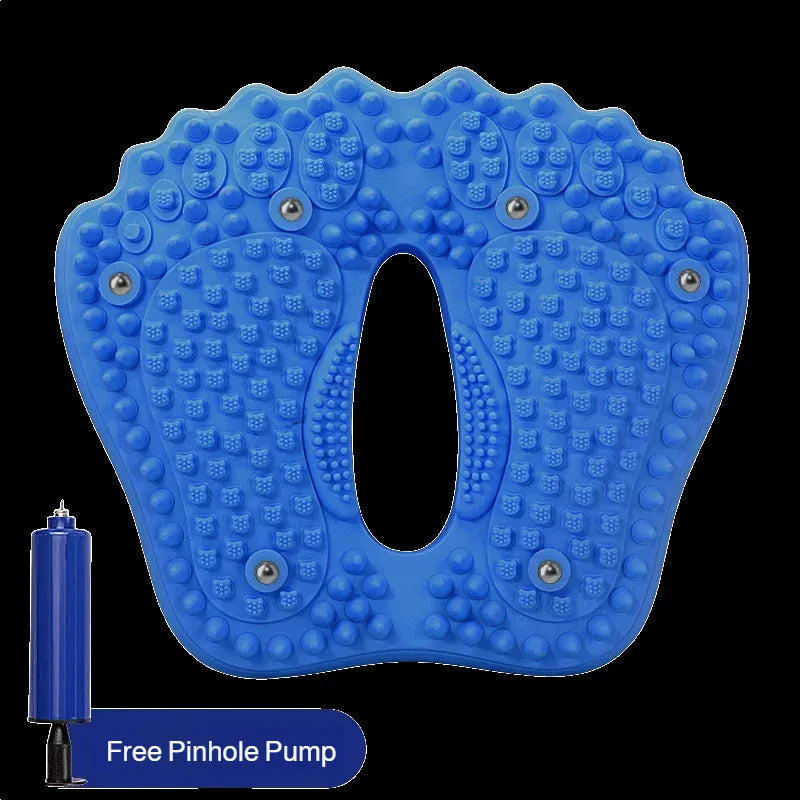
Foot reflexology at home using simple pressure techniques • See it in action
What are reflex zones?
Reflex zones divide the feet into mapped regions associated with different body areas. Learning these zones helps beginners practice more systematically rather than pressing random spots. A reflexology chart serves as a helpful guide while you develop confidence.
Reflexology vs foot massage
Although both practices feel relaxing, they have different goals.
- Foot massage focuses on relaxing muscles, improving comfort, and reducing stiffness.
- Foot reflexology follows specific pressure-point maps and structured techniques designed around reflex zones.
Many beginners combine both approaches by starting with a relaxing massage before moving into targeted reflexology.
Safety Checklist Before You Start Reflexology at Home
Reflexology at home should always feel comfortable. Gentle, consistent pressure is far more effective than pressing aggressively.
Who should avoid reflexology?
- People with open wounds, burns, or skin infections on the feet
- Recent fractures, severe sprains, or foot surgery recovery
- Significant swelling or unexplained foot pain
- Anyone advised by a healthcare professional to avoid foot manipulation
How much pressure should beginners use?
Use moderate pressure that feels noticeable but never painful. Mild tenderness is common over tight areas, but sharp pain is a signal to reduce pressure or stop.
- Limit sessions to about 10–20 minutes per foot.
- Warm your feet before beginning.
- Drink water afterward if it helps you feel refreshed.
- Stop immediately if you experience dizziness, numbness, or worsening discomfort.
Foot Reflexology Map: Understanding Pressure Points
A reflexology map helps beginners understand where to apply pressure. Think of it as a reference guide rather than an exact anatomical diagram.
- Toes: Commonly associated with the head and neck.
- Ball of the foot: Chest and upper body regions.
- Arch: Digestive system reflex zones.
- Heel: Lower back and pelvic regions.
- Inner edge: Areas traditionally associated with the spine.
Left foot
The left foot map often emphasizes reflex points traditionally linked to the left side of the body. Practice slowly and compare sensitivity between both feet.
Right foot
The right foot contains corresponding reflex zones for the opposite side and is worked using the same sequence and pressure.
Printable chart
Keeping a printable reflexology chart nearby makes it easier to learn pressure-point locations until they become familiar through practice.
How to Do Foot Reflexology on Yourself: Step-by-Step
Prepare your feet
- Sit comfortably with your foot supported.
- Wash and dry your feet.
- Keep a towel, lotion, or massage oil nearby if desired.
Warm-up massage
Massage the entire foot for five minutes or soak your feet in warm water to relax muscles before beginning targeted pressure work.
Thumb-walking technique
Using your thumb, make small inching movements across each reflex zone instead of sliding continuously. This allows better pressure control and helps you locate sensitive areas.
Complete 15-minute beginner routine
- Start with the toes.
- Move across the ball of the foot.
- Work slowly through the arch.
- Finish around the heel and ankle.
- Repeat on the opposite foot.
Finish and recover
Stretch your toes, rotate your ankles gently, and walk around for a minute to restore natural movement. Consistency matters more than long sessions, so aim for 10–15 minutes several times each week.
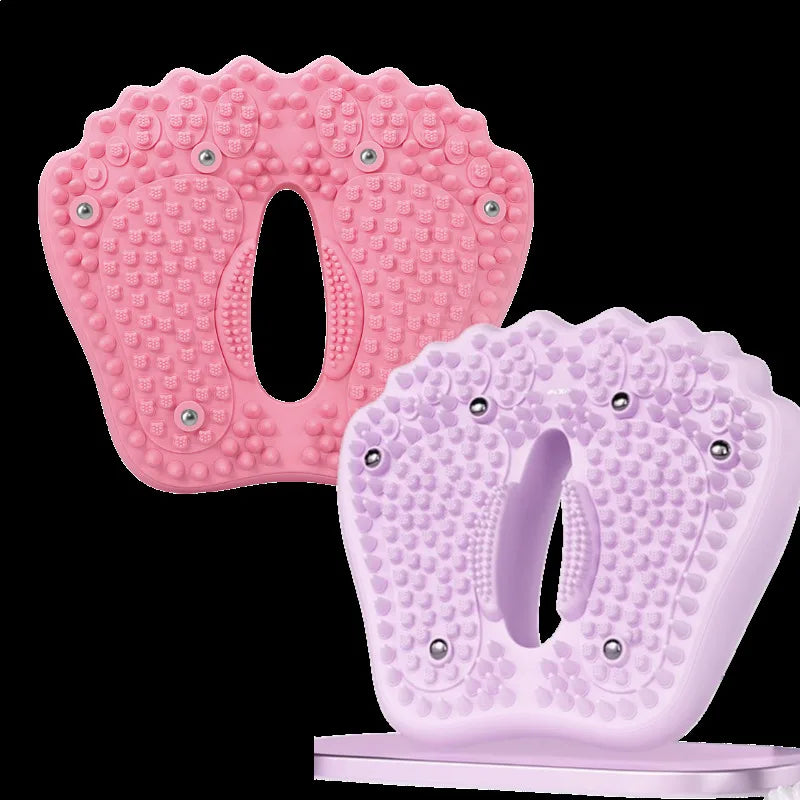
Using foot acupressure points consistently • See it in action
Many beginners find a supportive surface helpful. Tools from the Body Care and Health Devices collection are often used to maintain even pressure without straining hands.
Essential Reflexology Techniques Every Beginner Should Learn
Thumb walking
The most widely used reflexology technique. Move your thumb forward in tiny steps while maintaining steady pressure.
Finger walking
Ideal for reaching smaller areas around the toes and along the outer foot.
Rotations
Use slow circular motions over tender spots to encourage relaxation without excessive pressure.
Hook and backup
This advanced technique involves gently hooking the thumb into a reflex point before releasing pressure. Beginners should use light pressure until they become familiar with the movement.
- Keep breathing slowly throughout the session.
- Relax your shoulders and hands.
- Avoid quick or forceful pressing.
- Reduce pressure if muscles tense up.
Simple Reflexology Routines for Common Wellness Goals
Stress and relaxation
Spend 10 minutes working both feet using slow thumb walking while practicing deep breathing.
Tired feet
Focus on the heel, arch, and ball of the foot after long periods of standing. Finish with gentle ankle stretches.
Sleep support
Practice reflexology 30–60 minutes before bedtime in a quiet environment with moderate pressure and slow breathing.
Head tension
Many people gently massage the toes first before continuing through the rest of the foot as part of a relaxing evening routine.
These routines are intended for general wellness and comfort rather than treatment of medical conditions.
Helpful Tools for Reflexology at Home
Hands are all you need to begin, but certain tools can make reflexology sessions more comfortable and consistent.
A supportive pad like the KentDO Inflatable Foot Massage Pad helps distribute pressure evenly, especially during longer sessions or if hand fatigue becomes an issue.
- Massage balls for targeting small areas
- Wooden or silicone rollers for the arch
- Foot massage devices for relaxing larger muscle groups
- Supportive pads that reduce hand strain during self-practice
Common Foot Reflexology Mistakes Beginners Should Avoid
| ❌ Mistake | ✅ Better Approach |
|---|---|
| Pressing too hard | Use comfortable, steady pressure |
| Skipping the warm-up | Massage or soak feet first |
| Rushing sessions | Move slowly through each reflex zone |
| Ignoring discomfort | Pause immediately and reduce pressure |
| Working without a chart | Reference a reflexology map while learning |
Combining reflexology with other calming habits featured in the Lifestyle collection can make evenings feel more intentional.
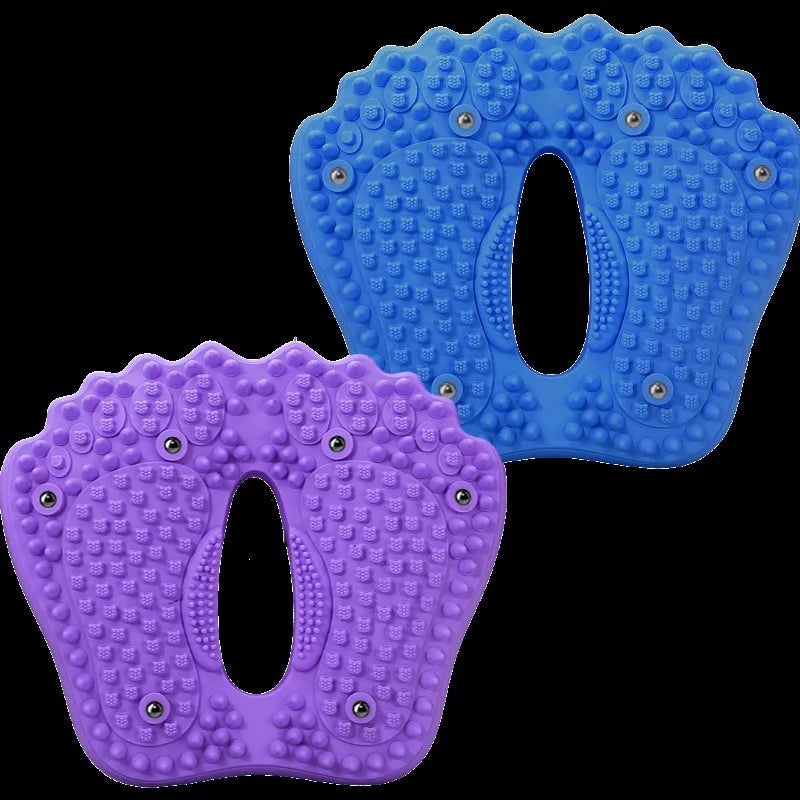
A calm foot reflexology routine before bed • See it in action
How to Learn Reflexology at Home and Improve Your Skills
Practice schedule
Practice three to five short sessions each week instead of occasional long sessions. Regular repetition helps improve technique and confidence.
Learning resources
- Study reflexology charts regularly.
- Watch demonstrations from qualified instructors.
- Compare both feet to understand normal variations.
Tracking progress
Keep a simple journal noting session length, pressure level, and how your feet felt afterward. Tracking progress makes it easier to refine your technique over time.
You can also strengthen your overall foot wellness by exploring guides on foot massage benefits, plantar fasciitis self-care, improving foot circulation, daily foot care routines, relaxation techniques, dry heel care, and foot stretching exercises alongside your reflexology practice.
Frequently Asked Questions
How often should I practice foot reflexology at home?
Most beginners benefit from three to four sessions each week. Short, consistent practice usually works better than occasional long sessions.
Is foot reflexology safe for beginners?
Yes. Practice gently, avoid injured or inflamed areas, and stop if pain or unusual discomfort develops.
Can tools replace hand techniques?
No. Tools improve comfort and consistency, but learning proper hand placement helps you better control pressure and identify reflex zones.
When is the best time to do foot reflexology?
Evening sessions are popular because they encourage relaxation before bed, although any quiet time can work.
Can you do reflexology on yourself safely?
Yes. Self-reflexology is appropriate for most healthy adults when performed with moderate pressure and proper technique.
How to use reflexology for stress relief?
Combine slow thumb walking, gentle circular movements, and deep breathing during a 10–15 minute session.
How long should a beginner reflexology session last?
Start with 10 to 15 minutes per foot and increase gradually if you remain comfortable.
What pressure should I use during foot reflexology?
Firm enough to feel the tissue beneath your fingers, but never so hard that it causes sharp or lingering pain.
Can I do foot reflexology every day?
Many people safely practice daily using gentle pressure, provided their feet remain comfortable and free from injury.
Is reflexology the same as a foot massage?
No. Reflexology follows mapped pressure points, whereas a foot massage focuses primarily on muscles and soft tissues.
Do I need a reflexology chart to get started?
A chart is helpful but not essential. Beginners often learn faster by using one until the reflex zones become familiar.
Which foot should I start with?
Either foot is fine. Many people begin with the foot that feels more comfortable before moving to the other side.
Can reflexology help tired feet after standing all day?
Gentle reflexology may help relieve foot fatigue and promote relaxation after prolonged standing.
When should I avoid doing reflexology?
Avoid reflexology on injured, infected, swollen, or recently operated feet, and consult a healthcare professional if you have concerns about underlying medical conditions.
Related Guide: Daily Foot Massage Routine for Fast At-Home Relief













