

Does a Foot Reflexology Mat Really Work at Home?
Yes. A foot reflexology mat can help reduce foot fatigue, encourage relaxation, and temporarily improve circulation when used consistently as part of a home wellness routine. Many people also report relief from soreness caused by prolonged standing or mild plantar fasciitis symptoms. Results vary by individual, and these mats should be viewed as a supportive self-care tool rather than a medical treatment.
The raised pressure points stimulate multiple areas across the soles of the feet at the same time, providing broader coverage than many handheld massage tools. Most beginners experience an adjustment period, so starting with short 5–10 minute sessions and gradually increasing duration is often the most comfortable approach.
What Current Evidence Says
Research on foot massage and acupressure suggests that mechanical stimulation of the feet may temporarily improve comfort, reduce perceived muscle tension, and promote relaxation. While scientific evidence for traditional reflexology maps remains mixed, many of the reported foot reflexology mat benefits are consistent with the effects of gentle pressure, movement, and improved local blood flow.
- May reduce everyday foot fatigue after prolonged standing or walking
- Can promote relaxation and temporary stress relief
- May support healthy circulation through repeated foot stimulation
- Offers a convenient, hands-free option for daily home use
- Works best when combined with stretching, comfortable footwear, and other healthy recovery habits
If you're wondering how to use a reflexology mat at home , begin with low-pressure sessions, wear thin socks if the sensation feels intense, and gradually increase both time and pressure as your feet adapt.
⏱ 6 min read
Foot Reflexology Mat vs Acupressure Tool: Which Is Right for You?
Choosing between a foot reflexology mat and a targeted acupressure tool depends on your recovery goals. A reflexology mat provides broad stimulation across the entire foot for everyday relaxation and circulation support, while an acupressure tool delivers focused pressure to specific sore areas such as the heel or arch. This guide compares both options to help you decide which fits your comfort level, lifestyle, and daily wellness routine.
Explore how modern home foot therapy tools can support daily comfort and recovery.
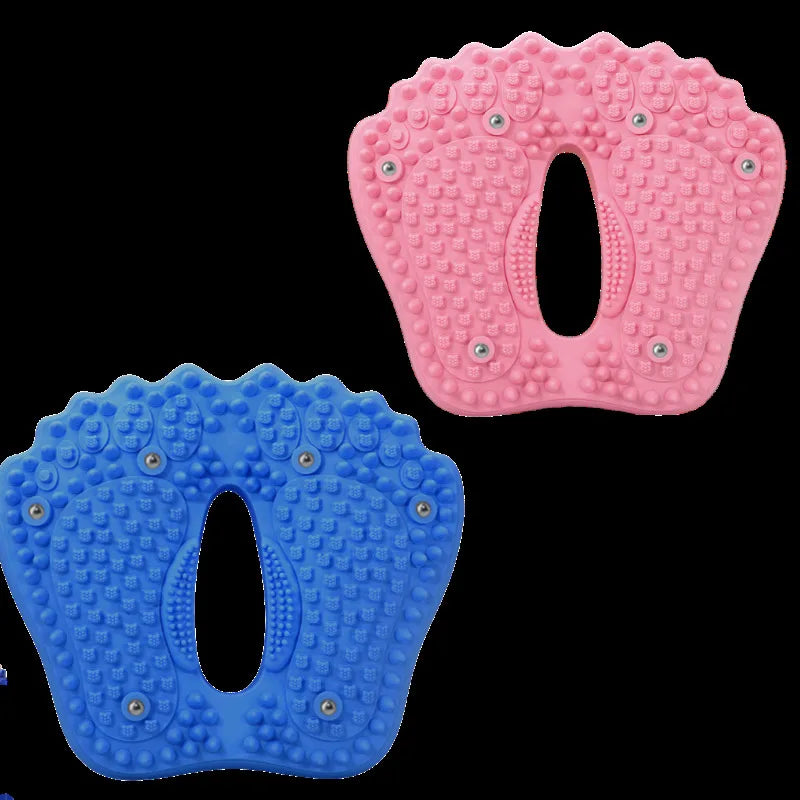
Daily relief starts at your feet — foot reflexology mat for home recovery. See it in action.
What Is a Foot Reflexology Mat and How Does It Help?
Direct answer: A foot reflexology mat is a textured surface designed to apply gentle, evenly distributed pressure across the soles of your feet. By standing, shifting your weight, or slowly rolling your feet over the raised nodes, you stimulate multiple pressure points simultaneously, which may help ease muscle tension, encourage circulation, and support relaxation.
Unlike handheld massage tools that focus on one location at a time, a reflexology mat delivers consistent whole-foot stimulation with minimal effort. This makes it a practical option for people looking to build a simple daily wellness habit at home while reading, stretching, or completing other light activities.
How Reflexology Theory Differs from Acupressure
Although the terms are often used interchangeably, reflexology and acupressure are not identical. Traditional reflexology is based on the concept that specific areas of the feet correspond to different parts of the body, while acupressure focuses on applying pressure to recognized points along energy pathways. From a modern perspective, both approaches share a common goal of providing mechanical stimulation that may promote comfort, relaxation, and temporary pain relief.
- Provides whole-foot pressure instead of targeting a single sore spot
- Encourages consistent daily use with minimal learning curve
- Supports relaxation after long periods of standing or sitting
- Can complement stretching, mobility exercises, and other recovery practices
For those building a complete home wellness routine, pairing foot care with other recovery tools from Body Care and Health Devices can help support everyday comfort from head to toe.
How Do Acupressure Tools Work Compared to a Mat?
An acupressure tool for feet pain relief is designed to concentrate pressure on a specific area rather than the entire sole. By manually controlling the angle, force, and duration, you can work on tight muscles, tender trigger points, or areas affected by plantar fasciitis, heel discomfort, or arch tension. This precision makes acupressure tools a practical choice when one location needs more attention than the rest of the foot.
Unlike a reflexology mat that distributes pressure evenly through body weight, handheld or roller-style tools allow you to adjust intensity throughout each session. This flexibility can be helpful for experienced users, although it also requires more active participation.
Key Characteristics of Acupressure Tools
- Targets individual pressure points with greater precision
- Allows adjustable pressure based on comfort and sensitivity
- Portable enough for use at home, the office, or while traveling
- Suitable for short treatment sessions focused on one problem area
- Pairs well with a reflexology mat as part of a broader recovery routine
Types of Foot Acupressure Tools
The best foot acupressure tools at home come in several designs, each serving a slightly different purpose depending on your recovery goals.
- Massage balls: Ideal for rolling beneath the arch to loosen tight plantar fascia and improve foot mobility.
- Wooden or plastic massage sticks: Designed to apply deeper pressure along the heel, arch, and calf muscles.
- Handheld acupressure tools: Provide precise control for treating small, tender areas.
- Foot rollers: Offer continuous rolling massage across larger portions of the sole with moderate intensity.
Many people find that combining the whole-foot stimulation of a reflexology mat with the precision of an acupressure foot tool provides the most versatile home recovery routine.
Foot Reflexology Mat vs Acupressure Tool: Clear Side-by-Side Comparison
Pressure Coverage
The biggest difference between a foot reflexology mat vs acupressure tool is how pressure is delivered. A reflexology mat stimulates dozens of contact points across the entire sole simultaneously, while an acupressure tool concentrates force on one location at a time.
Comfort and Intensity
Most beginners find a reflexology mat easier to adapt to because body weight naturally distributes pressure. Acupressure tools can create deeper, more localized pressure, making them better suited for treating stubborn sore spots but potentially less comfortable if excessive force is applied.
Portability and Cost
Acupressure tools are generally smaller and easier to carry, making them convenient for travel or office use. Reflexology mats occupy more space but require virtually no technique, making them ideal for regular home sessions. Prices for both categories vary depending on materials and construction, although basic models are widely available at affordable price points.
| Feature | Reflexology Mat | Acupressure Tool |
|---|---|---|
| Pressure Coverage | Entire sole stimulated simultaneously | One pressure point at a time |
| Ease of Use | Simply stand, shift weight, or roll feet | Requires manual positioning and control |
| Pressure Control | Body weight determines intensity | Fully adjustable by the user |
| Comfort Level | Gradual adaptation for most beginners | Can feel intense over sensitive areas |
| Coverage Speed | Whole foot treated in one session | Slower, focused treatment |
| Portability | Best suited for home use | Compact and travel friendly |
| Learning Curve | Minimal | Moderate |
| Best For | Daily wellness, relaxation, circulation support | Localized heel, arch, and plantar fascia discomfort |
| Limitations | Less precise for isolated pain | Does not stimulate the whole foot at once |
For most people comparing a foot massage mat vs acupressure tool, the decision comes down to whether you prefer broad daily relaxation or precise treatment of a specific painful area. Many home users eventually keep both because each fills a different role.
See how a foot reflexology mat fits effortlessly into home recovery.
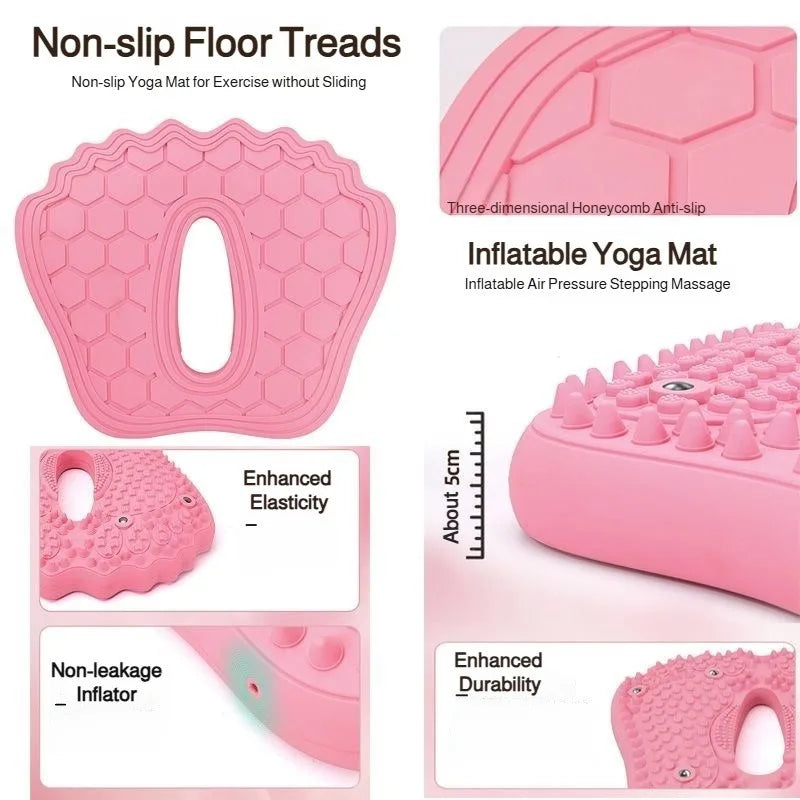
Whole-foot pressure vs pinpoint tools — foot reflexology vs foot massage explained. See it in action.
Who Should Choose a Full Foot Reflexology Mat?
A foot reflexology mat is best suited for people who want consistent, whole-foot stimulation without learning specialized massage techniques. Because it uses body weight to activate multiple pressure points at once, it's an excellent choice for building a simple daily wellness routine that requires little preparation.
Many people experience the greatest foot reflexology mat benefits when using the mat for short sessions several times a week rather than relying on occasional, longer treatments. It is particularly well suited to individuals who spend long hours standing, walking, or sitting and want an easy recovery option at home.
Choose a Mat if You Value:
- Whole-foot pressure that targets multiple areas simultaneously
- Quick daily sessions with minimal effort
- A beginner-friendly tool that requires little technique
- Consistent relaxation and circulation support
- Comfortable use while stretching, reading, or winding down in the evening
- A low-maintenance recovery routine that encourages regular use
The KentDO Inflatable Foot Massage Pad is designed to provide balanced cushioning and pressure, making it a comfortable option for beginners while still delivering effective stimulation for everyday foot care.
Who Benefits More from a Targeted Acupressure Tool?
A targeted acupressure tool is often the better choice when discomfort is concentrated in one specific location rather than spread across the entire foot. Instead of stimulating every pressure point at once, these tools let you control both the position and intensity of the massage, making them useful for experienced users who prefer precision.
Many athletes, runners, and people recovering from repetitive strain appreciate the flexibility of applying extra pressure exactly where it is needed. These acupressure foot tool benefits make handheld rollers and massage balls among the best foot acupressure tools at home for localized treatment.
Choose a Tool if You Prefer:
- Targeted pressure for the heel, arch, or ball of the foot
- Precise control over massage intensity
- Compact equipment that fits easily into a gym bag, suitcase, or desk drawer
- Short treatment sessions focused on trigger points
- A portable recovery solution for travel, work, or post-workout use
- Combining focused acupressure with a full-foot reflexology routine
How to Use a Foot Reflexology Mat Effectively at Home
Learning how to use a reflexology mat at home correctly can make sessions more comfortable while helping you build a consistent recovery routine. Beginners should increase intensity gradually instead of applying maximum pressure from the first use.
Recommended Session Duration
- Begin with 5–10 minute sessions to allow your feet to adapt.
- Gradually increase to 15–20 minutes as the pressure becomes more comfortable.
- Use the mat 3–7 times per week depending on your comfort level and recovery goals.
- Practice on a flat, non-slip surface to improve stability and safety.
- Consider wearing thin socks during the first few sessions if the texture feels too intense.
Progressing Intensity
As your feet become accustomed to the pressure, you can increase intensity naturally by placing more body weight on the mat or slowly shifting your weight from heel to toe. Gentle movement activates more pressure points than standing completely still.
- Roll your feet slowly to vary pressure across the entire sole.
- Pair each session with calf, Achilles tendon, and plantar fascia stretches.
- Practice slow breathing to encourage relaxation during treatment.
- Finish with a short walk to help your feet readjust comfortably.
- If using an acupressure tool, apply targeted pressure only after completing whole-foot stimulation.
Clean the mat regularly according to the manufacturer's instructions, and discontinue use if you experience persistent pain, skin irritation, or worsening symptoms.
Try the KentDO Inflatable Foot Massage Pad and upgrade your at-home routine.
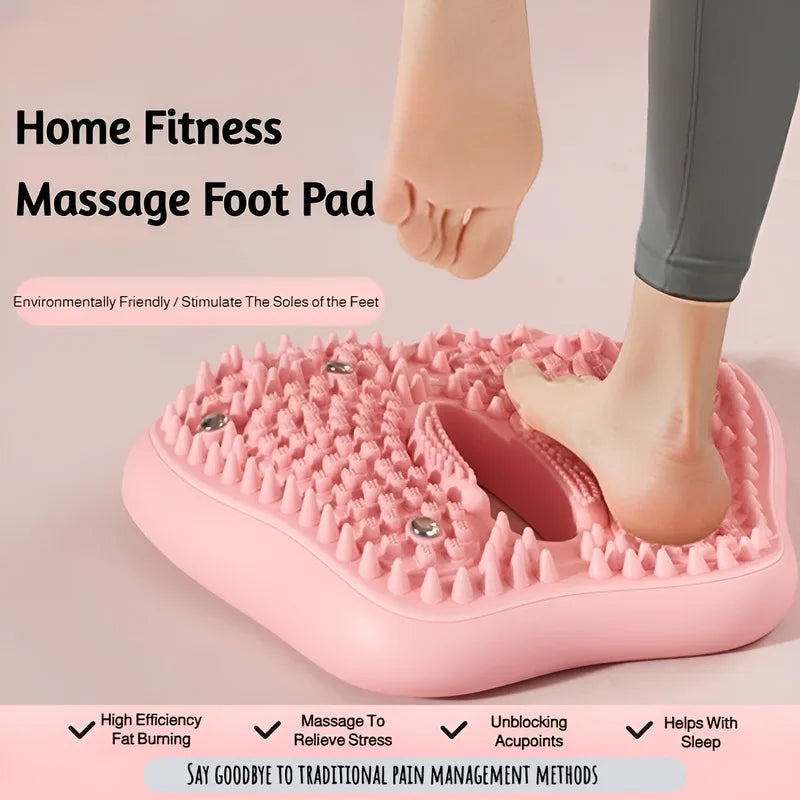
Comfort meets recovery — foot reflexology mat for everyday relief. See it in action.
Buying Guide: Choosing the Best Tool for Your Needs
Before purchasing a foot therapy device, consider how and where you'll use it. The best choice depends less on price and more on whether you need whole-foot relaxation or targeted pressure for specific areas.
- Budget: Basic reflexology mats and handheld acupressure tools are both affordable, while premium models may include improved materials and ergonomic designs.
- Materials: Look for durable, easy-to-clean, non-slip materials that can withstand regular use.
- Comfort: Beginners often prefer softer or cushioned designs, while experienced users may enjoy firmer pressure points.
- Adjustability: Handheld tools offer greater control over pressure intensity, whereas mats provide consistent stimulation with minimal effort.
- Storage: Compact rollers and massage balls are ideal for travel, while mats work best as part of a permanent home wellness setup.
- Long-term Value: Choose products that encourage regular use, as consistency is more important than intensity for most people.
If you're looking for one of the best foot acupressure tools at home , prioritize build quality, comfort, and ease of daily use over unnecessary features.
Final Verdict: Foot Reflexology Mat or Acupressure Tool?
There is no single winner in the foot reflexology mat vs acupressure tool comparison because each serves a different purpose. Your ideal choice depends on whether you want full-foot wellness or precise treatment for localized discomfort.
Decision Matrix by User Type
| User Type | Recommended Option | Why |
|---|---|---|
| Beginners | Foot Reflexology Mat | Easy to use with whole-foot coverage |
| People standing all day | Foot Reflexology Mat | Supports relaxation and everyday recovery |
| Travelers | Acupressure Tool | Lightweight and portable |
| Plantar fasciitis discomfort | Acupressure Tool or Combination | More precise pressure where needed |
| Daily wellness routine | Foot Reflexology Mat | Simple, consistent whole-foot stimulation |
| Athletes | Combination of Both | Whole-foot recovery plus targeted treatment |
- Choose a Foot Reflexology Mat: For daily relaxation, whole-foot stimulation, circulation support, and an easy home wellness routine.
- Choose an Acupressure Tool: For focused treatment of sore arches, heels, plantar fascia, or other localized areas.
- Choose Both: Start with the mat to warm up the feet, then use an acupressure tool on specific tender spots for a more comprehensive recovery session.
Frequently Asked Questions
Is a Foot Reflexology Mat Painful?
Mild discomfort is common during the first few sessions, especially if your feet are sensitive. Most people adapt over time. Wearing thin socks and shortening the session can make the adjustment more comfortable.
How Often Should I Use a Foot Reflexology Mat?
For most healthy adults, 5–20 minutes per session, three to seven times per week, provides a practical routine. Adjust frequency according to your comfort level and discontinue use if discomfort persists.
Can I Combine a Mat with Other Wellness Tools?
Yes. Combining a reflexology mat with massage rollers, massage balls, or other recovery devices can provide both whole-foot stimulation and targeted pressure. Use the mat first, followed by localized treatment if needed.
Is Acupressure Safe for Feet?
For most people, acupressure is safe when gentle, appropriate pressure is used. Avoid treating open wounds, infections, recent fractures, or areas with severe swelling unless advised by a healthcare professional. People with diabetes, significant circulation disorders, or reduced sensation should consult a clinician before beginning a new foot therapy routine.
Which Is Better for Plantar Fasciitis?
A targeted acupressure tool often provides more precise relief for plantar fascia discomfort, while a reflexology mat can support overall foot relaxation. Many people with mild symptoms benefit from combining both alongside stretching and supportive footwear.
Can I Use These Tools Every Day?
Yes, daily use is appropriate for many people if sessions remain comfortable. Increase intensity gradually and allow your feet to recover if soreness develops.
Experience daily relief with the KentDO Inflatable Foot Massage Pad .
Related Guide: Foot Massage Mat Comparison Guide for Home Relief













