

Portable Clothes Dryer Benefits: Smart Drying Solutions for Small Homes
⏱ 6 min read
Drying laundry indoors can be one of the biggest challenges in apartments, condos, dorms, and other compact living spaces. Clothes racks occupy valuable floor space, damp garments may take a full day or longer to dry, and excess moisture can contribute to stale odors. A freestanding portable laundry dryer offers a practical alternative by speeding up indoor drying while requiring little space and no permanent installation.
This guide explains how a portable clothes dryer works, its biggest advantages, realistic limitations, and how to determine whether it's the right laundry solution for your home.
Explore how this dryer fits your space
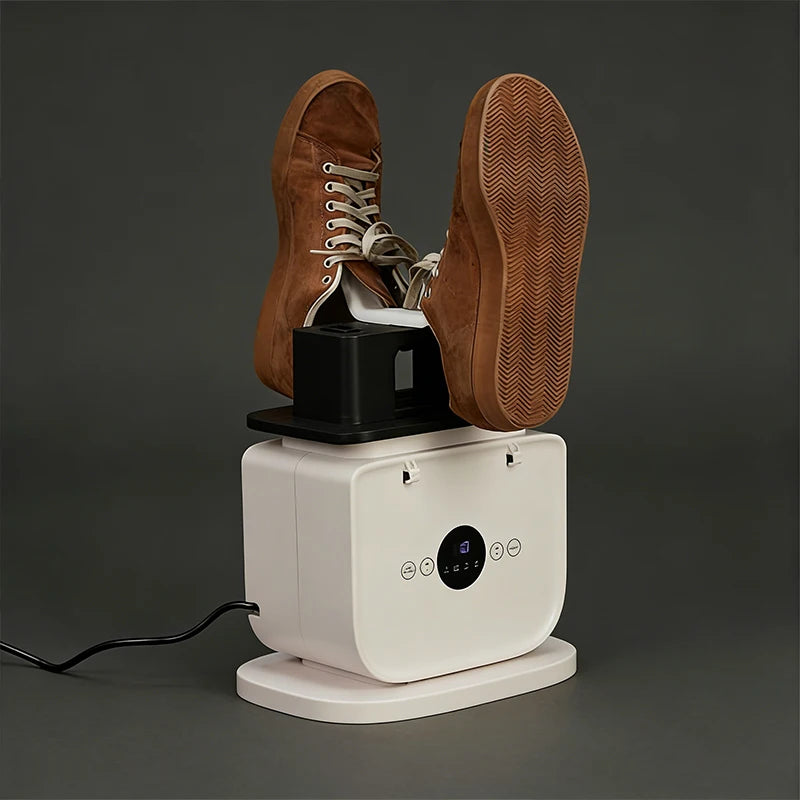
Freestanding portable laundry dryer for indoor drying clothes — See it in action
What Is a Portable Clothes Dryer and How Does It Work?
A portable clothes dryer is a compact laundry appliance designed for homes where space is limited or permanent installation isn't practical. Unlike traditional full-size dryers, a freestanding portable laundry dryer is lightweight, easy to move, and can often be folded or stored when not in use.
Portable dryers generally fall into two categories:
- Enclosed warm-air dryers that circulate heated air around hanging clothes inside a fabric enclosure.
- Compact drum dryers that tumble clothing in a smaller rotating drum.
Regardless of design, the drying process is similar. Warm air circulates around damp clothing, encouraging moisture to evaporate. Continuous airflow helps carry moisture away while maintaining a controlled drying environment that is suitable for indoor use.
Compared with air drying indoors, a small home laundry dryer typically shortens drying time significantly. Actual performance depends on clothing thickness, load size, room temperature, and humidity. Lightweight garments may dry within a couple of hours, while towels or heavier fabrics generally require more time.
Because portable dryers have a smaller capacity than conventional machines, they're best suited to light or moderate laundry loads rather than large family wash days.
Why Use a Portable Clothes Dryer? The Biggest Benefits
Saves Space in Apartments and Small Homes
One of the biggest portable clothes dryer benefits is its compact footprint. Instead of dedicating an entire laundry area to drying, many models fit comfortably in bedrooms, bathrooms, closets, or unused corners. Foldable designs also make storage easy when the dryer isn't needed.
Dries Clothes Faster Than Indoor Air Drying
Indoor air drying often takes 24 to 48 hours, especially during humid weather. A portable dryer speeds up the process by using continuous warm airflow, making it much easier to have clean clothes ready the same day.
Provides Flexible Drying for Renters, Dorms, RVs, and Travel
Unlike permanently installed dryers, portable models can move with you. This flexibility makes them practical for renters, students, temporary housing, vacation homes, and RV owners who need reliable indoor clothes drying solutions.
Helps Manage Humidity, Musty Odors, and Damp Laundry
Leaving wet laundry hanging throughout your home can increase indoor moisture and create musty smells. By concentrating warm airflow inside an enclosed drying area, many portable dryers reduce the amount of moisture released into your living space compared with traditional clothes racks.
Can Offer Gentler Fabric Care Than High-Heat Dryers
Many compact dryers operate at lower temperatures than large household dryers. While drying may take slightly longer, the gentler heat can reduce stress on delicate fabrics and help minimize shrinkage or excessive wear.
Like any appliance, however, portable dryers work best when you avoid overloading them and choose appropriate drying times for different fabric types.
Learn how this compact dryer works at home
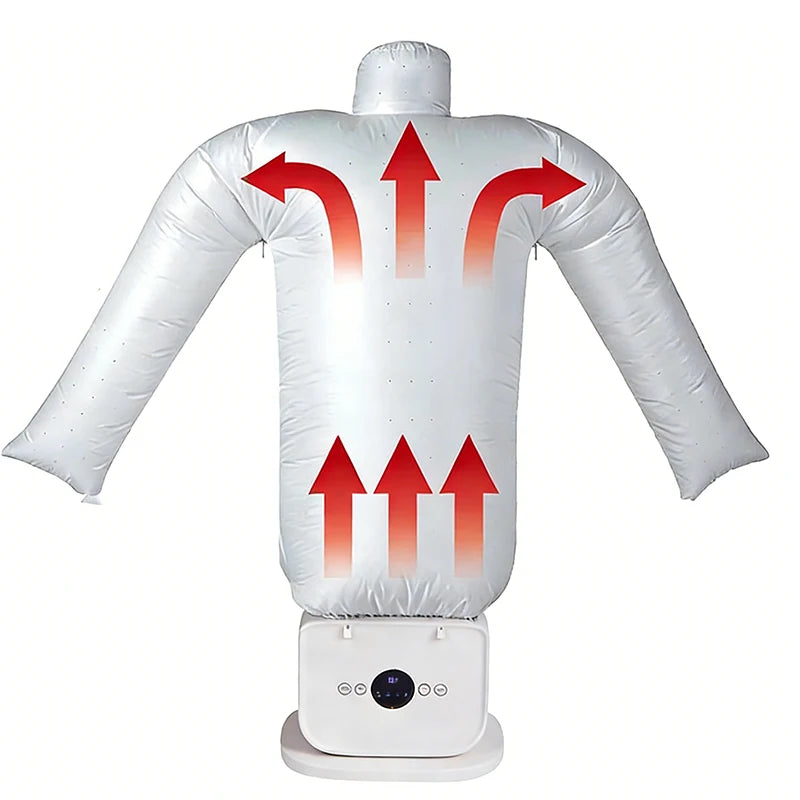
Space saving dryers designed for apartments — See it in action
Portable Clothes Dryer vs Air Drying vs Full-Size Dryer
Space and Installation Requirements
Full-size dryers require dedicated floor space and, in many cases, permanent installation. Portable dryers occupy far less room and can be stored between uses, while air-drying racks often remain set up throughout the drying process.
Drying Speed and Daily Convenience
Air drying is inexpensive but slow. Portable dryers offer noticeably faster drying without requiring a dedicated laundry room, while full-size dryers remain the quickest option for handling heavy or frequent laundry loads.
Energy Use and Operating Costs
Portable dryers generally consume less electricity than standard household dryers because of their smaller heating systems and lighter loads. However, electricity costs vary depending on drying time and frequency of use.
Fabric Care and Drying Control
Portable dryers often provide gentler drying than high-capacity machines, while air drying eliminates heat exposure altogether. Choosing the right option depends on balancing convenience, drying speed, and fabric care.
| Feature | Portable Dryer | Air Drying | Full-Size Dryer |
|---|---|---|---|
| Space Required | Compact | Drying rack needed | Large dedicated area |
| Installation | None | None | Usually required |
| Drying Speed | Moderate to fast | Slow | Fastest |
| Best For | Apartments and small homes | Occasional drying | Large households |
Portable Clothes Dryer Benefits by Living Situation
Apartments, Studios, and Condos
Limited square footage makes every inch count. A portable clothes dryer for apartments offers efficient drying without permanently occupying valuable living space.
Dorms, Rentals, and Temporary Homes
People who move frequently often can't install traditional laundry appliances. Portable dryers provide a practical solution that can travel from one residence to another.
RVs, Travel, and Limited Laundry Access
Compact dryers are useful when laundromats aren't always convenient. Smaller loads are easier to manage during extended travel or camping trips with electrical hookups.
Humid Climates and Homes Without Outdoor Drying Space
Rainy seasons and humid weather can dramatically extend air-drying times. Portable dryers help maintain a more predictable laundry routine regardless of outdoor conditions.
Small Households and Light Laundry Loads
Singles, couples, and households that wash smaller loads regularly often benefit the most. Larger families with multiple daily loads may still prefer the capacity of a conventional dryer.
What Are the Downsides of Portable Clothes Dryers?
Smaller Capacity and More Frequent Loads
The compact size that makes portable dryers convenient also limits how much laundry can be dried at one time. Large bedding or bulky comforters may not fit comfortably.
Different Drying Speeds by Dryer Type
Enclosed warm-air models and compact drum dryers don't all perform identically. Some prioritize portability over speed, while others offer faster drying with slightly larger footprints.
Noise, Ventilation, and Moisture Considerations
Although many portable dryers are relatively quiet, they still require adequate airflow around the appliance. Following manufacturer recommendations helps maintain efficient operation and prevents unnecessary moisture buildup.
Energy Costs and Long-Term Value
Portable dryers consume electricity whenever they operate. For people who only dry laundry occasionally, air drying may still be sufficient. For frequent indoor drying in small homes, however, the added convenience often outweighs the operating cost.
How to Choose the Right Portable Clothes Dryer for a Small Space
Match Capacity to Your Typical Laundry Load
Select a dryer that fits your weekly laundry habits. Buying a model that's too small may require multiple drying cycles.
Check Drying Method, Power Needs, and Ventilation
Consider whether you prefer an enclosed warm-air design or a compact drum dryer. Confirm the electrical requirements and ensure the dryer can operate safely in your available space.
Consider Noise, Storage, and Portability
If you'll be using the dryer in a bedroom or studio apartment, quieter operation and foldable storage become especially valuable.
Compare Energy Use and Drying Performance
The best portable dryer for small spaces balances efficient energy use with drying performance that matches your household's needs rather than simply offering the highest heat output.
How to Use a Portable Clothes Dryer More Effectively
- Spin clothes thoroughly after washing to remove excess water.
- Separate heavy towels from lightweight garments.
- Avoid overcrowding the drying chamber so warm air can circulate freely.
- Use the recommended drying time for different fabric types.
- Allow the dryer to cool before folding and storing it after use.
Following these simple habits improves drying performance, reduces energy consumption, and helps clothing dry more evenly.
Who Benefits Most From a Portable Clothes Dryer?
A portable clothes dryer is an excellent choice for:
- Apartment residents with limited laundry space
- Renters who cannot install permanent appliances
- People living in humid or rainy climates
- Students and temporary households
- RV owners and frequent travelers
- Small households with light-to-moderate laundry needs
If you regularly wash very large loads or oversized bedding, a full-size dryer may still be the more practical long-term solution.
Get yours now — limited stock!
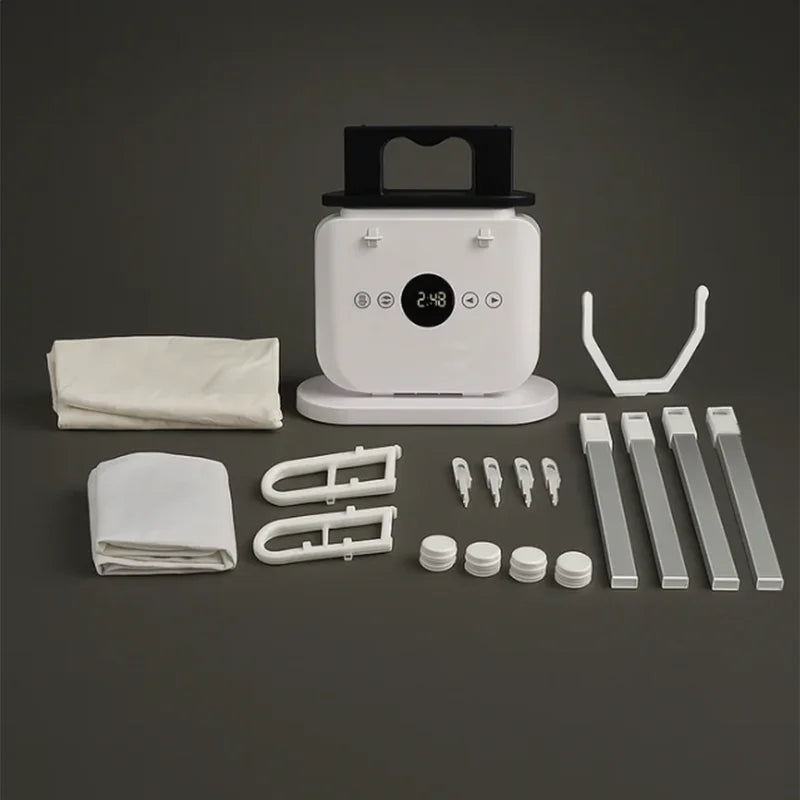
Portable clothes dryer for apartments — See it in action
Frequently Asked Questions About Portable Clothes Dryer Benefits
Are portable clothes dryers worth it?
For apartments, rentals, and small homes where traditional dryers aren't practical, portable dryers offer a strong balance of convenience, space savings, and faster indoor drying.
What are the main benefits of a portable clothes dryer?
The primary advantages include compact storage, quicker drying than indoor air drying, flexible placement, improved moisture management, and no permanent installation.
How does a portable clothes dryer work?
It circulates warm air around damp clothing inside a compact drying area, allowing moisture to evaporate more quickly while maintaining controlled airflow.
Are portable clothes dryers good for apartments?
Yes. They're specifically designed for limited spaces and can usually be stored when not in use.
Do portable clothes dryers use a lot of electricity?
Most use less electricity than full-size dryers because they're designed for smaller loads, although actual energy consumption depends on usage frequency and drying time.
Can portable clothes dryers help with indoor humidity?
They can reduce prolonged indoor dampness by drying clothes more quickly than leaving laundry on racks for extended periods.
How much laundry can a portable clothes dryer handle?
Capacity varies by model, but most are designed for light to moderate household loads rather than large family-sized batches.
Are portable clothes dryers better than air drying?
They generally dry clothes faster and reduce the inconvenience of indoor drying, while air drying remains the lowest-cost option when time and space aren't concerns.
Related Guide: Heated Air Dryer for Clothes Features That Matter Most













