Home Setup for Frequent Power Outages: Complete Guide to Reliable Backup Power
If you live in an area with frequent power outages , having a reliable backup power strategy is no longer optional—it's essential. A well-planned home setup for frequent power outages protects your appliances, keeps critical systems running, and helps your family stay safe and comfortable during blackouts.
This guide explains how to prepare for power outages at home, compare backup technologies, size a home battery system, and build a scalable solution using generators, battery storage, or an off-grid solar system.
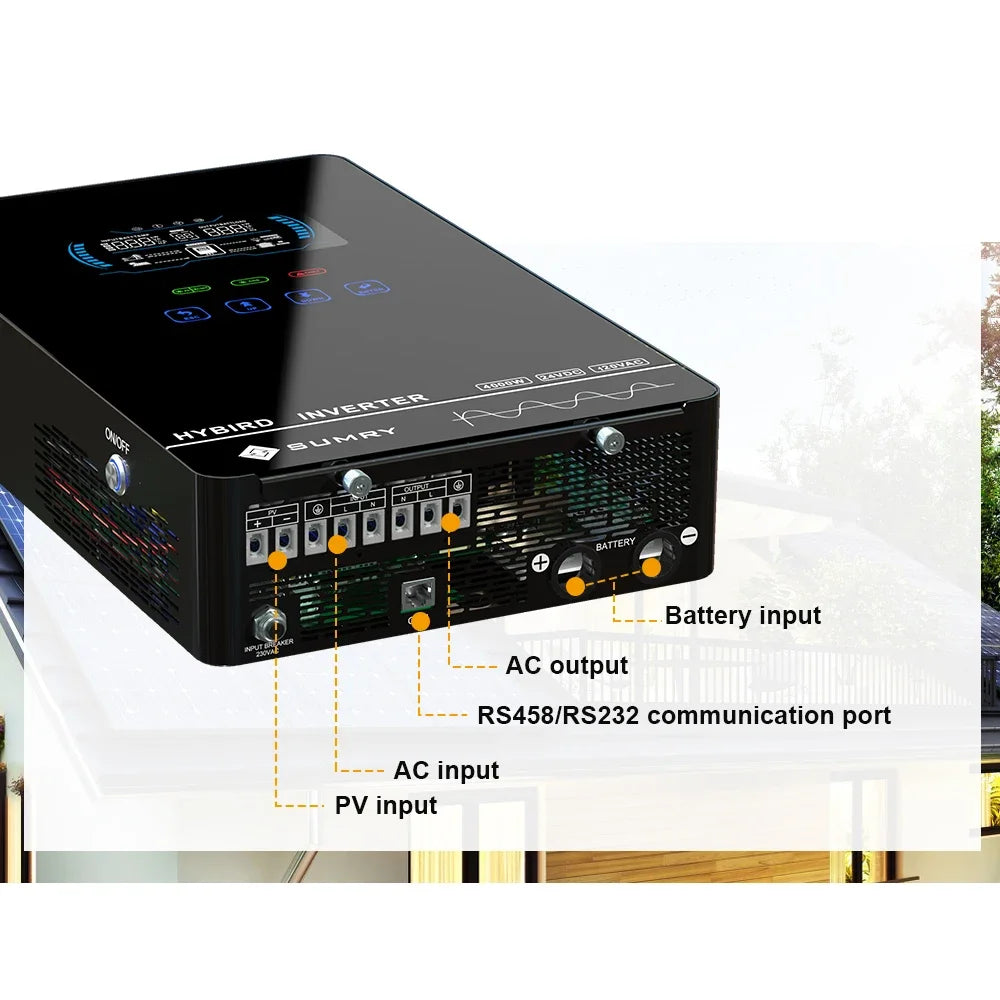
Frequent power outages home setup with solar backup — See it in action
Why Frequent Power Outages Happen and How They Affect Your Home
Common Causes of Recurring Outages
Power interruptions can happen anywhere, but they are more common in regions with aging electrical infrastructure, severe weather, wildfire prevention shutoffs, hurricanes, winter storms, or overloaded utility grids. Rural communities may also experience longer restoration times because of greater distances between service areas.
Understanding why outages occur helps you build a home setup for frequent power outages that matches your actual risk rather than relying on temporary solutions.
Hidden Costs of Repeated Blackouts
Frequent outages affect much more than lighting. Over time they can lead to:
- Food spoilage from refrigerators and freezers losing power
- Interrupted remote work and internet connectivity
- Damage to sensitive electronics from voltage fluctuations
- Security concerns when alarms and outdoor lighting stop working
- Health risks for households using medical equipment
- Unexpected expenses from replacing damaged appliances
Learning how to live with frequent power outages starts with improving your home's resilience instead of reacting after every blackout.
How to Prepare for Power Outages at Home
Step 1: Calculate Your Essential Power Needs
Create a list of appliances that must continue operating during an outage, such as your refrigerator, internet router, lighting, medical equipment, sump pump, or home office devices. Record both their wattage and estimated daily operating hours.
Step 2: Prioritize Critical vs Non-Critical Loads
Separate your electrical loads into priority levels.
- Critical: refrigerator, freezer, lighting, Wi-Fi, medical devices, communication equipment
- Important: television, ceiling fans, laptop chargers
- Optional: electric ovens, clothes dryers, large air conditioners and pool equipment
This approach helps maximize battery runtime without oversizing your system.
Step 3: Estimate Outage Duration
Think about how long outages typically last in your area.
- Less than 2 hours: portable power station may be enough.
- Several hours: battery backup system works well.
- One day or longer: solar plus battery or hybrid backup provides better resilience.
Step 4: Build an Emergency Power Plan
Prepare a simple household checklist before outages occur.
- Keep backup batteries fully charged.
- Store emergency lighting in accessible locations.
- Know which breakers control essential circuits.
- Test your backup system regularly.
- Share emergency procedures with everyone in your household.
Essential Appliance Wattage Planning
Typical Wattage Table
| Appliance | Typical Running Watts |
|---|---|
| LED light | 8-15 W |
| Wi-Fi router | 10-25 W |
| Laptop | 40-90 W |
| Refrigerator | 150-300 W |
| Chest freezer | 200-400 W |
| Microwave | 800-1,500 W |
| Sump pump | 800-1,500 W |
Starting vs Running Watts
Many appliances with electric motors require significantly more power during startup than during normal operation. Your inverter must be sized to handle these temporary surge loads to prevent unexpected shutdowns.
Sample Household Calculations
A home needing a refrigerator (250 W), lighting (100 W), internet (20 W), laptops (120 W), and several small devices may require roughly 500 to 700 watts continuously, making it much easier to estimate appropriate backup power solutions for home .
Backup Power Solutions for Home
The best backup solution depends on your budget, outage frequency, and energy requirements.
Portable Power Stations
Ideal for apartments, renters, and short blackouts. They operate quietly and require almost no maintenance but provide limited runtime.
Gasoline, propane, and diesel generators can power larger loads for extended periods. However, they require fuel storage, regular maintenance, and safe outdoor operation.
Solar Backup System for Outages
A solar backup system combines solar panels, batteries, and an inverter to provide renewable energy during daytime while storing excess electricity for nighttime or emergency use.
Home Battery Backup System
Battery systems automatically deliver stored electricity during outages and can recharge from the grid or solar panels depending on system design.
Whole House Backup Power Solutions
Whole-home systems combine properly sized batteries, transfer equipment, and inverters to support multiple circuits throughout the home. They are especially valuable in regions with frequent or prolonged outages.
How to Size a Home Battery Backup System
Battery Capacity Formula
Battery capacity is measured in kilowatt-hours (kWh).
Required Battery Capacity = Total Running Watts × Backup Hours ÷ 1000
Example Calculation
If your essential household load equals 2,000 watts and you want five hours of backup:
2,000 × 5 = 10,000 Wh = 10 kWh
Inverter Sizing
Select an inverter capable of supporting both continuous power and appliance startup surges. Adding a 20-30% safety margin helps avoid overloads.
Battery Runtime Estimator
Longer runtime depends on battery capacity, appliance efficiency, inverter losses, and weather conditions if solar charging is involved. Conservative sizing generally provides better long-term reliability.
Building an Energy-Independent Solar Backup System
Off Grid Solar Inverter Setup
An off-grid solar inverter manages power flow between solar panels, batteries, household loads, and backup charging sources. It automatically supplies stored energy when grid power becomes unavailable.
Battery Storage Integration
Combining battery storage with solar generation allows excess daytime electricity to recharge batteries for overnight use, improving self-sufficiency while reducing dependence on utility power.
- Grid-tied: lowest upfront cost but limited backup capability unless batteries are included.
- Hybrid: combines utility power, batteries, and solar for improved flexibility.
- Off-grid: designed for complete energy independence in remote locations.
An energy independence solar system offers one of the most resilient long-term approaches for homes experiencing repeated outages.
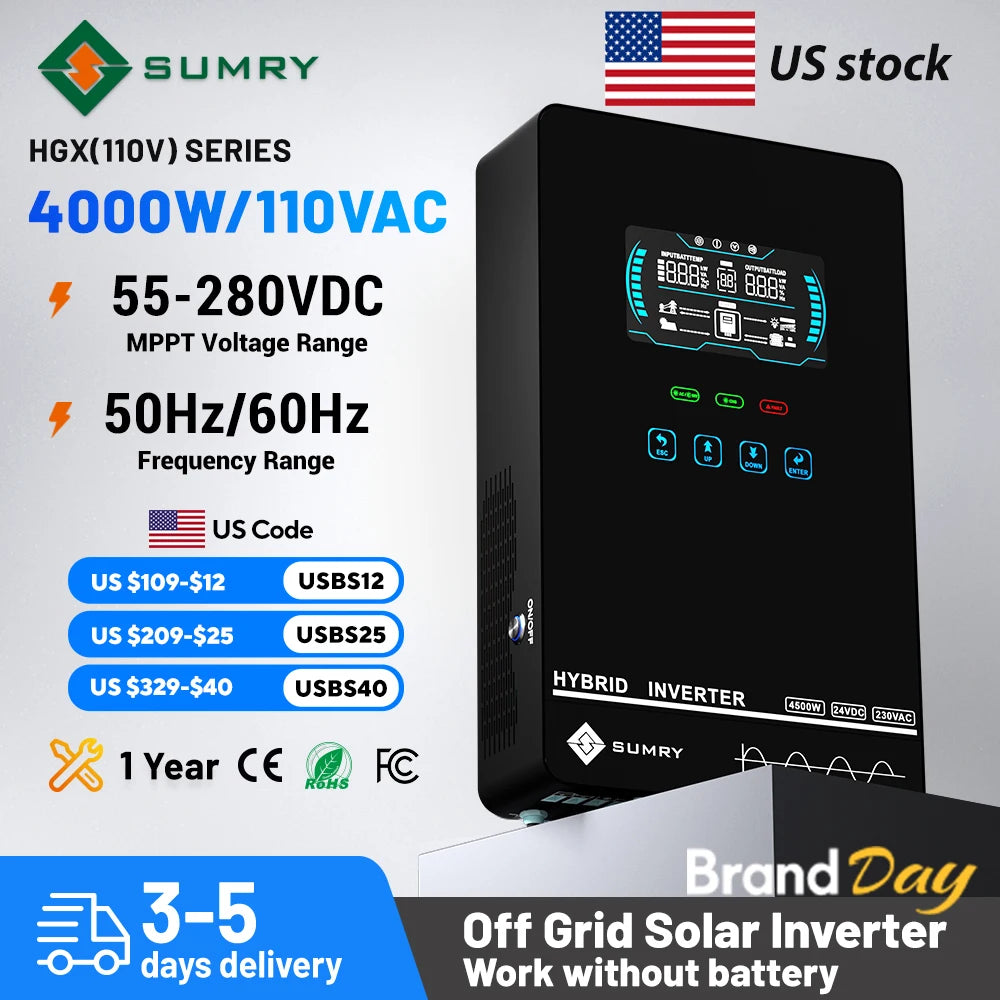
Off grid solar inverter powering a home — See it in action
Choosing the Right Backup Strategy
Battery Only
Best for neighborhoods with short, predictable outages where quiet operation and minimal maintenance are priorities.
Generator Only
Suitable for occasional long outages when fuel availability is reliable.
Solar Plus Battery
Excellent for households seeking lower operating costs, renewable energy, and dependable daily charging.
Hybrid Generator Plus Battery
Ideal for regions with severe weather or extended outages, combining battery efficiency with generator backup for maximum resilience.
Choosing the Best Batteries for Power Outages
Lithium vs Lead-Acid
- Lithium: higher efficiency, faster charging, deeper discharge capability, and longer lifespan.
- Lead-acid: lower purchase cost but heavier, shorter-lived, and requires more maintenance.
Battery Lifespan
Cycle life varies significantly by battery chemistry. Although lithium systems generally cost more initially, they often provide a lower total cost of ownership over many years.
Maintenance Needs
When evaluating the best batteries for power outages , compare cycle ratings, warranty, operating temperature range, and recommended maintenance schedules in addition to purchase price.
Installation, Transfer Switches, and Electrical Safety
Manual vs Automatic Transfer Switches
A transfer switch safely disconnects your home from the utility before backup power is supplied. Automatic transfer switches respond immediately, while manual switches require homeowner intervention.
- Operate generators outdoors only.
- Keep exhaust away from windows and doors.
- Never connect a portable generator directly to household outlets.
Battery Safety
Install batteries in accordance with manufacturer recommendations, maintain proper ventilation where required, and inspect cables regularly for wear or corrosion.
Professional Installation
Whole-house systems should always be installed by qualified electricians to meet local electrical codes and prevent dangerous backfeeding.
Maintenance Checklist for Reliable Backup Power
Monthly Checks
- Inspect cables and electrical connections.
- Verify battery charge levels.
- Run a short backup power test.
Seasonal Inspections
- Clean ventilation openings.
- Inspect solar panels for debris if installed.
- Test transfer switch operation.
Battery Monitoring
Monitor battery health through the manufacturer's management system, watch for declining capacity, and replace aging batteries before reliability becomes an issue.
Real-World Home Setup Examples
Small Apartment
A compact battery station powering lights, internet equipment, phones, and laptops is often sufficient for short outages.
Suburban Family Home
A hybrid battery and solar system can support refrigeration, communications, lighting, and selected household circuits during extended blackouts.
Rural Home
A dedicated rural home power backup system using solar panels, battery storage, and an off-grid inverter provides greater independence where utility restoration may take days.
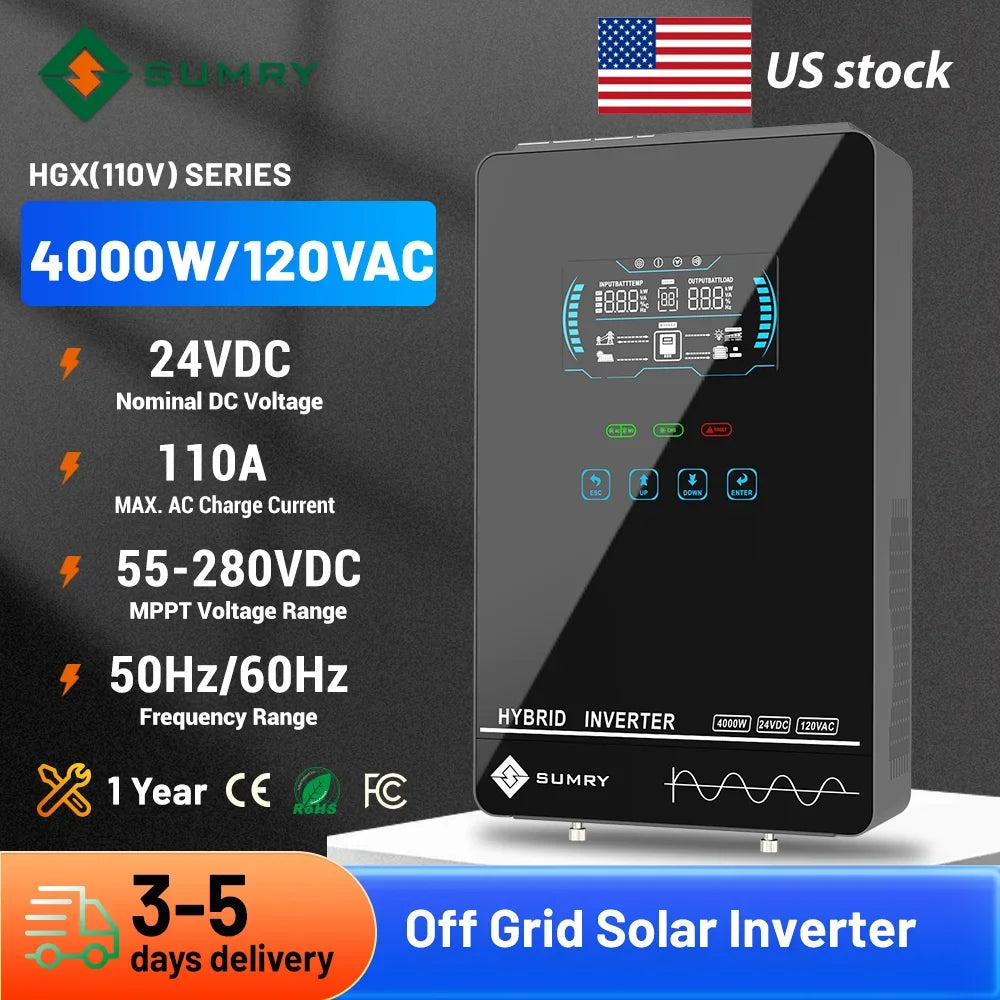
Energy independence solar home backup — See it in action
Related Guide: Home Power Outage Solutions for Families Who Need Reliability
Frequently Asked Questions
How much battery capacity does an average home need during a power outage?
It depends on the appliances you want to operate. Many households require between 5 and 15 kWh to support essential loads during several hours of outage.
Can a solar backup system work during a blackout?
Yes. Systems equipped with battery storage and a compatible inverter can continue supplying power even when the electrical grid is unavailable.
What is the difference between a transfer switch and an interlock kit?
Both prevent unsafe backfeeding, but transfer switches are dedicated devices designed specifically for backup systems, while interlock kits mechanically prevent simultaneous connection of utility and generator power.
Is a generator or home battery better for frequent power outages?
Batteries provide quiet operation and low maintenance, while generators excel during very long outages. Hybrid systems combine the advantages of both.
How do I choose the best batteries for power outages?
Compare battery chemistry, usable capacity, warranty, cycle life, efficiency, operating temperature range, and maintenance requirements before purchasing.
Can I power my entire house with an off grid solar inverter setup?
Yes, provided the inverter, battery bank, and solar array are properly sized to meet your home's peak and daily energy demands.
What is the most cost-effective backup power solution for rural homes?
For locations with frequent long outages, a solar-plus-battery system often delivers lower long-term operating costs than relying solely on fuel-powered generators.
How often should a home backup power system be maintained?
Perform basic inspections monthly, conduct seasonal system testing, and follow the manufacturer's recommended maintenance schedule to ensure reliable performance.