

Gel vs Memory Foam Seat Cushion: Which Is Better for Comfort, Support & Pain Relief?
⏱ 7 min read
Choosing between a gel cushion vs memory foam seat cushion can be confusing. Both materials promise better comfort, improved posture, and relief from long hours of sitting. But the way they support your body—and how they manage heat, pressure, and durability—can be very different. Whether you're considering a gel memory foam seat cushion or comparing materials for your office chair or car seat, understanding how each option works will help you make a smarter choice.
See price — stock low!
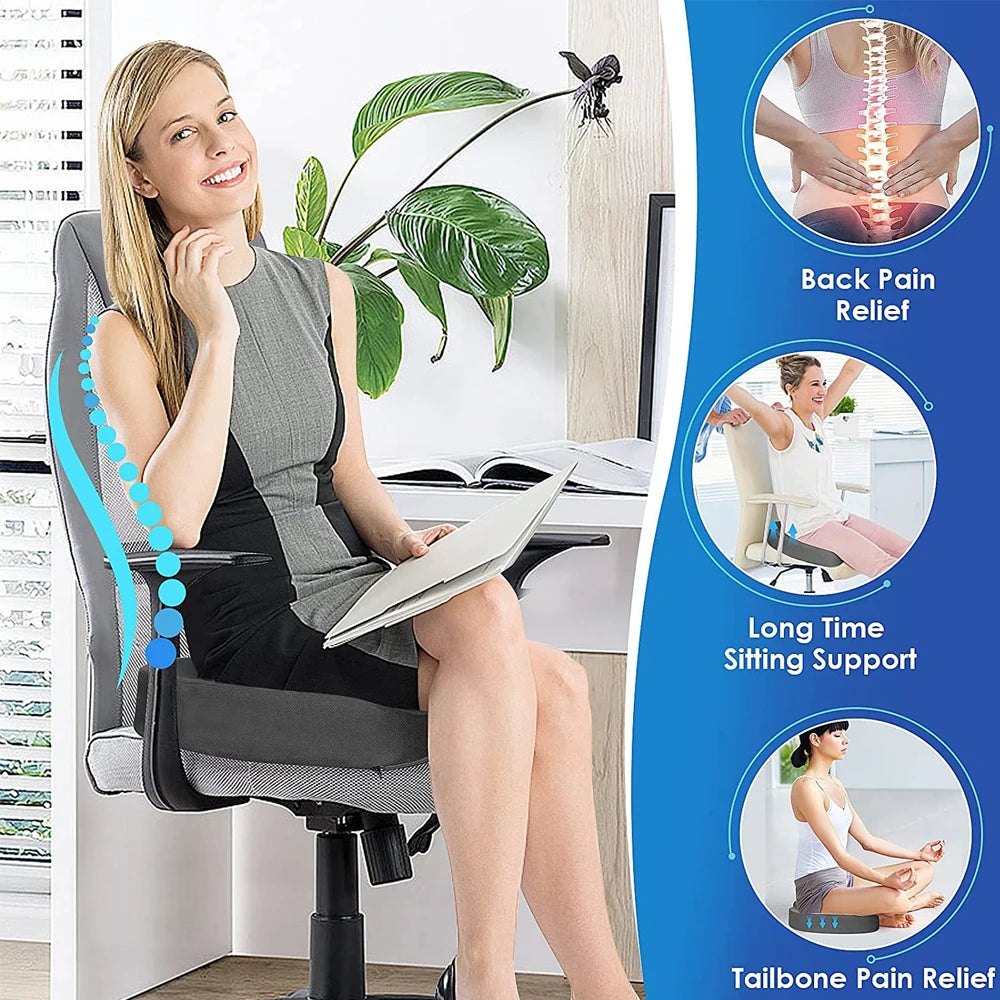
Gel and memory foam seat cushion — discover cooling relief and posture support in one.
Gel vs Memory Foam Seat Cushion: Quick Comparison
Side-by-Side Feature Comparison
- Comfort: Memory foam molds closely to your body, while gel cushions provide a firmer and more responsive feel.
- Pressure Relief: Memory foam distributes body weight evenly; gel cushions reduce pressure through flexible grid or gel layers.
- Cooling: Gel cushions are typically cooler and more breathable than memory foam.
- Support: Memory foam offers deeper contouring support for long sitting sessions.
- Durability: High-density memory foam generally maintains its shape longer than soft gel cushions.
- Best For: Memory foam works well for office chairs and tailbone relief, while gel cushions are ideal for hot environments and short sitting periods.
Who Wins in Each Category?
When comparing a gel seat cushion vs memory foam, neither material wins every category. The better option depends on your priorities, body type, sitting duration, and comfort preferences.
- Cooling: Gel wins
- Pressure relief: Memory foam wins
- Tailbone support: Memory foam wins
- Breathability: Gel wins
- Shape conformity: Memory foam wins
- Ease of cleaning: Gel wins
- Long office sessions: Memory foam wins
- Hot climates: Gel wins
- Overall versatility: Hybrid cushions win
Quick Decision Guide
Choose a gel seat cushion if heat build-up, sweating, or airflow are your biggest concerns. Choose a memory foam seat cushion if pressure relief, tailbone support, or all-day sitting comfort matter most. If you want both cooling and pressure distribution, a hybrid gel-memory foam cushion is often the best compromise.
What Is a Gel Seat Cushion?
How Gel Cushions Work
A gel seat cushion uses flexible gel materials arranged in grid, honeycomb, or layered designs to distribute body weight. As pressure is applied, the gel shifts and spreads force across a larger area, helping reduce pressure concentration.
Many gel cushions also feature open structures that allow air circulation. This improved airflow helps reduce heat build-up, making gel cushions a popular choice for warm offices, vehicles, and summer use.
Pros and Cons of Gel Cushions
-
Pros:
- Excellent airflow and cooling
- Responsive support that rebounds quickly
- Often lightweight and portable
-
Cons:
- May feel firmer than memory foam
- Some lower-quality designs flatten over time
- Less contouring around hips and thighs
Do Gel Cushions Really Work?
Many buyers ask whether gel seat cushions are genuinely effective or simply a marketing trend. In practice, gel cushions can work well for reducing heat build-up and improving comfort during moderate sitting periods.
The flexible gel structure distributes body weight across a larger surface area, which can reduce localized pressure. However, gel cushions typically provide less contouring support than memory foam, making them less effective for users seeking deep pressure relief or significant tailbone cushioning.
Gel cushions are most beneficial for:
- People who feel hot while sitting
- Drivers in warm climates
- Office workers who prioritize airflow
- Users who dislike the sinking sensation of memory foam
They may be less suitable for individuals with severe coccyx pain, sciatica, or those who sit for extremely long periods without breaks.
What Is a Memory Foam Seat Cushion?
How Memory Foam Cushions Work
Memory foam seat cushions are made from viscoelastic polyurethane foam that reacts to body heat and pressure. As you sit, the foam contours around the hips, thighs, and tailbone to create a customized support surface.
This contouring effect spreads body weight more evenly, helping reduce pressure points and sitting fatigue. For many users, memory foam delivers a softer and more supportive experience during prolonged sitting.
Pros and Cons of Memory Foam Cushions
-
Pros:
- Excellent pressure relief and contouring
- Supports natural spinal alignment
- Comfortable for long sitting sessions
-
Cons:
- Can retain heat if not ventilated
- Some users find it too soft
- Low-density foam may flatten over time
When Memory Foam Performs Best
Memory foam performs best when pressure relief and body contouring are the primary goals. Unlike gel cushions, memory foam adapts to body shape and helps spread weight more evenly across the sitting surface.
- Extended office work sessions
- Long-distance driving
- Tailbone discomfort
- Sciatica symptoms
- Lower back pressure management
- Posture improvement efforts
High-density memory foam generally delivers the best balance of support, comfort, and durability. For users spending more than six hours seated daily, memory foam often provides better long-term comfort than gel alone.
Gel vs Memory Foam Seat Cushion: Key Differences Explained
Pressure Relief and Weight Distribution
Memory foam is known for superior pressure relief. Because it slowly conforms to your body, it distributes weight evenly and reduces pressure on sensitive areas such as the hips and tailbone.
Gel cushions disperse pressure through flexible structures rather than contouring. While this still helps reduce discomfort, it generally does not match the deep pressure relief of memory foam.
Users researching coccyx support or sciatica-friendly seating often gravitate toward memory foam because of its ability to reduce concentrated pressure points during extended sitting.
Heat Retention and Breathability
Cooling performance is one of the biggest differences between these cushion types. Gel cushions typically allow airflow through open structures that help release heat.
Traditional memory foam may retain warmth, although many modern designs include ventilation holes or cooling gel layers to improve breathability.
Support and Ergonomics
Memory foam cushions provide structured ergonomic support by molding around the pelvis and encouraging natural spinal alignment. This makes them popular for office chairs and prolonged sitting.
Gel cushions provide a more responsive sitting surface that rebounds quickly when you move, which some people prefer for short sitting periods.
For users focused on posture correction and ergonomic workstation comfort, memory foam generally delivers more consistent support throughout the day.
Durability and Shape Retention
High-density memory foam usually retains its shape longer than soft gel materials. Over time, some gel cushions may stretch or lose firmness.
However, reinforced gel grid designs can still provide durable support if the material thickness is sufficient.
Responsiveness and Movement
A frequently overlooked difference between gel and memory foam seat cushions is responsiveness. Gel cushions rebound almost immediately after pressure is removed, while memory foam slowly returns to its original shape.
This affects how the cushion feels during movement. People who frequently shift positions may prefer gel because it reacts instantly and feels more dynamic. Memory foam tends to feel more stable and supportive but can create a deeper cradle effect.
- Frequent movement: Gel advantage
- Stable seated posture: Memory foam advantage
- Active work environments: Gel advantage
- Extended seated tasks: Memory foam advantage
Cleaning and Maintenance
Maintenance requirements differ between gel and memory foam cushions. Gel materials are naturally resistant to moisture and can often be wiped clean. Memory foam requires more care because moisture may affect the foam structure over time.
- Gel cushions are easier to wipe down.
- Memory foam relies heavily on removable covers.
- Gel resists moisture better.
- Memory foam typically requires spot cleaning.
- Both benefit from washable outer covers.
If easy maintenance is a priority, gel cushions generally require less effort to keep clean.
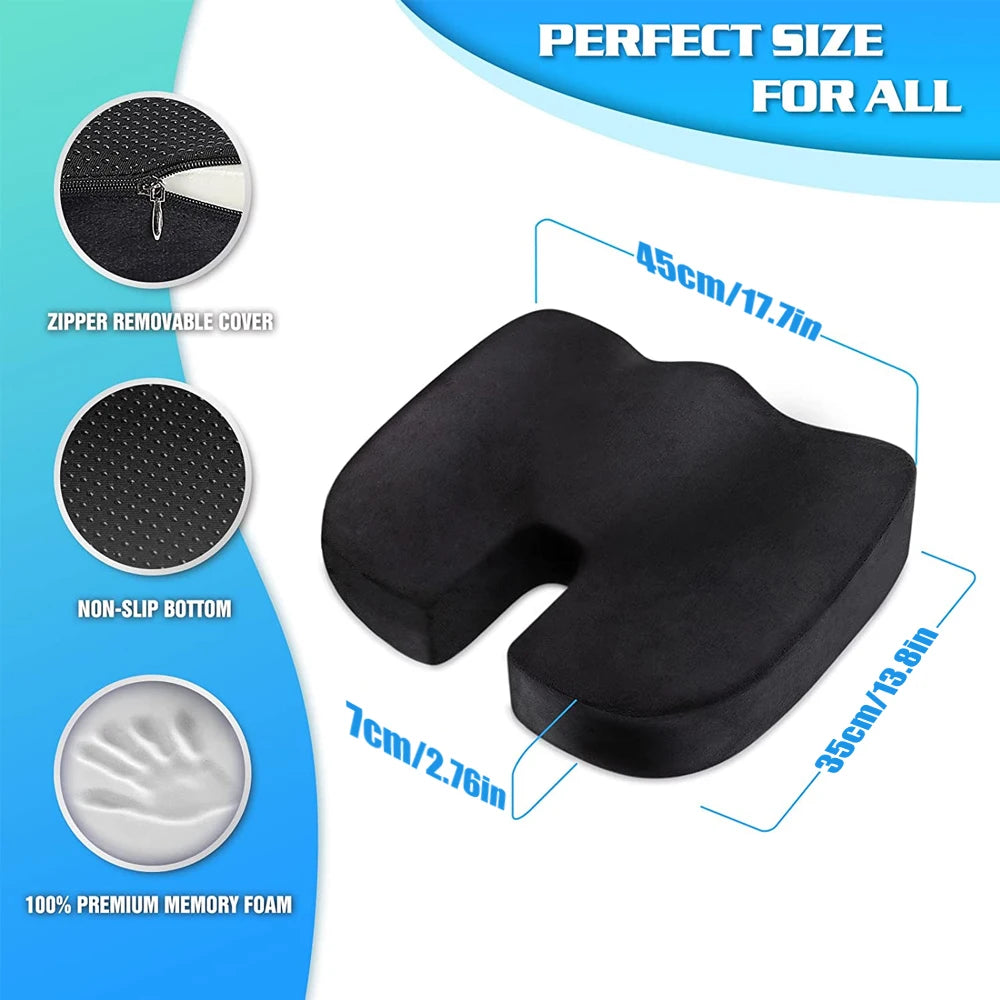
✨ Gel cushion vs memory foam? With a hybrid design, you don’t have to choose.
Try the hybrid cushion today
Gel Cushion vs Memory Foam: Real-World Testing Results
Office Work Test
During extended desk work, memory foam typically provides better sustained support because it contours to the body and reduces pressure concentration. Gel cushions remain cooler but may feel less supportive after several hours.
Driving Comfort Test
For daily commuting, both materials perform well. Memory foam generally delivers better shock absorption, while gel cushions help reduce heat build-up during warm-weather driving.
Tailbone Pressure Test
Memory foam usually performs better in pressure-relief scenarios because it distributes weight across a larger contact area. This makes it a popular choice among users seeking coccyx support.
Heat Build-Up Test
Gel cushions consistently outperform traditional memory foam when cooling performance is the primary concern. Open-grid gel designs allow greater airflow and lower surface heat retention.
Which Is Better for Your Needs? (Use-Case Guide)
Best Cushion for Office Sitting
For desk work or long office sessions, memory foam cushions typically provide better comfort. Their contouring support reduces pressure buildup and helps maintain better posture throughout the day.
Best Cushion for Driving and Long Commutes
Drivers often prefer memory foam because it stabilizes the hips and minimizes fatigue during extended trips. However, gel cushions can feel cooler inside hot vehicles.
Best Cushion for Tailbone Pain and Sciatica
Memory foam seat cushions are often recommended for tailbone discomfort because they distribute pressure more evenly and support the lower spine.
Best Cushion for Hot Climates
Gel seat cushions generally perform better in hot environments because their open structures allow heat to escape more easily.
Best for Heavy Individuals
Heavier users often benefit from high-density memory foam because it provides deeper support and better pressure distribution. Low-density foam may compress too quickly, while some gel designs can feel unstable under higher loads.
Best for Wheelchair Users
Pressure management is typically the highest priority for wheelchair users. High-quality memory foam or hybrid cushions often provide superior pressure redistribution compared to gel-only designs.
Best for Elderly Users
Older adults frequently prioritize comfort, support, and pressure relief. Memory foam generally offers better cushioning around sensitive pressure points, while hybrid cushions can add cooling benefits without sacrificing support.
Gel vs Memory Foam Seat Cushion Decision Matrix
Choose Gel If…
- You live in a hot climate.
- You frequently sweat while sitting.
- You prefer a firmer sitting surface.
- You move frequently throughout the day.
- Easy cleaning is important.
Choose Memory Foam If…
- You need stronger pressure relief.
- You sit for many hours daily.
- You experience tailbone discomfort.
- You want better body contouring.
- You prioritize support over cooling.
Choose a Hybrid Cushion If…
- You want both cooling and support.
- You spend long hours sitting.
- You want balanced comfort.
- You cannot decide between gel and foam.
- You want the broadest range of benefits.
Gel Memory Foam Hybrid Cushions: The Best of Both?
How Hybrid Cushions Work
Hybrid cushions combine memory foam with a gel layer or gel grid. The memory foam provides contouring support while the gel component improves airflow and cooling.
This design attempts to balance two benefits: ergonomic pressure relief and temperature regulation.
When a Hybrid Cushion Is the Best Choice
- You want memory foam pressure relief with improved cooling.
- You sit for long hours but dislike heat retention.
- You want one cushion suitable for office chairs and car seats.
Common Hybrid Cushion Mistakes
Not all hybrid cushions are created equal. Some products use a thin decorative gel layer that contributes little to cooling performance.
When evaluating a hybrid cushion, look for:
- A substantial gel layer rather than a surface coating
- High-density foam construction
- Ventilation channels or airflow design
- Washable covers
- Clear weight-capacity specifications
A well-designed hybrid cushion should deliver meaningful cooling without sacrificing pressure relief.
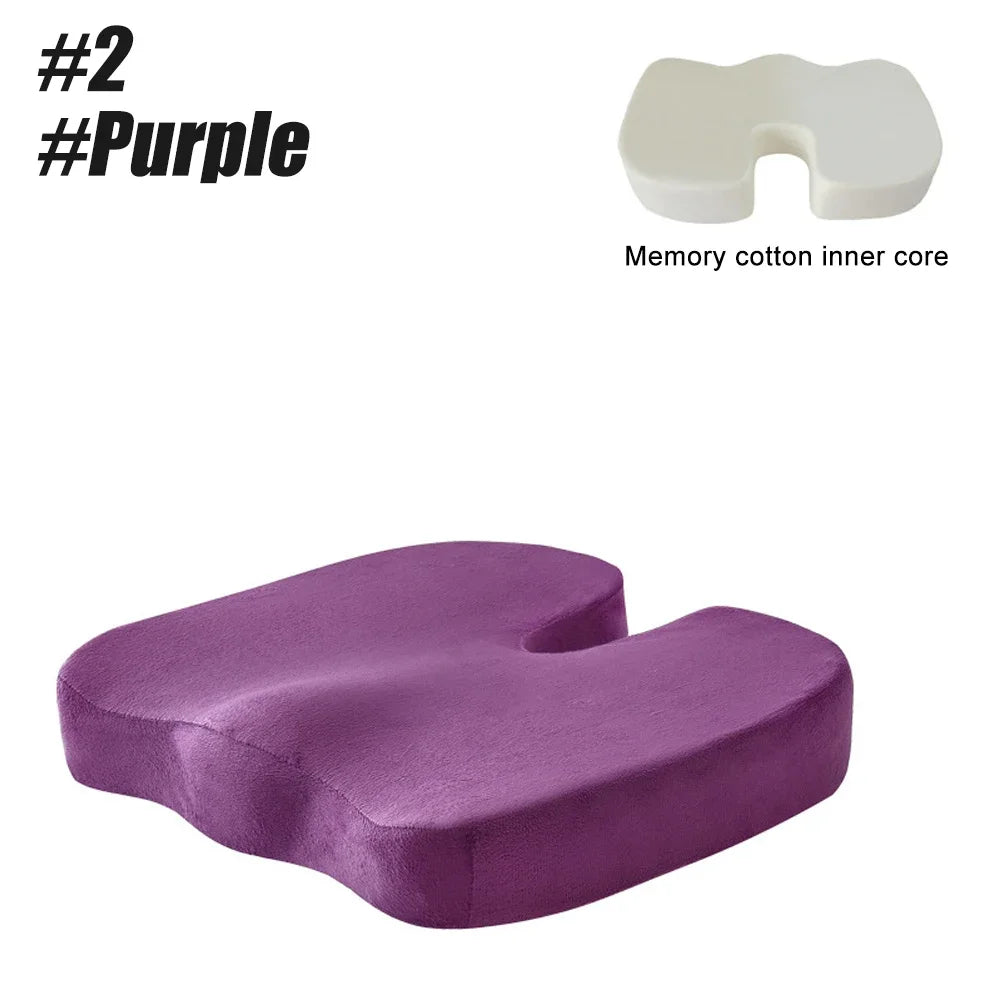
High density memory foam seat cushion — built for daily use and long-term comfort.
Buyer’s Guide: How to Choose the Right Seat Cushion
Cushion Thickness and Density
Thicker cushions with higher-density foam usually provide better long-term support. Low-density foam may flatten more quickly under daily use.
Breathability and Cooling Design
Look for cushions with ventilation channels, breathable mesh covers, or cooling gel layers to prevent heat buildup.
Shape and Ergonomic Cutouts
Many ergonomic seat cushions include U-shaped cutouts that reduce pressure on the tailbone and encourage better posture.
Durability and Cover Materials
Removable, washable covers improve hygiene and extend cushion lifespan. Breathable fabrics also enhance airflow during long sitting sessions.
Matching Cushion Type to Your Pain Point
The best seat cushion depends largely on the discomfort you are trying to address.
- Tailbone pain: Memory foam or hybrid
- Lower back discomfort: Memory foam
- Excessive heat while sitting: Gel
- General office comfort: Memory foam
- Long summer commutes: Gel
- Mixed comfort and cooling needs: Hybrid
Identifying the primary problem first often leads to a better purchase decision than choosing based solely on material type.
Order now before it’s gone!
Gel vs Memory Foam Seat Cushion: Final Verdict
If pressure relief, support, and long-term comfort are your priorities, memory foam is usually the better choice. If cooling performance and breathability matter most, gel cushions have a clear advantage.
For many users, hybrid gel-memory foam cushions provide the most balanced experience by combining airflow with pressure distribution.
Best Overall Choice by User Type
- Office workers: Memory foam
- Drivers: Memory foam or hybrid
- Hot climates: Gel
- Tailbone pain: Memory foam
- Mixed needs: Hybrid
Ultimately, the answer to “which is better, gel or memory foam seat cushion?” depends on whether support or cooling is your highest priority.
FAQ: Gel vs Memory Foam Seat Cushions
-
Is gel or memory foam better for a seat cushion?
Memory foam is generally better for long sitting sessions because it contours to your body and relieves pressure. Gel cushions are cooler and more breathable, which can feel more comfortable in warm environments. -
Is gel cushion better than foam?
Gel cushions are not necessarily better, but they provide stronger cooling and airflow. Memory foam usually offers better ergonomic support and pressure relief. -
Do gel cushions really work?
Yes. Gel cushions can improve comfort by distributing pressure and reducing heat build-up, particularly for people who prefer a cooler sitting surface. -
Are gel seat cushions good for back pain?
They may provide some relief, but memory foam and hybrid cushions generally offer better support for long-term back comfort and posture. -
Which lasts longer, gel or memory foam?
High-density memory foam often lasts longer because it maintains its shape well. Some soft gel cushions may lose firmness over time unless they use reinforced grid designs. -
Can a seat cushion improve posture?
Yes. Ergonomic seat cushions can encourage better pelvic positioning and spinal alignment, helping reduce slouching during prolonged sitting.
Explore more wellness solutions in our Body Care and Health Devices or dive deeper into ergonomics at our Beauty & Self-Care Blog .
Related Articles:
- Seat Cushions for Tailbone Pain: Do They Really Work Long-Term?
- Best Cushion for Coccyx Pain Features Explained Simply
Pillar Articles:













