

Does a Hair Treatment Heating Bonnet Really Work?
Yes, a hair treatment heating bonnet can improve the performance of deep conditioning treatments by using gentle, consistent warmth to help conditioners, oils, and hair masks work more effectively. Instead of allowing treatment products to remain mostly on the outer surface of the hair, a heated hair bonnet creates a warm environment that supports better product absorption and moisture retention.
The science behind heat treatments is based on how warmth affects the hair cuticle. When controlled heat is applied, the cuticle layer becomes more receptive, allowing conditioning ingredients to spread through the hair more evenly. This can be especially helpful for dry, damaged, thick, curly, or low-porosity hair that often needs extra support to absorb moisture.
How Heated Hair Bonnets Improve Deep Conditioning
A heated conditioning cap works by maintaining steady warmth around the hair during treatment. This helps prevent the mask or conditioner from drying too quickly while encouraging a more effective conditioning process.
- ✔ Helps deep conditioners distribute more evenly
- ✔ Supports better moisture retention
- ✔ Improves softness, smoothness, and shine
- ✔ Makes intensive treatments more efficient
Who Benefits Most From Heat Treatments?
A hair treatment heating bonnet is most useful for people who regularly use deep conditioning products and want stronger results from their routine. It can be particularly beneficial for:
- Dry or damaged hair: Helps maximize hydration-focused treatments
- Low-porosity hair: Supports easier absorption of conditioning ingredients
- Curly and natural hair: Helps improve softness and manageability
- Color-treated hair: Supports moisture care when used with suitable products
However, a heated hair bonnet is not a replacement for repairing severely damaged hair or professional salon treatments. The best results come from combining controlled heat with quality conditioners, proper hair care habits, and realistic expectations.
Hair Treatment Heating Bonnet Review for Salon Results at Home
⏱ 7 min read
Dry ends, dull shine, and treatments that never seem to “sink in” are common hair-care frustrations. You apply a nourishing mask, wait, rinse, and still wonder why your hair does not feel noticeably different. Often, the problem is not the treatment itself—it is how effectively your hair absorbs and retains moisture.
A hair treatment heating bonnet helps improve at-home conditioning routines by delivering controlled heat that encourages deeper treatment performance. Compared with traditional air-drying methods, a heated conditioning cap offers a convenient way to create a salon-inspired experience without leaving home.
Discover the best options for your hair type
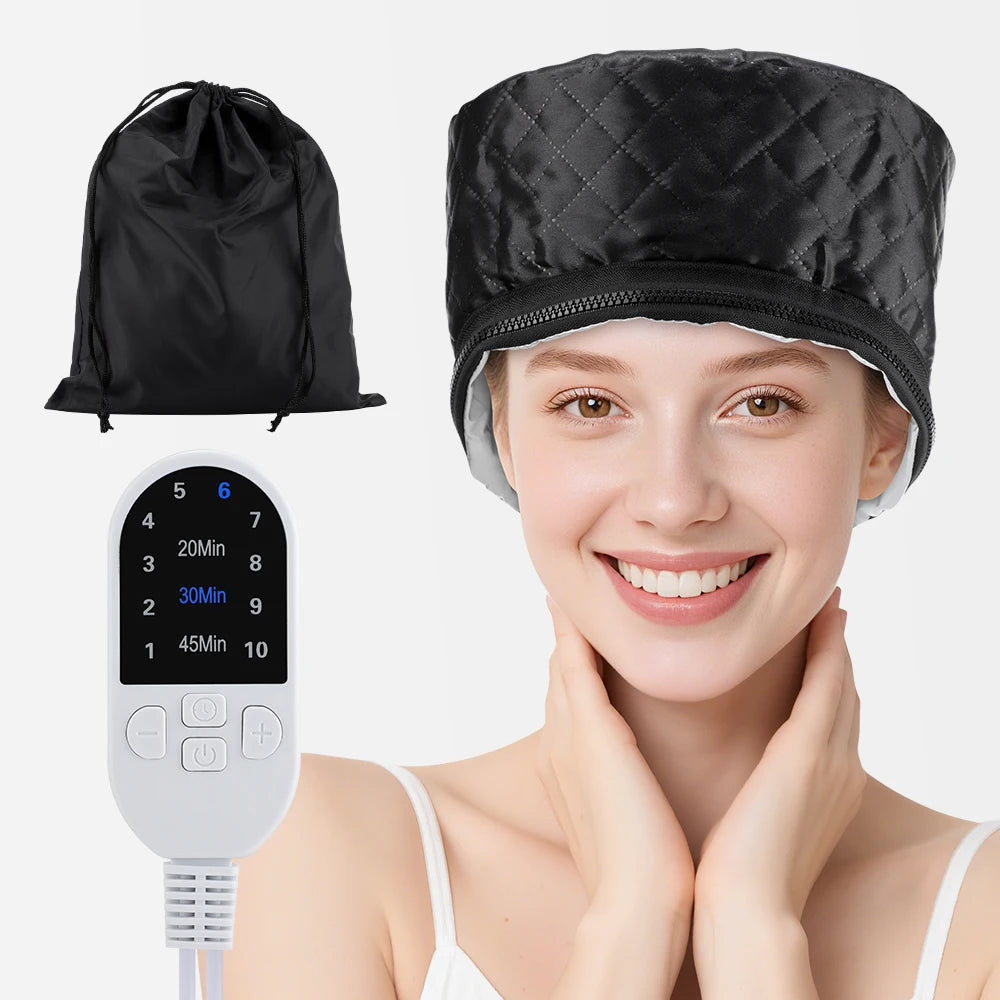
Deep conditioning heating cap for richer moisture See it in action
Best Hair Treatment Heating Bonnets for Deep Conditioning (2026 Picks)
The best hair bonnet for deep conditioning depends on your hair type, treatment goals, and preferred heat source. We evaluated options based on heat consistency, comfort, coverage, ease of use, safety features, and overall value.
Best Overall Heated Hair Bonnet
Best for: Regular deep conditioning routines and balanced performance.
A top-performing heated hair bonnet should provide even heat distribution, adjustable temperature control, and a comfortable fit for longer treatment sessions. This type of heated conditioning cap works well for users who want reliable weekly moisture treatments without complicated settings.
Pros:
- Adjustable heat levels for different hair needs
- More consistent warmth than passive thermal caps
- Suitable for frequent deep conditioning
Cons:
- Usually requires a power source
- Higher-quality models may cost more upfront
Best Budget Heat Cap
Best for: Beginners who want an affordable way to enhance hair treatments.
A budget deep conditioning heat cap offers simple functionality without advanced controls. It is a practical choice for occasional users who want to improve their mask routine without investing in premium features.
Pros:
- Affordable entry point
- Simple operation
- Good for occasional treatments
Cons:
- May have fewer temperature options
- Heat distribution can vary between models
Best for Natural & Curly Hair
Best for: Thick, curly, coily, or high-volume hair.
Natural and curly hair often benefits from extra moisture support. A larger bonnet design provides better coverage, allowing heat to reach more sections of hair while conditioning products work.
Pros:
- Extra space for thicker hair textures
- Supports curl hydration routines
- Improves treatment coverage
Cons:
- Larger designs may feel bulkier
- Storage space may be needed
Best Microwave Hair Cap
Best for: Travel, cordless convenience, and quick treatments.
A microwave hair cap uses heated materials to provide warm, moist-feeling heat without requiring a plug. It is a convenient option for users who prefer portability and simple preparation.
Pros:
- No cords required
- Easy to use while traveling
- Compact storage
Cons:
- Heat duration may be shorter
- Temperature control is often limited
Best Salon-Style Electric Heat Cap
Best for: Users seeking a more professional at-home conditioning experience.
An electric heat cap for hair with multiple settings and timer controls provides greater customization. These models are ideal for people who frequently perform intensive treatments and want consistent results.
Pros:
- Precise heat management
- Longer treatment flexibility
- More salon-like experience
Cons:
- Requires electricity
- Typically costs more than basic caps
Comparison Table: Top Heating Bonnets Side-by-Side
| Feature | Electric Heat Cap | Microwave Hair Cap | Thermal Conditioning Cap |
|---|---|---|---|
| Heat Source | Electric heating system | Microwaved heat-retaining materials | Body heat retention |
| Temperature Options | Usually adjustable | Limited control | No active adjustment |
| Power Type | Requires outlet or power connection | Cordless | No power needed |
| Best For | Frequent deep conditioning and precise treatments | Travel and quick sessions | Simple moisture routines |
| Hair Type Suitability | Most hair types depending on settings | Most hair types with proper use | Best for light conditioning support |
| Price Range | Medium to premium | Budget to medium | Budget |
This comparison makes it easier to choose between a heated hair bonnet, deep conditioning heat cap, or microwave option based on your routine, hair type, and desired level of control.
What Is a Hair Treatment Heating Bonnet?
A hair treatment heating bonnet is a wearable thermal cap designed to provide controlled warmth during deep conditioning treatments. By surrounding the hair with consistent heat, it helps create better conditions for conditioners, oils, and repair masks to work throughout the strands.
Unlike simply leaving a treatment on at room temperature, a heated conditioning cap helps maintain an even level of warmth that supports moisture absorption and reduces the chance of products sitting only on the outer surface of the hair.
- Electric heat caps: Use built-in heating elements and often include adjustable temperature settings for customized treatments.
- Microwave hair caps: Provide cordless warmth by heating insulated materials before use, making them convenient for travel or quick sessions.
- Thermal caps: Trap natural body heat to create a warmer environment without electricity.
Also called a heated conditioning cap, deep conditioning heat cap, or thermal hair treatment cap, this tool is commonly used in at-home hair repair routines for improving hydration, softness, and treatment performance.
How Heating Bonnets Boost Deep Conditioning Results
What Heat Does to the Hair Cuticle
Controlled heat helps the hair cuticle become more receptive during conditioning. When the outer cuticle layer is gently warmed, ingredients from masks, conditioners, and oils can spread more effectively through the hair surface instead of remaining concentrated on the outside.
This process does not mean the hair is exposed to the same type of high heat used for styling. A quality hair treatment heating bonnet is designed to provide gentle, consistent warmth that supports conditioning rather than creating thermal stress.
Key Benefits You May Notice After Using a Heated Conditioning Cap
When paired with the right treatment products, a deep conditioning heat cap can help improve several aspects of hair appearance and manageability:
- Softer texture: Helps hair feel smoother and more hydrated after conditioning sessions.
- Reduced frizz: Better moisture distribution can improve overall manageability.
- Improved product performance: Helps oils, masks, and conditioners work more evenly.
- Enhanced shine: Well-conditioned hair often appears healthier and more reflective.
- Better elasticity: Regular moisture care may help hair feel less brittle over time.
When Heat Can Damage Hair (Important Safety Insight)
Although a heated hair bonnet uses lower temperatures than many styling tools, excessive heat exposure can still affect hair health. Using the highest setting for too long or applying heat too frequently may contribute to dryness, especially on already fragile strands.
For safer results:
- Use low to medium heat settings whenever possible
- Follow the recommended treatment time from the product instructions
- Avoid using heat on severely weakened hair without proper conditioning support
- Allow hair to cool naturally after treatment before styling
Hair insulation that helps treatments work harder See it in action
Heating Bonnet vs Salon Hooded Dryer: What’s the Difference?
A hair treatment heating bonnet and a salon hooded dryer both use heat to support hair treatments, but they are designed for different needs. A bonnet focuses on convenient at-home conditioning, while a professional hooded dryer provides stronger airflow and salon-level equipment for frequent professional use.
| Feature | Heating Bonnet | Salon Hooded Dryer |
|---|---|---|
| Portability | ✔ Lightweight and easy to store at home | ✖ Large and usually stationary |
| Heat Control | ✔ Gentle, treatment-focused warmth | ✔ Stronger heat and airflow options |
| Convenience | ✔ Simple home use while relaxing or multitasking | ✖ Requires dedicated space and setup |
| Cost | ✔ One-time purchase for personal use | ✖ Higher equipment cost and salon access expenses |
| Best Use | Regular deep conditioning and maintenance treatments | Professional styling and high-volume salon services |
For most people who want to improve their home hair-care routine, a heated hair bonnet offers a practical balance of convenience, affordability, and conditioning support without requiring salon equipment.
Who Should Use a Heated Conditioning Cap? (Hair Type Guide)
A heated conditioning cap can be a useful addition to many hair-care routines, especially when the goal is improving moisture absorption and maximizing the benefits of deep treatments. However, the best results depend on choosing the right treatment products and using heat appropriately for your hair type.
- Dry or damaged hair: Helps conditioning masks and moisturizing treatments work more effectively by supporting better hydration.
- Curly or natural hair: Provides extra warmth that can help curls feel softer, more flexible, and easier to manage after conditioning.
- Low-porosity hair: Gentle heat can help improve how easily moisture-based products are absorbed by resistant hair strands.
- Color-treated hair: Can support moisture maintenance and help reduce the dry, brittle feeling that may occur after chemical processing.
- Frizzy hair: Better hydration from deep conditioning may help create a smoother texture and improved manageability.
People with fine or easily weighed-down hair should use lighter products and shorter treatment times, as too much conditioning can make hair feel heavy. A heated hair bonnet works best when matched with your hair texture, treatment goals, and overall routine.
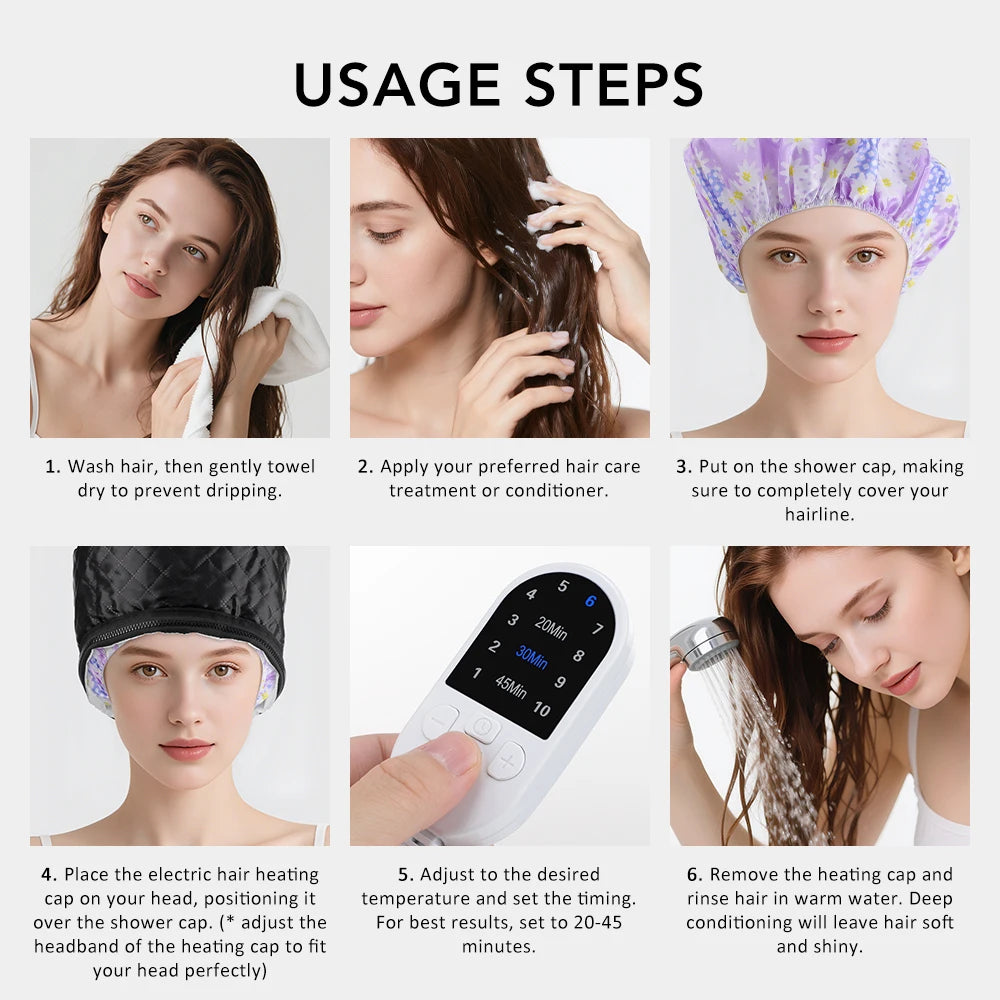
How to Use a Heating Bonnet for Hair (Step-by-Step Guide)
Learning how to use a heating bonnet for hair correctly helps you get better conditioning results while reducing the risk of unnecessary heat exposure. Follow these steps for a simple at-home treatment routine.
- Prepare your hair: Wash your hair and gently remove excess water before applying a deep conditioner or treatment mask evenly from roots to ends.
- Cover with a plastic cap: Place a plastic cap over your treated hair to help retain moisture and create a better conditioning environment.
- Position the heated hair bonnet: Place the bonnet securely over your head, ensuring your hair is covered evenly for consistent warmth.
- Select a suitable heat level: Start with low to medium heat, especially if you have fine, damaged, or chemically treated hair.
- Allow the treatment to work: Leave the heated conditioning cap in place for around 15–30 minutes, following your product instructions and comfort level.
- Cool down before finishing: Remove the bonnet and allow your hair to adjust before rinsing out the treatment with suitable water temperature.
- Rinse and style: Remove excess product, gently dry your hair, and continue with your normal styling routine.
Regular cleaning is also important. Wipe the inside of your bonnet after use and follow the manufacturer’s care instructions to maintain hygiene and extend product life.
Pair with the hair steamer cap deep conditioning solution for consistent heat performance.
What to Look for Before Buying (Buyer’s Guide)
The best hair treatment heating bonnet should provide comfortable wear, reliable heat distribution, and features that match your hair-care habits. Consider these factors before purchasing.
Heat Settings & Temperature Control
Adjustable temperature settings allow you to customize treatments for different hair types. Lower heat is generally better for fine or fragile hair, while thicker hair may benefit from longer sessions with moderate warmth.
Bonnet Size & Fit
A proper fit ensures heat reaches your hair evenly. Choose a larger bonnet design if you have long, thick, curly, or high-volume hair that requires more coverage.
Timer & Safety Features
Built-in timers and automatic shut-off features add convenience and help prevent extended heat exposure. These features are especially useful if you prefer relaxing during longer conditioning sessions.
Material & Durability
Look for soft, comfortable materials, secure construction, and designs that distribute heat evenly. A washable or easy-to-clean interior can also improve hygiene and extend the lifespan of a thermal hair treatment cap.
Final Verdict: Is This Heating Bonnet Worth It?
A hair treatment heating bonnet is worth considering if you regularly use deep conditioners, hair masks, or intensive treatments and want to improve your at-home results. By adding controlled warmth to your routine, a heated conditioning cap can help treatments perform more effectively while offering a convenient alternative to frequent salon appointments.
- Buy it if: You have dry, damaged, curly, thick, or low-porosity hair and want better moisture support from your treatments.
- Choose it if: You regularly use conditioning masks and want a more consistent treatment experience.
- Skip it if: You rarely use hair treatments or prefer a minimal hair-care routine.
The best choice depends on your needs. An electric heat cap for hair may be ideal for users who want adjustable temperature control, while a microwave hair cap can work well for those who prioritize portability and simplicity.
Get yours now — limited stock!
Frequently Asked Questions
How often should I use a heating bonnet?
Most people can use a heating bonnet about 1–2 times per week as part of a deep conditioning routine. The ideal frequency depends on hair condition, product type, and how much moisture your hair needs.
How long should I wear a heated hair bonnet?
A typical treatment session lasts around 15–30 minutes. Follow the instructions for your specific heated hair bonnet and avoid extending sessions unnecessarily to reduce the risk of excessive heat exposure.
Is it safe for color-treated or bleached hair?
Yes, heated bonnets can be used on color-treated or bleached hair when used carefully. Choose moderate heat settings, pair them with moisturizing treatments, and avoid high temperatures on fragile strands.
Can it replace salon treatments?
A heating bonnet can help improve regular at-home conditioning and reduce the need for some salon maintenance visits, but it does not completely replace professional treatments for major damage, chemical services, or advanced hair repair.
Is a heat cap good for hair treatment?
Yes. A deep conditioning heat cap can help improve how evenly treatments are distributed and may support better moisture absorption when combined with the right conditioner or hair mask.
Can I use any conditioner with a heat cap?
Most deep conditioners and hair masks designed for your hair type can be used with a heat cap. Look for products that match your goals, such as hydration for dry hair, repair-focused formulas for damaged hair, or curl-supporting treatments for natural textures.
What’s the difference between microwave and electric caps?
A microwave hair cap uses heated materials to provide cordless warmth, making it convenient for travel and occasional use. An electric heat cap for hair uses powered heating elements and often provides adjustable temperatures, making it better suited for users who want more control over treatment sessions.
How do I clean a heated conditioning cap?
Allow the cap to cool after use, then clean the interior according to the manufacturer’s instructions. A removable or washable liner can make maintenance easier and help keep the cap hygienic over time.
What temperature is safest for deep conditioning?
Gentle to moderate warmth is generally preferred for deep conditioning. The goal is to support product performance without exposing hair to unnecessary heat stress.
How often should I replace a heated hair bonnet?
Replacement timing depends on build quality, usage frequency, and maintenance. Replace your heated conditioning cap if the heating function becomes inconsistent, materials show damage, or safety features no longer work properly.
Related Guide: Deep Conditioning Hair Mask Review After 30 Days of Use













