

Hallux Valgus Pain Relief: Effective Solutions for Home and Active Life
⏱ 6 min read — If foot pain quietly dictates how long you stand, walk, or even sit, you’re not alone. Hallux valgus discomfort often develops gradually until simple activities become challenging. The good news is that many people achieve meaningful hallux valgus pain relief through supportive footwear, conservative treatments, targeted exercises, and daily habit changes that reduce pressure on the big toe joint.
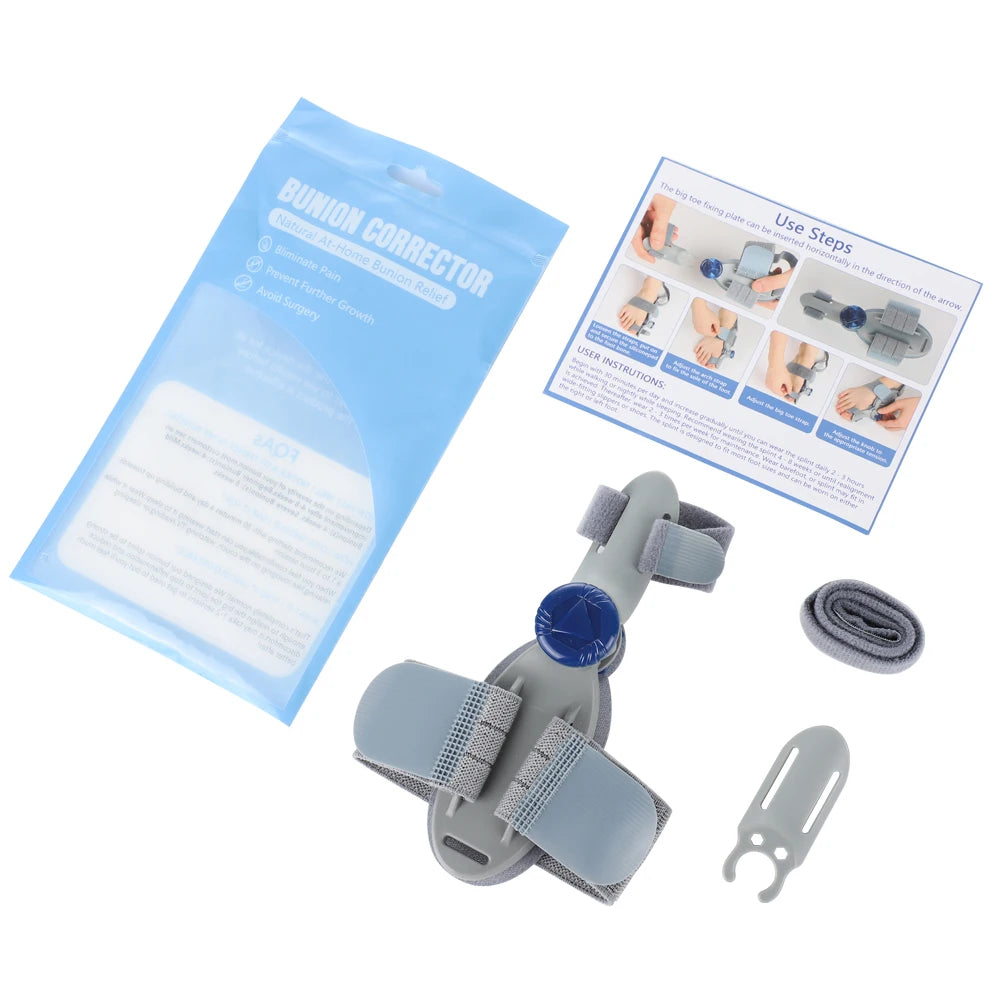
Targeted support for hallux valgus discomfort — See it in action
What Is Hallux Valgus and Why Does It Hurt?
Hallux valgus anatomy and bunion formation
Hallux valgus is a progressive foot condition in which the big toe gradually angles toward the smaller toes. As the joint shifts out of its natural position, the first metatarsophalangeal (MTP) joint becomes more prominent, forming what is commonly known as a bunion. This change alters how weight is distributed while standing and walking, increasing stress on surrounding tissues.
Common causes and risk factors
Several factors contribute to bunion development, including:
- Inherited foot structure or family history
- Flat feet or excessive pronation
- Footwear with narrow toe boxes or high heels
- Joint instability and ligament laxity
- Inflammatory conditions such as rheumatoid arthritis
While tight shoes rarely cause bunions by themselves, they often accelerate symptoms by increasing pressure on an already vulnerable joint.
Symptoms and pain triggers
Foot pain from bunions ranges from occasional soreness to persistent discomfort. Mild cases may cause tenderness only after prolonged activity, while more advanced deformities can lead to:
- Redness and swelling around the joint
- Difficulty fitting into regular shoes
- Joint stiffness and reduced toe mobility
- Pain during walking, standing, or exercise
- Calluses caused by overlapping toes
Understanding whether symptoms are mild, moderate, or worsening helps determine the most appropriate treatment approach.
How to Relieve Bunion Pain Based on Severity
Mild discomfort
If discomfort appears only occasionally, conservative care is usually effective. Switching to wider footwear, reducing prolonged pressure, performing gentle stretching, and using toe spacers can significantly improve daily comfort before symptoms become persistent.
Pain during walking and standing
When pain develops during routine activities, combine several strategies rather than relying on a single solution. Supportive shoes, cushioned orthotics, bunion pads, activity modification, and a bunion corrector often work together to reduce bunion discomfort fast while protecting the joint from additional irritation.
Persistent or worsening pain
If pain becomes constant, interferes with work or exercise, or the deformity continues progressing despite consistent home care, professional evaluation is recommended. Conservative treatments can still improve comfort, but expectations should focus on symptom management rather than reversing advanced structural changes.
Small changes made consistently often provide greater long-term relief than occasional intensive treatments.
Immediate Hallux Valgus Pain Relief at Home
Wear supportive shoes with a wide toe box
The quickest way to relieve pressure is to wear shoes that allow your toes to spread naturally. A wide toe box minimizes rubbing against the bunion while cushioned midsoles absorb impact during walking.
Use bunion pads and orthotics
Gel bunion pads reduce friction inside shoes, while supportive orthotics help distribute body weight more evenly across the foot. Together they decrease pressure on the affected joint and improve walking comfort.
Apply ice and reduce inflammation
After extended standing or walking, apply an ice pack wrapped in a towel for 10–15 minutes. Elevating the foot afterward helps reduce swelling and temporarily eases inflammation.
Modify activities to reduce pressure
Instead of standing continuously, alternate between sitting and walking. Short movement breaks prevent prolonged stress on the joint without eliminating daily activity entirely.
Long-Term Hallux Valgus Treatment at Home
Bunion corrector effectiveness
Bunion correctors do not permanently reverse established bone deformities, but many people experience improved comfort by gently supporting toe positioning and reducing soft tissue strain. Their greatest benefit is often symptom management, especially when combined with appropriate footwear and exercises.
Toe spacers separate crowded toes and encourage more natural positioning while walking or resting. They may improve comfort, reduce friction between toes, and support better toe mechanics in mild to moderate cases.
Hallux valgus exercises
Strengthening and mobility exercises support surrounding muscles and may improve joint function over time. Helpful exercises include:
- Toe spreads to activate foot muscles
- Towel scrunches to strengthen the arch
- Marble pickups for fine motor control
- Gentle big toe stretches to maintain mobility
- Calf stretches to improve overall foot mechanics
Perform these exercises several times each week without forcing painful movement.
Natural remedies for bunions
Natural remedies cannot correct the deformity but can complement conservative treatment by improving comfort.
- Warm foot soaks: Help relax tired muscles after activity.
- Gentle massage: Promotes circulation around the foot.
- Ice therapy: Helps reduce inflammation following prolonged standing.
- Anti-inflammatory topical products: May temporarily reduce localized soreness.
Combining several conservative therapies generally produces better long-term results than relying on any single method alone.
Choosing the Best Footwear and Orthotics
Features of supportive shoes
The best bunion support solutions begin with proper footwear. Look for shoes that include:
- Wide toe boxes
- Flexible uppers that reduce friction
- Firm arch support
- Shock-absorbing midsoles
- Low heels with stable platforms
When to use orthotics
Individuals with flat feet, overpronation, or uneven weight distribution may benefit from prefabricated or custom orthotics. These inserts reduce abnormal loading across the forefoot and may decrease irritation during prolonged walking.
Common footwear mistakes
- Choosing pointed shoes that compress the toes
- Wearing high heels for extended periods
- Buying shoes based on appearance rather than fit
- Ignoring worn-out cushioning or arch support
Many users pair alignment tools with other wellness essentials from Body Care and Health Devices to build a consistent comfort routine.
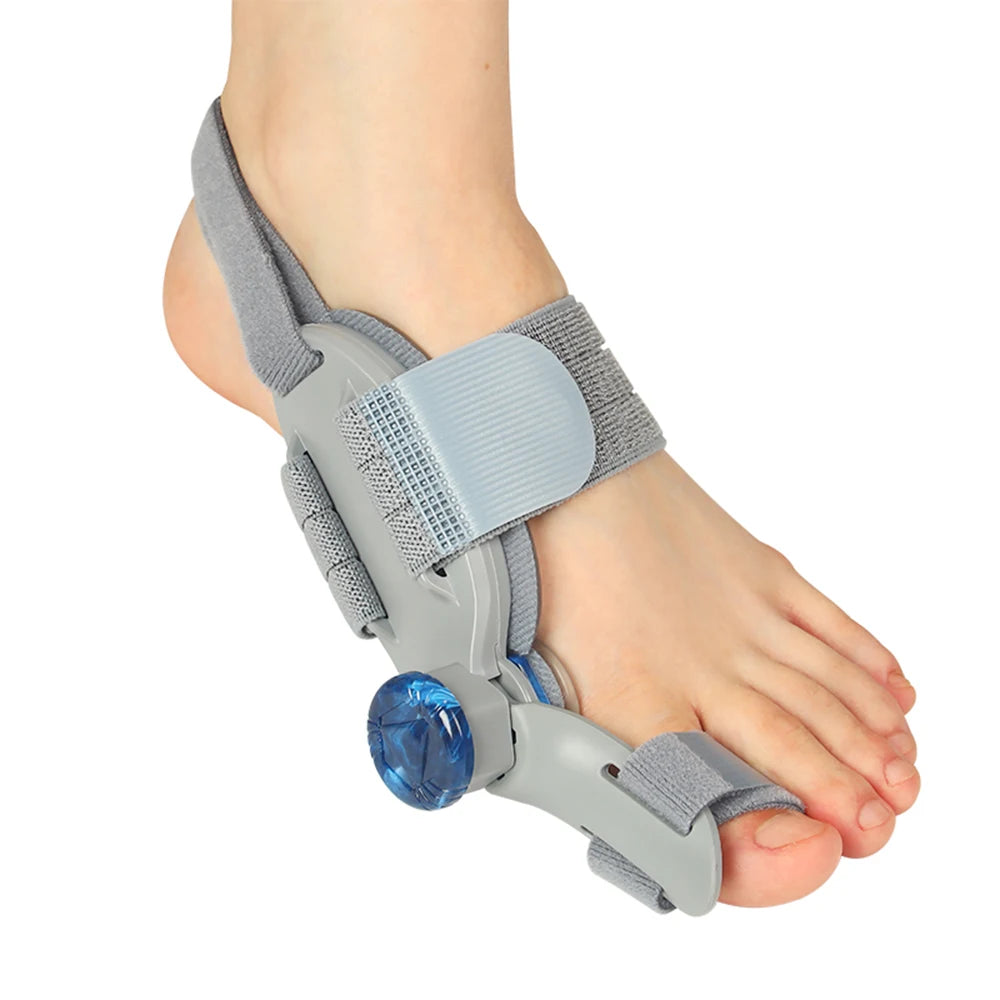
Support comfort during rest — Discover daily relief options
Daily Strategies for Walking, Work, and Exercise
Standing for long hours
If your job requires prolonged standing, alternate weight between both feet, wear supportive footwear, and take brief sitting breaks whenever possible. Anti-fatigue mats can also reduce cumulative stress on the forefoot.
Walking comfortably
Walking remains beneficial for overall health, but pace and footwear matter. Shorter strides, supportive shoes, and avoiding uneven terrain during painful flare-ups help maintain mobility while protecting the bunion.
Low-impact exercise recommendations
Exercise does not have to stop because of bunions. Lower-impact activities often place less stress on the big toe joint, including:
- Swimming
- Cycling
- Elliptical training
- Yoga with modified poses
- Strength training that avoids excessive forefoot loading
Remaining active while minimizing joint irritation supports long-term mobility and overall foot health.
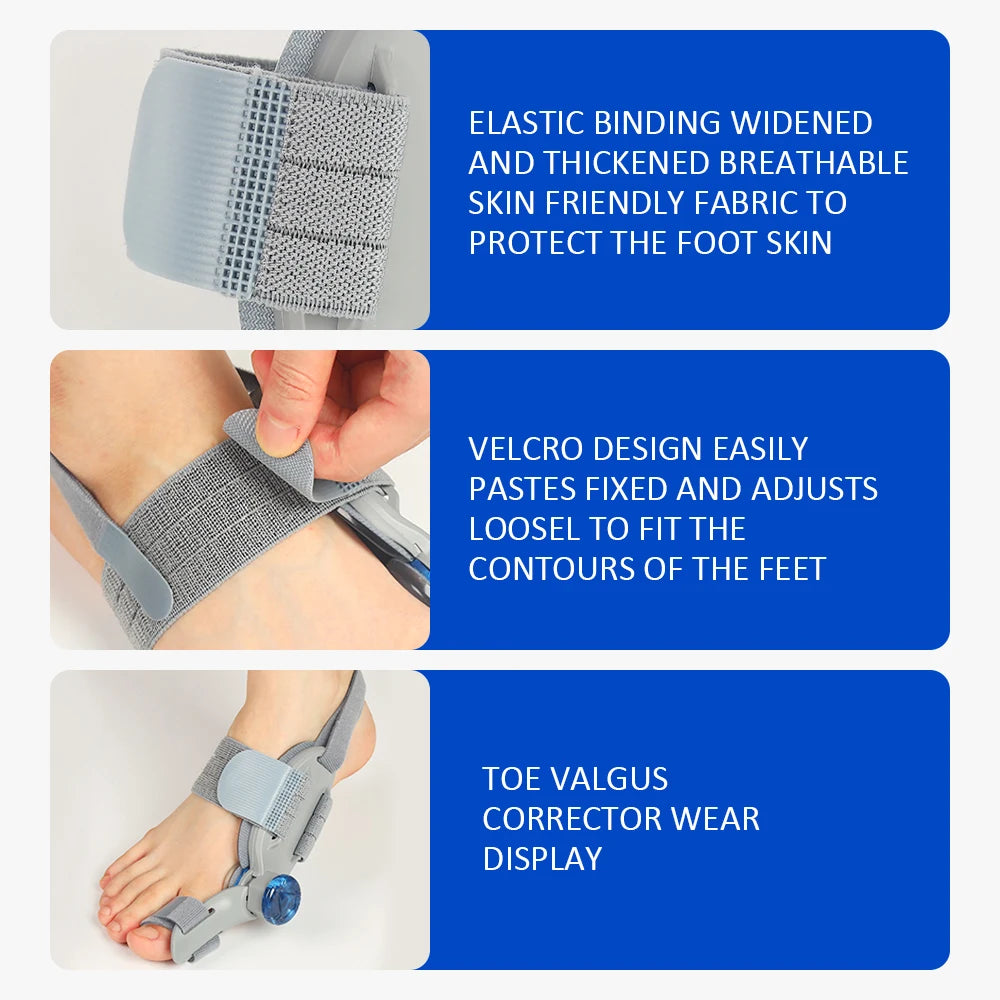
Everyday alignment support — Feel the difference
When to See a Foot Specialist
Signs conservative care is not enough
Consult a podiatrist or orthopedic foot specialist if you experience:
- Persistent pain despite several weeks of home treatment
- Difficulty walking normally
- Rapid progression of the deformity
- Severe swelling or redness that does not improve
- Frequent interference with work or daily activities
When surgery may be considered
Surgery is generally reserved for individuals whose pain significantly affects quality of life after conservative measures have failed. The decision depends more on symptoms and functional limitations than on the appearance of the bunion alone.
Questions to ask your provider
- What stage is my hallux valgus?
- Would orthotics or physical therapy benefit me?
- Am I a candidate for surgery?
- How long should I continue conservative treatment before reassessment?
Frequently Asked Questions
Can bunions go away without surgery?
No. The underlying bone deformity usually does not disappear on its own. Conservative treatment focuses on reducing pain, improving function, and slowing progression.
Do bunion correctors really work?
Bunion correctors can improve comfort, reduce soft tissue strain, and support toe positioning, especially in mild cases. They are most effective when combined with supportive footwear and regular exercises.
What are the best exercises for hallux valgus?
Toe spreads, towel scrunches, marble pickups, calf stretches, and gentle big toe mobility exercises are commonly recommended to maintain strength and flexibility.
What shoes help relieve bunion pain?
Shoes with wide toe boxes, supportive arches, flexible uppers, cushioned soles, and low heels generally provide the greatest comfort for people with bunions.
How can I reduce bunion discomfort fast?
Switching to supportive footwear, using bunion pads or orthotics, applying ice for 10–15 minutes, and reducing prolonged standing often provide noticeable short-term relief.
When should I consider surgery?
If pain remains severe despite consistent conservative treatment and significantly limits walking or daily activities, discuss surgical options with a foot specialist.
For lifestyle-focused wellness inspiration, explore curated ideas within the Lifestyle collection.
Related Guide: Hallux valgus toe corrector for different lifestyles













