

Hand Therapy Devices: 7 Best Tools for Strength, Recovery & Pain Relief (2026 Guide)
A hand therapy device can help improve grip strength, restore mobility, reduce stiffness, and support daily hand function. In this expert guide, we compare the best hand therapy equipment for rehabilitation, arthritis management, stroke recovery, and strength training. Learn how different hand therapy tools work, who benefits most, and how to choose the right option for your recovery goals.
⏱ 8 min read
Struggling to open jars? Experiencing hand stiffness after an injury? Losing grip strength during everyday tasks?
You’re not alone. Reduced hand strength, limited flexibility, and poor coordination can affect work, hobbies, and independence. The right hand therapy devices can support targeted exercises at home and help rebuild important movement patterns when used consistently.
Discover which hand therapy device fits your recovery goals
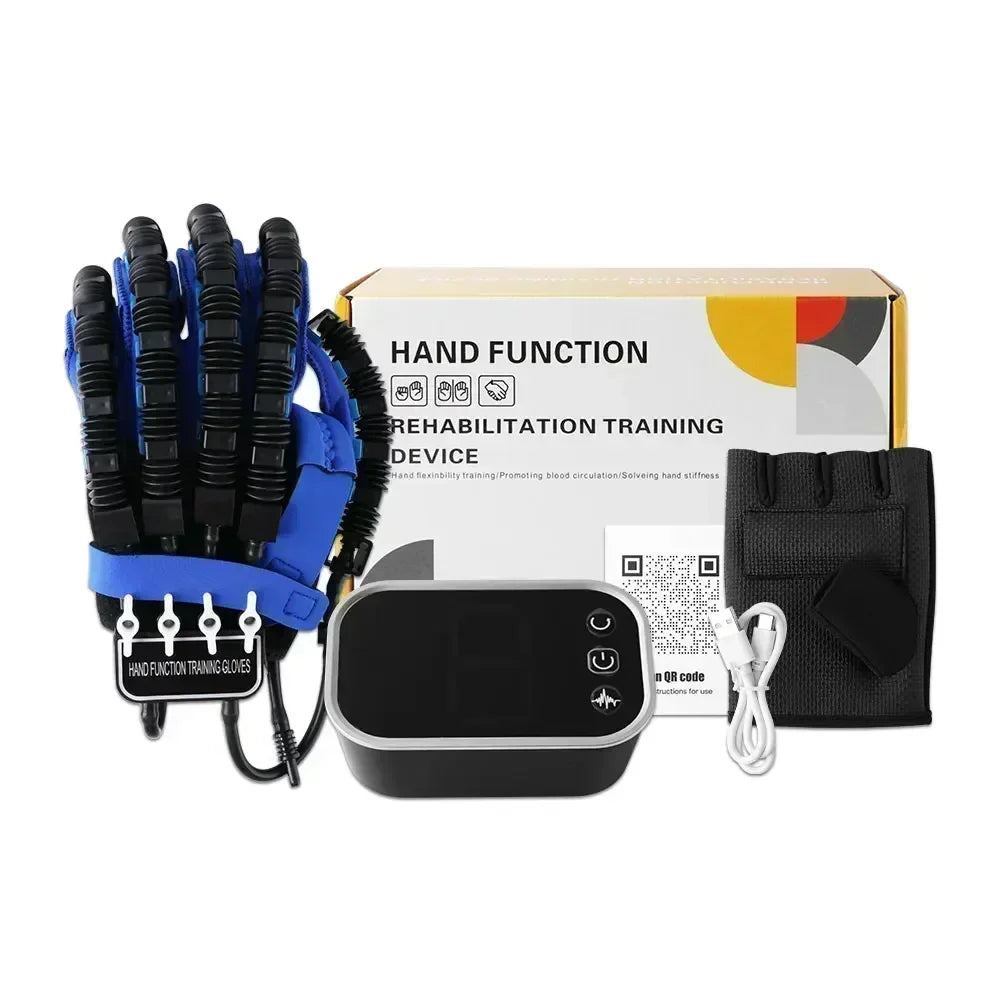
Advanced hand therapy device & hand therapy equipment for daily rehab See it in action
What Are Hand Therapy Devices and Who Are They For?
Hand therapy devices are specialized rehabilitation tools designed to improve hand strength, finger mobility, coordination, and range of motion through controlled exercises. These tools are commonly used in physical therapy, occupational therapy, and home recovery programs.
Who benefits from hand therapy devices
Hand therapy equipment may benefit people recovering from injuries, surgery, neurological conditions, repetitive strain, or age-related weakness. Common users include:
- People recovering from stroke or nerve-related weakness
- Adults managing arthritis stiffness and reduced mobility
- Individuals rebuilding strength after hand injuries
- Office workers experiencing hand fatigue from repetitive tasks
- Athletes improving grip endurance and wrist stability
Common goals: strength, mobility, pain relief
Different hand therapy tools target different rehabilitation goals. Some focus on building grip force, while others improve finger control, flexibility, circulation, or movement coordination.
When to use a hand therapy device at home
At-home hand therapy devices are most useful when combined with a consistent exercise routine. Short, controlled sessions can help maintain progress between professional therapy appointments or support general hand conditioning.
When professional supervision is recommended
People with severe weakness, recent surgery, significant injury, or neurological conditions should consult a healthcare professional before starting a new rehabilitation routine.
Do Hand Therapy Devices Really Work? (Backed by Rehab Science)
Hand therapy devices work by applying rehabilitation principles used in clinical settings: repetition, progressive resistance, controlled movement, and task-specific training. Consistent practice can support improvements in strength, coordination, and mobility.
The effectiveness of hand therapy machines and tools depends on several factors, including the type of condition, severity of weakness, consistency of use, and whether exercises match the user’s recovery goals.
These devices are not instant solutions, but they can support rehabilitation by encouraging regular movement and helping users perform exercises that may be difficult without assistance.
How Hand Therapy Devices Work
Hand therapy equipment supports recovery through different mechanisms depending on the device type. Some tools strengthen muscles, while others focus on flexibility, motor control, or assisted movement.
Strength training through progressive resistance
Grip strengtheners, resistance balls, and therapy putty provide controlled resistance that challenges hand muscles. Progressive resistance training can help rebuild endurance and improve functional grip for daily activities.
Neuroplasticity and motor relearning
Repetitive movement plays an important role in motor relearning. Advanced hand therapy machines, including robotic devices, can assist repeated finger movements that support coordination training after neurological challenges.
Range of motion and flexibility
Finger stretchers, therapy balls, and mobility tools encourage controlled movement that may help reduce stiffness and improve flexibility in fingers, wrists, and joints.
Circulation and pain management
Gentle hand exercises encourage blood flow and movement, which may help reduce feelings of stiffness and support comfortable daily function.
Types of Hand Therapy Devices Explained
Grip strengtheners
Grip strengtheners are among the most popular hand therapy tools. They use adjustable resistance to train squeezing strength and endurance.
Best for: Grip improvement, hand conditioning, and general strengthening.
- Pros: Affordable, portable, easy to use
- Cons: Less effective for isolated finger movement
Therapy putty and exercise balls
Therapy putty and soft resistance balls are commonly used for dexterity training, finger control, and gentle strengthening.
Best for: Arthritis support, fine motor practice, and beginner rehabilitation.
Finger stretchers and dexterity tools
Finger extension bands and dexterity tools focus on opening movements and coordination between different hand muscles.
Best for: Flexibility, finger balance, and mobility exercises.
Robotic and electric hand therapy machines
Robotic and motorized devices assist finger movement when users have limited strength or control. These hand therapy machines are often used for more advanced rehabilitation needs.
Best for: Stroke recovery support and severe hand weakness.
Passive vs active rehabilitation devices
Active devices require the user to create movement, while passive devices assist or guide motion. The right choice depends on current ability and recovery stage.
Quick Comparison Table: Best Hand Therapy Devices at a Glance
| Device | Best For | Type | Key Benefit |
|---|---|---|---|
| Rehabilitation Robot Glove | Stroke Recovery | Robotic | Assisted finger movement and repetitive training |
| Adjustable Grip Strengthener | Strength Building | Manual | Progressive resistance training |
| Therapy Putty Set | Dexterity | Resistance | Fine motor skill improvement |
| Finger Stretcher Bands | Flexibility | Elastic | Finger extension exercises |
| Gyro Ball Trainer | Athletes | Dynamic | Wrist and grip coordination |
| Exercise Ball Set | Arthritis | Soft Resistance | Gentle strengthening and mobility support |
| Electric Hand Therapy Machine | Passive Rehab | Motorized | Automated movement assistance |
7 Best Hand Therapy Devices (Tested & Ranked)
We evaluated the best hand therapy tools based on rehabilitation purpose, ease of use, versatility, and value for different recovery needs.
1. Rehabilitation Robot Glove – Best Overall for Stroke Recovery
The Rehabilitation Robot Glove provides motor-assisted finger movement designed for users who need additional support during hand rehabilitation. It helps guide repetitive flexion and extension exercises while reducing the effort required to complete movements.
- ✅ Assisted finger extension and flexion
- ✅ Supports repetitive motor training
- ✅ Adjustable intensity levels
- ❌ Higher cost compared with basic manual tools
2. Adjustable Grip Strengthener – Best Budget Pick
An adjustable grip strengthener is a practical option for users focused on rebuilding squeezing strength and improving hand endurance.
- ✅ Affordable and portable
- ✅ Adjustable resistance settings
- ❌ Limited finger-specific training
3. Therapy Putty Set – Best for Dexterity
Therapy putty supports fine motor exercises by allowing users to squeeze, stretch, pinch, and shape resistance material for improved coordination.
- ✅ Excellent for finger control practice
- ✅ Multiple resistance levels available
- ❌ Less suitable for advanced strength training
4. Finger Stretcher Bands – Best for Flexibility
Finger stretcher bands help train extension movements and may support balanced hand muscle activation.
- ✅ Lightweight and easy to carry
- ✅ Useful for mobility routines
- ❌ Limited resistance compared with strengthening devices
5. Gyro Ball Trainer – Best for Athletes
Gyro ball trainers use dynamic resistance to challenge wrist stability, coordination, and grip endurance.
- ✅ Good for wrist conditioning
- ✅ Supports active users and athletes
- ❌ Requires more coordination
6. Hand Therapy Exercise Ball Set – Best for Arthritis
Soft resistance exercise balls provide gentle strengthening while encouraging movement in stiff hands and fingers.
- ✅ Comfortable low-impact training
- ✅ Suitable for gentle mobility routines
- ❌ Not designed for maximum strength gains
7. Electric Hand Therapy Machine – Best Passive Rehabilitation
Electric hand therapy machines automate movement patterns for users who need additional assistance during rehabilitation.
- ✅ Supports passive exercise routines
- ✅ Useful for limited mobility
- ❌ Requires careful device selection
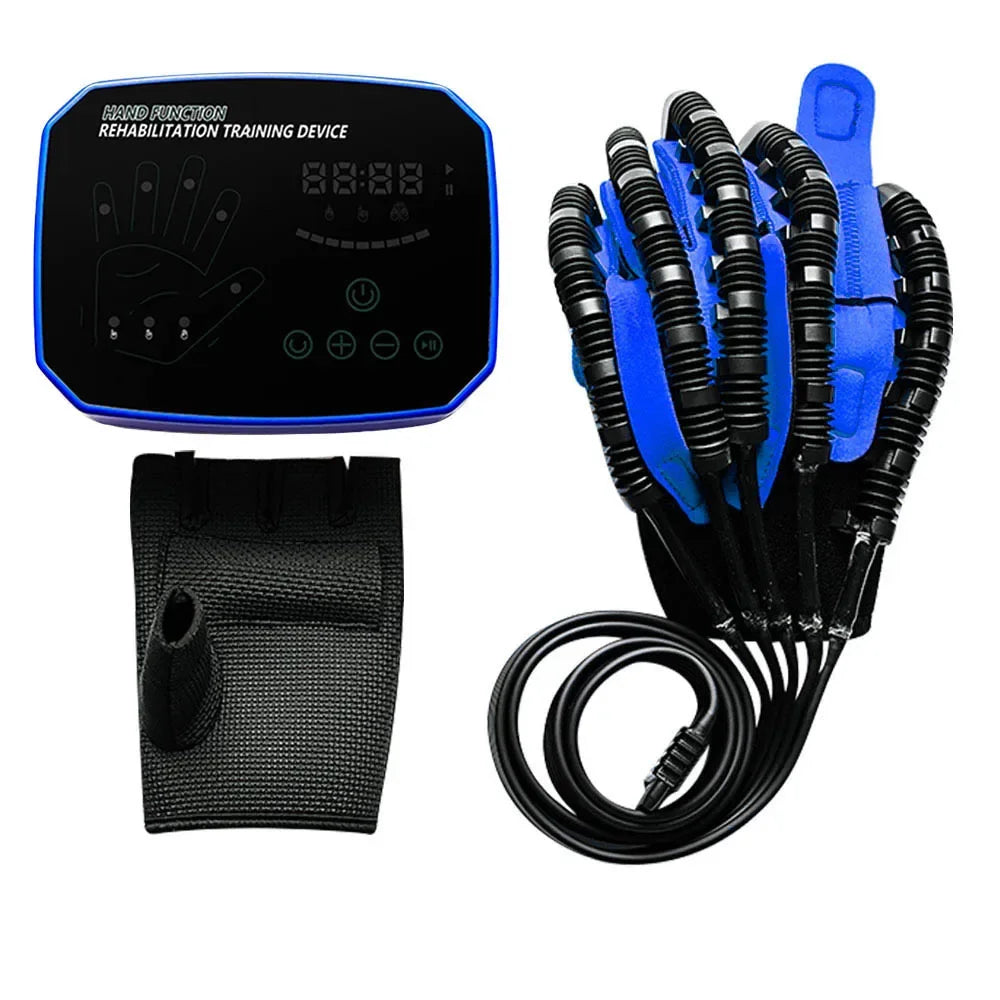
Hand exercise equipment physical therapy users rely on for grip strength training Explore smarter recovery
Best Hand Therapy Devices by Condition and Goal
Stroke recovery
Robotic gloves and assisted hand therapy machines are often selected when users need help completing repeated movements and rebuilding coordination.
Arthritis
Low-resistance tools such as therapy balls and putty are generally preferred for gentle strengthening and mobility exercises.
Carpal tunnel syndrome
Light resistance tools and stretching devices may support hand mobility and muscle balance when included in an appropriate exercise plan.
Hand injury or surgery
Recovery usually requires gradual progression. Begin with gentle movement tools before moving toward higher resistance training.
Office workers and athletes
Grip trainers, wrist tools, and mobility devices can support conditioning for repetitive hand use and performance activities.
How to Choose the Right Hand Therapy Device
Match the device to your condition
Choose tools based on your primary goal. Strength-focused devices suit muscle rebuilding, while assisted machines are better for users needing movement support.
Resistance and progression
Adjustable resistance allows users to increase difficulty gradually as strength improves.
Comfort and ergonomics
A comfortable design encourages consistent use. Look for materials and shapes that feel natural during repeated exercises.
Durability and cleaning
Choose hand therapy equipment that is easy to maintain, clean, and designed for regular use.
Budget and long-term value
Simple tools can be effective for basic goals, while advanced devices may provide additional support for complex rehabilitation needs.
Beginner Hand Therapy Exercises Using Devices
Grip strengthening routine
Use a grip trainer or resistance ball with slow controlled squeezes. Focus on quality movement rather than maximum force.
Finger extension exercise
Use finger stretcher bands to practice opening movements and improve finger coordination.
Dexterity practice
Therapy putty exercises such as pinching, rolling, and squeezing can help improve fine motor control.
Range of motion routine
Combine gentle stretching and assisted movements to maintain flexibility and reduce stiffness.
Safety Tips and Common Mistakes
Avoid overtraining
More exercise is not always better. Allow recovery time and avoid excessive resistance.
Recognize warning signs
Stop exercises if you experience unusual pain, worsening symptoms, or discomfort that does not improve.
Progress gradually
Increase resistance and exercise difficulty slowly to support safe improvement.
Know when to seek medical advice
Professional guidance is recommended for serious injuries, neurological conditions, or recovery after surgery.
For a complete at-home wellness setup, explore complementary recovery solutions in Body Care and Health Devices.
Those managing overall wellness may also find supportive solutions in Lifestyle collections.

Premium hand therapy tools for arthritis hand relief and physical therapy grip Strength starts today
Why the Rehabilitation Robot Glove Stands Out
The Rehabilitation Robot Glove stands out because it combines assisted movement, adjustable training support, and consistent repetition in one hand therapy machine. Unlike simple strengthening tools, it can help users who need additional assistance completing finger movements.
- Motor-assisted motion support
- Designed for repetitive rehabilitation training
- Adjustable support for different ability levels
Get yours now — limited stock!
Frequently Asked Questions About Hand Therapy Devices
What are hand therapy devices used for?
Hand therapy devices are used to improve grip strength, mobility, coordination, flexibility, and hand function during rehabilitation or conditioning.
How long does it take to see results?
Results vary depending on the condition and consistency of use. Many users notice gradual improvements after several weeks of regular practice.
Which hand therapy device is best for arthritis?
Soft resistance tools such as therapy putty and exercise balls are commonly preferred because they provide gentle strengthening without excessive strain.
Can hand therapy machines improve hand strength?
Yes. Resistance-based tools can support strength development, while assisted machines can help users perform repeated movements when strength is limited.
Are robotic hand therapy devices effective after stroke?
Robotic devices can support repetitive movement practice, which is an important part of many stroke rehabilitation programs.
How often should I use hand therapy equipment?
Short, consistent sessions are usually more beneficial than occasional intense workouts. Follow professional guidance when recovering from an injury or medical condition.
Can I use hand exercise equipment during physical therapy at home?
Yes. Many people use hand exercise equipment as part of a home routine, especially when exercises are appropriate for their recovery stage.
What should I look for before buying a hand therapy device?
Consider your rehabilitation goal, resistance options, comfort, durability, ease of use, and whether the device matches your current ability level.
Can I use hand therapy devices after surgery?
Some users may benefit from hand therapy equipment after surgery, but exercise selection and timing should follow medical recommendations.
How do I clean and maintain hand therapy equipment?
Follow the manufacturer’s cleaning instructions. Keeping devices clean and properly stored helps maintain performance and durability.
Related Guide: Occupational Therapy Devices Compared: Top Picks













