

How to Use a Foot Massager: Hands-Free & At-Home Guide
Learn how to use a foot massager correctly with practical setup tips, positioning advice, recommended session lengths, and essential safety guidance. Whether you use a hands-free foot massager at home or under your desk, the right technique can help reduce muscle tension, improve comfort, and support healthy circulation.
If sore, tired feet leave you feeling drained after work, exercise, or long hours of standing, a foot massager can become an easy part of your daily recovery routine. Understanding how to position your feet, choose the right intensity, and use the device consistently helps you get the most benefit while avoiding unnecessary discomfort.
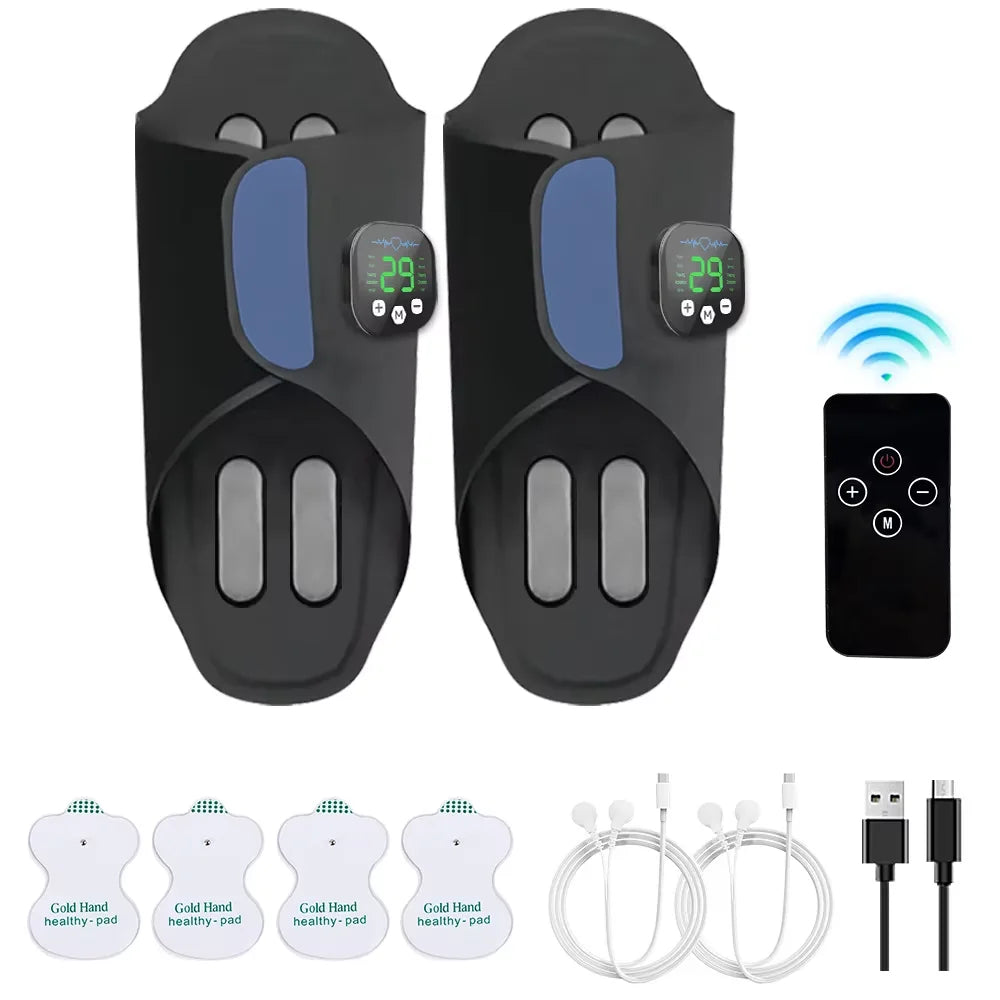
Hands-free foot massager for comfortable at-home relaxation. See it in action.
Does a Hands-Free Foot Massager Really Work?
Yes, a quality hands-free foot massager can help relieve tired feet, reduce muscle tightness, and encourage healthy blood circulation when used as directed. Different models achieve these benefits through technologies such as shiatsu massage nodes, air compression, vibration, heat, rollers, or EMS stimulation, each designed to gently stimulate the muscles and soft tissues of the feet.
While a foot massager is not a medical treatment for underlying conditions, many people find regular sessions helpful for easing everyday foot fatigue after walking, standing for extended periods, exercising, or spending long hours at a desk. The best results typically come from consistent use, proper positioning, and selecting an intensity that feels comfortable rather than painful.
For users looking for a simple, hands-free option, products such as the KentDO Plantar Foot Massager Pad make it easy to incorporate short massage sessions into a daily wellness routine at home or in the office.
⏱ 6 min read
Types of Foot Massagers and How They Work
Shiatsu Foot Massagers
Shiatsu foot massagers use rotating massage nodes that imitate the kneading motion of a professional massage. They apply gentle pressure to the soles, arches, and heels to help loosen tight muscles, ease everyday foot fatigue, and promote relaxation. Many models also include adjustable intensity settings, making them a good choice for people who spend long hours standing or walking.
Compression and Roller Massagers
Air compression foot massagers gently inflate and deflate around the feet to create a rhythmic squeezing sensation that supports circulation and reduces feelings of stiffness. Roller massagers focus on the plantar fascia and arch by gliding beneath the foot to release tension. Devices that combine compression and rollers are well suited for daily recovery, especially after work, exercise, or prolonged sitting.
EMS & Manual Foot Massagers
EMS (Electrical Muscle Stimulation) foot massagers deliver low-level electrical impulses that encourage gentle muscle contractions, while manual rollers rely entirely on your body weight and movement to target specific pressure points. EMS devices are often preferred for convenient hands-free sessions, whereas manual massagers offer precise control over pressure and massage duration.
Step-by-Step Guide: Using a Foot Massager at Home
Before You Start: Preparation Tips
- Remove shoes and, if comfortable, socks for better contact with the massage surface.
- Wash and dry your feet to improve hygiene and prevent moisture from affecting the device.
- Place the foot massager on a stable, level floor where it will not slide during use.
- Check the power cord or battery level before starting and keep surrounding cables out of walking paths.
Recommended Duration & Frequency
For most users, begin with 10 to 15 minutes per session at a low intensity. As your feet become accustomed to the massage, sessions can gradually increase to 20–30 minutes if comfortable. Daily use is appropriate for many healthy adults, but allow your feet to rest if you experience lingering tenderness or sensitivity after a session.
Positioning & Comfort Tips
- Sit in a supportive chair with both feet resting naturally on the massage surface.
- Keep your knees bent at approximately 90 degrees to avoid unnecessary strain on your legs.
- Center each foot over the massage nodes, rollers, or pads for even pressure.
- Relax your legs instead of pressing down forcefully, allowing the device to do the work.
- If your arches are especially sensitive, reduce the intensity before increasing session length.
Using an Under Desk Foot Massager During Work
An under-desk foot massager can help reduce stiffness and foot fatigue during extended periods of sitting without interrupting your workflow. Position the device directly beneath your chair so your feet rest comfortably on the massage surface, and choose a low or medium intensity that allows you to continue working comfortably.
- Keep both feet flat and centered throughout the session.
- Use gentle massage modes during meetings or focused computer work.
- Schedule 10- to 15-minute sessions during breaks or between tasks.
- Avoid using high-intensity settings if they become distracting or uncomfortable while working.
Common Mistakes to Avoid
Using Too Much Pressure
More intensity does not always produce better results. Starting at the highest setting or pressing your feet forcefully against the massage nodes can leave muscles feeling sore instead of relaxed. Begin with a low or medium intensity and increase only if the massage remains comfortable.
Using Heat Too Long
If your foot massager includes a heating function, use it in moderation. Gentle warmth can enhance comfort and help muscles relax, but prolonged heat may cause discomfort or dry skin in some users. Follow the manufacturer's recommended session length and switch the heat off if your feet become overly warm.
Ignoring Pain Signals
A foot massage should feel soothing, not painful. Stop using the device if you experience sharp pain, numbness, dizziness, or worsening discomfort. Avoid using a foot massager over open wounds, severe swelling, infections, or recent injuries, and speak with a healthcare professional if you have diabetes, significant circulation problems, or peripheral neuropathy before beginning regular use.
- Follow the recommended session duration instead of extending treatments.
- Keep your feet properly aligned with the massage surface for even pressure.
- Clean the device regularly according to the manufacturer's instructions to maintain hygiene.
- Inspect power cords, removable covers, and massage pads periodically for signs of wear.
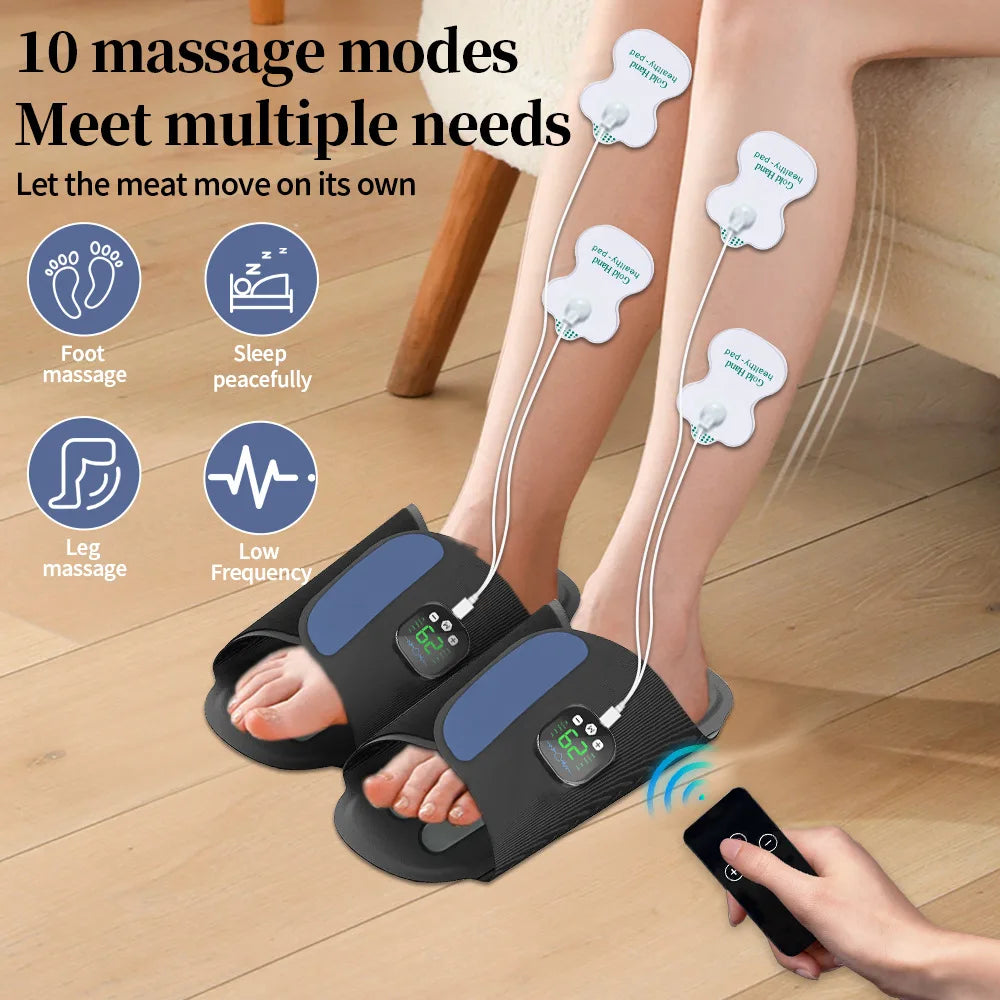
Hands-free foot massager for everyday relaxation and recovery.
Frequently Asked Questions
How do you use a foot massager correctly for the first time?
Begin with the lowest intensity setting and use the device for 10–15 minutes while sitting comfortably with your feet centered on the massage surface. Gradually increase the intensity over several sessions as your feet become accustomed to the massage.
How long should you use a foot massager each session?
Most people benefit from sessions lasting 10–20 minutes. Depending on your comfort level and the manufacturer's recommendations, sessions can be extended to up to 30 minutes, but prolonged use is generally unnecessary.
Should you wear socks when using a foot massager?
Both options work well. Bare feet provide more direct contact with massage nodes or EMS pads, while lightweight socks may improve comfort and help keep the device clean.
Can you use a foot massager every day?
Yes. Daily use is suitable for many healthy adults when sessions remain within the recommended duration and intensity. If soreness persists after treatment, reduce the frequency or shorten your sessions.
What massage mode is best for sore feet?
For everyday foot fatigue, begin with a gentle kneading, roller, or low-intensity compression mode. Heat can provide additional comfort if your device includes it and you do not have a medical reason to avoid warmth.
Is it safe to use a foot massager if you have diabetes?
People with diabetes, peripheral neuropathy, poor circulation, or reduced sensation should consult their healthcare provider before using a foot massager. Extra caution is important because decreased sensation may make it difficult to detect excessive pressure or heat.
Can an under-desk foot massager be used while working?
Yes. Low- or medium-intensity settings are typically suitable during desk work, particularly for short sessions of 10–15 minutes. If the massage becomes distracting, pause the session until your next break.
What should you do after using a foot massager?
Stand up slowly, stretch your ankles and calves, drink water, and take a short walk if possible. These simple habits can help your muscles stay relaxed and make your massage session feel even more refreshing.
Related Guide: How to Improve Foot Circulation at Home Effectively
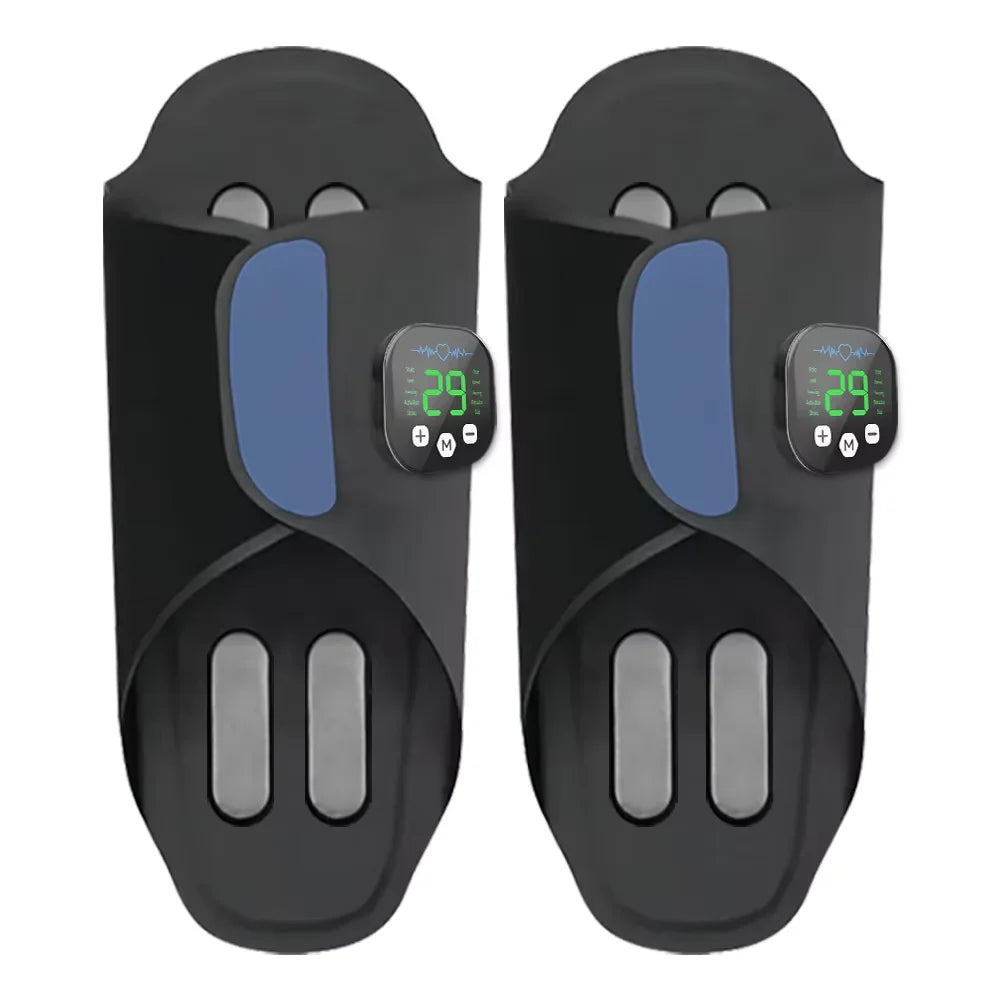
Build a relaxing at-home foot massage routine for lasting everyday comfort.













